Delta will not release an unaccompanied minor unless the adult at arrivals presents a valid, unexpired government-issued photo ID whose name exactly matches the reservation and then signs a release form in person. A phone photo or a digital license does not count.
If the name doesn’t match, the child stays with Delta staff until the discrepancy is resolved. Corrections belong on the phone with Delta before the flight—ideally at least 48 hours before departure—not at the arrivals desk.
Most parents picture the pickup moment as a quick hug and a wave. Delta runs it as a custody handoff with a paper trail. The program is a safety net for minors traveling alone, and the arrival desk is the last checkpoint.
That checkpoint creates more airport failures than parents expect.
In one independent guide, a pickup adult arrived with nothing but a phone image of a driver’s license—the actual card was in another wallet. Staff kept the child at the unaccompanied minor desk and spent the next hour trying to reach the booking parent; the adult went home for the physical card, and only then could the release proceed. The child was safe the entire time because Delta refused to bend.
The process turns on three things: an exact legal-name match in the reservation, a physical government ID at arrivals, and an in-person signature on a release form. This article explains what that signature does and doesn’t do, why phone-based proof fails, and what to do when the pickup adult changes or runs late.
The release form is a custody transfer, not a liability waiver
Delta’s own policy page is blunt: “A valid government-issued ID must be presented and signature captured of the person meeting the child. Delta will not release the child to anyone other than the person(s) named in the reservation.” That release moment is a checkpoint, not a formality.
The document the receiving adult signs records that custody changed hands and that program rules were reviewed.
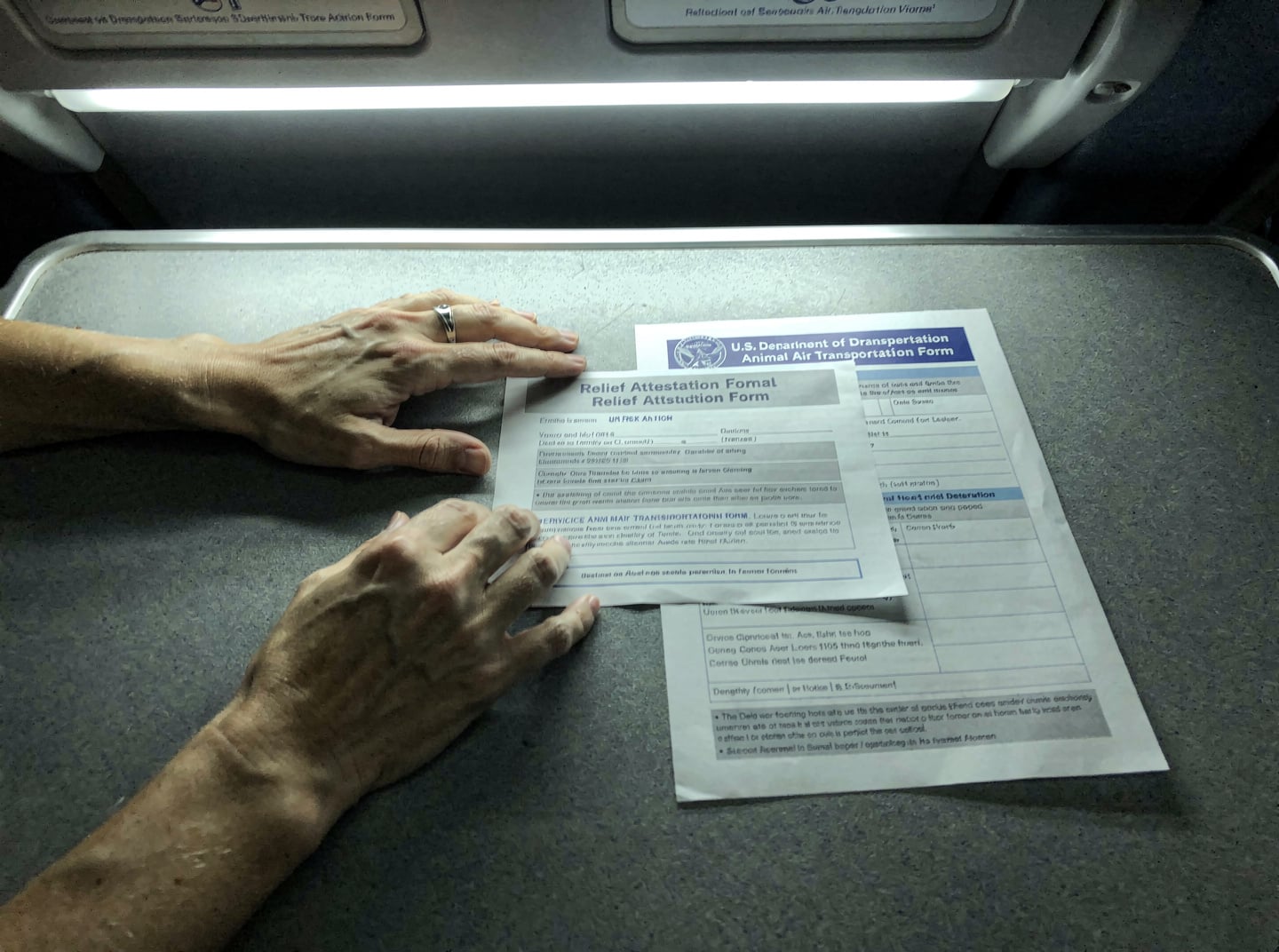
Delta has not published explicit language that waives liability beyond its standard conditions of carriage. The parent or guardian signs the publicly available form to consent to the child’s carriage and to confirm that the information provided is accurate. The legal weight is consent and accuracy, not a broad liability shield.
A phone photo fails the pickup test
Electronic ID is becoming normal, but Delta’s current public materials show no acceptance of e-signatures or digital IDs for the unaccompanied-minor release. Its guidance warns that mobile driver’s licenses are not universally accepted and recommends bringing a physical ID. One Delta source is direct: “Staff will not accept a photo of an ID on a phone.”
That rule produces delays, not shortcuts. Staff keep the child under supervision and call the booking parent to resolve the mismatch.
If the physical card is miles away, the pickup adult makes a round trip while the child waits. There is no mobile fallback—none.
Flight deals
most people never see
Our AI monitors 150+ airlines for pricing anomalies that traditional search engines miss. Air Traveler Club members save $650 per trip per person on average: see how it works.
Each deal saves 40–80% vs. regular fares:

Name mismatches and last-minute switches cause the hardest blocks
Because Delta releases only to the person named in the reservation, an exact legal-name match is the whole game. Common failures are avoidable: a nickname on the booking, a missing middle name, or a dropped suffix. If the ID presented at arrivals doesn’t match the reservation, staff will not release the child until the discrepancy is resolved.
Parents should verify the full legal name—including middle names and suffixes—against the government ID before departure. This is not Delta being picky; it is the verification checkpoint.
If someone other than the authorized adult shows up, Delta contacts the origin adult who dropped off the child before any release to the new person is permitted.
A well-intentioned relative at the gate has no authority unless the reservation has been updated by phone beforehand. Any change to the designated pickup person must go through Delta by phone before travel. The adult who accompanies the child at check-in is responsible for providing the new details so the record is formally updated.
The recovery loop when a pickup stalls or goes wrong
If the authorized adult is delayed, Delta staff keep the child in the supervised area and first try to call the booking parent or guardian. Delays beyond about 1–2 hours with no contact trigger escalation steps such as continued supervision and potential involvement of airport police or child protective services. The exact minute-by-minute protocol is not public, and those outcomes are rare.
For disrupted flights, Delta’s agent guidance says employees will rebook the child on the next available departure, remain with the child until boarding, and keep trying to reach the named destination pickup adult and the emergency contact until someone answers. If sustained efforts produce no authorized adult and no contact, independent UM contingency guides describe last-resort options—sending the child back to the origin or handing the child to local authorities under local rules.
Arriving without a physical ID is the emergency to avoid. Alternative verification without a physical ID is rare and not guaranteed. The system is built so no gate-level favor can short-circuit the custody handoff.
What to do before you send a child on Delta
Before departure, run three checks.
First, confirm the pickup adult’s full legal name in the reservation exactly matches their physical government ID—middle names and suffixes included. Second, make sure that adult has the actual card in hand, not a photo or mobile copy. Third, if the pickup person changes, make the update by phone with Delta before travel, and have the check-in adult confirm it.
If the flight is disrupted or the pickup adult expects to be late, call Delta’s unaccompanied-minor coordination line immediately. Early contact keeps the child in structured supervision and reduces the chance of rebooking or involvement by airport authorities.
The process isn’t designed to be flexible. That’s the point.

Questions? Answers.
Does the unaccompanied minor need to show an ID at pickup?
Delta’s verification requirement is aimed at the named pickup adult, not the child. The child remains in the program’s supervision chain until the adult’s ID and release signature are completed.
Is the four-digit booking PIN required at arrival?
No. The four-digit PIN chosen at booking is required for future changes to contact information, but it is not required for pickup. It does not substitute for a name match and a physical ID.
Can the pickup adult use an expired government ID if the name clearly matches?
No. Delta requires the government-issued photo ID to be valid and unexpired. An expired document fails the physical ID check and can leave the child under staff supervision until a valid ID is produced.