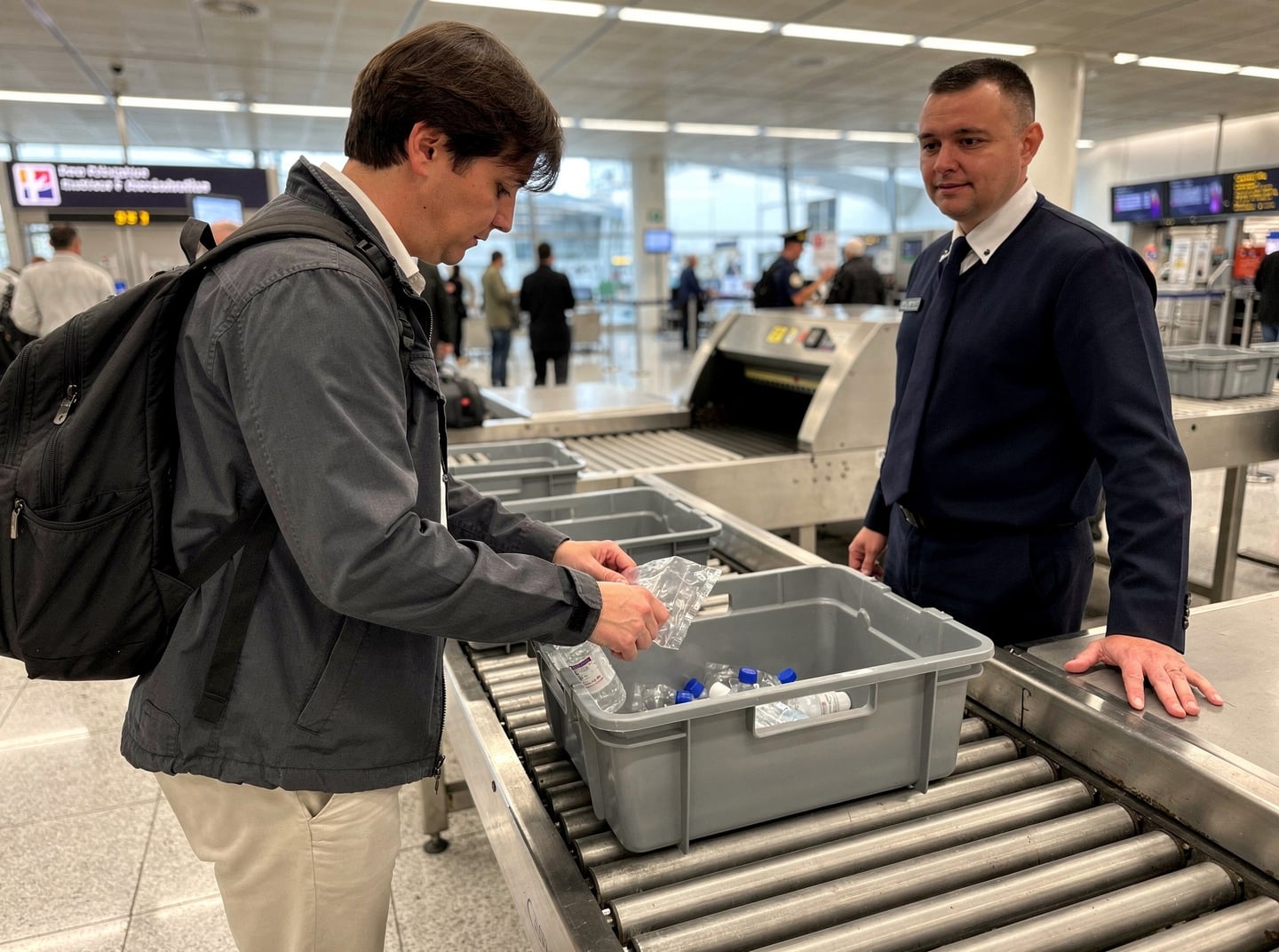
EES and ETIAS apply to the same visa-exempt travelers heading to Europe, but they are not the same system, and they are not on the same clock.
EES is already running — live at the external borders of all 29 participating countries, collecting biometrics from every non-EU arrival. ETIAS hasn’t launched. It’s an online pre-travel authorization that collects no biometrics at all, and the last official window placed it in the final quarter of 2026 — though even that is no longer officially confirmed.
Here’s the confusion in one sentence: travelers keep asking when “the new EU system” starts, as if there’s one system. There are two, and they’ve split apart in a way that matters right now, not someday.
One of them — the Entry/Exit System — has been fully operational since 10 April 2026. If you’ve crossed an external EU border since then, a camera has already photographed your face and a kiosk has already taken your fingerprints, whether you noticed the process or not. The other — the European Travel Information and Authorisation System, or ETIAS — still exists only on paper.
There’s no application to file yet, because the system isn’t accepting them.
That gap is the actual story. Most explainers treat EES and ETIAS as a matched pair launching together, part of one tidy “EU border modernization” rollout. They’re not a pair.
One is a live biometric checkpoint; the other is a pending paperwork requirement that, when it does arrive, will collect no biometric data whatsoever. Confusing the two — or assuming both need action today — is how travelers end up either over-preparing for a system that doesn’t exist yet or under-preparing for the one already scanning their face at the border.
Inside EES: fingerprints, a face scan, and the end of the passport stamp
EES doesn’t require anything from you in advance. Border officers complete the registration automatically when you arrive — there’s no app, no form, no fee to pay beforehand. What happens instead is biometric: a facial image and fingerprint scans, tied to your passport, entry date and exit date, recorded the moment you cross.
That record now does the job a stamp used to do, and does it more precisely. EES tracks compliance with the Schengen short-stay rule automatically, which means the old habit of eyeballing stamp dates to figure out how much time you have left is obsolete — the system already knows, and border officers can see it before you say a word.
The scale of this rollout, according to a European Parliament briefing, is bigger than most travelers realize: EES processed over 52 million border crossings during its phased introduction and logged more than 27,000 refusals of entry along the way. It’s also had a rough few months. At Milan Linate, kiosk problems stranded more than a hundred passengers, and a Manchester-bound flight departed with only 34 of the 156 booked seats filled; UK travelers at Channel crossings and Greek airports reported queues of two to four hours in the first weeks of full operation.
What ETIAS actually asks for — and the fee, and the launch date nobody will confirm
ETIAS works the opposite way. Nothing happens automatically; you apply online before you fly and pay a fee, with the exact amount and any waivers still to be confirmed in official guidance. Once approved, the authorization attaches digitally to your passport — no sticker, no stamp — and stays valid for a set period or until that passport expires, whichever comes first.
The detail that separates ETIAS most sharply from EES is what it doesn’t collect: no facial image, no fingerprints. The application file is limited to identity details, travel document data and background questions — a screening tool built to pre-approve eligibility rather than physically register you at a border.
On timing, the honest answer is: nobody outside the Commission knows the exact day. Official EU communications have pointed to the last quarter of 2026, and Commission statements as recently as April 2026 still used that window. But specialist trackers reported that by July 2026, the Q4 2026 date had quietly disappeared from the official ETIAS site, with no replacement date posted.
Treat any specific day-of-launch claim you see online as speculation until the Commission says otherwise.
There’s a similarly unsettled number floating around: how many nationalities ETIAS will actually cover. The European Commission’s own Smart Borders material cites 59 visa-exempt countries and territories. Some unofficial lists put the figure at 62 or 65, but those counts tend to add territories or rely on older visa-waiver lists that no longer match current EU policy.
Fifty-nine is the figure that traces back to official EU sources, but the count should be treated as still being finalized rather than fixed.
Flight deals
most people never see
Our AI monitors 150+ airlines for pricing anomalies that traditional search engines miss. Air Traveler Club members save $650 per trip per person on average: see how it works.
Each deal saves 40–80% vs. regular fares:

Why the two systems collect such different data in the first place
Regulation (EU) 2017/2226, the law that created EES, is explicit about the reasoning: it authorizes both alphanumeric and biometric records — facial images and fingerprints — specifically for border management and preventing irregular migration. That’s a physical-control mandate, which is why the data it collects is physical: a face, a set of prints, a timestamped crossing.
Regulation (EU) 2018/1240, which creates ETIAS, was written for a narrower job — risk screening before travel, not identity verification at the border — so its data fields stop at identity, document and background information. No biometric identifier is required anywhere in the regulation.
Retention follows the same logic: an approved file is kept only as long as the authorization itself. If the application is refused, annulled or revoked, the record stays for five years. A traveler can choose to keep the file for up to three more years to make a future application easier, but that is never automatic.
That legal split explains the messy rollout, too. EES was designed to move fast at the border, and the design assumed staffing and kiosks that mostly weren’t there in the opening months — hence the flexibility written into the rules allowing countries to temporarily suspend biometric capture, for up to 90 days and automatically extendable by 60 more, whenever queues turn excessive. ETIAS, still unlaunched, hasn’t had the chance to disappoint anyone yet.
What this means for you
If you’re flying to Europe now, EES is the thing that affects your trip today. Expect the border process to take a bit longer than the old stamp-and-wave did — especially at busier crossing points still working through staffing and kiosk issues.
ETIAS isn’t yet something you can act on. There’s no application open, no fee to pay, nothing to book. When it does open, get the details right on the first try — name, passport number, travel dates matching your booking exactly — because a mismatch is the kind of thing that turns a routine formality into a denied-boarding problem.
Frequent travelers to Europe should also flag the authorization’s validity period once ETIAS is live, since renewal timing will matter for anyone crossing the Schengen Area regularly. And it’s worth watching for an official Q4 2026 replacement date — the disappearance of that window in mid-2026 suggests the timeline may slip again before it’s finalized.

Questions? Answers.
Do I need to do anything for EES before I fly?
No. EES registration happens automatically at the border — there’s no advance application, form or fee involved.
Will ETIAS replace my passport stamp too?
No, that’s EES’s role. ETIAS is a pre-travel authorization tied digitally to your passport; it doesn’t track entry or exit dates at the border the way EES does.
What happens if I travel before ETIAS launches?
Nothing changes for now — ETIAS isn’t collecting applications yet, so visa-exempt travelers continue entering under existing rules until an official start date is confirmed.
Can I apply for ETIAS more than once with the same passport?
Each authorization lasts for a set period or until your passport expires, so you’d only reapply once that period ends or you get a new passport.