Quick summary
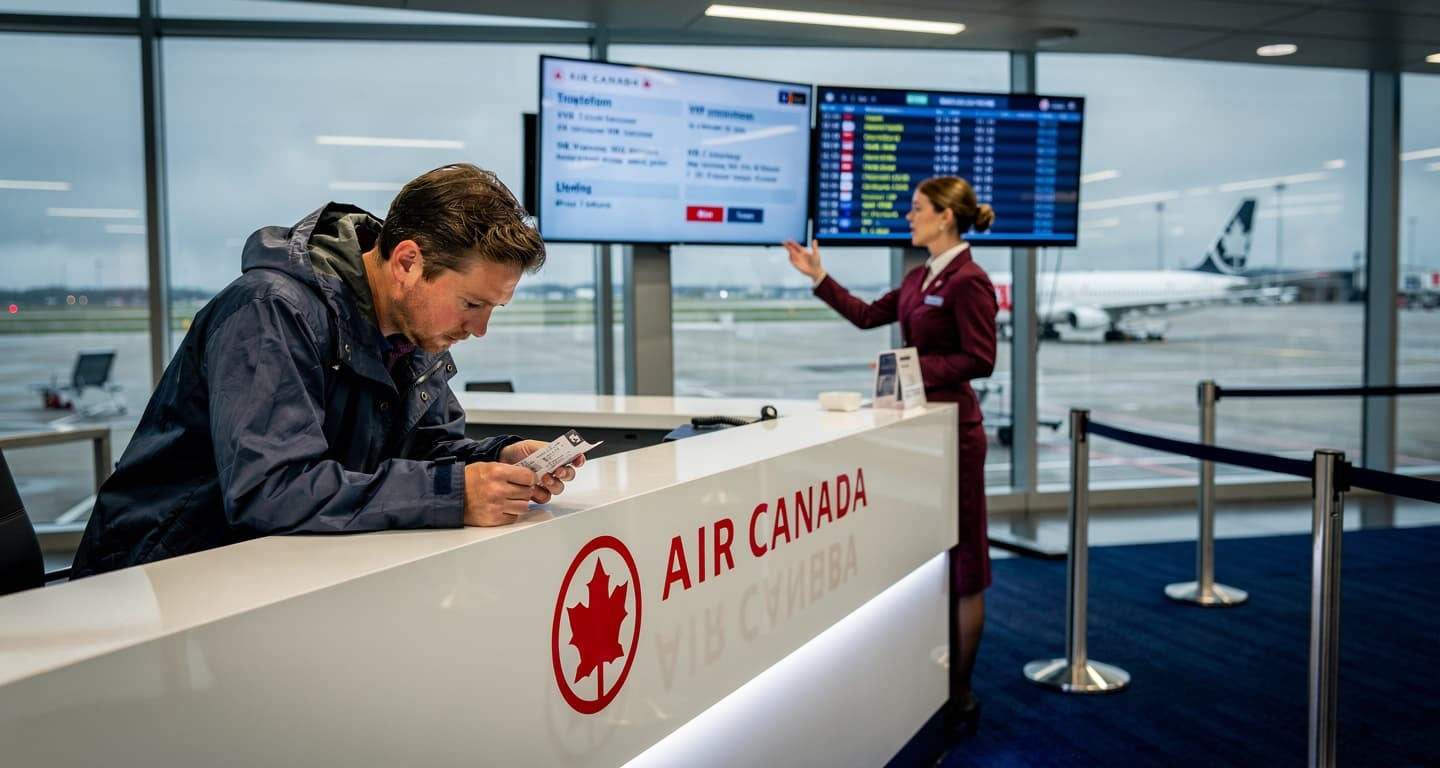
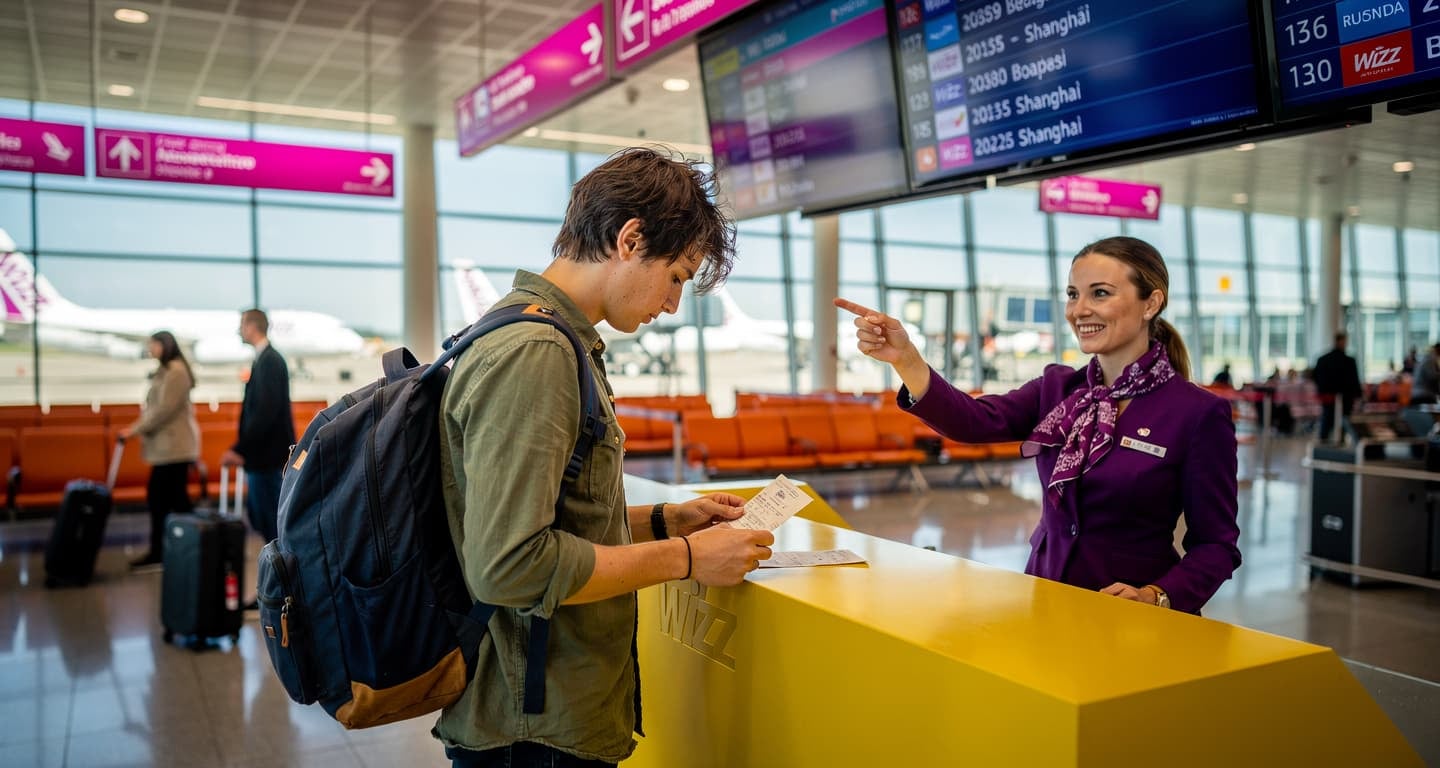
Wizz Air has warned it may cut capacity across its UK network — more than 100 routes operating from London Luton and Gatwick — citing record Air Passenger Duty rates and mounting operational costs. APD for economy passengers on short-haul European routes now stands at £15 per departure, and further inflation-linked increases are already legislated for future tax years. CEO József Váradi said the airline will act “rationally” if costs cannot be passed to passengers, leaving route cuts firmly on the table.
A parallel engine grounding crisis — Pratt & Whitney GTF failures limiting available aircraft — means Wizz has fewer jets to defend every market simultaneously. Leisure routes to Central and Eastern Europe from LTN and LGW are the most exposed.
Wizz Air has put the UK government on notice: keep raising aviation taxes and the airline will move aircraft elsewhere. Speaking alongside the carrier’s lower full-year earnings, CEO József Váradi said on June 11, 2026 that the airline is actively evaluating how record APD levels affect UK profitability — and that “nothing is ever engraved in stone” when it comes to its British network.
The warning covers more than 100 routes and two major bases. Luton and Gatwick together represent a substantial share of Wizz Air’s European capacity, and any reallocation of aircraft to lower-tax markets would directly reduce departure options for UK travelers heading to Central and Eastern Europe.
APD receipts hit £679 million in April–May 2025 alone — 7% higher year-on-year — confirming that both the rate and the collection are at record levels. The government has already legislated further inflation-linked increases for future tax years. Váradi’s verdict on the direction of UK policy was blunt: ministers are moving “directionally the wrong way.”
British Airways CEO Sean Doyle separately described the cumulative burden of APD, employer National Insurance contributions, environmental charges, and tourism taxes as “a penalty” on foreign visitors — a rare moment of alignment between a legacy carrier and a budget rival on a structural policy complaint.
What the APD numbers actually mean for a Wizz Air ticket
APD is not a fuel surcharge or an airline fee — it is a government excise tax charged on every passenger departing a UK airport, collected by the airline and passed directly to HMRC. At £15 per economy departure on Band A short-haul routes, a London–Budapest return trip carries £30 in APD alone before any airport charge, fuel levy, or base fare is added. On long-haul Band B and C sectors, economy passengers pay £88–£91 per departure. The full APD rate schedule is published by HM Government and updated ahead of each April change.
For a carrier like Wizz Air — where base fares on competitive European routes can sit below £30 — a £15 departure tax is not a rounding error. It is a structural cost floor that compresses margin on every seat sold, regardless of how efficiently the airline operates.
The UK government recently enacted the April 2026 APD increases, with further inflation-linked rises already scheduled for subsequent years. That forward trajectory is what is driving airline planning decisions now, not just the current rate.
| Band / Cabin | Current rate (per departure) | Direction | Traveler impact |
|---|---|---|---|
| Band A economy (Europe, short-haul) | £15 | Inflation-linked rises legislated for future years | £30 added to a return fare before any airline charge |
| Band B economy (long-haul, e.g. US, Caribbean) | £88 | Rising | £176 on a return — material for leisure budget |
| Band C economy (ultra long-haul) | £91 | Rising | £182 on a return; narrows gap vs. premium economy |
| Band A premium / business | £30 | Rising | Doubles the economy rate on same short-haul flight |
| APD receipts (Apr–May 2025) | £679 million | +7% year-on-year | Record collection confirms structural, not cyclical, rise |
Compounding the APD pressure: Wizz Air’s fleet is already constrained. Pratt & Whitney GTF engine durability problems have grounded a portion of its Airbus A320neo family aircraft, and that maintenance bottleneck is expected to stretch into the coming years as engines cycle through inspection and repair. With fewer serviceable jets than planned, the airline must prioritise its highest-margin markets — and the UK, with its rising tax floor, is increasingly difficult to defend against lower-cost alternatives in Central Europe.
This connects directly to a wider pattern of UK aviation capacity pressure. The UK government’s emergency relaxation of the 80% slot-use rules at Heathrow and Gatwick — covered in detail in ATC’s reporting on how airlines are cutting summer flights under the new slot consultation — shows that schedule consolidation is already happening across the London airport system, not just at Wizz Air.
Flight deals
most people never see
Our AI monitors 150+ airlines for pricing anomalies that traditional search engines miss. Air Traveler Club members save $650 per trip per person on average: see how it works.
Each deal saves 40–80% vs. regular fares:

Why the engine crisis makes the APD threat more credible
Airlines issue cost warnings regularly. Most are negotiating tactics — pressure on governments ahead of budget consultations. Wizz Air’s situation is different, because the APD complaint is layered on top of a genuine operational constraint that limits its ability to absorb losses.
When an airline has more aircraft than it needs, it can afford to run marginal routes at breakeven to maintain slot positions and brand presence. Wizz Air does not have that luxury right now. The GTF engine grounding means the carrier is already making hard choices about which markets get aircraft. Adding a rising tax burden to that calculus makes UK routes structurally less attractive compared to Central European bases where APD equivalents are lower or nonexistent.
Geopolitical risk adds a third layer. Wizz Air has explicitly flagged uncertainty around Iran and the potential closure of the Strait of Hormuz as a key variable for fuel costs and route planning — the airline suspended Tel Aviv and nearby routes in 2024, absorbing an estimated €50 million hit before gradually resuming services. A prolonged Hormuz disruption would push jet fuel prices higher and intensify pressure to favour shorter, fuel-efficient intra-Europe sectors over any eastward expansion. For the UK network, that means the incentive to defend marginal routes weakens further.
Wizz Air has hedged 84% of its summer fuel requirements at previously agreed prices, which limits immediate exposure — but that hedge expires, and the structural cost trajectory does not.
Steps to protect your Wizz Air booking now
Wizz Air has not announced specific route cuts — but the CEO has confirmed the airline is actively evaluating UK capacity, and the operational pressures are real. Travelers with existing bookings or plans involving LTN and LGW should act on the following now, not after an announcement.
- Verify your contact details immediately: Log into the Wizz Air app and the “Manage bookings” page and confirm your email and phone number are current. Cancellation and schedule-change notifications go to the contact on file — if that address is outdated, you may not receive them.
- Price-check alternatives before your booking window closes: For late 2026 travel from London, compare the same route on easyJet, Ryanair, and British Airways across all London airports. If the fare gap is small, a carrier with a larger UK base reduces your exposure to capacity cuts on your specific route.
- Hold off on non-refundable ground arrangements: If you are planning a new trip on a contested leisure route — particularly to Central or Eastern Europe from LTN or LGW — book fully refundable accommodation until flight schedules for your travel month have stabilised. A cancelled flight is manageable; a non-refundable hotel on top of it is not.
- Know your UK261 rights before you need them: If Wizz Air cancels your flight, you are entitled to a choice of full refund or re-routing, plus compensation of £220–£520 depending on route distance and notice given — unless the airline demonstrates extraordinary circumstances. Duty of care (meals, hotels for delays) also applies. The UK Civil Aviation Authority guidance at caa.co.uk sets out exact thresholds; read it before accepting any voucher offer.
- If you are already abroad on a Wizz Air return: Use the app or airport ticket desk immediately to request re-routing and keep all receipts for meals and accommodation — these are claimable under UK261 duty-of-care provisions.
Watch: Wizz Air’s next quarterly results and trading update — if management details specific aircraft reallocations away from the UK, concrete route cuts at LTN and LGW are imminent. If UK capacity is confirmed steady or growing, expect fare increases rather than widespread withdrawals. Also watch for the UK Treasury’s next APD rate announcement covering future tax years — if bands rise faster than inflation again, airlines are more likely to move marginal capacity out of the UK market.

Questions? Answers.
Which Wizz Air routes from the UK are most at risk of being cut?
Leisure routes to Central and Eastern Europe from London Luton and Gatwick are most exposed — particularly off-peak frequencies and smaller-city pairings where load factors are lower. Core city pairs like London–Budapest and London–Warsaw are more likely to survive in reduced form than to disappear entirely. Wizz Air has not published a specific list of routes under review.
What compensation am I entitled to if Wizz Air cancels my UK flight?
Under UK261, if Wizz Air cancels your flight you are entitled to a full refund or re-routing at the earliest opportunity. Compensation of £220 (short-haul under 1,500km), £350 (medium-haul 1,500–3,500km), or £520 (long-haul over 3,500km) applies unless the airline proves extraordinary circumstances — and the notice period affects eligibility. Duty of care (meals, hotel accommodation for overnight delays) applies regardless of the cancellation reason. Check caa.co.uk for exact thresholds before accepting any voucher.
Does APD apply to all flights departing the UK, including connecting flights?
APD applies to every passenger departing from a UK or Isle of Man airport, regardless of whether the flight is a direct service or the first leg of a connection. If you connect through a non-UK hub — say, flying Luton to Amsterdam and then Amsterdam to Bangkok — APD applies only to the Luton departure. Passengers transiting through UK airports without departing on a separate ticket do not pay APD twice.
Will other airlines fill the gap if Wizz Air cuts UK routes?
On the most competitive routes — London to Warsaw, Budapest, Bucharest — easyJet and Ryanair already operate and could absorb some demand, though not necessarily at the same fares. On thinner routes or those served only by Wizz Air, a withdrawal would likely mean reduced competition and higher prices rather than a like-for-like replacement. British Airways does not compete on most of Wizz Air’s Eastern European leisure routes.