Quick summary
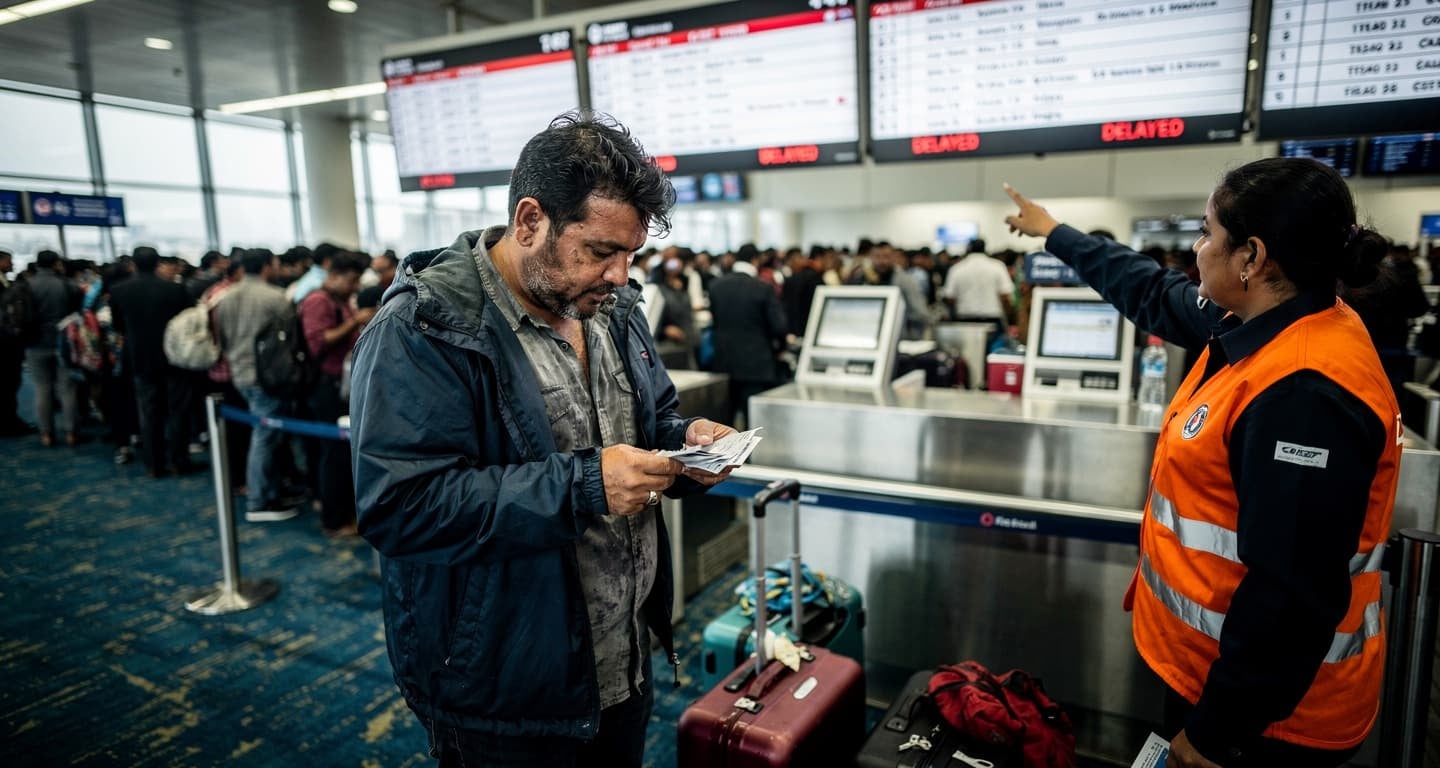
The UK government has announced contingency plans allowing airlines to cancel or merge flights weeks in advance — without losing their take-off and landing slots — if jet fuel shortages materialise this summer. The policy covers eight major UK airports including Heathrow, Gatwick, and Manchester, and requires airlines to give passengers at least 14 days’ notice of any changes. The trigger: closure of the Strait of Hormuz has disrupted the supply chain that normally delivers a significant portion of the UK’s jet fuel imports, and the International Energy Agency has warned Europe could face shortages by June 2026 if alternative sources are not secured at scale.
No shortage exists today — airlines are currently calm about summer delivery — but the government is building the legal framework now so carriers can act early rather than cancel at the gate. Travelers with UK summer bookings should verify their flight status this week, not next month.
The UK government moved on May 3, 2026 to give airlines a structured exit from summer schedules they may not be able to fuel. Under new contingency plans, carriers operating from Heathrow, Gatwick, Stansted, Manchester, Luton, London City, Birmingham, and Bristol can temporarily hand back slots without triggering the use-it-or-lose-it rule that normally strips an airline of its operating rights for the following season. The mechanism is designed to prevent a repeat of the chaotic last-minute cancellations that defined the post-pandemic summers of 2022 and 2023.
The underlying problem is the Strait of Hormuz. The UK imports approximately 65% of its jet fuel, with a substantial share historically flowing from the Middle East through that chokepoint. The Iran conflict has closed it. Alternative sourcing — US Gulf Coast refineries, North African suppliers, the UK’s own four remaining domestic refineries running at maximum capacity — can offset roughly 35% of lost Middle East supply, but scaling that takes four to six weeks minimum.
Airlines are publicly calm. Privately, the government is not waiting to find out whether that calm is justified.
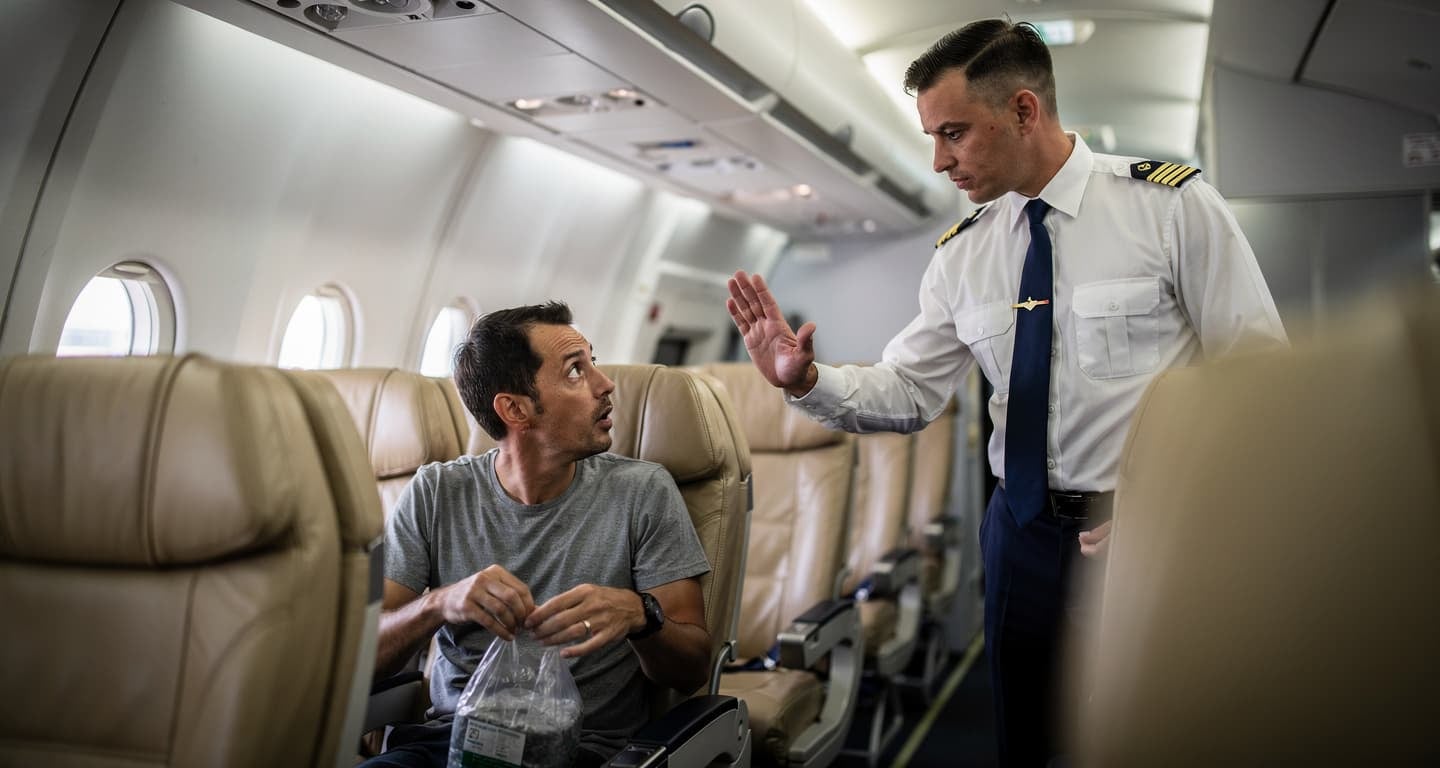
The new rules require carriers to give passengers a minimum of two weeks’ notice before cancelling or merging flights. A merged flight means your Gatwick-to-Nice booking might shift to a departure an hour earlier or later on the same day — inconvenient, but not stranded. Under UK261 (the post-Brexit equivalent of EU261/2004), advance notice of 14 or more days removes the airline’s compensation liability, though the right to rebooking on the same day or a full refund remains intact.
What the slot relaxation actually changes — and for whom
Slot rules at congested airports are among the most valuable assets in commercial aviation. An airline that fails to operate a slot at least 80% of the time in a given season loses the right to hold it the following year. That rule exists to prevent carriers from warehousing slots they don’t intend to use — but it also creates a perverse incentive to fly half-empty aircraft just to protect the slot, burning fuel the industry may not have this summer.
The new contingency framework breaks that incentive. Airlines can hand slots back temporarily, merge duplicate frequencies on the same route, and concentrate passengers onto fuller aircraft — all without the slot forfeiture penalty. The government is running a short consultation this week before the rules take effect. Full details of the contingency plans are available via The Independent’s reporting on the announcement.
Globally, airlines are already cancelling flights and adding surcharges due to the fuel crisis — jet fuel prices have roughly doubled since the Iran conflict escalated — which is precisely the pressure that prompted the UK to act now rather than in June. For travelers planning flights from Europe this summer, the UK is currently the most exposed market on the continent.
| Factor | Current status | Traveler impact |
|---|---|---|
| UK jet fuel import dependency | ~65% imported; significant Middle East share disrupted | Supply vulnerability through summer season |
| Slot relaxation policy | Contingency plans announced May 3, 2026; consultation underway | Airlines can cancel/merge flights without losing slots |
| Passenger notice requirement | Minimum 14 days before any cancellation or merger | No gate-day surprises; advance rebooking or refund rights apply |
| IEA shortage warning | Europe-wide shortages possible by June 2026 | Schedule cuts most likely June–July window |
| Alternative supply offset | US/domestic refineries can cover ~35% of lost Middle East volume | Partial buffer; 4–6 weeks to scale meaningfully |
| Airports covered | Heathrow, Gatwick, Stansted, Manchester, Luton, London City, Birmingham, Bristol | All major UK departure points affected |
Flight deals
most people never see
Our AI monitors 150+ airlines for pricing anomalies that traditional search engines miss. Air Traveler Club members save $650 per trip per person on average: see how it works.
Each deal saves 40–80% vs. regular fares:

Why advance cancellations are better — and what the industry knows that passengers don’t
The slot-relaxation mechanism is, in a narrow sense, good news for travelers. The alternative — airlines flying near-empty aircraft to protect slots, then cancelling at the last minute when fuel physically runs short — is far worse. An industry consultant with direct knowledge of airline fuel planning put it plainly: carriers typically don’t know six to eight weeks out exactly where their fuel is coming from. It’s assumed the supply chain delivers. That assumption is now under active review.
What the new rules enable is essentially triage with dignity. Airlines can identify low-load routes — a second daily frequency to a leisure destination, a thin business route — and consolidate passengers onto the remaining departure weeks before travel. Passengers get notice, get options, and retain legal protections. The alternative is a phone call the night before departure.
The UK’s domestic refining capacity has also shrunk — only four refineries remain after two recent closures, and they are already being asked to run at maximum output. Lower-grade jet fuel from US suppliers may also be approved as a temporary measure, which would expand the supply buffer but requires regulatory sign-off. The June–July 2026 window is where industry insiders see the highest cancellation risk; airlines are more confident about the next two to three months than about the winter schedule that follows.
Steps to protect your summer booking now
The 14-day notice requirement means the disruption window for UK summer flights opens in the coming weeks — acting now costs nothing; acting after a cancellation notice costs time and options.
- Confirm your booking status directly: Contact your airline by phone or official website — not social media — within 48 hours. Request written confirmation that your specific flight is not under review for cancellation or merger. British Airways customer service: 0344 493 0787; easyJet: +44 330 365 5000.
- Understand your rights before you need them: Under UK261, if your airline gives 14 or more days’ notice of cancellation, no cash compensation is owed — but you are entitled to rebooking on the same day or a full refund. Do not accept a credit note if a cash refund is available.
- Prioritise routes with multiple daily departures: Single-frequency routes are the most vulnerable to consolidation. If your destination has only one daily UK departure, check whether alternative carriers operate the same route before your rebooking window closes.
- Avoid non-refundable fares for new bookings: Book flexible or changeable fares for any new UK summer trip. The risk of schedule changes is real and the cost of flexibility is currently worth paying.
- Check alternatives before accepting a rebooking: Use Google Flights or Skyscanner to verify competing carriers on your route before accepting the airline’s offered alternative — you may find a better option the airline won’t volunteer.
Watch: The International Energy Agency’s next supply assessment, expected late May 2026, will be the clearest signal of whether alternative fuel flows are sufficient. If it confirms supply is secured, cancellation risk drops sharply. If it doesn’t, expect airlines to announce broader schedule cuts by early June. Also monitor UK government announcements on US fuel import volumes — if imports exceed 30% of UK supply by June, pressure on domestic and short-haul routes will begin to ease.
Questions? Answers.
Will my flight definitely be cancelled this summer?
Airlines are currently confident about delivering their planned summer schedules for the next two to three months. No shortage exists today. The contingency plans are a precautionary framework — they make advance cancellations possible if shortages materialise, not inevitable. The highest-risk window is June to July 2026, particularly for low-load routes and secondary frequencies.
Am I entitled to compensation if my UK flight is cancelled due to fuel shortages?
Under UK261, if your airline provides 14 or more days’ notice of cancellation, no cash compensation is owed. The fuel shortage would likely be classified as an extraordinary circumstance in any case, which further limits compensation claims. However, your right to rebooking on the same day or a full cash refund is unaffected — the airline cannot substitute a credit note without your agreement.
Which routes are most at risk of cancellation or merger?
Routes with only one daily frequency are the most vulnerable — there is no second service to absorb displaced passengers. Short-haul leisure routes (UK to Southern Europe) with multiple daily departures are the most likely candidates for consolidation, as airlines can merge two half-full flights into one full one. Long-haul routes are less likely to be cut because the fuel saving per passenger is lower relative to revenue.
Does this affect flights connecting through UK airports from North America or Asia-Pacific?
Directly, no — the slot relaxation rules apply to UK-originating or UK-departing services. But if your itinerary includes a UK connection, a cancelled or merged feeder flight could disrupt your onward journey. Travelers connecting through Heathrow or Gatwick should confirm both legs of their journey with the operating airline and identify alternative connection options in advance.
Should I book new UK summer flights now or wait?
Industry advice is to book now rather than wait. If capacity is trimmed, available seats will fill quickly and fares will rise. Book flexible or changeable fares to preserve options, prioritise airlines and routes with multiple daily frequencies, and avoid non-refundable tickets for the June–July window specifically.