Quick summary
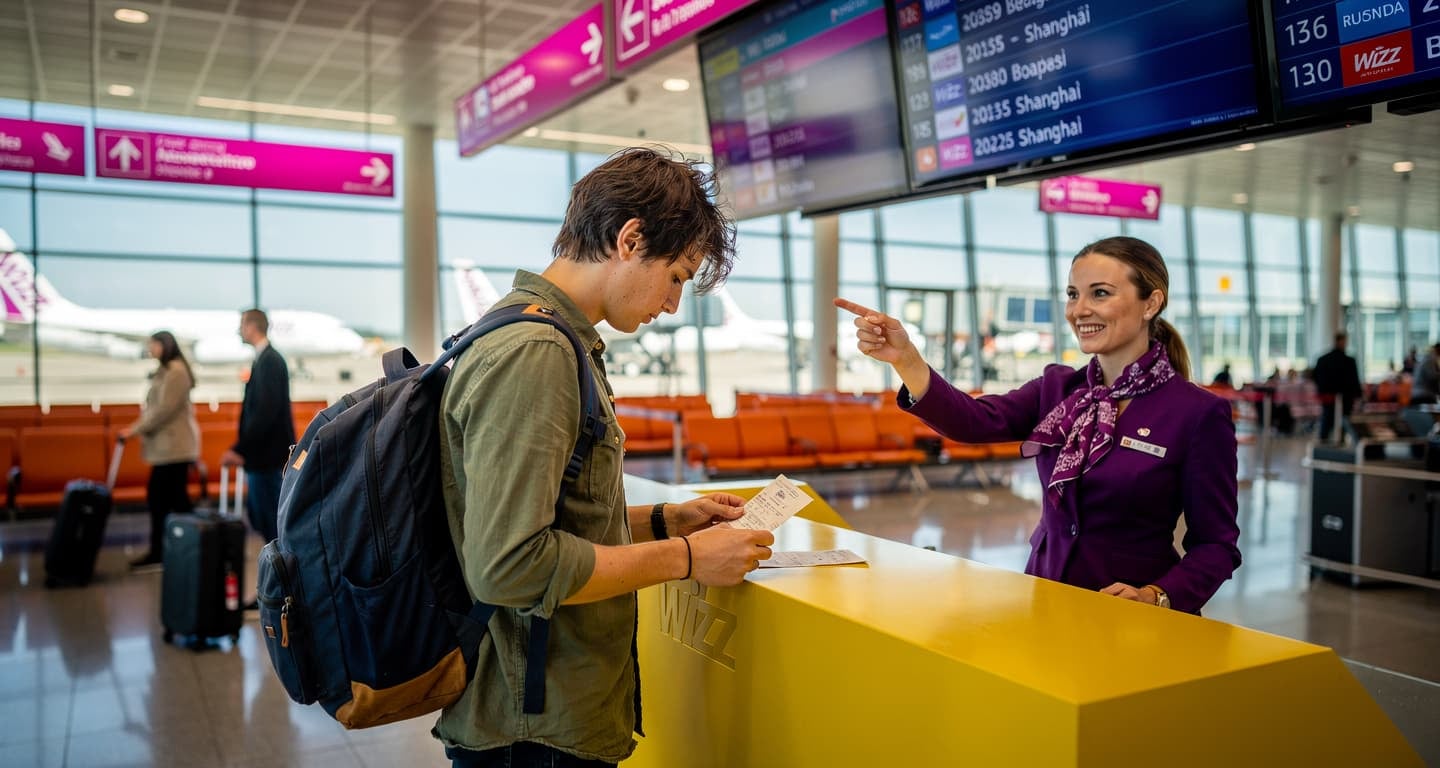
As of April 1, 2026, 4:13 PM UTC, 307 flights were cancelled and 2,797 flights delayed across Thailand, Japan, Hong Kong, China, Malaysia, and Türkiye, stranding thousands of passengers on Cathay Pacific, AirAsia, Malaysia Airlines, and Pegasus Airlines. Airspace closures in West Asia triggered cascading shutdowns at Gulf hubs (Dubai, Abu Dhabi), blocking transit routes and forcing Southeast Asian carriers to cancel connecting flights as aircraft were stranded.
Travelers with bookings for April 1–3 face immediate cancellations or delays exceeding 12 hours. Rebooking options are severely limited — alternative hubs are congested, and unaffected carriers are charging 40–60% fare premiums.
Military tensions between Iran and Israel forced airspace closures across West Asia early April 1, shutting down Dubai and Abu Dhabi hubs and triggering a regional collapse of connecting flights. Cathay Pacific, AirAsia, Malaysia Airlines, and Pegasus Airlines cancelled or delayed thousands of flights across Bangkok, Tokyo, Hong Kong, Kuala Lumpur, and Istanbul as aircraft were stranded and crew scheduling collapsed.
Passengers currently in transit or holding bookings for the next 48–72 hours must contact airlines directly — not via social media — to secure rebooking or refunds.
The disruption affects all travelers routing through affected hubs, including Umrah pilgrims, business travelers, and students. No consolidated passenger count is available, but Indian authorities report hundreds to thousands of Indian nationals stranded at Gulf airports, with onward connections to Southeast Asia and beyond now cancelled.
How the airspace closure triggered multi-hub collapse
West Asian airspace closures forced Gulf carriers to ground flights at Dubai and Abu Dhabi, blocking the primary transit corridor for passengers connecting from Europe, Africa, and South Asia to Southeast Asia. Cathay Pacific and Malaysia Airlines cancelled Bangkok and Kuala Lumpur services as aircraft scheduled to operate return legs were stranded in the Gulf. AirAsia cancelled high-frequency regional routes from Kuala Lumpur, while Pegasus Airlines suspended Istanbul–Bangkok and Istanbul–Kuala Lumpur services.
The cascading effect hit hardest at Bangkok’s Suvarnabhumi Airport, Tokyo’s Narita, and Hong Kong International, where connecting passengers faced 12–24 hour delays or outright cancellations. Airlines have not published official recovery timelines, and government aviation authorities in China (CAAC), Japan (JCAB), and Hong Kong (HKCAD) have not yet issued statements on airspace reopening or ATC recovery milestones.
For context, a similar multi-hub disruption in March 2026 required 48–72 hours for full recovery, with coordinated rebooking across multiple carriers and alternative routing through unaffected hubs like Singapore and secondary Bangkok terminals. Current reports suggest this event may follow a similar pattern, though the geographic scope is wider.
| Country | Cancellations | Delays | Primary carriers affected |
|---|---|---|---|
| Thailand | Data pending | Data pending | AirAsia, Cathay Pacific |
| Japan | Data pending | Data pending | Cathay Pacific, AirAsia |
| Hong Kong | Data pending | Data pending | Cathay Pacific |
| China | Data pending | Data pending | Cathay Pacific, Malaysia Airlines |
| Malaysia | Data pending | Data pending | AirAsia, Malaysia Airlines |
| Türkiye | Data pending | Data pending | Pegasus Airlines |
| Total | 307 | 2,797 | Multiple carriers |
Flight deals
most people never see
Our AI monitors 150+ airlines for pricing anomalies that traditional search engines miss. Air Traveler Club members save $650 per trip per person on average: see how it works.
Each deal saves 40–80% vs. regular fares:

Rebooking constraints and passenger rights
Airlines are obligated to rebook passengers on the next available flight or provide full refunds, but capacity constraints mean rebooking windows may extend 48–72 hours. Singapore Airlines, Thai Airways, and Japan Airlines operate parallel routes from unaffected hubs and may absorb some diverted traffic, though availability is limited given the scale of disruption.
For travelers departing EU airports, EU261/2004 applies — cancellations trigger €250–€600 compensation plus rebooking or refund rights. Airlines must provide written cancellation notice and rebooking options within 24 hours. US and Canadian travelers are entitled to rebooking on the next available flight or full refund under DOT and APPR rules, though no automatic compensation applies for extraordinary circumstances like airspace closures. Australian and New Zealand travelers are protected under Australian Consumer Law and CCCFA, which require airlines to rebook or refund.
When booking budget carriers like AirAsia via Kuala Lumpur, always ensure your itinerary is flagged as “Fly-Thru” — this guarantees your bags are checked through and protects you if the first flight is delayed. Booking separate tickets to save money is dangerous during disruptions like this: if you miss the connection, you lose the second ticket entirely.
What to do now
The disruption is active and recovery timelines are unknown — these steps must happen in sequence.
- Contact your airline directly (not via social media) within 2 hours if you hold a booking for April 1–3. Request rebooking on the next available flight or alternative carrier. If rebooking is unavailable, request a full refund or travel credit. Document all communications for compensation claims.
- If you are currently in transit (mid-flight or at a hub), proceed to the airline customer service desk immediately. Request hotel accommodation — airlines are obligated to provide this for overnight delays. Confirm your rebooking in writing before leaving the airport.
- If stranded at a Gulf hub, contact your embassy or consulate. Indian nationals should contact MEA helplines active in UAE, Qatar, and Saudi Arabia.
- If planning a new trip for April 2–7, book on Singapore Airlines, Thai Airways, or Japan Airlines — these carriers operate from unaffected hubs. Expect 40–60% fare premiums due to surge demand.
- Monitor official airline channels for recovery updates. Cathay Pacific, AirAsia, Malaysia Airlines, and Pegasus Airlines are expected to publish rebooking policies within 24 hours.
Watch: Official statements from CAAC (China), JCAB (Japan), and HKCAD (Hong Kong) expected within 24–48 hours. If they announce airspace reopening or ATC recovery milestones, expect cascading flight resumptions and rebooking windows to open. If no recovery timeline is announced by April 2, 2026, expect multi-day disruptions and potential airline-initiated refunds rather than rebooking.

Questions? Answers.
Am I entitled to compensation if my flight was cancelled due to airspace closures?
It depends on your departure region. EU passengers departing EU airports are entitled to €250–€600 compensation under EU261/2004, plus rebooking or refund rights. US and Canadian passengers are entitled to rebooking or refund but no automatic compensation for extraordinary circumstances. Australian and New Zealand passengers are protected under consumer law requiring rebooking or refund, with compensation depending on airline policy.
How long will it take to get rebooked on an alternative flight?
Airlines are obligated to rebook you on the next available flight, but capacity constraints mean rebooking windows may extend 48–72 hours. If you are currently in transit or hold a booking for April 1–3, contact your airline directly within 2 hours to secure priority rebooking. Alternative carriers like Singapore Airlines, Thai Airways, and Japan Airlines may have limited availability.
What should I do if I booked separate tickets on AirAsia and missed my connection?
If you booked separate tickets (e.g., Sydney–Kuala Lumpur on one PNR, Kuala Lumpur–Phnom Penh on another), you lose the second ticket entirely if you miss the connection. Always book AirAsia itineraries as “Fly-Thru” to protect your connection and ensure bags are checked through. If you are already stranded, contact AirAsia customer service immediately to request rebooking or refund under their disruption policy.