Quick summary
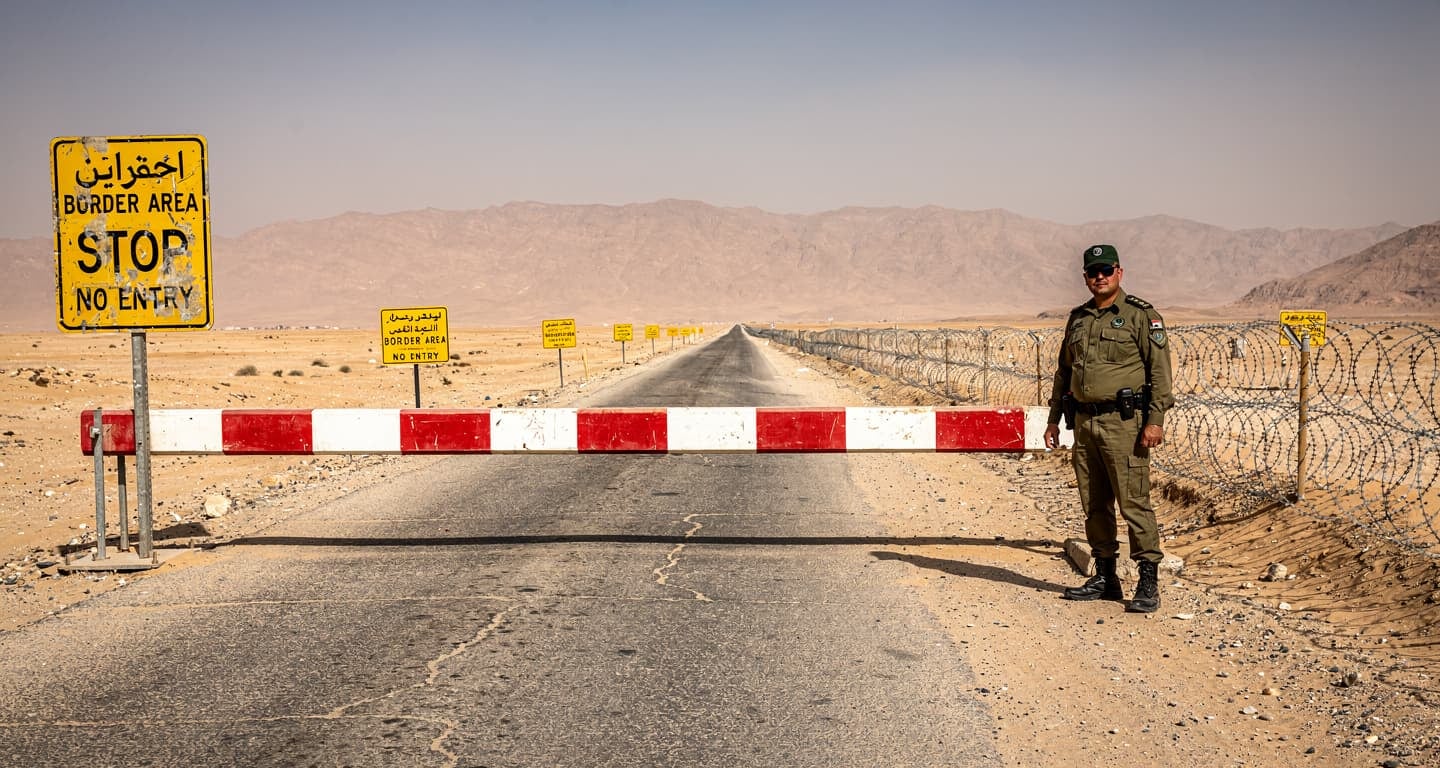
The UK Foreign, Commonwealth & Development Office updated its Jordan travel advisory on April 1, 2026, now advising against all but essential travel to most of the country—excluding a 3km zone near the Syrian border where all travel is banned. The change follows Iranian missile strikes on civilian infrastructure across the region, with debris falling in urban areas including Amman, plus sudden airspace closures at Queen Alia International Airport causing flight cancellations.
British nationals in Jordan face insurance invalidation if they remain without essential cause; travelers with imminent bookings may qualify for package holiday refunds under UK regulations. The advisory covers tourist destinations like Petra and Wadi Rum—”essential” means urgent family or business matters, not leisure.
Regional escalation has pushed Jordan into the UK’s second-highest travel warning tier. Iranian missile overflights—intercepted by Jordanian air defenses—have scattered debris across populated areas, creating unpredictable fallout risks even in zones far from conflict borders.
The FCDO cites “significant security risks” from regional instability and potential travel disruption. Amman’s Queen Alia International Airport remains operational but faces sudden closures, with 40% of flights reporting delays or cancellations in the past week.
British passport holders planning trips to Jordan—or currently in the country—must now justify travel as essential or risk voiding their insurance. US, Canadian, European, and Australian travelers connecting through Amman face cascading delays, with reroutes via Dubai or Doha adding $300–600 to round-trip costs.
What the advisory covers
The FCDO advisory applies to all Jordanian territory except the 3km Syrian border zone, where a total travel ban remains in force. This includes Amman, Petra, Wadi Rum, Aqaba, and the Dead Sea—destinations that account for 90% of UK tourist arrivals.
“All but essential” is not defined in the advisory text. The FCDO typically interprets essential as urgent family matters, critical business obligations, or humanitarian work. A pre-booked holiday does not qualify.
The update follows Iranian strikes on ports, hotels, and airports across the region, with missile debris documented in Amman’s residential districts. Jordan’s air defense systems intercept most projectiles, but fragments create ground-level hazards unpredictable in timing and location.
| Factor | Status | Impact |
|---|---|---|
| FCDO advisory level | All but essential | Insurance invalidation |
| Queen Alia Airport | Open with closures | 40% delays/cancellations |
| Airspace status | Intermittent closure | Sudden diversions |
| Missile debris risk | Active in urban zones | Shelter-in-place alerts |
| Package refund eligibility | Likely under 2018 Regs | Operator-dependent |
Jordanian airspace faces sudden closures with minimal notice. Royal Jordanian, British Airways, and Lufthansa have all diverted flights to Tel Aviv or Istanbul in the past 72 hours, with rebooking costs inflating by 20–50% for travelers forced onto alternative routings.
European travelers can review flight options to Jordan from Europe to assess current carrier schedules and routing alternatives, though the advisory makes new bookings inadvisable without essential justification.
Flight deals
most people never see
Our AI monitors 150+ airlines for pricing anomalies that traditional search engines miss. Air Traveler Club members save $650 per trip per person on average: see how it works.
Each deal saves 40–80% vs. regular fares:

How missile debris creates ground risk
Iranian missile overflights differ from direct attacks—the projectiles target Israel or US assets, but Jordan sits beneath the flight path. Interception by Jordanian or allied air defenses scatters debris across urban areas, creating hazards unrelated to the missiles’ intended targets.
Amman has documented missile debris in residential districts, commercial zones, and near Queen Alia Airport. Fragments fall without warning—air raid sirens indicate incoming missiles, not where debris will land.
This creates a risk profile distinct from conflict zones. Travelers are not in a war zone, but they are beneath an active missile corridor with unpredictable secondary effects.
The FCDO advises sheltering indoors or in stairwells with minimal windows when sirens sound. Avoid US or Israeli-linked sites, military facilities, and open areas during alerts. British nationals should monitor local media and the FCDO’s email alert system for real-time updates.
Protect your trip or exit safely
The advisory creates immediate insurance and refund implications—here is the priority order for protecting your position.
- Check your insurance: Contact your provider to confirm whether the policy covers travel against FCDO advice. Most standard policies exclude claims once an advisory is issued. If you proceed, document your essential justification in writing.
- Query package refunds: UK tour operators must offer refunds or rebooking when a government advisory constitutes a significant change. Cite the Package Travel Regulations 2018 and request written confirmation of your options within 48 hours.
- Monitor Queen Alia status: Use airline apps, Flightradar24, or the airport’s official Twitter feed for real-time closure updates. Airspace closures happen suddenly—arrive at the airport only after confirming your flight is operating.
- Prepare for shelter-in-place: If in Jordan, stock emergency supplies and identify the nearest interior room or stairwell in your accommodation. Respond immediately to air raid sirens—do not wait to assess the situation.
- Avoid high-risk sites: Stay away from US or Israeli-linked hotels, military facilities, and government buildings. Tourist sites like Petra are not explicitly banned, but the advisory covers them—travel at your own risk.
Watch: The FCDO updates advisories based on intelligence assessments, not fixed schedules. If regional escalation continues, Jordan could move to “all travel” banned—invalidating insurance retroactively and triggering mandatory evacuation for British nationals.

Questions? Answers.
Does this affect connecting flights through Amman?
The advisory does not ban transit, but 40% of flights at Queen Alia International have faced delays or cancellations in the past week due to airspace closures. Reroutes via Dubai or Doha add $300–600 to round-trip costs. If your itinerary includes an Amman connection, prioritize direct alternatives or hubs with stable airspace—Qatar Airways and Emirates both offer competitive Middle East routings without Jordan exposure.
Can I get travel insurance after the advisory was issued?
Yes, but standard policies will exclude Jordan coverage. Specialist high-risk insurers may cover travel despite the FCDO advisory if you declare the risks and provide essential justification. Premiums typically rise 25–50% compared to standard rates. Use comparison sites and explicitly state “high-risk Middle East” when requesting quotes—some providers will decline outright.
What counts as essential travel under this advisory?
The FCDO does not define essential in the advisory text, but typical interpretations include urgent family matters (serious illness, death), critical business obligations that cannot be conducted remotely, or humanitarian work. Pre-booked holidays, cultural tourism, and leisure travel do not qualify. If your insurer disputes a claim, you will need documented proof of essential cause—emails, medical records, or employer letters.
How does this compare to Israel or UAE advisories?
Jordan is now at “all but essential” travel—less severe than Israel, where the FCDO advises against all travel to most areas. The UAE sits at the same level as Jordan, with shelter-in-place protocols for missile alerts but no total travel ban. Jordan’s risk profile is distinct because it sits beneath an active missile corridor, creating debris hazards unrelated to the missiles’ intended targets.
If I’m a US or Canadian traveler, does this advisory apply to me?
No—the FCDO advisory only affects UK insurance and package holiday regulations. US travelers should check the State Department’s travel advisory for Jordan, currently at Level 2 (Exercise Increased Caution). Canadian travelers should consult Global Affairs Canada. However, the operational risks—airspace closures, missile debris, flight disruptions—affect all nationalities equally. Verify your own government’s advisory and confirm your insurance covers travel to Jordan under current conditions.