Quick summary
Turkish Airlines has become the primary alternative for Asia-Pacific travel after Qatar Airways suspended Doha operations on February 28, 2026, due to Qatari airspace closure linked to Middle East conflict. The carrier now serves 303 international destinations across 131 countries through Istanbul, offering high-frequency connections that replace severed Gulf hub routes — but surging demand risks capacity strain as the airline targets 7–9% growth through 2026.
Istanbul Airport handled a 15–20% traffic surge during the 2022 Russia-Ukraine airspace closures, a pattern now repeating. Turkish Airlines’ Q1 2026 earnings in May will reveal whether the carrier can sustain expansion without slot constraints or fare hikes.
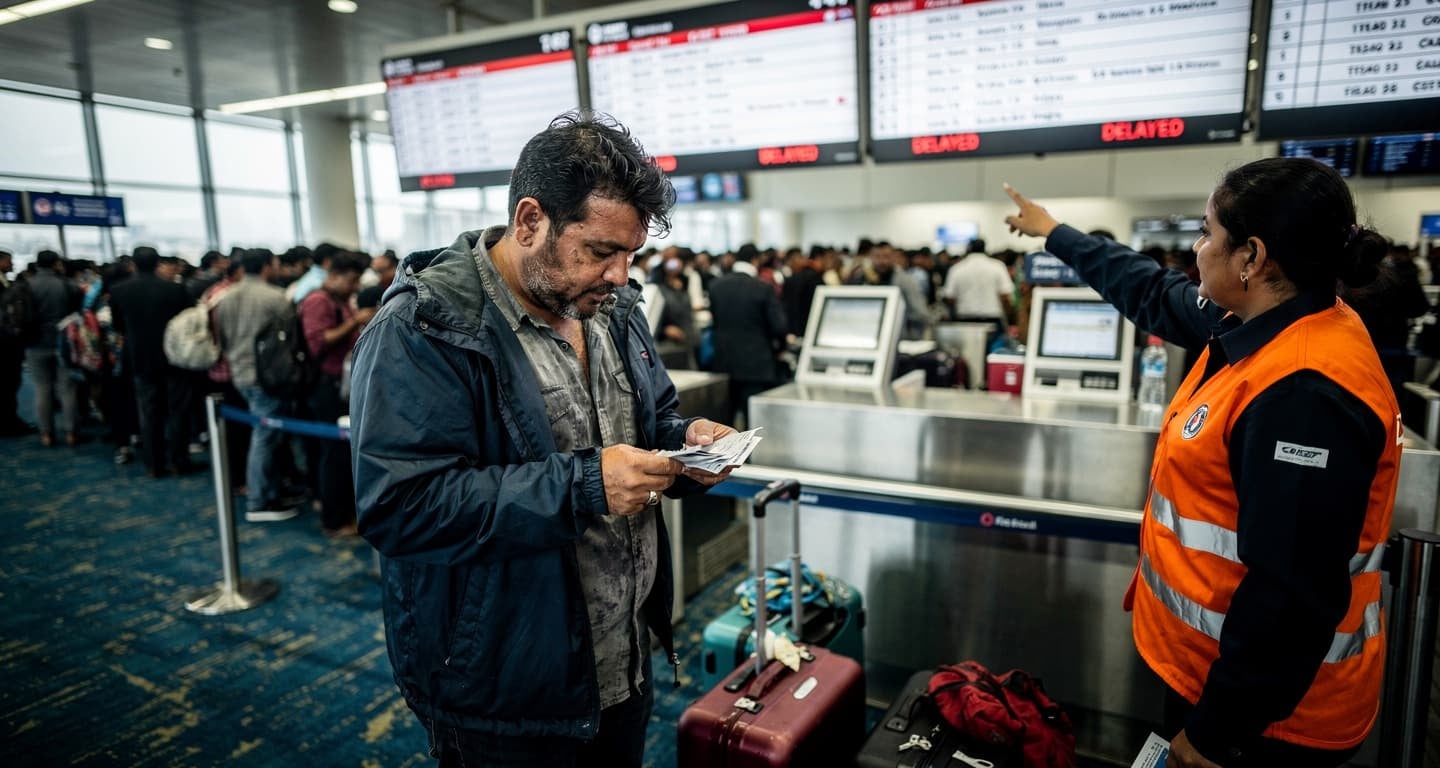
Gulf carriers like Qatar Airways and Emirates have halted or severely reduced operations through Doha and Dubai since late February, severing key connection points for travelers from North America, Europe, and Australasia to Asia-Pacific destinations. Turkish Airlines has absorbed much of that displaced traffic, positioning Istanbul as the primary transfer hub for intercontinental travel.
The shift happened fast. Qatar Airways suspended flights on February 28 when Qatari airspace closed amid escalating Iran-related regional tensions. Emirates reduced Dubai frequencies due to airspace constraints. Turkish Airlines responded by increasing capacity on Europe-Asia and transatlantic routes, leveraging Istanbul’s geographic position between continents.
For travelers, this means rerouting through Istanbul instead of Doha or Dubai — adding 2–4 hours to layovers but restoring connectivity that disappeared overnight.
How Turkish Airlines filled the gap
Turkish Airlines carried 92.6 million passengers in 2025 with revenue of $24.1 billion, and the carrier projects fleet expansion to 560–570 aircraft by the end of 2026. That growth trajectory positioned it to absorb demand when Gulf hubs went offline. The airline now operates 303 international destinations across 131 countries, the widest network of any carrier globally.
Istanbul Airport benefits from geography — it sits at the crossroads of Europe, Asia, and Africa, making it a natural alternative when Middle East airspace becomes inaccessible. During the 2022 Russia-Ukraine conflict, when Russian airspace closed to European carriers, Istanbul traffic surged 15–20% as airlines rerouted Asia-bound flights. Turkish Airlines added frequencies to offset demand and gained 5% market share in Europe-Asia origin-destination traffic by 2025.
The current disruption follows a similar pattern. Routes like London–Bangkok or New York–Singapore that previously connected via Doha now route through Istanbul. Turkish Airlines has increased frequencies on key Europe-Asia corridors to meet demand, though specific new routes like London Stansted remain unconfirmed in recent filings. Verified 2025 additions included Seville, Ohrid, Port Sudan, and Phnom Penh.
| Carrier | Hub status | Weekly Europe-Asia frequencies | Fleet size |
|---|---|---|---|
| Turkish Airlines | Operational | 140+ | 560–570 (projected 2026) |
| Qatar Airways | Suspended | 0 | Data pending |
| Emirates | Reduced | 50+ | Data pending |
Flight deals
most people never see
Our AI monitors 150+ airlines for pricing anomalies that traditional search engines miss. Air Traveler Club members save $650 per trip per person on average: see how it works.
Each deal saves 40–80% vs. regular fares:

What the Gulf disruption means for each region
The airspace closures affect travelers differently depending on departure region. North American passengers lose Doha and Dubai connection options for Asia-Pacific routes — flights like New York–Doha–Singapore or Los Angeles–Dubai–Bangkok are off the table. Turkish Airlines provides alternatives through Istanbul, with increased frequencies on routes like Chicago–Istanbul–Bangkok. Book directly through thy.com to secure seats before capacity tightens.
European travelers face similar disruptions. London–Doha–Tokyo or Paris–Dubai–Sydney connections are unavailable. High-frequency Istanbul options like London–Istanbul–Singapore or Frankfurt–Istanbul–Hong Kong fill the gap. AJet, Turkish Airlines’ low-cost subsidiary operating from Sabiha Gökçen Airport, supplements capacity on Middle East routes with 20% growth in Europe–Middle East frequencies.
For Australasian travelers, the impact is severe — Sydney–Doha–Los Angeles and Melbourne–Dubai–London routings are disrupted. Turkish Airlines operates Sydney–Istanbul–Los Angeles with Boeing 787 aircraft, though layovers extend by 3–4 hours compared to Gulf hub connections. If your existing booking routes through Doha or Dubai, contact your airline immediately for rebooking options. Airspace closures have reshaped Asia travel patterns before — this disruption follows the same playbook but with Middle East geography instead of Russian airspace.
What to do if your Gulf hub booking is affected
Airspace closures qualify as extraordinary circumstances under EU261 and UK261, meaning airlines are not required to pay compensation — but they must offer rebooking or refunds.
- Contact your airline immediately if your ticket routes through Doha or Dubai. Most carriers are proactively rebooking passengers via Istanbul or other hubs, but availability tightens daily as demand surges.
- Request Istanbul connections when rebooking. Turkish Airlines operates the widest network through Istanbul — 303 destinations across 131 countries — making it the most flexible alternative for Asia-Pacific travel.
- Check layover duration when accepting rebooking. If your Istanbul layover exceeds 20 hours, Turkish Airlines provides a free 4-star hotel for economy passengers (5-star for business class), including meals and transport — a $150–400 value that offsets extended connection times.
- Monitor fare differences if booking new tickets. US to Asia routes via Istanbul may price 10–15% higher than pre-disruption Gulf hub fares due to surging demand, though Air Traveler Club’s tracking occasionally flags temporary drops when Turkish Airlines releases promotional inventory.
Watch: Turkish Airlines’ Q1 2026 earnings release in May will reveal whether the carrier met its 7–9% capacity growth target despite operational strain — if growth falls short, expect fare increases and slot constraints at Istanbul through summer 2026.

Questions? Answers.
Are Gulf carriers resuming operations soon?
Qatar Airways suspended Doha operations on February 28, 2026, with no confirmed resumption date as of March 18. Emirates continues reduced Dubai frequencies but faces ongoing airspace constraints. Monitor airline websites for updates — resumption depends on regional airspace reopening, which remains tied to unresolved Middle East conflict dynamics.
Will Istanbul connections cost more than Gulf hub routes?
Fares via Istanbul currently price 10–15% higher than pre-disruption Gulf hub connections due to surging demand. Turkish Airlines occasionally releases promotional inventory that narrows the gap — Air Traveler Club’s tracking flags these temporary drops when they appear, typically lasting 3–7 days before selling out.
Can I claim compensation if my Gulf hub flight was cancelled?
Airspace closures qualify as extraordinary circumstances under EU261, UK261, and similar regulations — airlines must offer rebooking or refunds but are not required to pay cash compensation. US DOT mandates refunds for cancellations; Canadian APPR and Australian ACL provide similar protections but no automatic compensation for force majeure events.
What happens if Turkish Airlines runs out of capacity?
The carrier projects 7–9% capacity growth through 2026, expanding its fleet to 560–570 aircraft. If demand exceeds projections, expect fare increases and longer layovers as Istanbul slot constraints tighten. Q1 2026 earnings in May will signal whether the airline can sustain expansion — if growth falls short, alternative hubs like Frankfurt or Vienna may absorb overflow traffic.