Quick summary
Every foreign national entering Tajikistan’s Gorno-Badakhshan Autonomous Oblast—home to the Pamir Highway, Khorog, and Wakhan Corridor—must obtain a $20 GBAO permit in addition to their visa, applied for via evisa.tj with 2-3 business days processing. Four Western governments issue elevated warnings for the region: Australia and the US advise reconsidering travel, Canada recommends avoiding it entirely, and the UK advises against all travel except Khorog city.
The permit logistics are straightforward, but the security calculus is not. Advisory levels vary by sub-region and government, and most travel insurance policies exclude zones rated “reconsider” or higher—leaving travelers financially exposed to evacuation costs exceeding $50,000.
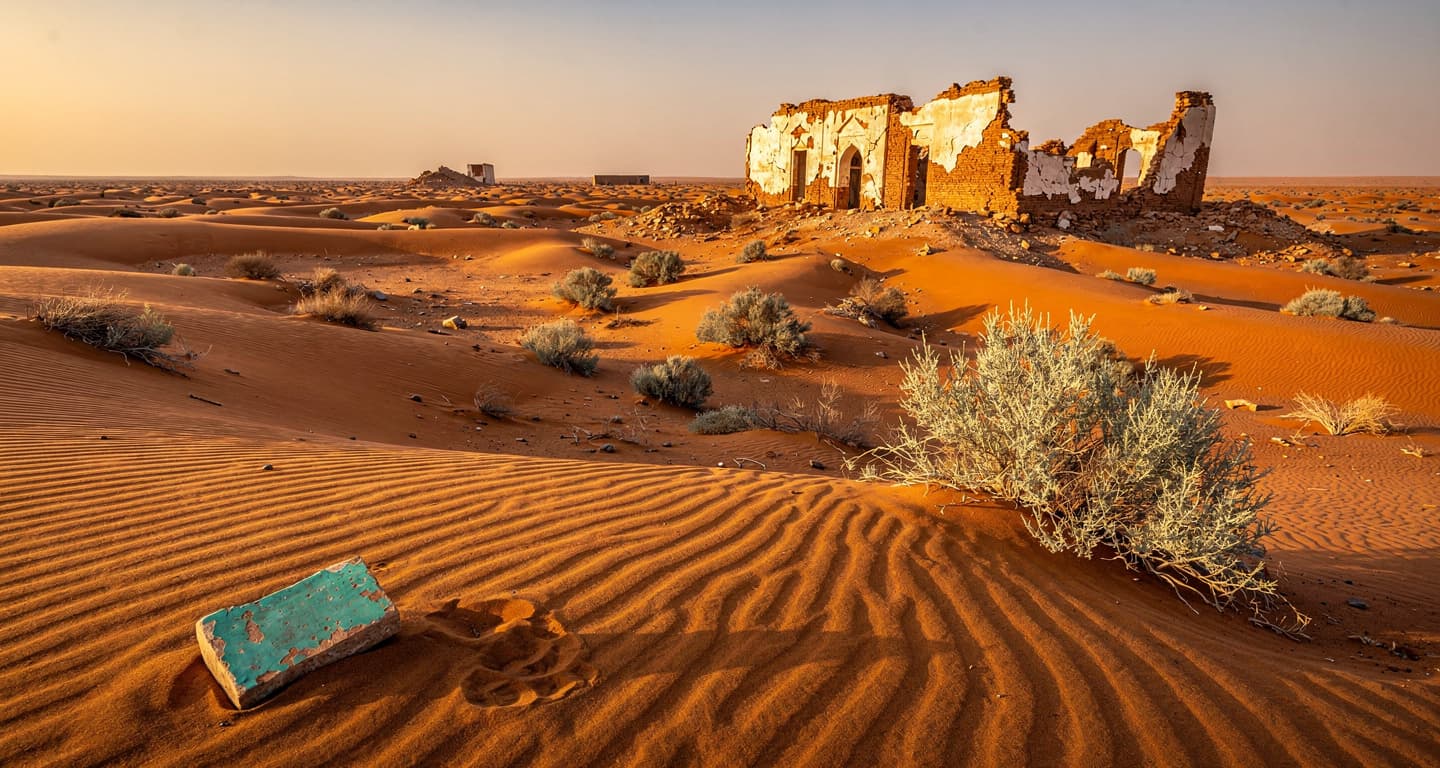
Tajikistan’s Pamir Highway ranks among Central Asia’s most spectacular road journeys—4,000-meter passes, turquoise lakes, and some of the most remote communities on Earth. It also sits inside a region where four Western governments warn against travel and checkpoints will turn you back without a $20 piece of paper.
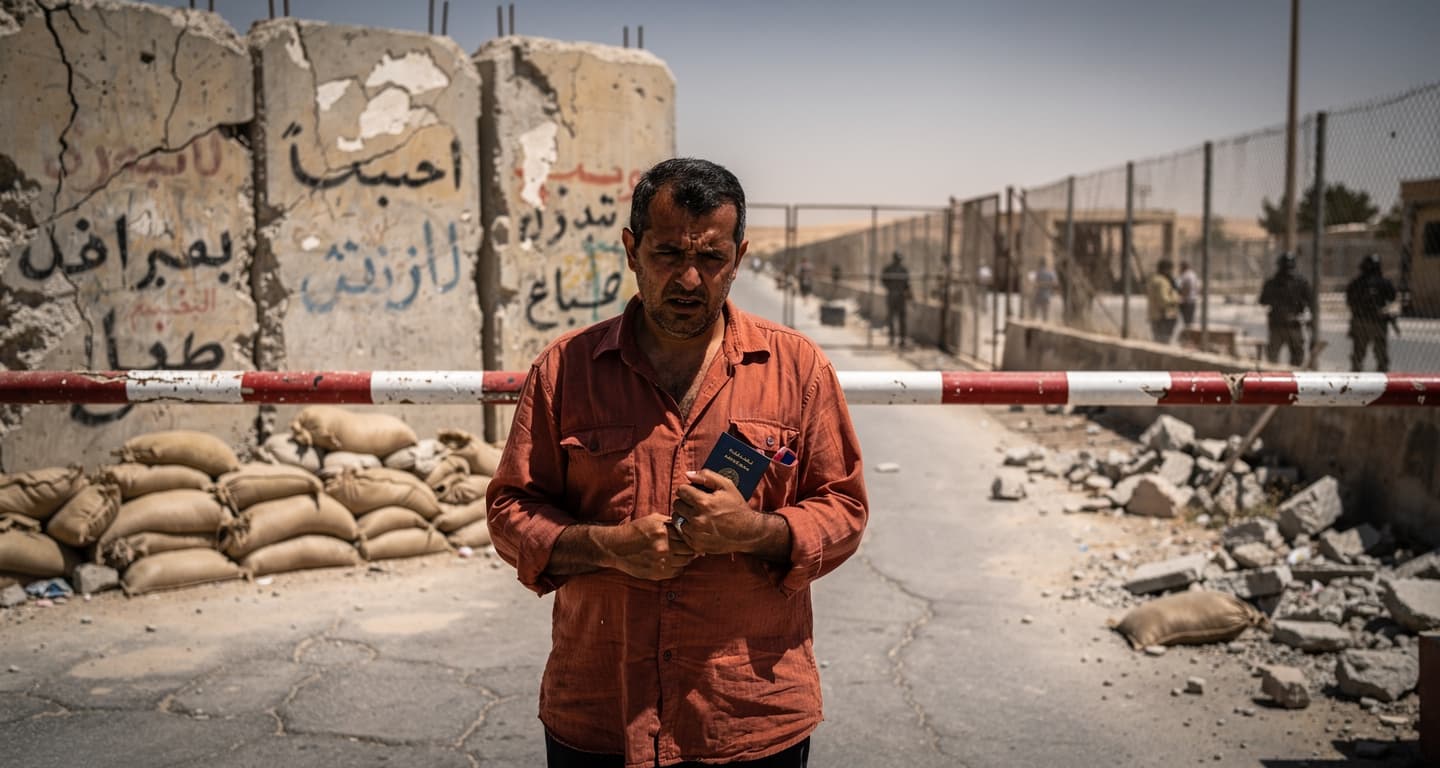
The Gorno-Badakhshan Autonomous Oblast requires a separate GBAO permit for all foreign nationals, regardless of visa type. This permit costs $20 USD, processes in 2-3 business days via Tajikistan’s official e-visa portal, and covers entry to the main Pamir Highway corridor including Khorog, Murghab, and the Wakhan Valley. Without it, enforcement is strict: checkpoints at Kalaikhumb and other entry points conduct digital scans and will fine, detain, or turn back travelers who lack documentation.
Air Traveler Club’s travel advisory monitoring system tracks government warnings across 190+ countries, flagging elevated risk zones like GBAO where permit requirements intersect with active security concerns. For travelers from Australia, New Zealand, the US, Canada, or the UK planning Central Asian itineraries in 2025-2026, the permit is the easy part—the harder question is whether the security environment justifies the trip.
The $20 permit that controls access to the Pamir
The simplest route to a GBAO permit is bundling it with your e-visa application at evisa.tj. During the standard e-visa process ($50 base fee), a checkbox adds GBAO access for $20, bringing the total to $70 USD. The combined document processes in 2-3 business days and grants access for up to 60 days, matching your visa validity.
Travelers entering Tajikistan visa-free or on a visa-on-arrival face a different path. They must either pre-arrange the GBAO permit through a local travel agent before arriving at border crossings like Kyzyl Art (from Kyrgyzstan) or Qolma (from China), or visit the OVIR office in Dushanbe after entry. The OVIR route takes 1-3 days, costs $20-30, and requires passport photos and a completed application form—a bureaucratic detour that delays your itinerary.
Checkpoint enforcement in 2026 remains strict. Officers at Kalaikhumb and the first GBAO entry points digitally verify permits. Travelers without valid documentation face fines, forced return to Dushanbe, or in some cases temporary detention. There is no “talk your way through” option.
How to cut fares to Asia by 40–80%
Our custom AI ✨ tracks pricing anomalies that traditional search engines miss.
Get the these deals in your inbox, for free:

What four governments actually say about GBAO
The security picture is more nuanced than a single “dangerous” label suggests. Advisory levels vary significantly by government and by sub-region within GBAO, creating a decision matrix rather than a binary go/no-go answer.
| Area | Australia | Canada | US | UK | Primary Risks |
|---|---|---|---|---|---|
| GBAO Overall | Reconsider | Avoid All | Reconsider (Level 3) | Against All (exc. Khorog) | Unrest, crime, checkpoints |
| Afghan Border (10km) | Do Not Travel | Avoid All | Do Not Travel | Against All | Landmines, terrorism |
| Khorog City | Reconsider | Avoid All | Reconsider | Advise Against (exception) | Lower kidnap risk |
| Pamir Highway | Reconsider | Avoid All | Reconsider | Against All | Altitude, remote checkpoints |
The Australian government’s Smartraveller advisory for Tajikistan draws the clearest distinction: “reconsider your need to travel” for GBAO broadly, escalating to “do not travel” for areas within 10 kilometers of the Afghan border due to active landmine fields and terrorism risk. New Zealand’s SafeTravel mirrors this framework closely.
Canada’s advisory is the most restrictive, recommending travelers avoid all travel to GBAO due to “regular criminality, civil unrest, and active conflict with armed groups.” The UK takes a middle path, advising against all GBAO travel except Khorog city—though even Khorog carries elevated kidnapping risk.
The insurance gap most travelers miss
Most standard travel insurance policies exclude coverage for regions rated “reconsider” or “avoid” by your home government. This means medical evacuation from GBAO—which can exceed $50,000 given the region’s remoteness and limited medical facilities—falls entirely on the traveler. Verify your policy’s conflict-zone exclusions before purchasing, and consider specialist adventure or expedition insurance if proceeding.
Edge cases that complicate the permit
The standard evisa.tj process covers most travelers, but several scenarios require additional planning:
- Border entry from Kyrgyzstan or China. Travelers crossing at Kyzyl Art or Qolma on visa-free arrangements cannot obtain the GBAO permit at the border. You must pre-arrange through a Tajik travel agent or risk being turned back—a costly mistake at 3,700 meters elevation.
- Lake Sarez and Zorkul Lake. These restricted areas require additional permits beyond the standard GBAO authorization. Standard evisa.tj applications do not cover them.
- Embassy visa holders without GBAO. If you obtained your Tajik visa at an embassy without requesting GBAO access, you must visit the OVIR office in Dushanbe. Processing takes 1-3 days and costs $20-30, with requirements varying by officer.
- Permit expiration. Your GBAO permit expires with your visa (maximum 60 days). Extensions require a new application—there is no renewal process within GBAO itself.
The strategic alternative: Kyrgyzstan’s Pamir views without the permit
For travelers whose risk tolerance doesn’t align with GBAO’s advisory levels, Kyrgyzstan’s Alay Valley offers comparable high-altitude Pamir scenery without special permits, landmine zones, or elevated government warnings. The region borders GBAO and shares the same mountain range, with views of Peak Lenin (7,134m) and access to yurt-stay communities.
Uzbekistan’s Ugam-Chatkal National Park provides another permit-free alternative for Central Asian mountain landscapes, though at lower elevations. Both destinations are accessible on routes where flight pricing to Central Asia has surged 30-60% since 2019, making fare optimization through deal monitoring particularly valuable for this region.
Questions? Answers.
Can I get the GBAO permit after arriving in Dushanbe on a visa-free entry?
Yes, through the OVIR office in Dushanbe. Processing takes 1-3 business days and costs $20-30 USD. Bring passport photos and a completed application form. However, this delays your itinerary—pre-arranging through a local agent is faster if entering via land borders.
Does the GBAO permit cover the entire Pamir Highway?
It covers the main corridor including Khorog, Murghab, and the Wakhan Valley. However, Lake Sarez and Zorkul Lake require additional restricted-area permits beyond the standard GBAO authorization. When applying through an embassy, specify all districts you plan to visit.
Do I still need a permit if I only visit Khorog city?
Yes. The GBAO permit is mandatory for all entry into the autonomous oblast, including Khorog. The UK’s advisory exception for Khorog is a risk assessment distinction, not a permit waiver—checkpoints enforce the requirement regardless of your destination within GBAO.
How strictly are GBAO checkpoints enforced?
Very strictly as of 2026. Officers at Kalaikhumb and other entry points conduct digital permit scans. Travelers without valid documentation face fines, forced return to Dushanbe, or temporary detention. There is no discretionary entry.
Will my travel insurance cover me in GBAO?
Most standard policies exclude regions where your home government advises “reconsider travel” or higher. Since all four major Western advisories rate GBAO at this level or above, standard coverage likely won’t apply to medical evacuation, civil unrest injuries, or trip disruption. Verify exclusions with your insurer and consider specialist expedition insurance.
Are there high-altitude alternatives that don’t require special permits?
Kyrgyzstan’s Alay Valley offers comparable Pamir mountain scenery—including views of 7,134-meter Peak Lenin—without special permits or elevated security warnings. Uzbekistan’s Ugam-Chatkal National Park provides mountain landscapes at lower elevations, also permit-free.