Quick summary
Somali referee Omar Abdulkadir Artan, the first Somali official ever appointed to a FIFA World Cup, was denied entry to the United States at Miami International Airport on June 9, 2026, after an 11-hour secondary screening by U.S. Customs and Border Protection. CBP cited “association with suspected members of terror organisations” as the basis for refusal, despite Artan holding a valid single-entry US visa and a diplomatic passport. FIFA has since confirmed it will pay Artan his full tournament fee, even though he will not officiate a single match.
A US government official confirmed Artan’s admissibility status “will not be changed at present.” The case exposes a gap that every accredited World Cup traveler — official, athlete, or support staff — needs to understand before boarding a flight to the US.
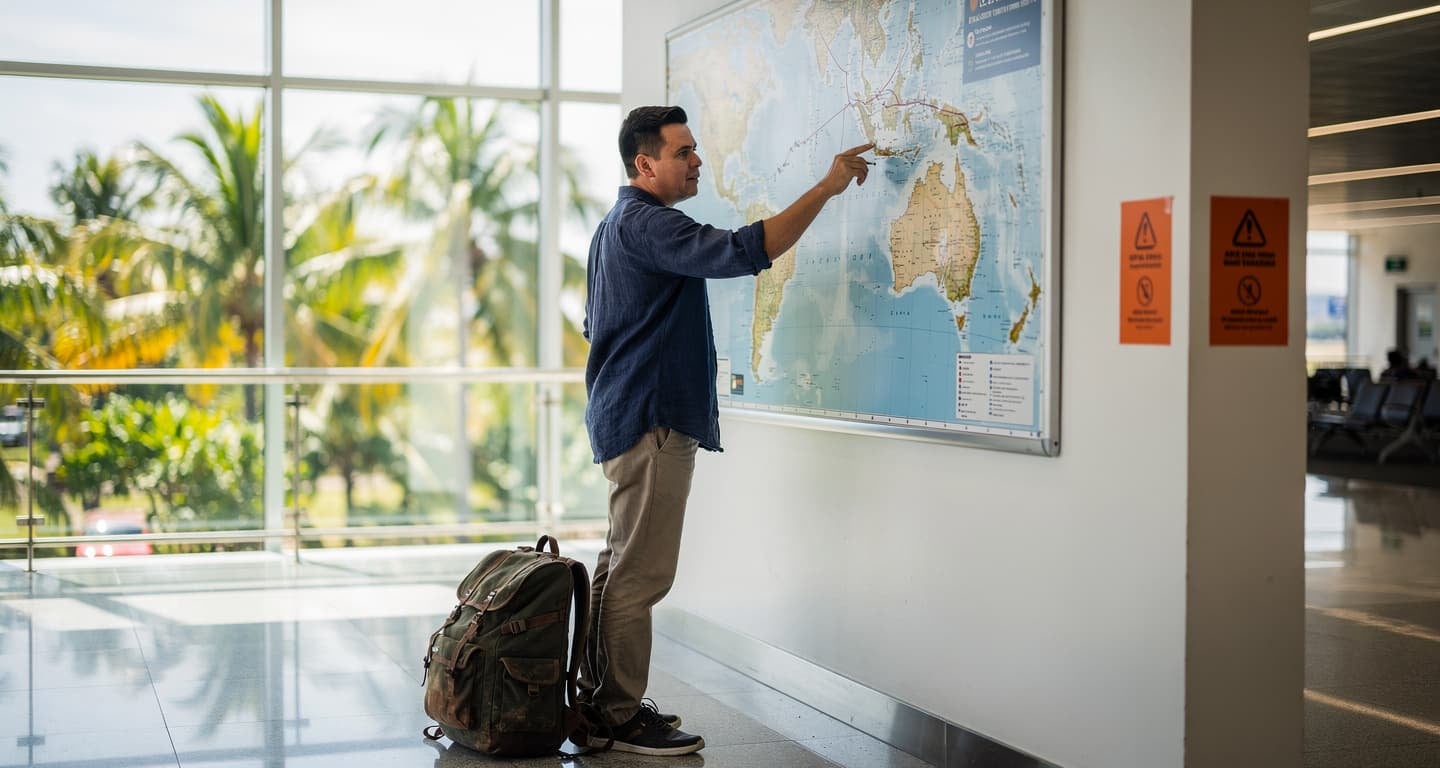
Omar Abdulkadir Artan flew to Miami carrying the right documents. He had a diplomatic passport. He had a valid US visa. He had FIFA accreditation for the biggest football tournament on the planet. None of it was enough.
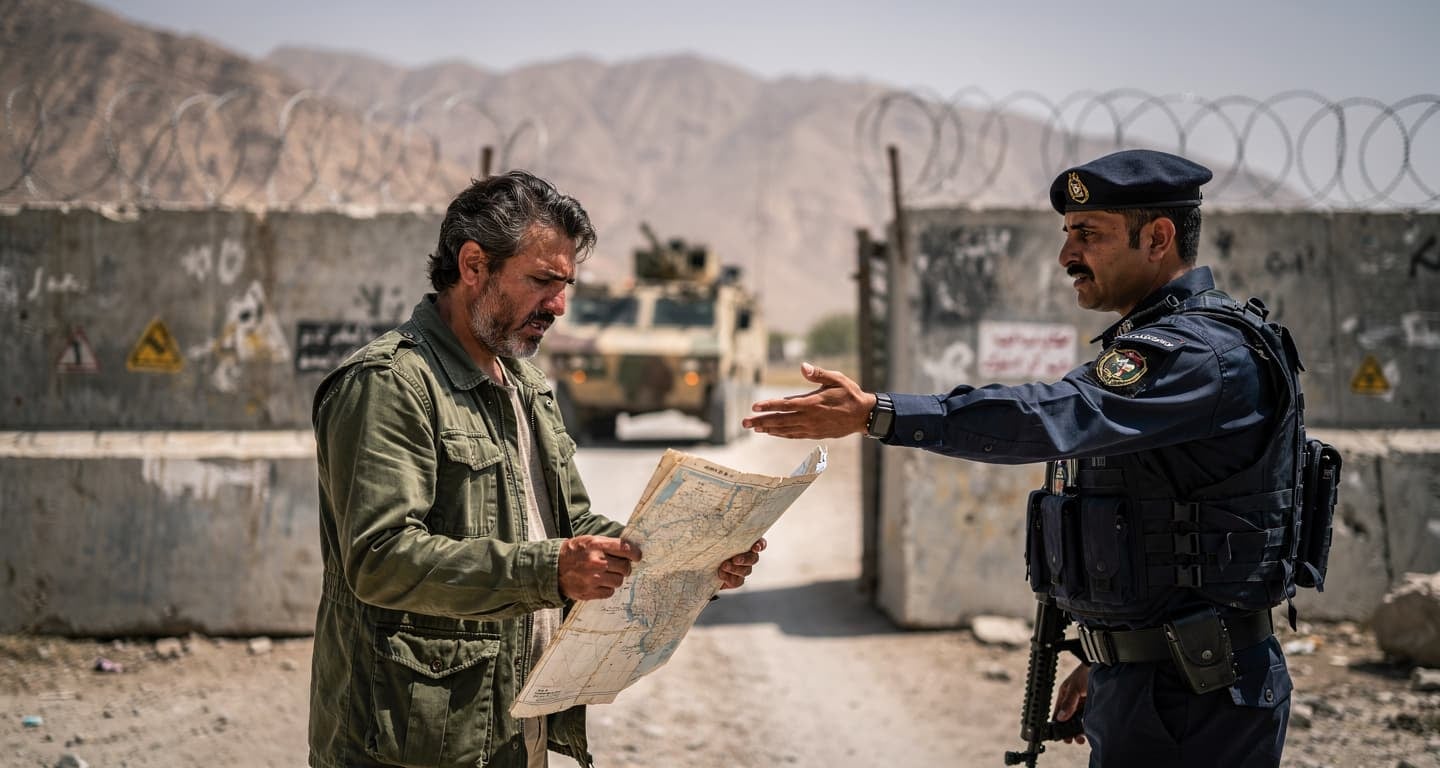
After landing at Miami International Airport, Artan was pulled into secondary screening and questioned for 11 hours by U.S. Customs and Border Protection officers. At the end of it, CBP told him he was inadmissible. A US government official later stated the reason: alleged “association with suspected members of terror organisations.” Artan, 34, denied any connection to Al-Shabaab or any militant group. He was placed on a flight to Turkey, received assistance from FIFA officials in Istanbul, and eventually returned to Mogadishu.
FIFA has confirmed it will pay Artan his full World Cup tournament fee — exact amount undisclosed, as payment is made after the competition concludes — despite him not officiating a single game. The governing body has no authority to override a US border decision, and the US government has made clear it has no intention of revisiting it.
For every accredited participant traveling to the 2026 World Cup from a country with elevated security scrutiny, this case is not an anomaly. It is a preview.
What CBP’s decision actually means for World Cup travelers
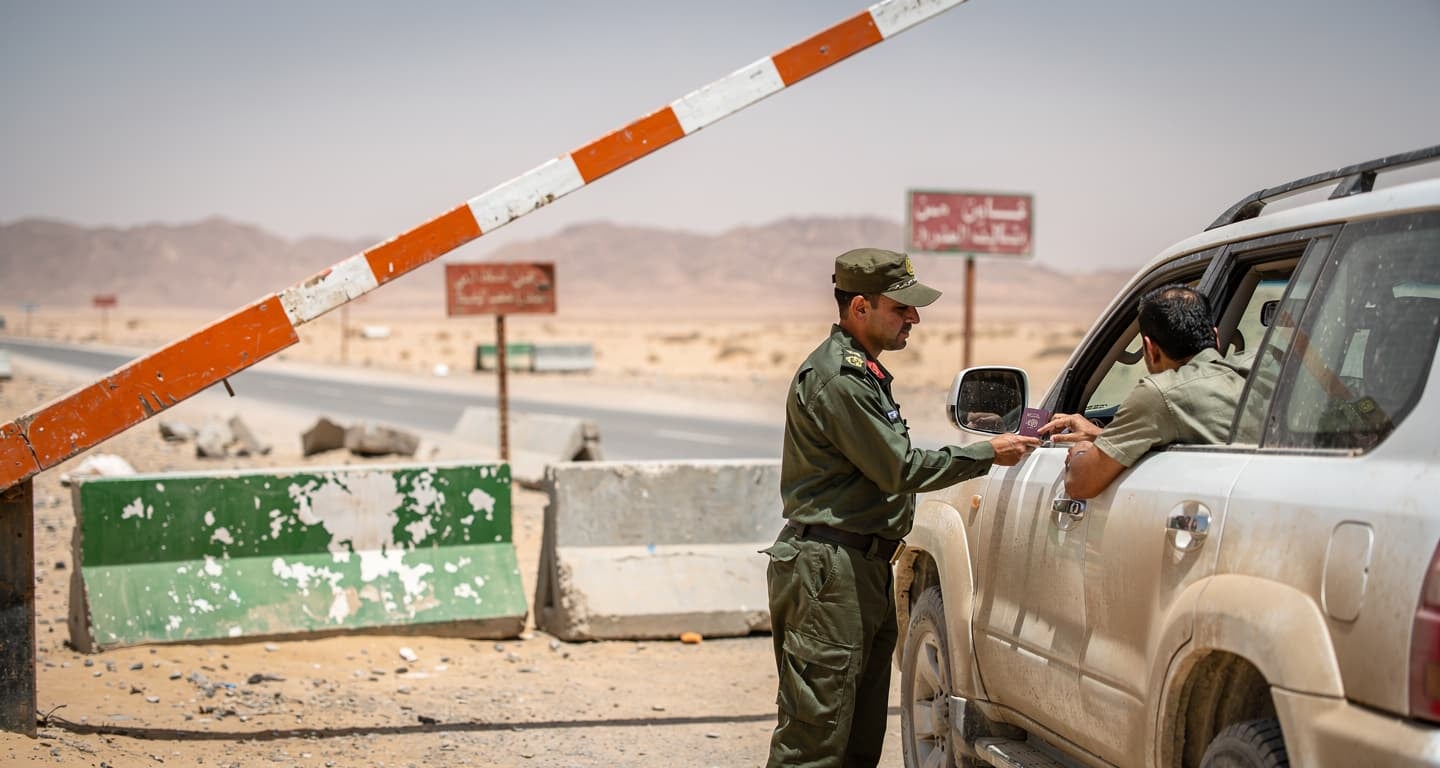
The legal mechanics here are straightforward, and that is precisely what makes them alarming. Under the Immigration and Nationality Act, a US visa issued by a consular officer is permission to travel to a port of entry — nothing more. The final admissibility decision belongs entirely to CBP officers on the ground. They can deny entry based on terrorism-related suspicions or associations, regardless of what any consular officer previously determined. FIFA, the FAA, and aviation regulators have zero jurisdiction over that call.
Artan’s case confirms the sequence: valid visa issued, traveler boards flight, arrives at port of entry, secondary screening triggered, inadmissibility finding made. The airline — in this case the carrier operating the transatlantic leg into Miami — is then legally required to transport the refused traveler out of the US. That is the end of the process from a border perspective. Official statements confirm his status will not be reconsidered.
| Event | Detail | Outcome |
|---|---|---|
| FIFA appointment | Artan selected as first-ever Somali World Cup referee | Valid US visa and diplomatic passport issued |
| Arrival at MIA | Secondary screening triggered on entry | 11-hour CBP questioning begins |
| Inadmissibility finding | CBP cites alleged terror association under Immigration and Nationality Act | Entry refused; Artan placed on flight to Turkey |
| US government statement | Official confirms status “will not be changed at present” | No pathway to reconsideration announced |
| FIFA response | Full tournament fee confirmed payable after competition | Artan compensated; does not officiate any match |
Flight deals
most people never see
Our AI monitors 150+ airlines for pricing anomalies that traditional search engines miss. Air Traveler Club members save $650 per trip per person on average: see how it works.
Each deal saves 40–80% vs. regular fares:

Why Somalia’s security context makes this a systemic issue, not an isolated one
The US maintains extensive counter-terrorism vetting infrastructure — watchlists, intelligence-sharing arrangements with allied governments, and real-time database checks at ports of entry — that feeds directly into CBP’s admissibility decisions. When a traveler is flagged for alleged association with a designated terrorist organisation, CBP can and does deny entry even when a consular officer has already issued a visa. Those are two separate processes, run by two separate parts of the US government, applying different evidentiary thresholds.
Somalia’s security environment has shaped Western vetting policy for years. The presence of Al-Shabaab means Somali nationals routinely face heightened scrutiny at US gateways, particularly high-volume international hubs like Miami. That scrutiny does not disappear because a traveler holds a diplomatic passport or a FIFA badge.
The practical consequence extends beyond this one case. Co-hosts Canada and Mexico apply different admissibility frameworks. Matches played at venues in those countries remain accessible to officials and participants who cannot clear US entry — a contingency that federations and national associations may need to build into their logistics from the start, not after a refusal has already happened.
Steps to take before and after a US entry refusal
CBP’s decision in Artan’s case is final for now, and the US government has signaled no review is coming — which means every accredited World Cup participant traveling from a higher-scrutiny jurisdiction needs a plan before they board, not after they land.
- Carry printed supporting documentation into secondary screening. If sent to secondary inspection at a US port of entry, present event accreditation, official invitation letters, and the organizing body’s emergency contact details. Request contact with your embassy or consulate immediately if you believe refusal is likely — consular contact information is published on your foreign ministry’s official site.
- Understand the difference between formal removal and withdrawal of application. If refused entry, ask CBP officers specifically whether you are being formally removed or permitted to withdraw your application for admission. The distinction has significant consequences for future US travel. Request a written record of the decision before you leave the port of entry.
- File through DHS TRIP after the fact. The Department of Homeland Security’s Traveler Redress Inquiry Program (DHS TRIP) allows travelers to contest possible watchlist errors or data issues that may have contributed to a refusal. File within days of the incident and engage a qualified US immigration attorney to assess whether the decision involved a formal inadmissibility finding.
- Coordinate contingency routing with your organizing body now. If you are traveling to a World Cup role from a jurisdiction with elevated US scrutiny, work with FIFA, your national federation, or your event liaison to identify whether your assignment can be fulfilled from a venue in Canada or Mexico if US entry fails. Confirm entry requirements for all three co-host countries with your airline and event organizer well before departure.
Watch: Any formal policy statement from the US Department of Homeland Security or CBP on admissibility procedures for accredited 2026 World Cup participants — expected during or shortly after the tournament. If it arrives, it signals potential clarification of vetting practices for future events. If it doesn’t, case-by-case decisions with limited transparency remain the default.

Questions? Answers.
Does a valid US visa guarantee entry at the border?
No. Under the Immigration and Nationality Act, a US visa issued by a consular officer grants permission to travel to a US port of entry — it does not guarantee admission. U.S. Customs and Border Protection officers at the port of entry make the final admissibility determination and can deny entry on security grounds even when a valid visa is held.
Can FIFA or the event organizer override a CBP entry refusal?
No. CBP’s admissibility decisions are made under US federal immigration law and are outside the jurisdiction of FIFA, national football federations, or any sports governing body. A US government official confirmed Artan’s status will not be changed, and no mechanism exists for an event organizer to compel CBP to reverse an inadmissibility finding.
Is there any compensation available for being denied entry to the US?
Standard air passenger rights regimes — including EU261/2004, US DOT rules, Canadian APPR, and Australian consumer law — do not apply to denial of entry at a border. These regulations cover flight disruptions caused by airlines, not immigration decisions made by a host government. Any reimbursement depends on the airline’s contract of carriage and internal policy, not statutory passenger rights.
What is DHS TRIP and when should a traveler use it?
The Traveler Redress Inquiry Program (DHS TRIP) is a formal channel through the US Department of Homeland Security that allows travelers to contest possible watchlist errors, data mismatches, or other issues that may have contributed to a border refusal or repeated screening. It should be filed as soon as possible after a refusal, ideally alongside consultation with a qualified US immigration attorney.