Quick summary
A passenger on a Ryanair flight from Malta to Naples crawled into an overhead bin and shouted “Napoli,” filming the stunt as a joke about avoiding the carrier’s baggage fees. The incident on April 18, 2026 highlights how Ryanair’s strict carry-on policy—charging €6–€20 for overhead bin access via Priority boarding—has trained passengers to view bin space as tightly monetized real estate. The airline reported €2.89 billion in ancillary revenue for Q3 FY2026, with baggage fees contributing 28% of that total.
Overhead bins are not designed for human occupancy, and crew removed the passenger without incident. Similar stunts have occurred on Ryanair flights in past years, but enforcement remains strict—gate agents scan for non-compliant bags pre-boarding, and passengers without Priority face €70 gate check fees.
Passenger climbs into overhead bin on Malta–Naples flight
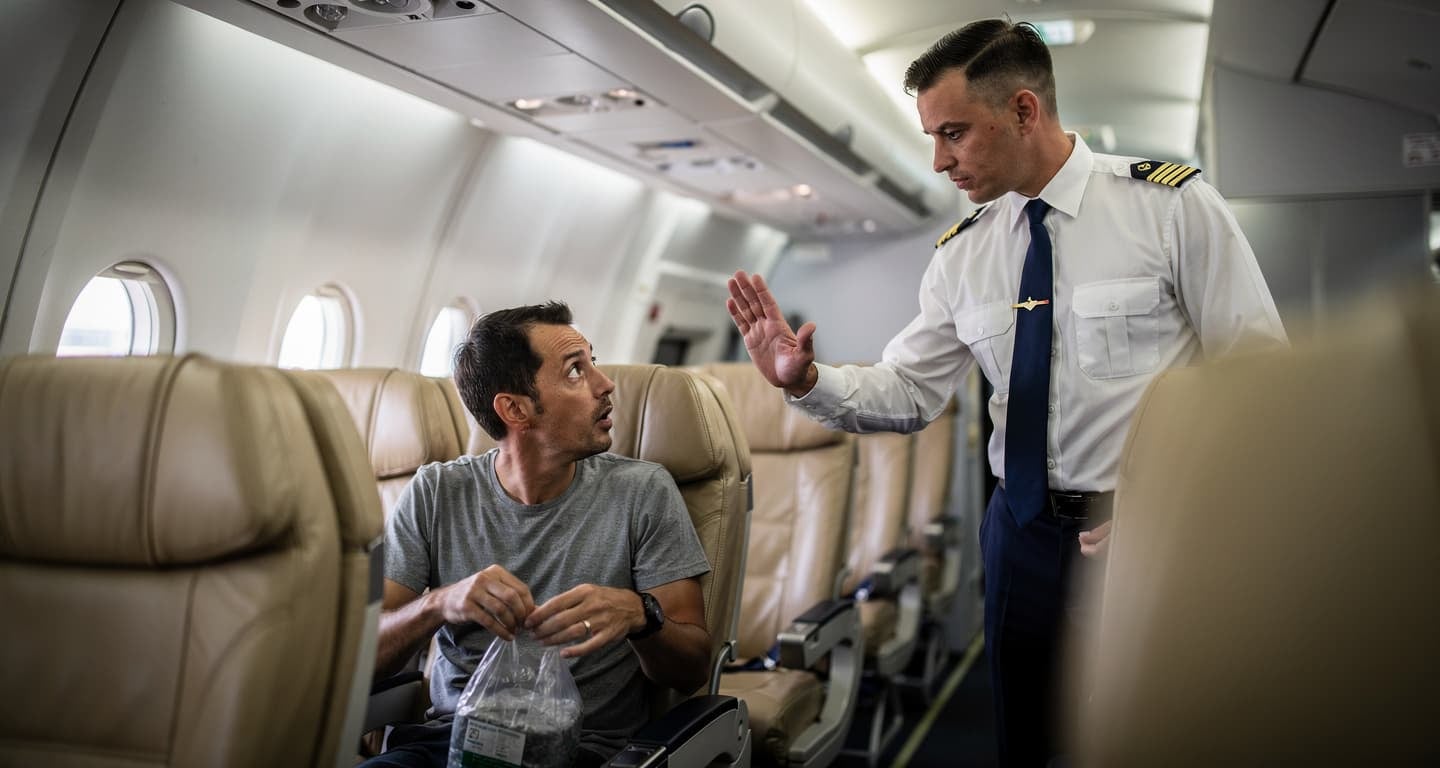
The passenger boarded Ryanair flight FR6405 from Malta International Airport to Naples Capodichino on April 18, filming himself climbing into the overhead bin and yelling “NAPOLI” as fellow passengers laughed. He captioned the video “How to not pay for the ticket for the return to Napoli… but they found me out,” framing the stunt as commentary on Ryanair’s baggage fee structure. Crew removed him from the bin before departure, and the flight proceeded without delay.
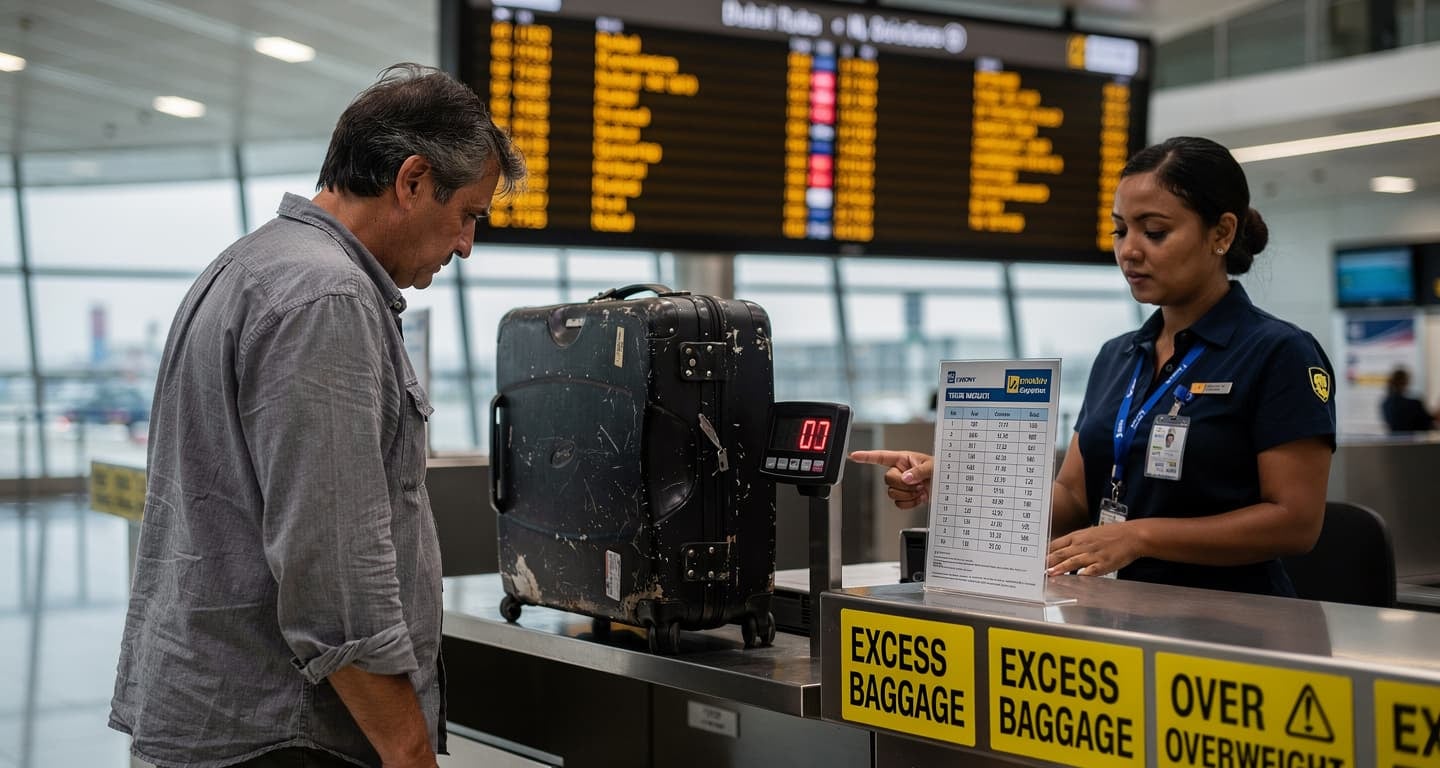
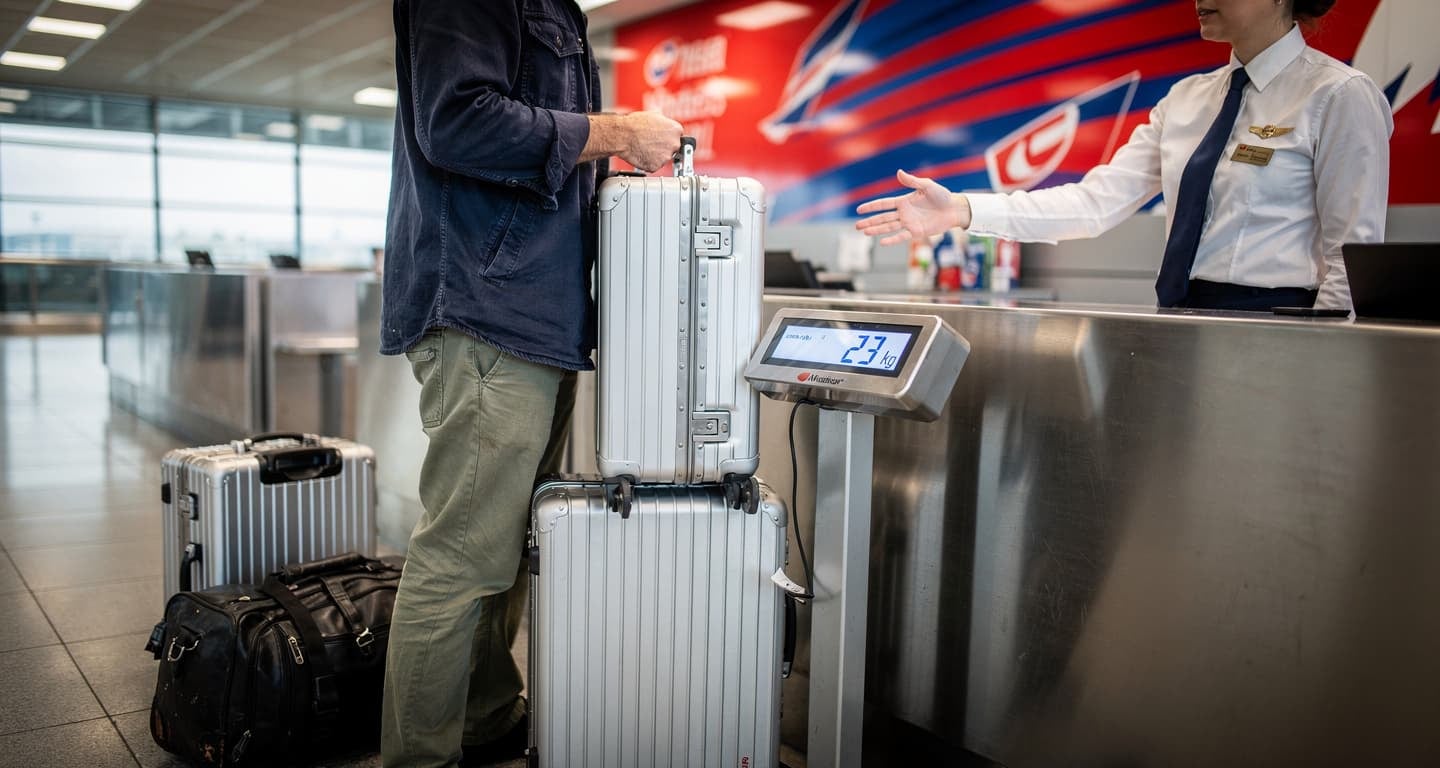
Ryanair’s carry-on policy allows one small personal bag measuring 40x20x25cm under the seat at no charge. Overhead bin access requires either Priority boarding (€6–€20 when added online) or a 10kg check-in bag (€19.99–€49.99). The Malta–Naples route operates four times weekly using Boeing 737-800 aircraft, with a flight time of approximately 55 minutes.
The airline’s ancillary revenue model has made baggage fees a significant profit driver. Regulatory filings show Q3 FY2026 ancillary revenue reached €2.89 billion, up 17% year-over-year, with baggage fees contributing 28% of total ancillaries. Ryanair carried 189 million passengers in FY2025, and its load factors consistently exceed 95%—meaning every centimeter of overhead space carries revenue implications.
| Bag type | Dimensions | Fee (online) | Gate fee |
|---|---|---|---|
| Small personal bag | 40x20x25cm | Free | N/A |
| Priority + overhead bag | 55x40x20cm | €6–€20 | €70 |
| 10kg check-in bag | 55x40x20cm | €19.99–€49.99 | €70 |
Flight deals
most people never see
Our AI monitors 150+ airlines for pricing anomalies that traditional search engines miss. Air Traveler Club members save $650 per trip per person on average: see how it works.
Each deal saves 40–80% vs. regular fares:

Why overhead bins have become revenue battlegrounds
Past incidents underscore recurring misuse amid tight baggage rules. In July 2023, a Ryanair passenger to Ibiza was found sleeping in an overhead bin on a Boeing 737, removed laughing after crew intervention—no fines were reported, but the case highlighted policy enforcement challenges. Another 2019 case involved a Southwest Airlines flight attendant demonstrating bin access as a boarding joke, though crew members are now prohibited from such stunts.
The Malta–Naples route exemplifies Ryanair’s short-haul economics. Economy one-way fares currently sit at €19.99, down 43% from the 90-day average of €35. From major EU hubs like Milan Bergamo to Naples, fares drop to €14.99—48% below typical pricing. These ultra-low base fares depend on ancillary revenue to remain profitable, with baggage fees serving as the primary upsell.
Competitors take different approaches. easyJet operates the Malta–Naples route three times weekly using Airbus A319 aircraft, allowing free small carry-ons under the seat. Wizz Air offers lower fares via connections but uses longer routings with A320neo aircraft. Ryanair’s model—strict enforcement paired with aggressive base fare discounting—has proven more profitable, though it generates passenger friction.
What to do if flying Ryanair short-haul
Overhead bin enforcement on Malta–Naples and similar EU routes remains strict, with gate agents scanning bags before boarding and charging €70 for non-compliant carry-ons.
- Verify bag compliance: Check dimensions at Ryanair’s bag rules page before booking. Small personal bags must fit 40x20x25cm template at gate.
- Add Priority online: €6–€20 when purchased with booking vs. €70 at gate. Priority also includes priority boarding and overhead bin access for 55x40x20cm bag.
- Monitor live schedules: Naples Capodichino experiences peak congestion 18:00–20:00, occasionally delaying Malta departures. Check live FR6405 tracking for real-time updates.
- Report policy disputes: EU departures qualify for EU261 compensation (€250–€600) for delays over three hours. Baggage disputes fall under Montreal Convention—report via Ryanair app within seven days.
Watch: Ryanair FY2026 Q4 earnings in May 2026—if baggage ancillaries exceed 30% of total revenue, expect stricter bin enforcement and potential €2–5 fee hikes across EU short-haul routes.
Questions? Answers.
Can passengers legally sit in overhead bins during flight?
No. Overhead bins are designed for luggage storage only and are not certified for human occupancy. Attempting to occupy a bin violates aviation safety regulations and can result in removal from the flight, fines, or—in cases involving disruptive behavior—criminal charges. A recent case saw a passenger jailed for 10 months after refusing to follow crew commands on a Ryanair flight.
What happens if I don’t pay for Priority and my bag doesn’t fit under the seat?
Gate agents scan bags before boarding. Non-compliant bags are checked at the gate for €70—significantly higher than the €6–€20 Priority fee when added online. The fee applies even if overhead bins have space, as Ryanair enforces strict size limits for non-Priority passengers.
How does Ryanair’s baggage policy compare to other EU budget carriers?
Ryanair allows one small personal bag (40x20x25cm) free, with overhead access requiring Priority or check-in fees. easyJet allows free small carry-ons under the seat with no size restrictions. Wizz Air charges for all carry-ons except a 40x30x20cm personal item. Ryanair’s model generates higher ancillary revenue but faces more passenger friction.
Are Ryanair’s baggage fees likely to increase?
If Q4 FY2026 earnings (due May 2026) show baggage ancillaries exceeding 30% of total revenue, analysts expect €2–5 Priority fee hikes on high-demand routes. Ryanair uses dynamic pricing tied to load factors, meaning fees fluctuate based on demand—peak travel periods already see Priority fees at the €20 upper range.