Quick summary
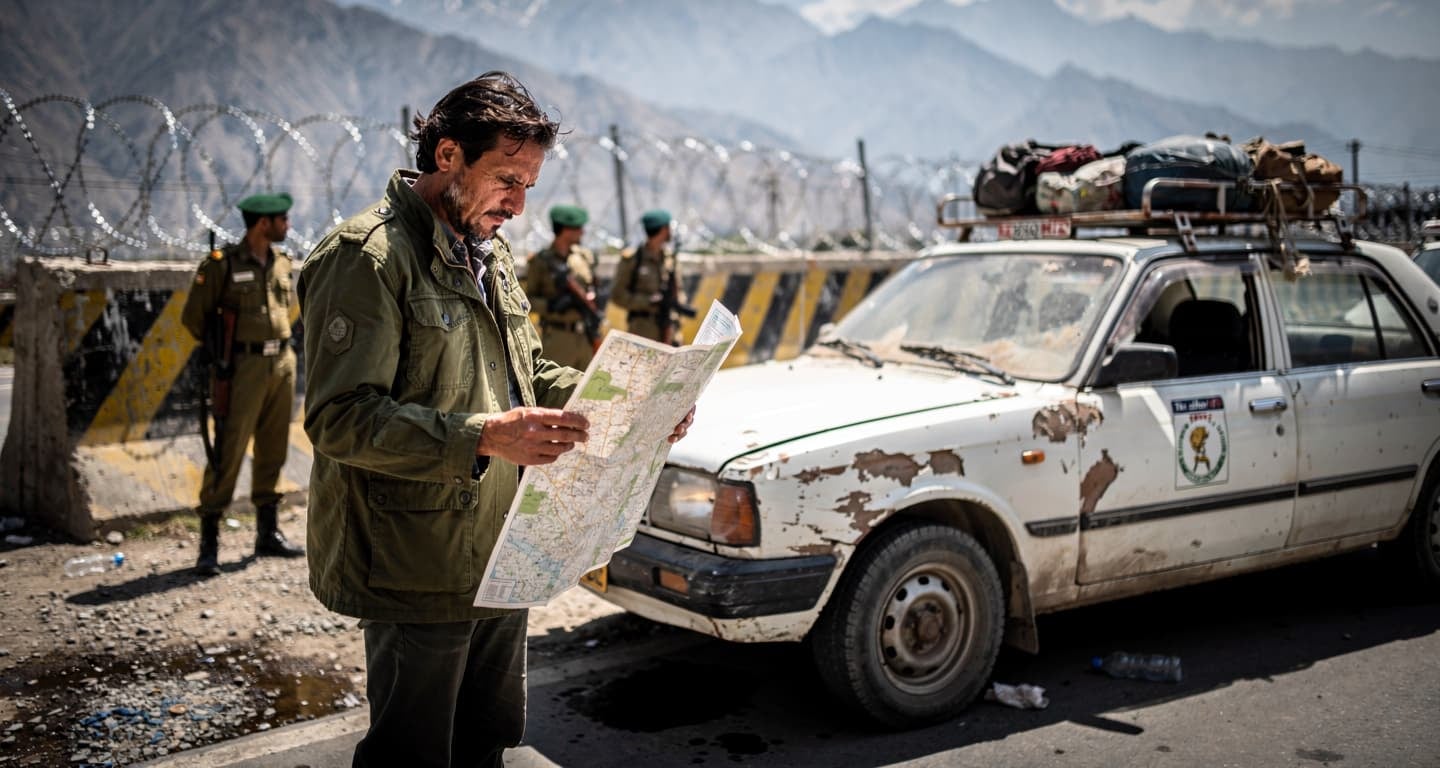
On January 23, 2026, New Zealand’s Ministry of Foreign Affairs and Trade raised its travel advisory for mainland Eastern Sabah—specifically Lahad Datu, Semporna, and Tawau districts in Malaysian Borneo—from green (normal precautions) to yellow (exercise increased caution). The change cites kidnapping risks from groups like Abu Sayyaf, though no incidents have occurred in Sabah’s east coast waters since January 2020. The overall Malaysia advisory remains at normal precautions.
The update applies only to specific mainland districts, not Kota Kinabalu or western Sabah. New Zealand travelers should verify their insurance covers yellow-level zones and consult SafeTravel.govt.nz before finalizing bookings to affected areas.
New Zealand has quietly tightened its stance on a corner of Malaysian Borneo that most travelers overlook until they book a dive trip to Sipadan or a wildlife tour near Tawau. The January 23 update targets three mainland districts—Lahad Datu, Semporna, and Tawau—where MFAT now advises increased caution rather than normal precautions.
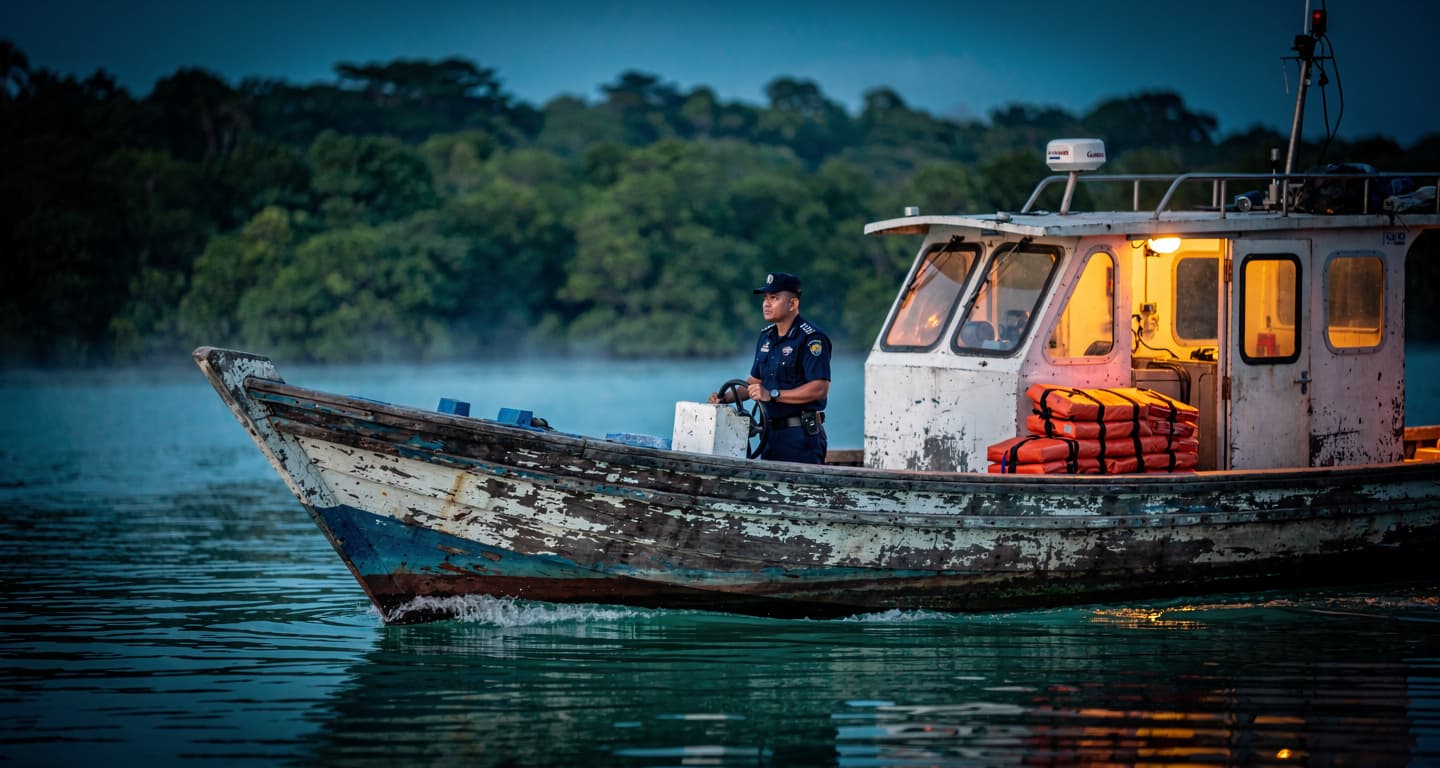
The shift reflects persistent kidnapping concerns tied to Abu Sayyaf, a militant group operating in the southern Philippines. Yet the last confirmed incident in Sabah’s eastern waters occurred in January 2020. Malaysia’s Eastern Sabah Security Command (ESSCOM) has maintained patrols, maritime surveillance, and inter-agency coordination since then, credited with keeping the region stable.
This is a precautionary update, not a response to new threats. Travelers already booked for Kota Kinabalu or western Sabah face no change—those areas remain green. But anyone planning mainland eastern itineraries should act now to confirm insurance coverage and review the full advisory.
What the advisory levels mean
New Zealand uses four tiers: Exercise normal safety precautions (green), Exercise increased caution (yellow), Avoid non-essential travel (orange), and Do not travel (red). Eastern Sabah’s mainland districts moved from green to yellow on January 23, 2026.
Yellow means heightened awareness—not evacuation. MFAT flags specific risks (in this case, kidnapping) but does not prohibit travel. The SafeTravel website lists practical steps: avoid unmarked boats, stick to licensed tour operators, and register your trip with MFAT.
The US State Department holds Level 1 (normal precautions) for Sabah’s mainland, including the east coast, but raises it to Level 2 (increased caution) for offshore islands and maritime zones from Kudat to Tawau. Australia advises a “high degree of caution” for Malaysia overall but has not issued a Sabah-specific mainland upgrade recently. New Zealand’s yellow tier sits between these positions.
Sabah’s tourism minister welcomed the US advisory in February 2026, noting that arrivals are rising and the state is positioning itself as a top Southeast Asia eco-tourism destination. No kidnap-for-ransom cases linked to Abu Sayyaf have been reported in the region since 2020, according to Sabah officials.
Flight deals
most people never see
Our AI monitors 150+ airlines for pricing anomalies that traditional search engines miss. Air Traveler Club members save $650 per trip per person on average: see how it works.
Each deal saves 40–80% vs. regular fares:

Why the update matters for insurance
Travel insurance policies often exclude claims in zones rated yellow or higher unless you disclosed the advisory level at purchase. If you bought coverage before January 23, your policy likely assumed green-level risk. Contact your insurer—Southern Cross, Allianz, or whoever you used—and confirm whether the upgrade voids your medical evacuation or trip cancellation coverage.
A medical evacuation from Tawau to Kota Kinabalu costs $15,000-$25,000 NZD, assuming a helicopter accepts the mission. If your policy excludes yellow zones, you pay out of pocket. Some insurers allow you to upgrade coverage mid-trip for a fee; others do not.
This is not hypothetical. In 2019, a New Zealand diver injured near Sipadan faced a $22,000 bill when her insurer cited an unrelated advisory she had not checked. The lesson: verify coverage before departure, not after an incident.
ESSCOM’s role in regional security
The Eastern Sabah Security Command was established in 2013 after a series of cross-border kidnappings. It coordinates Malaysian military, police, coast guard, and immigration units across a 1,400-kilometer zone. Patrols focus on maritime chokepoints between Sabah and the southern Philippines, where Abu Sayyaf historically operated. Since 2020, ESSCOM has reported zero successful abductions in its jurisdiction, though it maintains high alert status.
What to do if you have bookings
Check your itinerary. If you are flying into Kota Kinabalu (BKI) and staying in western Sabah, the advisory does not apply. Air New Zealand and Malaysia Airlines operate direct flights to Malaysia from Australasia without disruption.
Contact your tour operator. If your trip includes Lahad Datu, Semporna, or Tawau, ask whether they are adjusting itineraries. Licensed operators monitored by ESSCOM typically continue operations but may reroute offshore excursions to avoid maritime zones flagged by other governments.
Register with MFAT. Use SafeTravel’s registration tool so the New Zealand High Commission in Kuala Lumpur can reach you in an emergency. The consular hotline is +60 3 2027 8998.
Avoid unmarked boats. Do not hire unregistered vessels for island transfers, even if locals offer cheaper rates. ESSCOM patrols licensed operators; freelance boats operate outside that network.
Questions? Answers.
How does New Zealand’s advisory compare to Australia’s for Sabah?
Australia advises a “high degree of caution” for Malaysia overall—equivalent to yellow—but has not issued a recent Eastern Sabah mainland upgrade. Australia urges avoiding eastern coastal waters and islands, which is less restrictive than New Zealand’s change. Both governments align on offshore risks but diverge on mainland threat assessment.
Will this affect my flight bookings to Kota Kinabalu?
No. The advisory targets specific eastern mainland districts—Lahad Datu, Semporna, and Tawau. Kota Kinabalu (BKI) remains under normal precautions. Air New Zealand and Malaysia Airlines operate direct flights from Auckland to Kota Kinabalu without changes.
What if I already booked a trip to the affected areas?
Contact your provider—Air New Zealand Holidays, Flight Centre, or whoever sold the package—and ask about their policy. Most allow changes without fees if an advisory rises, but “increased caution” (yellow) rarely triggers automatic refunds. That threshold usually applies to orange (“avoid non-essential travel”) or red (“do not travel”). You may need to accept a credit or reschedule rather than cancel outright.
Are there other New Zealand travel rules I should know before flying?
Yes. New Zealand enforces strict biosecurity on arrival. A forgotten apple in your bag costs NZD 400 instantly, with no warnings. Declare all food, outdoor gear, and plant material on your arrival card, even if you think it is clean. Customs officers use detector dogs and X-ray every bag. Read the full rules in our biosecurity guide before you pack.
Should I cancel my Sipadan dive trip?
Not necessarily. Sipadan Island sits offshore, which the US and Australia flag separately from the mainland. New Zealand’s update focuses on mainland districts, but MFAT advises avoiding unmarked boats to offshore islands. If your operator is ESSCOM-licensed and uses registered vessels, the trip remains viable. Confirm their credentials and verify your insurance covers the yellow-level zone before proceeding.