Quick summary
Foreign nationals whose tourist visas expired on or after September 8, 2025 can receive a free visa extension directly at Tribhuvan International Airport in Kathmandu when departing Nepal. The Nepal Immigration Department processes the extension at the Airport Immigration Office — no fees, no trip to the main immigration office in Kathmandu required.
The policy applies only to visas expired after September 8. A conflicting U.S. State Department advisory claims the airport office cannot extend visas, creating confusion for North American travelers who may expect to be redirected and charged.
Nepal has quietly eliminated a bureaucratic trap that previously forced travelers with expired visas to navigate Kathmandu’s main immigration office before departure. The new policy, announced September 11, 2025, allows tourists whose visas expired on or after September 8, 2025 to receive free visa regularization directly at Tribhuvan International Airport’s Immigration Office when leaving the country.
The change targets travelers stranded by flight disruptions — particularly those affected by Middle East airspace restrictions and carrier cancellations in early September. Previously, an expired visa meant a multi-day detour to the Department of Immigration in Kathmandu, paying extension fees of 2,000–3,000 NPR, and risking missed flights.
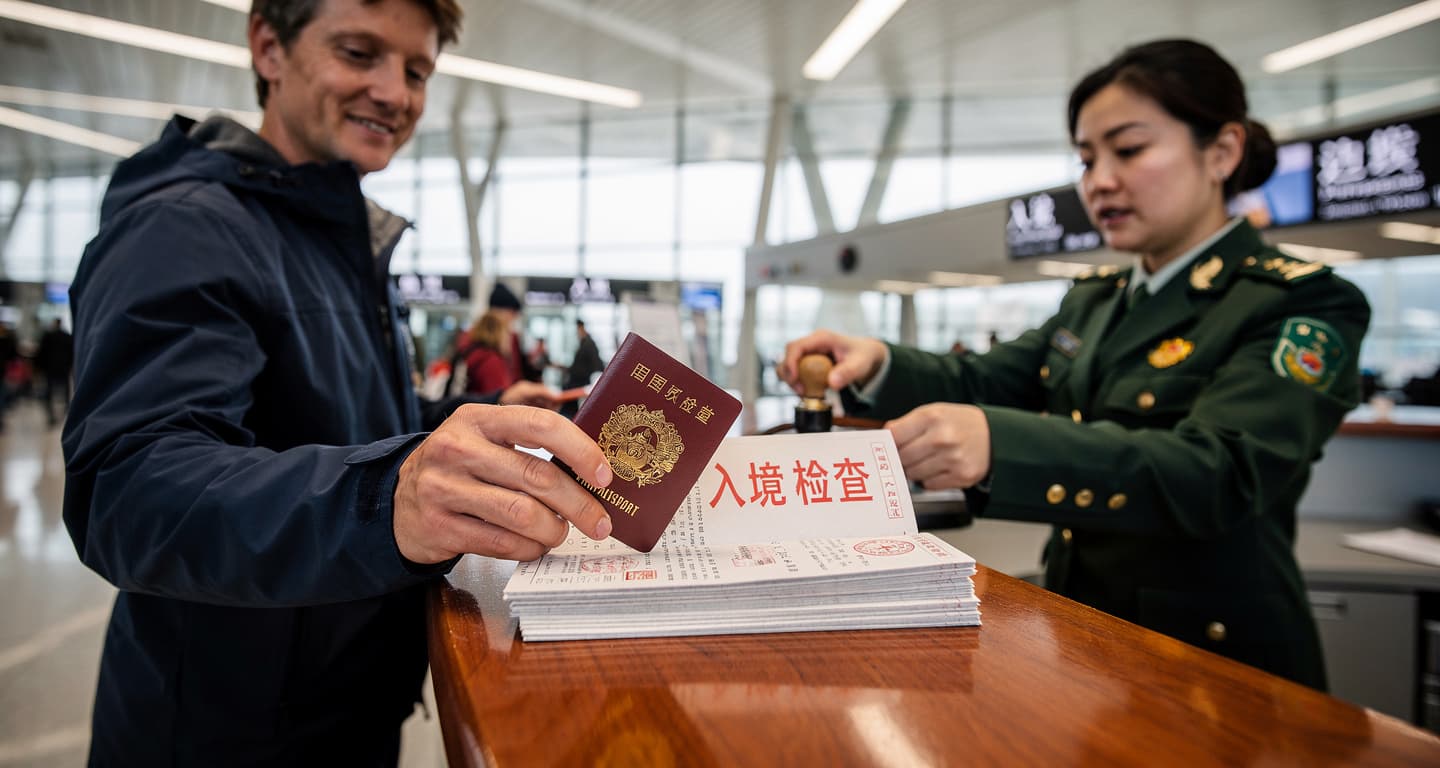
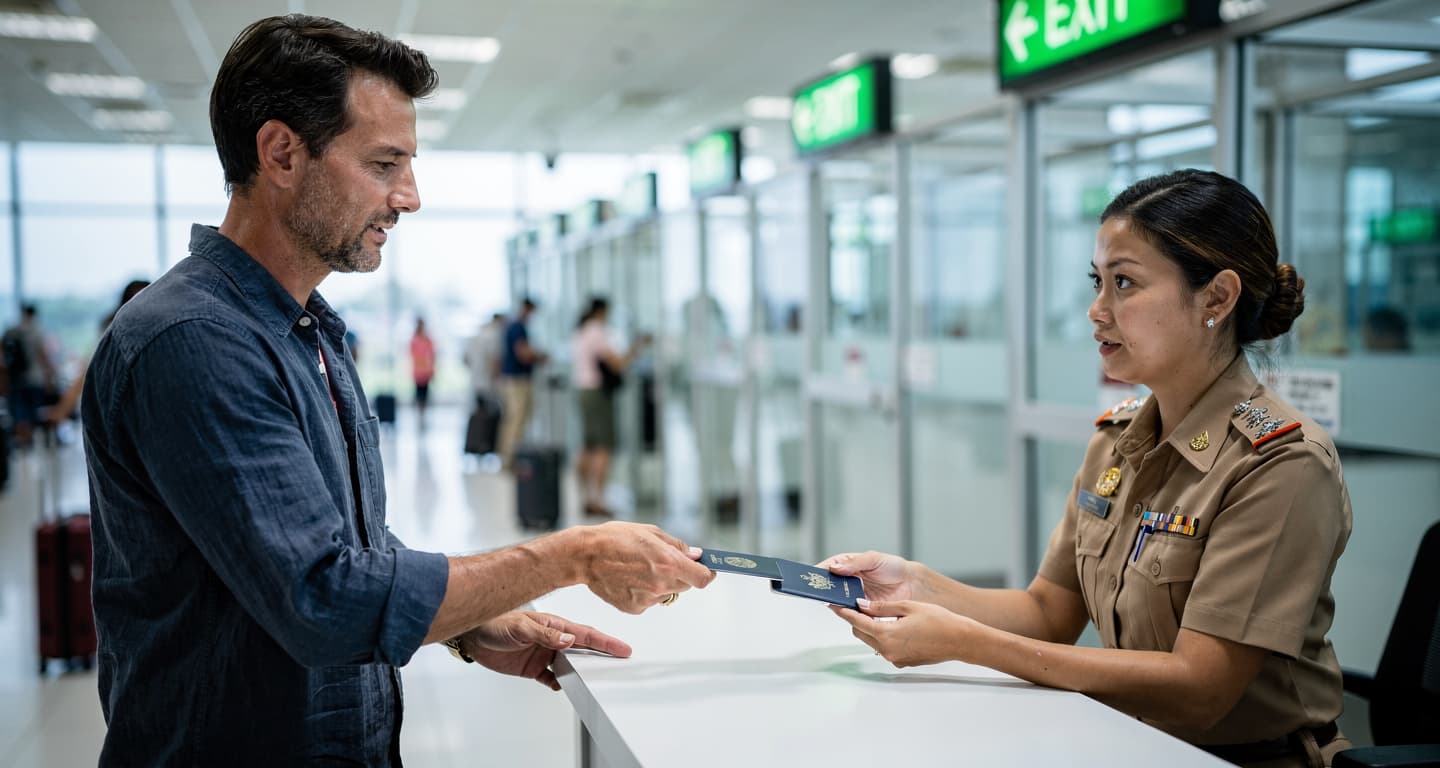
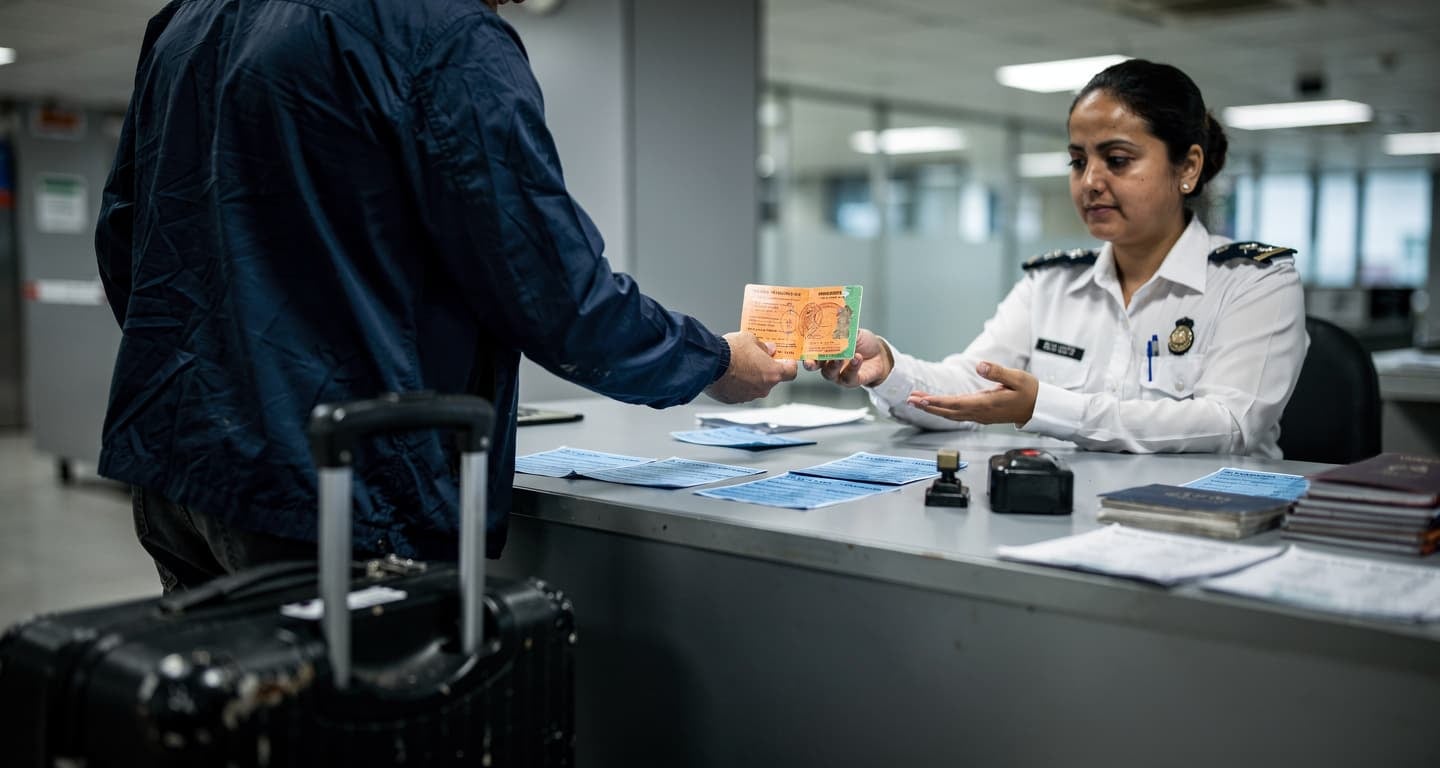
Now the process happens at departure: present your expired passport and flight ticket at the Airport Immigration Office, receive the extension on the spot, and board your flight. No cost. No city office visit.
The policy applies to tourist visas only. Business, employment, and student visa holders are not covered. Visas that expired before September 8 still require the old process — Kathmandu office, fees, delays.
How the airport extension works
The Airport Immigration Office at Tribhuvan processes the extension directly before international departure. Travelers proceed to the office in the departure hall with their expired passport and original flight booking confirmation. The Nepal Army coordinates traveler movements based on flight schedules, so documentation proving your departure is essential.
Processing happens immediately — no multi-day wait, no separate appointment. The free visa regularization directly from the Airport Immigration Office eliminates the previous requirement to visit the Department of Immigration in Kathmandu, which could take 3–5 business days depending on queue length.
Tribhuvan International Airport resumed full domestic and international operations on September 10, 2025, two days before the policy was announced. The timing suggests the extension policy was designed to clear a backlog of stranded travelers whose visas expired during the September disruption window.
| Factor | Before Sept 8 | After Sept 8 | Impact |
|---|---|---|---|
| Processing location | Dept of Immigration, Kathmandu | Airport Immigration Office | Eliminates city travel |
| Cost | 2,000–3,000 NPR | Zero | Saves $15–$22 USD |
| Processing time | 3–5 business days | Immediate at departure | No missed flights |
| Eligibility | All expired visas | Expired on/after Sept 8 only | Retroactive cutoff |
European travelers connecting through Kathmandu to onward destinations in Asia should verify the policy applies to their visa type before relying on it. The official language specifies “foreign tourists” — transit passengers with expired visas may face different rules depending on whether they formally entered Nepal or remained airside. For those planning flights to Nepal from Europe, the policy removes a significant departure-day risk if weather or carrier issues delay your exit.
Flight deals
most people never see
Our AI monitors 150+ airlines for pricing anomalies that traditional search engines miss. Air Traveler Club members save $650 per trip per person on average: see how it works.
Each deal saves 40–80% vs. regular fares:

Why this policy exists — and why it might not last
The September 8 cutoff date is not arbitrary. It coincides with the peak of Middle East airspace disruptions that forced carriers to cancel or reroute flights through South Asia. Nepal saw a surge of stranded tourists whose visas expired while waiting for rescheduled departures — travelers who had done nothing wrong but were suddenly facing overstay fines of $3 USD per day plus potential deportation bans.
The policy is a pragmatic fix for a specific crisis. It eliminates the absurdity of penalizing travelers for delays caused by geopolitical events outside their control. But the lack of a sunset date raises a question: is this a permanent procedural change, or a temporary measure that will quietly expire once the backlog clears?
Nepal’s tourism sector depends heavily on trekking and mountaineering visitors who often extend their stays due to weather delays in the Himalayas. If the airport extension policy becomes permanent, it removes a longstanding friction point for that core market. If it reverts to the old system without warning, travelers will face the same trap that existed before September.
Watch: Whether Nepal’s Department of Immigration updates its official visa extension procedures page to reflect the airport policy as a standing option, or whether the September 8 announcement remains a one-time crisis response.
Three steps to use the airport extension
The policy eliminates the Kathmandu office visit, but only if you follow the airport procedure correctly.
- Verify eligibility before departure: Confirm your visa expired on or after September 8, 2025. Earlier expirations do not qualify — you will be redirected to the Kathmandu office and charged standard fees.
- Arrive early with documentation: Reach Tribhuvan 3–4 hours before your international flight. Bring expired passport, flight ticket, and any proof of disruption. Proceed to the Airport Immigration Office in the departure hall before check-in.
- Request “visa regularization”: Use the official term from Nepal’s announcement. Processing is immediate and free. If denied, request written refusal and contact your embassy before leaving the airport.

Questions? Answers.
Does this policy apply if my visa expired before September 8, 2025?
No. The policy explicitly covers visas expired on or after September 8, 2025. If your visa expired earlier, you must visit the Department of Immigration in Kathmandu and pay standard extension fees of approximately 2,000–3,000 NPR ($15–$22 USD) depending on visa type. The airport office will not process pre-September 8 expirations under this policy.
What if the U.S. State Department website says the airport immigration office cannot extend visas?
The Nepal Department of Immigration’s official statement directly contradicts the U.S. advisory, which appears not to reflect the September 2025 policy update. Contact Tribhuvan Airport Immigration Office directly at +977-1-4114267 before arrival to confirm current operational status. If you are denied at the airport despite meeting eligibility criteria, request written refusal and escalate through your embassy immediately.
Can I renew my visa at the airport if I am arriving in Nepal, not departing?
No. The policy applies only at departure for travelers leaving Nepal. If you arrive with an expired visa, you must either apply for a new visa on arrival (which may take several hours and incur fees) or visit the Department of Immigration in Kathmandu to regularize your status before traveling within the country.
Does this policy cover business visas, student visas, or employment visas?
No. The policy explicitly targets “foreign tourists” with tourist visas. Business, employment, and student visa holders are not mentioned in any official source and likely require different procedures. Contact the Department of Immigration in Kathmandu if you hold a non-tourist visa that has expired.
Is there a deadline for this policy, or is it permanent?
No sunset date has been announced. The policy appears to be standing, not temporary, but the lack of explicit duration language means it could be quietly discontinued without notice. Verify directly with Tribhuvan Airport Immigration Office before relying on it for future travel.