Quick summary
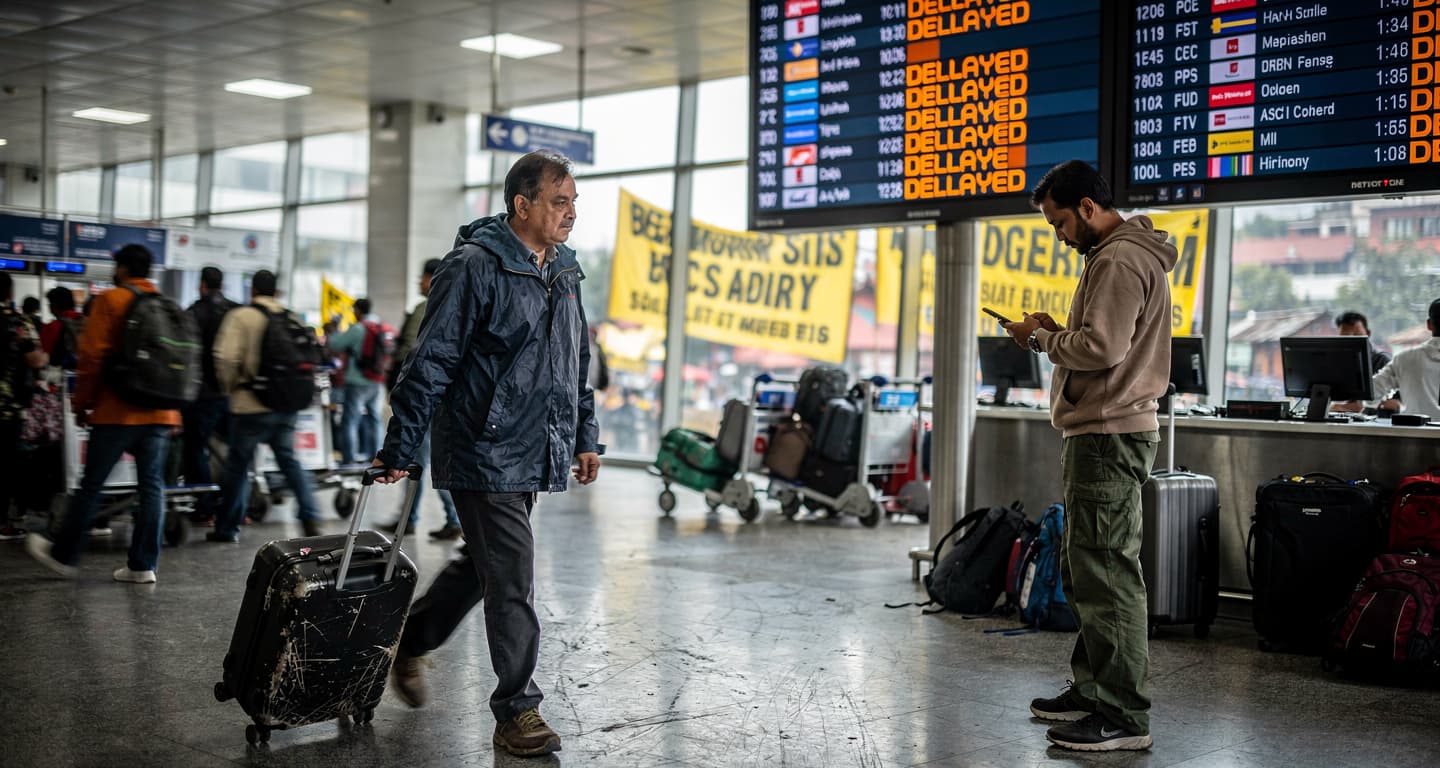
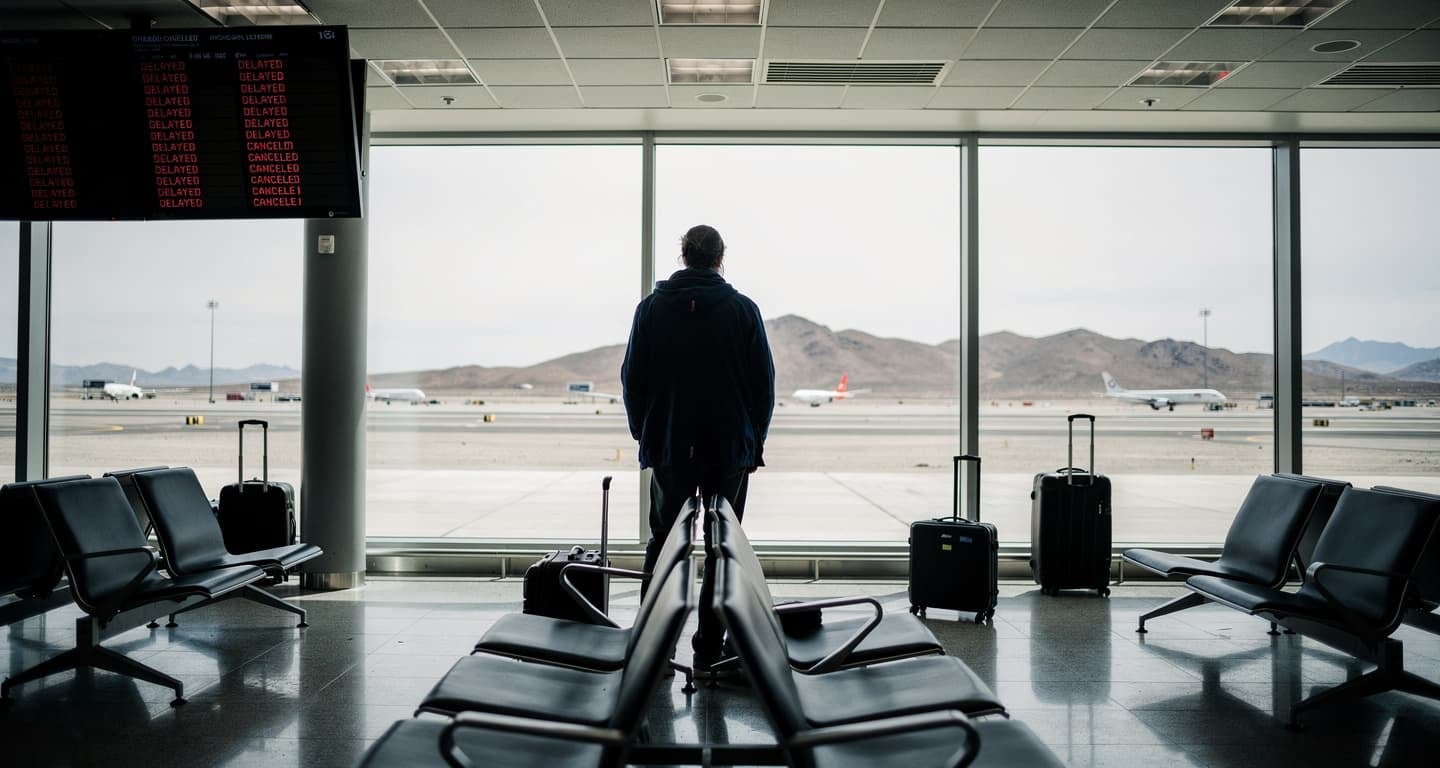
NEOM‘s The Line — the 105-mile mirrored megacity at the center of Saudi Arabia’s $500 billion Vision 2030 tourism bet — has been suspended until after 2030, with cost estimates now exceeding $1 trillion for The Line alone. Red Sea resort developments and the Trojena mountain project have also been paused for new investment. The delay directly weakens the leisure demand case underpinning Riyadh Air‘s planned 100-destination global network, which the carrier is still actively building toward.
Riyadh Air holds its Air Operator Certificate and has filed for a U.S. foreign carrier permit — the airline is not stopping. But the tourism infrastructure it was partly designed to serve just moved years further away.
Riyadh Air launched with a bold premise: a new Gulf carrier connecting the world over Riyadh, backed by Saudi Arabia’s sovereign wealth fund and a tourism pipeline that would make the kingdom the next Dubai. That pipeline just cracked.
Saudi officials confirmed this month that work on The Line — the flagship mirrored megacity inside the NEOM development zone in northwest Saudi Arabia — has been halted until after 2030. The project’s cost ballooned from an original $500 billion estimate for all of NEOM to over $1 trillion for The Line component alone, with some all-in projections reaching far higher. The twin mirrored skyscraper design is being reworked to cut costs. Red Sea coastal resorts and the Trojena mountain destination — both marketed as future Riyadh Air feeder markets — will receive no new investment until after 2030 either.
For travelers, the immediate effect is straightforward: NEOM-linked tourism routes are not coming anytime soon. For Riyadh Air, the calculus is more complicated — and more interesting.
The airline obtained its Air Operator Certificate from Saudi Arabia’s General Authority of Civil Aviation (GACA) in early 2026 and has filed with the U.S. Department of Transportation for a foreign air carrier permit, outlining a network of more than 100 destinations by 2030. It currently operates to London and holds a partnership with Delta Air Lines. The fleet plan — centered on up to 72 Boeing 787-9 aircraft ordered in 2023, alongside Airbus A350-1000s and A321neos — was never sized for NEOM alone. But NEOM’s collapse as a near-term demand driver forces a strategic rethink of where early traffic actually comes from.
What the NEOM delay actually changes for Riyadh Air
The honest answer is: less than the headlines suggest, and more than the airline’s backers will admit publicly.
Riyadh Air’s U.S. permit filing describes a carrier built around sixth-freedom connectivity — routing passengers between continents over Riyadh, the same model that made Emirates and Qatar Airways dominant. NEOM was always one demand pillar among several, not the load-bearing wall. Saudi Arabia’s broader tourism target of 150 million annual visitors by 2030 spans religious travel (Umrah and Hajj remain among the world’s largest passenger flows), business traffic tied to Riyadh’s growing corporate sector, and events including Expo 2030 and the FIFA World Cup 2034. None of those are delayed.
What is delayed is the high-profile leisure narrative — the one that made Riyadh Air’s pitch to international travelers feel urgent and exciting.
| Factor | Current status | Target / timeline |
|---|---|---|
| Air Operator Certificate (AOC) | Obtained from GACA, early 2026 | Complete — enables commercial ops |
| U.S. DOT foreign carrier permit | Application filed, May 2026 | Decision pending; timeline unconfirmed |
| Active routes | London (Heathrow) | 100+ destinations by 2030 |
| Fleet (787-9 order) | Up to 72 aircraft ordered, 2023 | Deliveries scheduled through decade |
| NEOM / The Line tourism demand | Suspended until after 2030 | No new investment; timeline vague |
| Red Sea resorts / Trojena | No new investment until post-2030 | Phased opening dates unconfirmed |
Regulatory progress is real. GACA‘s AOC approval means Riyadh Air can operate commercially — the regulator’s mandate covers safety and compliance, not tourism timelines. The U.S. DOT permit, if approved, would unlock transatlantic routes that have nothing to do with NEOM. Travelers planning future Asia–Europe or U.S.–Gulf connections via Riyadh should watch the DOT decision closely; it will reveal more about the airline’s actual launch ambitions than any Vision 2030 press release.
If you’re already exploring Saudi Arabia as a stopover destination, Saudia‘s free stopover and hotel program for North Americans offers a practical way to see Jeddah or complete an Umrah while connecting onward — no separate tourist visa required for stays under 96 hours.
Flight deals
most people never see
Our AI monitors 150+ airlines for pricing anomalies that traditional search engines miss. Air Traveler Club members save $650 per trip per person on average: see how it works.
Each deal saves 40–80% vs. regular fares:

Why the Gulf competition context makes this more than a Saudi story
Riyadh Air is entering a market where Emirates, Qatar Airways, and Etihad have spent decades building premium products, slot portfolios, and loyalty ecosystems. The window to capture meaningful sixth-freedom share is real but not indefinite — and it requires early wins on flagship routes to establish brand credibility with connecting passengers.
Saudi Arabia’s national tourism target of 150 million annual visitors by 2030 was always ambitious. NEOM was the marquee proof point — the project that would signal the kingdom could build something no one had seen before. Its suspension doesn’t kill the tourism strategy, but it removes the most visually compelling argument for why travelers should choose Riyadh over Dubai or Doha. That matters for marketing, for bilateral air service negotiations, and for the urgency airlines in partner markets feel about adding Riyadh to their codeshare maps.
The market forces here are worth naming plainly. Gulf carriers are still expanding long-haul capacity and premium cabins, keeping yields under pressure on Europe–Asia and U.S.–Gulf corridors. If Saudi subsidy support continues — and the Public Investment Fund’s pullback on construction spending may actually free capital for aviation — Riyadh Air could respond with aggressive promotional fares on trunk routes to stimulate connecting traffic. That would be good news for travelers, even if NEOM remains a construction site.
How to plan around this if Saudi Arabia is on your radar
NEOM-linked tourism is off the table before 2030, but Riyadh Air’s regulatory progress means new routes — including potential U.S. and European nonstops — could arrive well before any resort opens.
- Hold off on NEOM-specific bookings entirely. The Line, Trojena, and Red Sea resort developments have no confirmed opening phases. Do not book long-haul tickets around these destinations until Saudi tourism channels publish firm, phased capacity dates.
- Watch the U.S. DOT permit decision. If Riyadh Air’s foreign carrier permit is approved and initial U.S. city pairs are filed — particularly New York, Washington, or Los Angeles — that signals the airline is prioritizing sixth-freedom transit traffic. Early launch fares on new routes are typically competitive; Riyadh Air’s website is the place to monitor schedule releases.
- Compare Riyadh routings against Dubai and Doha once schedules publish. For Asia–Europe or U.S.–Asia connections, a Riyadh hub option could offer newer aircraft and competitive fares — but only once the network has enough depth to make the connection times work.
- Use flexible fares for any Saudi itinerary in the next 18 months. The funding environment and project timelines are shifting. Locking in non-refundable long-haul tickets to Saudi Arabia before resort and event infrastructure is confirmed carries real risk.
- Consider Saudia for near-term Saudi access. Riyadh Air is not yet a full-network carrier. Saudia remains the established option for reaching Jeddah, Riyadh, and religious sites — with stopover programs already operational for North American travelers.
Watch: Riyadh Air’s first detailed network announcement — likely tied to its DOT permit progress — will be the clearest signal of whether the airline is building a genuine sixth-freedom hub or managing a slower ramp-up weighted toward regional and religious markets. If major U.S. and Asian gateways appear in the initial filing, the hub strategy is real regardless of NEOM’s timeline.

Questions? Answers.
Is Riyadh Air still launching despite the NEOM delays?
Yes. Riyadh Air obtained its Air Operator Certificate from GACA in early 2026 and has filed for a U.S. foreign carrier permit. It currently operates to London and holds a Delta Air Lines partnership. NEOM’s suspension affects one segment of its projected demand — leisure tourism — but the airline’s regulatory and fleet build-out is continuing on its own timeline.
What exactly has been delayed or cancelled at NEOM?
Work on The Line — the 105-mile mirrored megacity — has been halted until after 2030. The project’s cost estimate exceeded $1 trillion for The Line alone, and the original design is being reworked to reduce costs. Red Sea coastal resort developments and the Trojena mountain project will also receive no new investment until after 2030. No firm revised opening dates have been announced for any of these assets.
Does this affect travelers already planning trips to Saudi Arabia?
For travelers planning Riyadh business trips, Umrah, or Hajj, the NEOM delay has no direct impact — those destinations and travel flows are unaffected. For anyone whose Saudi itinerary was built around NEOM resorts, The Line, or Red Sea tourism projects, those plans should be treated as indefinitely postponed. Book flexible fares and wait for confirmed opening phases before committing to long-haul tickets.
How does this affect Riyadh Air’s competition with Emirates and Qatar Airways?
It narrows one of Riyadh Air’s early differentiators — the promise of exclusive access to new Saudi tourism destinations — but does not eliminate the sixth-freedom hub strategy. Riyadh Air’s 787-9 fleet and 100-destination target are built around connecting Europe, Asia, and North America over Riyadh, not solely around NEOM. The competitive pressure on Emirates and Qatar Airways will depend on how quickly Riyadh Air can activate major gateway routes and build connecting traffic, independent of when NEOM resorts open.