Quick summary
As of March 1, 2026, Middle East airspace closures from ongoing conflict have grounded 2,655 flights and delayed 2,508 more across Asia-Pacific hubs. Qatar Airways canceled 495 flights at Doha, Emirates cut 61 at Dubai, IndiGo suspended ~300 weekly West Asia flights, and Singapore Airlines halted all Middle East routes. Travelers with bookings on Asia-Middle East-Europe routes via Gulf hubs face immediate cancellations or 1.5-3 hour delays from rerouting around closed Iranian and Iraqi airspace.
Disruptions persist beyond March 1 with no firm end date. This article covers which airlines and routes are affected, why rerouting adds hours to flights, and the three steps to rebook or claim refunds within 24-48 hours.
Thousands of travelers are stranded at airports from Bangkok to Mumbai after West Asia airspace closures triggered the largest wave of Asia-Pacific flight cancellations since the 2022 Ukraine conflict. The closures — spanning Iran, Iraq, and neighboring airspace — began February 28, 2026, forcing airlines to cancel Gulf hub connections or reroute northward and southward, adding up to three hours to flight times.
Qatar Airways, Emirates, IndiGo, Air India, Singapore Airlines, Malaysia Airlines, and Cebu Pacific have cut or delayed flights across nine countries: Thailand, UAE, Singapore, India, China, Qatar, Saudi Arabia, Malaysia, and the Philippines. The disruption hits hardest on the Asia-Europe “Silk Road” corridor, where Gulf hubs funnel 60% of connecting traffic.
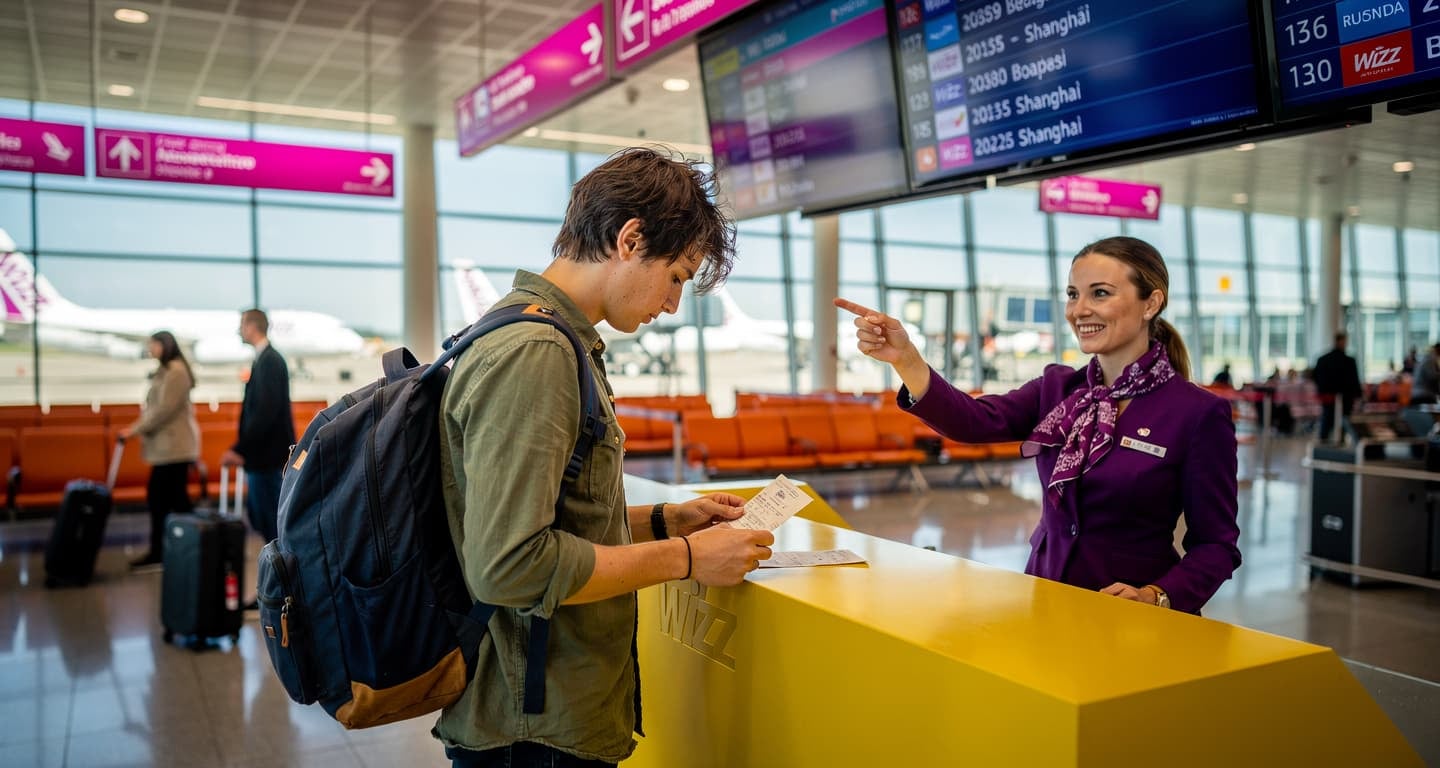
Travelers holding tickets for March 1-9 departures via Doha, Dubai, or Jeddah should check flight status immediately. Airlines are offering rebooking and refunds, but windows close within 24-48 hours as aircraft and crew repositioning strains networks.
Which airlines canceled flights and where
Qatar Airways logged 495 cancellations and 3 delays, primarily at its Doha hub. Southeast Asia connections to Bangkok, Manila, and Singapore bore the brunt. The airline has not announced a resumption date.
Emirates canceled 61 flights and delayed 1 across Dubai, Bangkok, Manila, Delhi, and Mumbai. Dubai-Europe routes via northern airspace remain operational but face longer flight times.
IndiGo suspended approximately 300 weekly West Asia flights, recording 129 cancellations and 262 delays at Mumbai, Delhi, Hyderabad, and Jeddah. The airline cited “operational constraints” from rerouting fuel costs.
Air India canceled 54 flights and delayed 198, including select Europe departures on March 2 with return legs affected. The Indian Ministry of Civil Aviation confirmed support for stranded passengers at Delhi and Mumbai hubs.
Singapore Airlines suspended all Middle East flights, canceling at least 6 routes including Singapore-Dubai. Budget arm Scoot canceled Singapore-Jeddah through March 4. Malaysia Airlines halted flights to Doha, Jeddah, and Madinah until March 4 or “airspace safe” confirmation. Cebu Pacific canceled Manila-Dubai and Manila-Riyadh flights through March 3-9, offering rebooking via its online portal.
The exact tallies by airline and airport confirm disruptions across 11 major hubs as of March 1, 2026.
Flight deals
most people never see
Our AI monitors 150+ airlines for pricing anomalies that traditional search engines miss. Air Traveler Club members save $650 per trip per person on average: see how it works.
Each deal saves 40–80% vs. regular fares:

Why rerouting adds 90 minutes to 3 hours
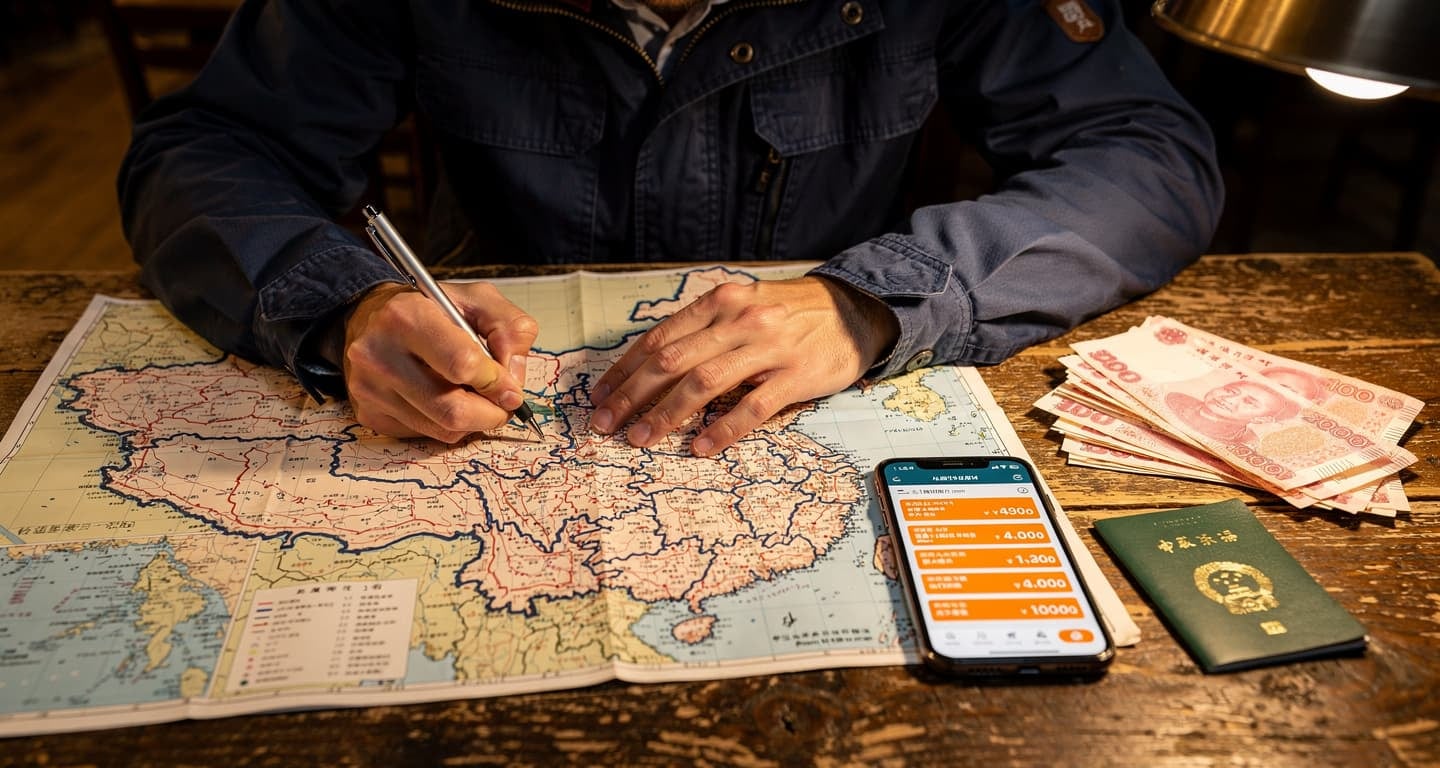
Closed Iranian and Iraqi airspace eliminates the direct “Silk Road” corridor between Asia and Europe. Airlines now fly northern routes over the Caspian Sea or southern routes over the Arabian Sea, both adding 600-1,200 nautical miles. A typical Bangkok-London flight via Doha jumps from 11 hours to 13-14 hours.
Rerouting also burns 15-25% more fuel, forcing weight restrictions that bump cargo and occasionally passengers. Aircraft repositioning — moving planes to cover canceled routes — creates crew duty-time violations, triggering cascading delays. The 2022 Ukraine airspace closure produced identical patterns, with Asia-Europe fares spiking 40-60% within two weeks as capacity tightened.
The Silk Road airspace corridor
Before February 28, 2026, Iranian and Iraqi airspace handled 1,200+ daily flights between Asia and Europe, saving airlines $8-12 million daily in fuel costs. The 2022 Ukraine closure rerouted 800 flights southward, adding $15 million daily in operating costs across the industry. Current closures affect 50% more flights due to Gulf hub expansion since 2022.
Peak Asia-Europe demand in March — driven by spring break and business travel — compounds the strain. Last-minute fares on alternate routes via Istanbul or Helsinki have already doubled on some dates, though Air Traveler Club’s fare tracking occasionally flags temporary drops when airlines release distressed inventory.
What to do if your flight is affected
- Check status now: Use airline apps (Qatar Airways Manage Booking, IndiGo PNR tracker, Emirates Flight Status) or Flightradar24 for real-time reroutes. Update contact info in your booking for SMS/email alerts.
- Contact airline within 24 hours: Qatar Airways, Emirates, and Singapore Airlines offer free rebooking or full refunds for canceled flights. IndiGo and Air India provide rebooking via customer service (+91-11-24610843 for Air India PACR). Cebu Pacific accepts changes up to 2 hours pre-departure via its online portal.
- Document delays over 3 hours: EU261 and UK255 compensation rules do not cover “extraordinary circumstances” like airspace closures, but airlines may offer goodwill vouchers. Save boarding passes and delay confirmation emails.
- Avoid Gulf hubs until March 10: Book direct Asia-Europe flights via Istanbul, Helsinki, or Hong Kong if rebooking. Airlines have not announced a firm resumption date for closed airspace routes.
Questions? Answers.
Are airlines required to compensate for these cancellations?
No. Airspace closures qualify as “extraordinary circumstances” under EU261 and UK255, exempting airlines from cash compensation. However, you are entitled to a full refund or free rebooking on the next available flight. Some airlines offer meal vouchers or hotel stays for overnight delays.
How long will the disruptions last?
Airlines have not announced a firm end date. Malaysia Airlines suspended flights “until airspace safe,” and Singapore Airlines lists no resumption timeline. Historical precedent from the 2022 Ukraine closure suggests 2-4 weeks minimum, but Middle East conflicts carry higher unpredictability. Monitor airline websites daily.
Can I rebook on a different airline for free?
Only if your original airline cannot accommodate you within 24 hours and offers “re-protection” on a partner carrier. Qatar Airways and Emirates have interline agreements with oneworld and Star Alliance members, but availability is limited during peak disruption. Request re-protection explicitly when calling customer service.
What if I booked through a third-party site like Expedia?
Contact the airline directly first — they control rebooking and refunds regardless of where you purchased. If the airline refuses, escalate to the third-party agent within 24 hours. Third-party sites often delay processing during mass cancellations, so direct airline contact is faster.