Quick summary
Japan will increase its International Tourist Tax from ¥1,000 to ¥3,000 per person on July 1, 2026 — a 200% rise affecting all outbound international travelers regardless of nationality or cabin class. The tax is automatically embedded in airfare and applies to every departure from Japanese airports or seaports for passengers over age 2.
Travelers booking flights departing before July 1, 2026 will pay the current ¥1,000 rate. The increase adds approximately US$20 per person to trip costs and funds overtourism mitigation measures including crowd management, airport upgrades, and regional tourism dispersal.
Japan’s Ministry of Finance confirmed on January 9, 2026 that the departure tax will triple from its 2019 baseline of ¥1,000 to ¥3,000 starting July 1, 2026. The move responds to record tourism pressure — 32 million inbound arrivals in 2025 strained infrastructure in Tokyo, Kyoto, and Osaka, prompting the government to shift funding from general taxpayers to travelers using the system.
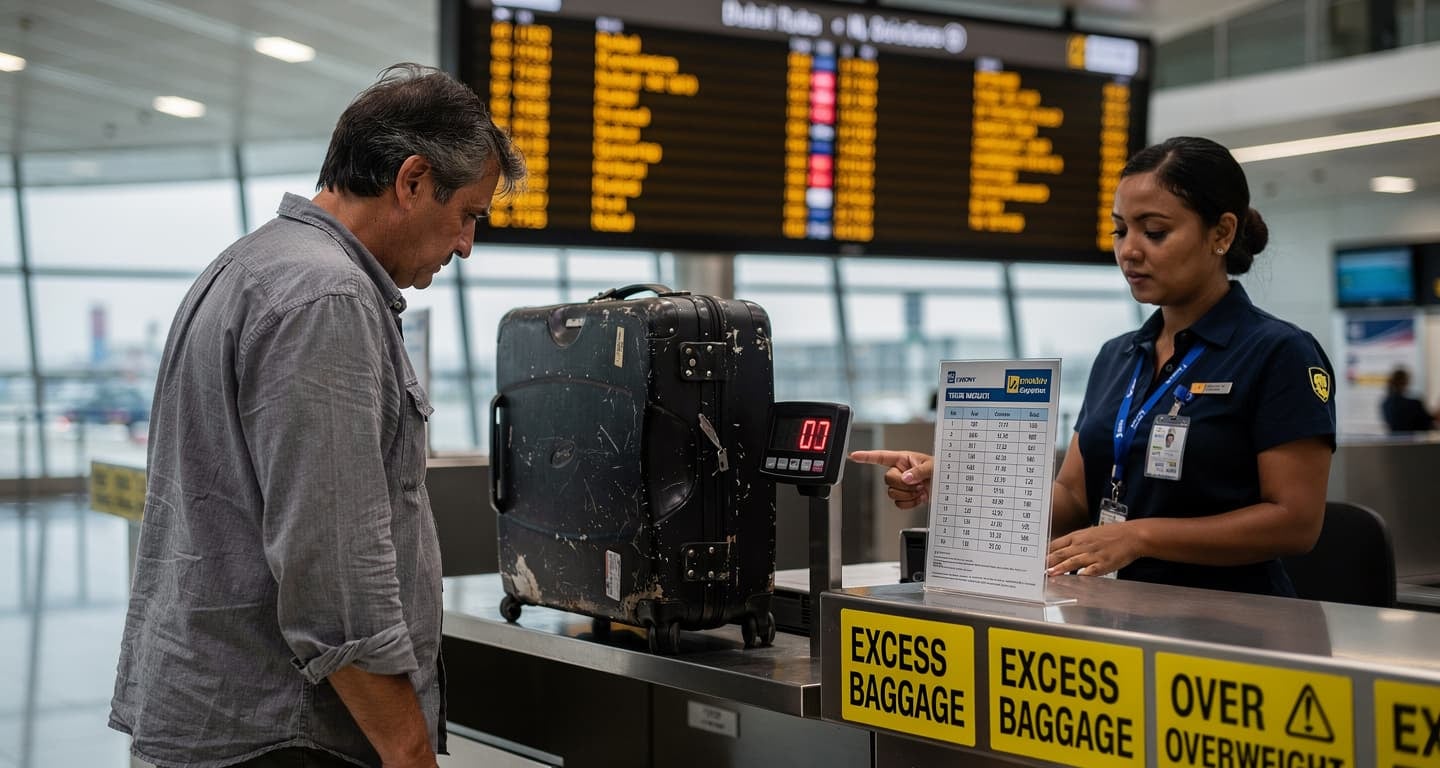
The tax applies uniformly to all passengers departing Japan by air or sea, including tourists, Japanese nationals, and residents. Airlines embed the charge in ticket prices at purchase, meaning there’s no separate payment step. Children over age 2 pay the full amount; infants under 2 traveling on lap tickets are exempt.
For North American, European, and Australasian travelers planning Japan trips in late 2026 or beyond, this adds ¥3,000 (~US$20, €18, AU$32) per person to departure costs. A family of four now budgets an extra ¥12,000 (~US$80) just to leave the country.
How the tax increase works
The International Tourist Tax launched in January 2019 at ¥1,000 per departure to fund basic tourism promotion. Revenue now targets sustainable tourism infrastructure: digital border processing upgrades, heritage site protection in Kyoto and Nara, crowd management systems at popular attractions, and marketing campaigns for less-visited regions like Hokkaido and Shikoku.
The tax is collected at the point of ticket purchase and appears as a line item labeled International Tourist Tax on airline invoices. Major carriers including Japan Airlines, All Nippon Airways, and ZIPAIR automatically calculate the fee based on departure date. Corporate travelers with volume contracts will see adjusted pricing reflected in negotiated fares.
The Japanese government is considering passport fee reductions for Japanese nationals to offset the burden on outbound travel, though no timeline has been announced for that measure.
This increase layers onto new local accommodation taxes. Kyoto introduces a tiered hotel tax in March 2026 reaching ¥10,000 per night for luxury properties, while Okinawa plans a 2% accommodation levy later in 2026. A traveler staying three nights at a high-end Kyoto ryokan could face ¥30,000 in hotel taxes plus ¥3,000 departure tax — ¥33,000 (~US$220) in fees alone.
Flight deals
most people never see
Our AI monitors 150+ airlines for pricing anomalies that traditional search engines miss. Air Traveler Club members save $650 per trip per person on average: see how it works.
Each deal saves 40–80% vs. regular fares:

What changed and why it matters
Japan’s departure tax sat at ¥1,000 for seven years while tourism recovered from pandemic lows and then exploded past pre-2019 levels. The 2025 surge brought infrastructure wear, overcrowding at temples and train stations, and resident complaints about quality of life in historic districts. Revenue previously funded generic tourism promotion; the tripled rate shifts costs from general taxpayers to the travelers creating the demand.
This aligns Japan with regional competitors. Singapore charges approximately SGD$60 (~US$45) for departures, Thailand collects THB900 (~US$27), and Australia levies AU$60 (~US$38) for international exits. At ¥3,000, Japan remains competitive but no longer the bargain it was at ¥1,000. For US and Canadian travelers, the fee is lower than Vancouver’s CAD$50 (~US$37) departure charge but higher than most Southeast Asian airports.
The timing matters for trip planning. Flights departing June 30, 2026 or earlier lock in the ¥1,000 rate regardless of when you book. Flights departing July 1 or later pay ¥3,000 even if purchased months in advance. Airlines price the tax based on departure date, not booking date.
Tour operators serving Indian travelers — who face approximately ₹1,600 (~US$19) extra per person — report potential shifts toward visa-free Southeast Asian destinations like Thailand and Malaysia where total exit costs remain lower. For multi-country Asia-Pacific itineraries, rising flight costs combined with layered departure and accommodation taxes make route sequencing and timing more critical to budget management.
What to do
Book before July 1, 2026 departures: Search Google Flights or Kayak for NRT, HND, KIX, or other Japanese airport departures with return dates in June 2026 or earlier to lock the ¥1,000 rate. Set price alerts for routes like Tokyo-Los Angeles, Osaka-Sydney, or Sapporo-Vancouver.
Verify tax breakdowns: Check airline booking confirmations (ANA.jp, JAL.com, ZIPAIR.com) for the International Tourist Tax line item. Confirm the amount matches your departure date — ¥1,000 before July 1, ¥3,000 after.
Budget for layered fees: Add ¥3,000 per person plus local accommodation taxes when calculating total trip costs. A Kyoto stay in late 2026 could add ¥13,000+ per person in combined hotel and departure fees.
Consider alternative routings: For travelers combining Japan with other Asia-Pacific destinations, Chinese carriers offer savings of $400-700 with free China stopovers, offsetting some of the increased exit costs through lower base fares.
Questions? Answers.
Will this tax apply to transit passengers not entering Japan?
No. The tax charges only passengers who clear customs and immigration upon arrival, then depart internationally. Pure airside transits — such as connecting from Narita to Haneda without entering Japan — are exempt. Confirm transit status with your airline at booking if your itinerary involves a Japanese connection.
How does Japan’s ¥3,000 tax compare to other Asia-Pacific exit fees?
Japan’s new rate sits mid-range regionally. Singapore charges approximately SGD$60 (~US$45), Australia levies AU$60 (~US$38), and Thailand collects THB900 (~US$27). Japan remains cheaper than Singapore and comparable to Australia, but higher than most Southeast Asian airports. For North American travelers, it’s lower than Vancouver’s CAD$50 (~US$37) departure fee.
Are there refunds or exemptions for children under 2?
Children over age 2 pay the full ¥3,000 tax. Infants under 2 traveling on lap tickets without a separate seat are exempt. However, if you purchase a separate seat for an infant under 2, verify the carrier’s policy — some airlines include the tax on any ticketed seat regardless of passenger age. Check with JAL, ANA, or your carrier’s family fare terms before booking.
Can I avoid the tax by departing from a different country?
Yes, but only if your itinerary allows it. Travelers visiting both Japan and South Korea could fly into Tokyo and out of Seoul to avoid Japan’s departure tax entirely, though this requires a multi-country trip plan. The tax applies to all departures from Japanese airports and seaports regardless of your inbound entry point, so simply flying into Osaka instead of Tokyo makes no difference.
Will the tax apply to tickets already purchased for July 2026 or later?
Yes. The tax is based on departure date, not booking date. If you purchased a ticket in January 2026 for a July 15, 2026 departure, you pay ¥3,000. Airlines will adjust the tax amount automatically if your departure date changes — moving a flight from July 2 to June 29 would reduce the tax from ¥3,000 to ¥1,000, with the difference refunded or credited.