Quick summary
A US F-35 fighter jet was hit by suspected Iranian fire during a combat mission over Iran on March 19, 2026, marking the first confirmed damage to a US aircraft since the war began February 28. The aircraft made an emergency landing at a US Middle East air base with the pilot in stable condition. Iranian airspace remains closed to commercial overflights under FAA and EASA NOTAMs, forcing all Europe-Asia and North America-Asia routes via Middle East hubs to reroute south through India or west via Turkey, adding 2–4 hours and raising fares 20–30% on Emirates, Qatar Airways, and Turkish Airlines.
This is the first substantiated Iranian hit on a US stealth fighter — previous claims during the June 2025 Israel-Iran conflict were unverified. If the investigation confirms the F-35 crashed or sustained critical damage, expect expanded airspace bans across Iraq and Syria within 48 hours, adding $300–400 to round-trip Asia fares and forcing complete reroutes for Dubai, Doha, and Istanbul connections.
A US F-35 stealth fighter was damaged by suspected Iranian fire over central Iran early Thursday, forcing an emergency landing and raising immediate questions about commercial airspace safety across the Middle East corridor to Asia.
US Central Command confirmed the aircraft was flying a combat mission when hit. “The aircraft landed safely, and the pilot is in stable condition,” Captain Tim Hawkins said in a statement. Iran’s Islamic Revolutionary Guard Corps claimed its air defense system struck the jet at 2:50 a.m. local time, asserting heavy damage with high crash probability — a claim the US denies.
This marks the first confirmed Iranian hit on a US aircraft since the war began February 28, 2026, when US and Israeli forces launched coordinated strikes on Iranian military infrastructure. The Pentagon has maintained that Iranian air defenses were “flattened” in the opening days of the conflict, making Thursday’s incident a significant operational setback and a signal that Iran retains functional anti-aircraft capability.
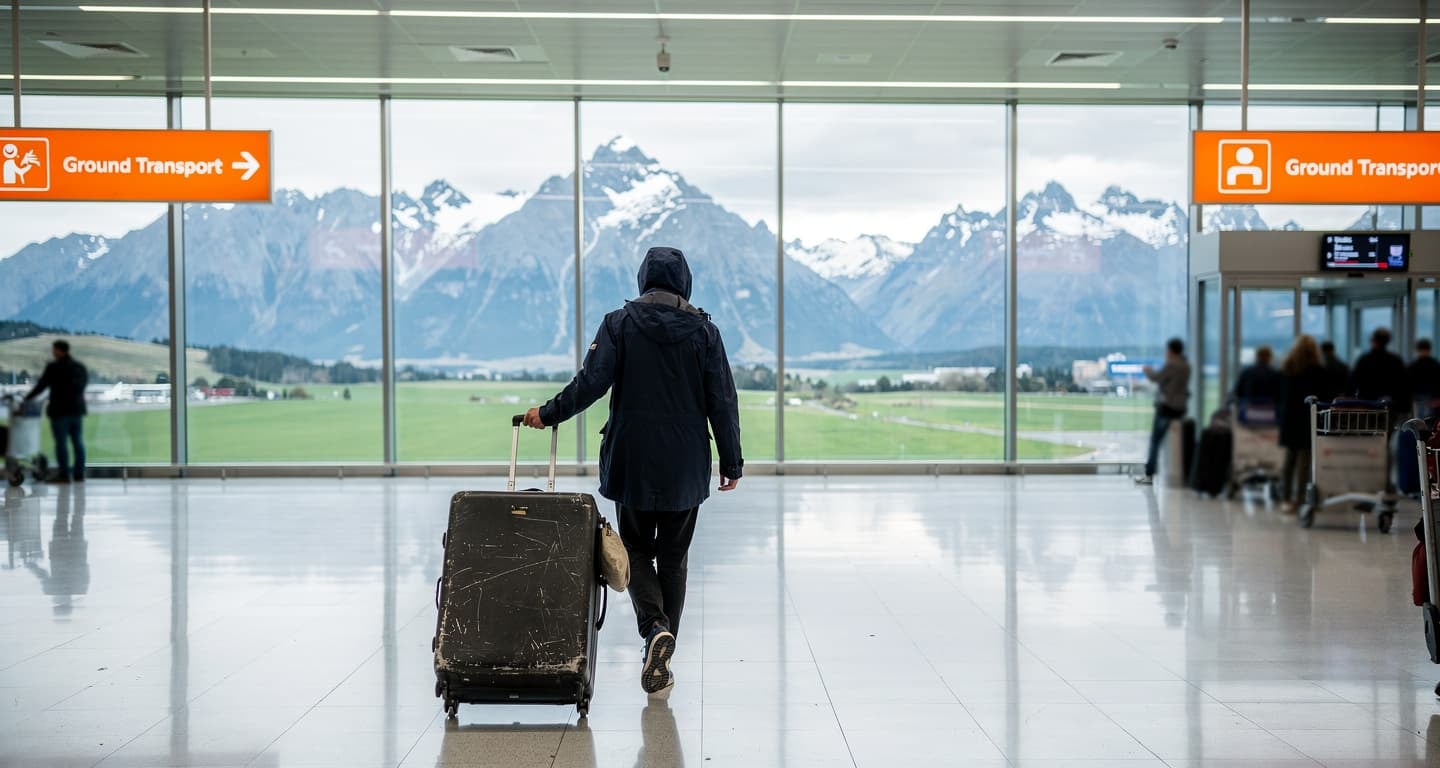
For travelers, the immediate impact is airspace. Iranian airspace has been closed to commercial overflights since the war’s first week under FAA NOTAM A1967/26 and parallel EASA restrictions. Every Europe-to-Asia flight that previously transited Iranian airspace — the fastest route from London, Frankfurt, or Paris to Bangkok, Singapore, or Sydney — now reroutes via Turkey to the north or Saudi Arabia and India to the south, adding 2–4 hours to flight times and raising fuel surcharges across the board.
How the F-35 incident changes airspace risk calculations
The F-35 is a $100 million fifth-generation stealth fighter designed to evade radar detection. That one was hit and forced to land suggests Iran’s air defense network — specifically its Russian-supplied S-300 and domestically produced Bavar-373 systems — remains operational despite weeks of US airstrikes targeting those installations.
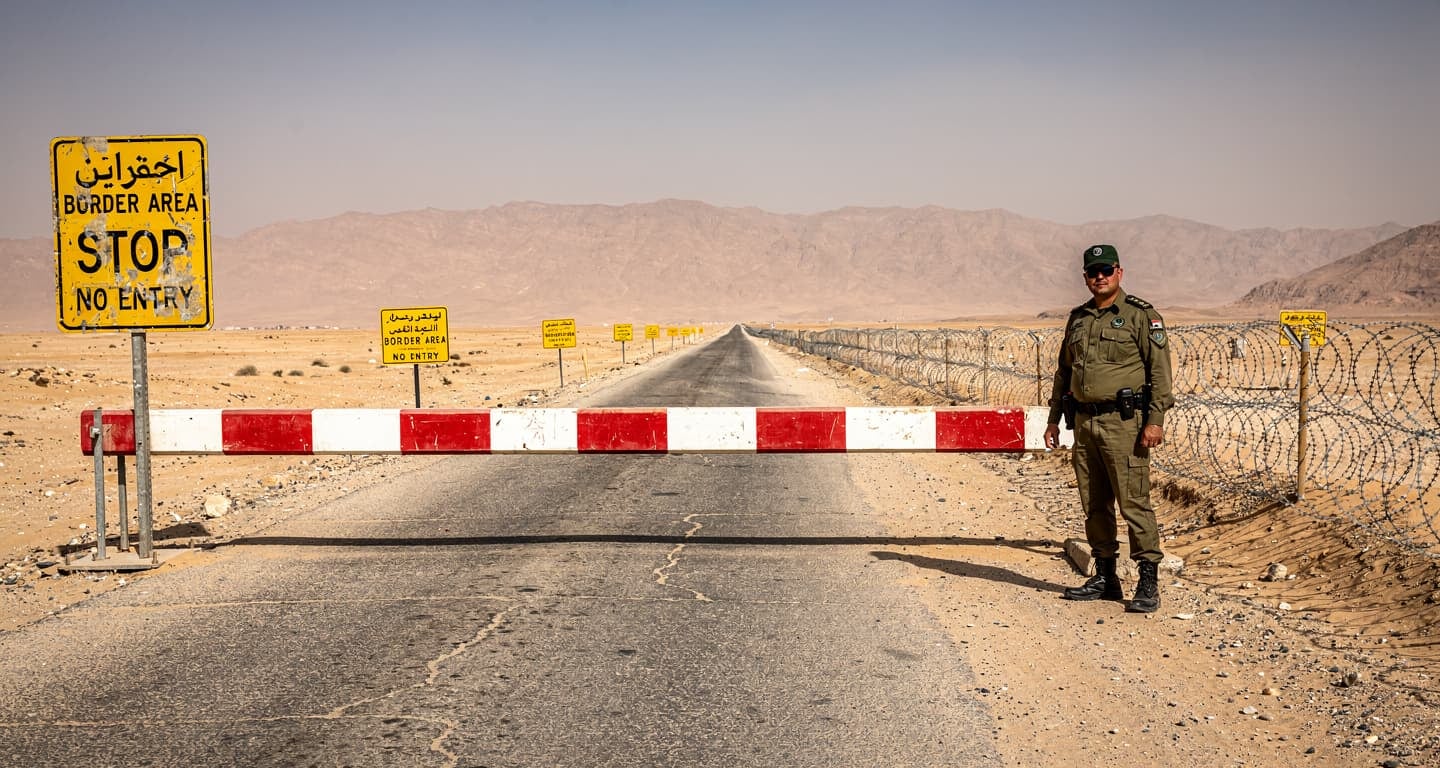
Commercial aviation regulators treat active air defense engagements as red-line events. The FAA and EASA do not distinguish between military and civilian aircraft when assessing surface-to-air missile risk — if a system can track and hit an F-35, it can track and hit a Boeing 777. Iranian airspace was already prohibited for US and European carriers, but this incident raises the stakes for adjacent airspace over Iraq, Syria, and the northern Persian Gulf, where airlines like Emirates, Qatar Airways, and Turkish Airlines maintain heavy traffic to Asia-Pacific destinations.
The investigation into the F-35 damage will determine whether this was a lucky shot or evidence of a resilient Iranian defense network. If the latter, expect the FAA to expand its NOTAM to cover Iraqi airspace west of Baghdad and Syrian airspace east of Damascus within 48–72 hours, effectively closing the entire Middle East air corridor and forcing a complete reroute of transatlantic-to-Asia traffic.
| Hub | Status | Reroute | Time added |
|---|---|---|---|
| Dubai (DXB) | Operating, rerouted | Via Saudi/India | +2–3 hours |
| Doha (DOH) | Operating, rerouted | Via Saudi/India | +2–3 hours |
| Istanbul (IST) | Operating, rerouted | Via Turkey north | +1–2 hours |
| Tehran (IKA) | Closed to US/EU | No service | N/A |
Flight deals
most people never see
Our AI monitors 150+ airlines for pricing anomalies that traditional search engines miss. Air Traveler Club members save $650 per trip per person on average: see how it works.
Each deal saves 40–80% vs. regular fares:

What this means for your Asia-Pacific trip
If you’re flying from Europe, North America, or Australasia to Asia in the next 30 days, your itinerary is almost certainly affected — even if your airline hasn’t notified you yet.
The closure of Iranian airspace eliminates the direct great-circle route from London to Bangkok, Frankfurt to Singapore, or Paris to Kuala Lumpur. Airlines are rerouting in two directions: north via Turkey and the Caspian Sea, or south via Saudi Arabia, Oman, and India. The northern route adds 1–2 hours but keeps you over NATO-aligned or neutral airspace. The southern route adds 2–4 hours but avoids any proximity to the conflict zone.
Fares have risen accordingly. Economy round-trips from London to Bangkok that typically cost £600–800 are now running £750–1,000 on Emirates and Qatar Airways due to fuel surcharges tied to the longer routings. Premium economy and business class fares have seen similar percentage increases. Turkish Airlines, which benefits from the northern reroute via Istanbul, has maintained more stable pricing but is seeing load factors above 90% on Asia routes — book early or expect limited availability.
The bigger risk is schedule volatility. If the FAA expands its NOTAM to cover Iraqi or Syrian airspace — a decision that hinges on the F-35 investigation findings — Middle East hubs will face a second wave of reroutes, potentially adding another $200–300 to fares and forcing some flights to operate via African or Central Asian corridors that haven’t seen regular commercial traffic in decades. The impact of airspace bans on Asia travel is cumulative — Russia’s closure to European carriers since 2022 already forced northern reroutes, and now the Middle East corridor is compromised from the south.
What to do if you have a Middle East connection booked
Iranian airspace is closed indefinitely, and the F-35 incident raises the probability of expanded restrictions — act within the next 24–48 hours to secure alternative routings before availability tightens further.
- Check your airline’s NOTAM compliance: Log into your booking and verify the routing. If your itinerary shows a flight path over Iran, Iraq, or Syria, it will be rerouted — contact the airline now to confirm the new schedule and any fare adjustments.
- Rebook via northern or southern hubs: Istanbul (Turkish Airlines), Singapore (Singapore Airlines), and Bangkok (Thai Airways) are operating stable schedules with minimal conflict-zone exposure. Avoid Dubai and Doha connections unless you have flexible dates and can absorb potential delays.
- Monitor the FAA NOTAM database: The FAA publishes airspace restrictions at notams.aim.faa.gov — search for “Iran FIR” or “Iraq FIR” to see real-time updates. If a new NOTAM appears covering Iraqi airspace, rebook immediately.
- Secure travel insurance with conflict exclusions waived: Standard policies exclude war zones. Look for policies that explicitly cover “government travel advisories” or “airspace closures” — these will reimburse change fees if your flight is canceled or rerouted due to military action.
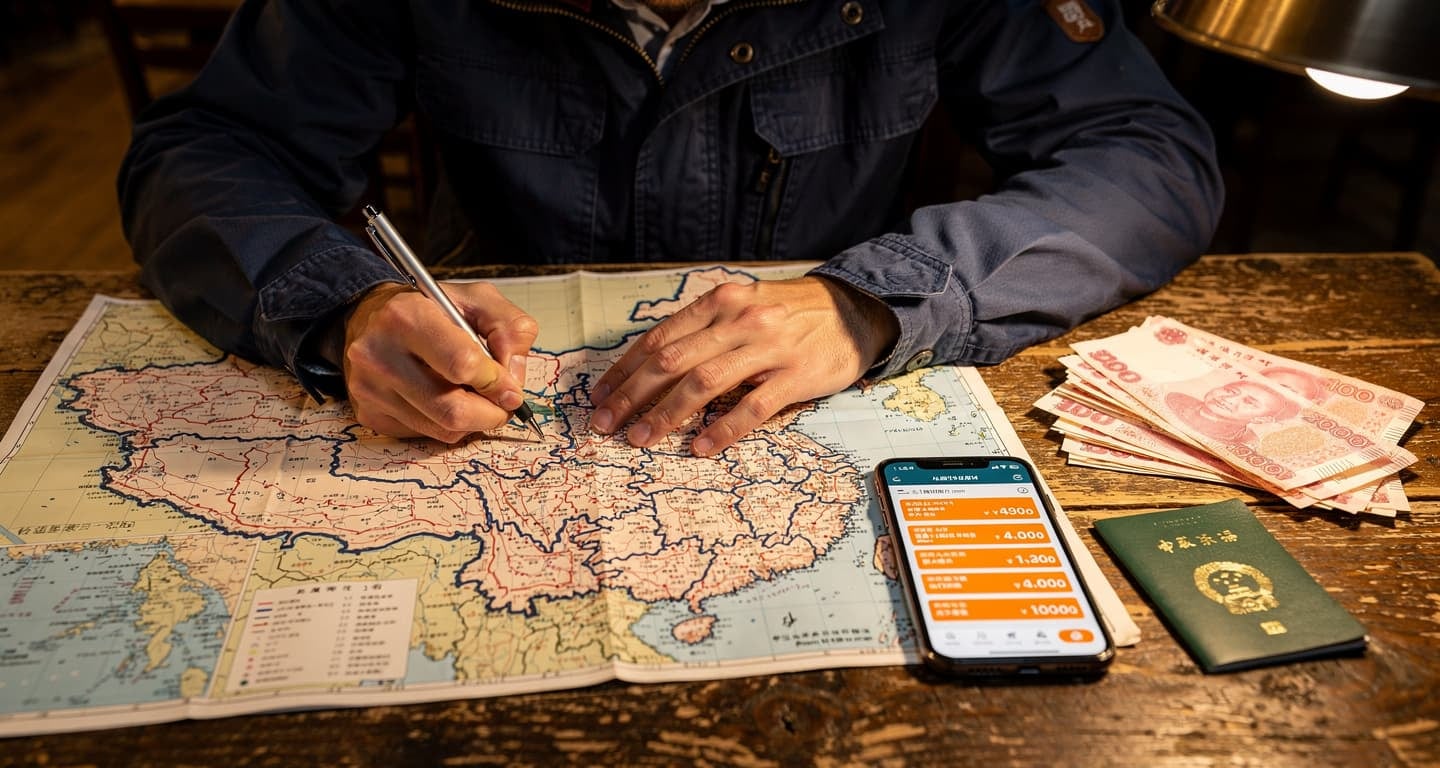
- Carry 100% of your budget in cash if transiting the region: Credit cards, debit cards, and ATMs are non-functional in Iran and increasingly unreliable in Iraq due to sanctions and banking disruptions. If your reroute forces an unplanned stopover, you’ll need physical USD or EUR in pristine condition — bills printed before 2013 or with tears are often rejected by money changers. More on why your cards won’t work in Iran.
Watch: US Central Command’s investigation findings on the F-35 damage, expected within 48–72 hours. If the report confirms the aircraft sustained critical damage or that Iranian air defenses remain fully operational, the FAA will likely expand airspace restrictions to Iraq and Syria, forcing a complete reroute of all transatlantic-to-Asia traffic and adding $300–400 to round-trip fares.

Questions? Answers.
Is it safe to fly through Middle East hubs like Dubai or Doha right now?
Dubai and Doha airports are operating normally and are not in the conflict zone — they are 500+ miles south of Iranian airspace. The risk is schedule disruption, not safety. Airlines are rerouting to avoid Iranian airspace, which adds flight time and increases the chance of delays or cancellations if airspace restrictions expand to Iraq or Syria. If you have a Middle East connection booked, the flight will operate, but expect longer travel times and monitor for schedule changes.
Will airlines refund or rebook my ticket if my flight is rerouted due to the conflict?
Airlines are required to rebook you on an alternative routing at no additional cost if your original itinerary becomes inoperable due to airspace closures. However, they are not required to refund your ticket unless the schedule change exceeds a certain threshold — typically 2+ hours for US carriers under DOT rules, or results in a different day of travel. EU261 and UK261 rules require rebooking or refund if the change is “significant.” Contact your airline directly to request a reroute or refund — do not wait for them to notify you.
How long will Iranian airspace remain closed to commercial flights?
Iranian airspace has been closed to US and European carriers since February 28, 2026, under FAA NOTAM A1967/26 and EASA restrictions. There is no published end date — the closure will remain in effect until the conflict de-escalates and regulators assess that surface-to-air missile risk has been eliminated. Historical precedent: the 12-day Israel-Iran conflict in June 2025 led to a 10-day airspace closure that lifted quickly after a ceasefire. This conflict is larger in scope, so expect closures to last weeks to months, not days.
What happens if the FAA expands airspace restrictions to Iraq or Syria?
If the FAA expands its NOTAM to cover Iraqi or Syrian airspace — a decision likely within 48–72 hours based on the F-35 investigation — all Middle East hub traffic will be forced to reroute via Turkey to the north or Africa to the south. This would add $300–400 to round-trip fares and 4–6 hours to flight times for Europe-Asia and North America-Asia routes. Airlines would likely cancel some frequencies due to aircraft range limitations on the longer routings. Monitor the FAA NOTAM database at notams.aim.faa.gov for updates.