Quick summary
Six districts in Eastern Sabah—Kudat, Kota Marudu, Pitas, Sandakan, Kinabatangan, and Tawau—remain under dusk-to-dawn sea curfews enforced since July 16, 2014, due to kidnapping-for-ransom risks targeting islands and maritime areas. The UK Foreign Office advises against all but essential travel to islands and dive sites off the eastern Sabah coast from Sandakan to Tawau, while the US State Department and Global Affairs Canada warn of increased caution for maritime activities in the region.
No kidnapping incidents have been reported in the past four to five years, but the curfews remain indefinite. Mainland Sabah, including Kota Kinabalu, is unaffected—restrictions apply only to sea-based activities and offshore islands in the Eastern Sabah Security Zone.
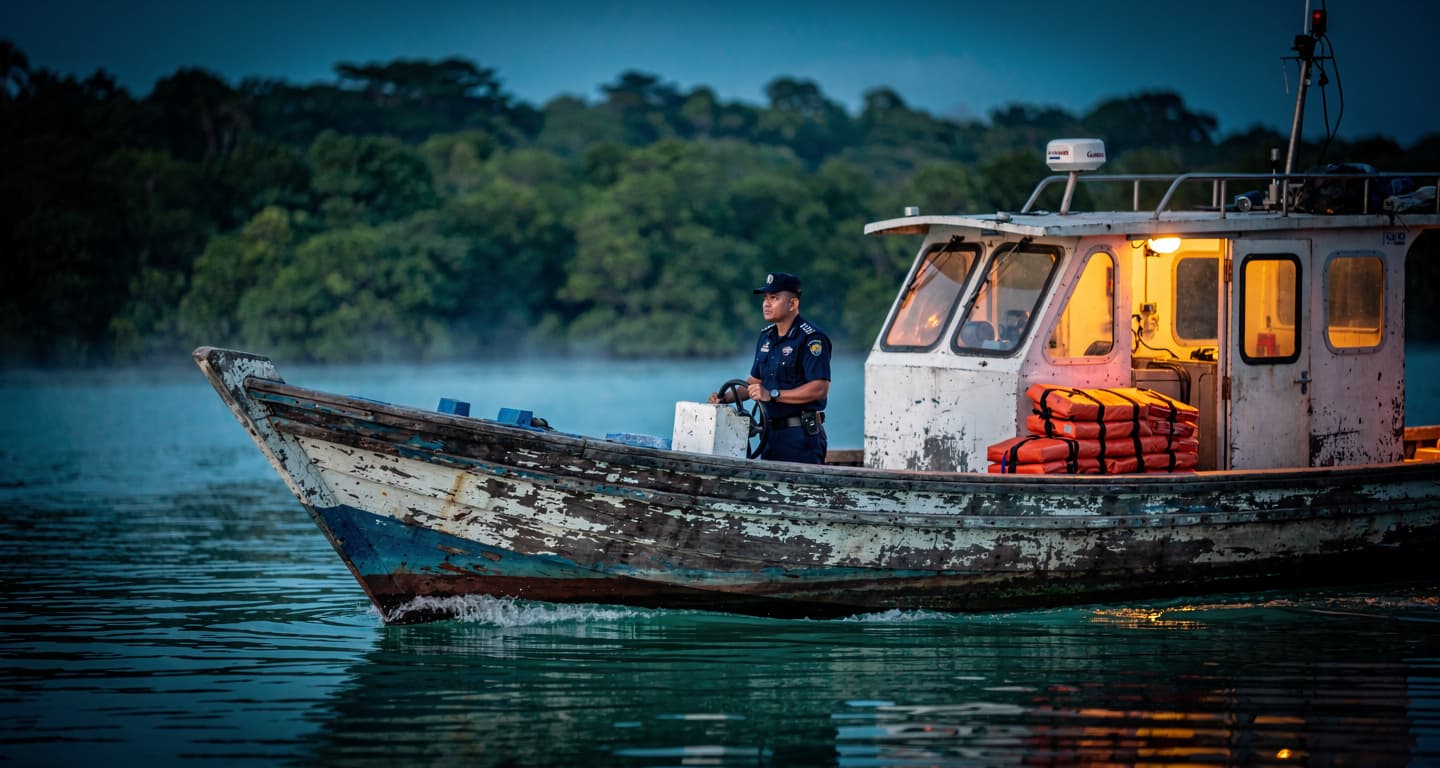
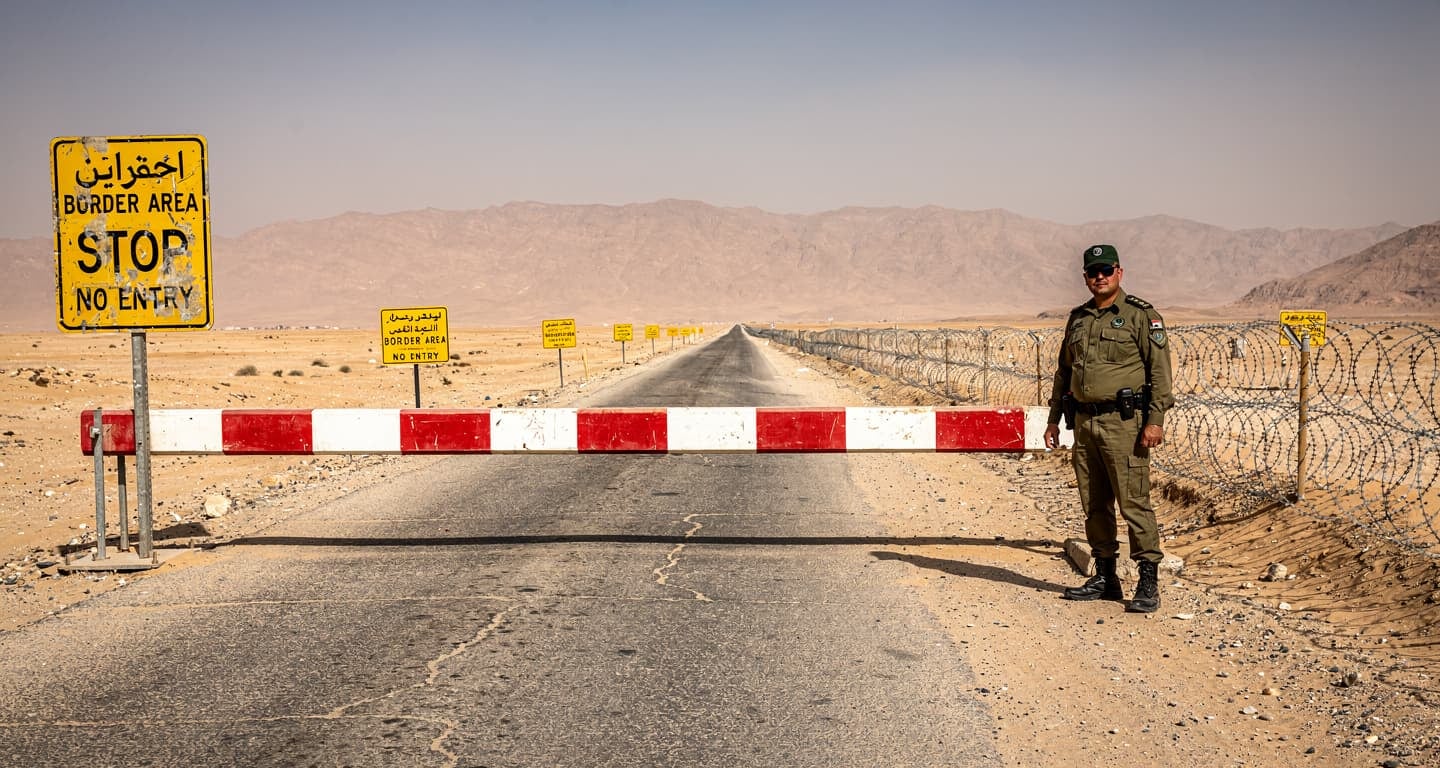
Eastern Sabah’s maritime security apparatus remains on high alert more than a decade after kidnapping-for-ransom operations by the Abu Sayyaf Group forced Malaysia to lock down six coastal districts. The Eastern Sabah Security Command (ESSCom) enforces nightly sea curfews across 1,400 kilometers of territorial waters from Kudat in the north to Tawau in the south—a zone that includes popular dive destinations like Sipadan and resort islands such as Lankayan.
The UK FCDO advisory explicitly warns against non-essential travel to islands and dive sites off the eastern Sabah coast, excluding the mainland. US and Canadian advisories echo this caution for maritime areas, though none impose blanket bans on Sabah itself.
For travelers planning trips to Malaysian Borneo, the practical boundary is clear: mainland Sabah—including Kota Kinabalu, Mount Kinabalu, and inland rainforest lodges—operates without restriction. The risk zone is offshore. Dive operators, island resorts, and boat-based tours in the Sandakan-to-Tawau corridor remain subject to security protocols that include mandatory ESSCom clearances and strict adherence to curfew hours.
Why the curfews persist despite zero recent incidents
The last confirmed kidnapping in Eastern Sabah occurred in 2014. Between 2000 and 2014, the Abu Sayyaf Group—a militant organization based in the southern Philippines—carried out 43 kidnappings in the region, targeting tourists at resorts and divers at sea. Victims were transported by speedboat to hideouts in Jolo, where ransoms were negotiated.
ESSCom was established in 2013 to close the security gap. The command operates 20+ sea checkpoints, conducts joint patrols with Philippine authorities, and vets local fishermen to eliminate insider complicity. Intelligence sharing between Malaysia and the Philippines has been credited with the operational decline—zero incidents have been reported in the past four to five years.
Yet the curfews remain indefinite. The economic incentive for kidnapping—ransoms that once reached millions of dollars—has not disappeared, and the porous maritime border with the Sulu Archipelago cannot be sealed entirely. ESSCom’s presence is a deterrent, not a guarantee. The curfews function as a tripwire: any vessel moving after dusk without authorization is flagged immediately.
| District | Key locations | Curfew hours | Primary risk |
|---|---|---|---|
| Kudat | Northern tip islands | Dusk to dawn | Cross-border speedboat incursions |
| Sandakan | Lankayan, Turtle Islands | Dusk to dawn | Resort/dive site targeting |
| Kinabatangan | River delta, coastal villages | Dusk to dawn | Isolated waterfront properties |
| Tawau | Sipadan, Semporna islands | Dusk to dawn | High-value dive tourism |
In January 2026, Malaysia’s Deputy Prime Minister announced that 25 countries had downgraded their travel advisories for Eastern Sabah from Level 3 (do not travel) to Level 2 (exercise caution). The UK, US, and Canada have not followed suit—their advisories remain unchanged, reflecting a more conservative risk assessment.
Flight deals
most people never see
Our AI monitors 150+ airlines for pricing anomalies that traditional search engines miss. Air Traveler Club members save $650 per trip per person on average: see how it works.
Each deal saves 40–80% vs. regular fares:

How kidnapping operations exploited Sabah’s geography
The Abu Sayyaf Group’s success in Eastern Sabah was not random—it was a function of geography and local complicity. Sabah’s eastern coastline stretches more than 1,000 kilometers, much of it dotted with small islands and dive sites accessible only by boat. The Sulu Archipelago in the southern Philippines lies less than 50 kilometers offshore at its closest point.
Kidnapping teams used speedboats to cross from Jolo to Sabah under cover of darkness, often with advance intelligence from local contacts who identified high-value targets—foreign tourists at resorts or dive groups on liveaboard boats. Victims were transported back to Jolo within hours, where they were held in jungle camps while ransom negotiations played out over weeks or months.
The model required three elements: porous borders, insider knowledge, and isolated targets. ESSCom’s strategy has been to disrupt all three. Sea checkpoints make cross-border movement visible. Vetting of fishermen and resort staff reduces insider complicity. And the curfew eliminates the window of vulnerability—no legitimate maritime activity occurs after dusk, so any boat movement is automatically suspicious.
The economic impact has been significant. Sipadan, one of the world’s top dive sites, saw visitor numbers drop sharply after the 2014 kidnappings. Resorts on Lankayan and Mabul islands operate under tight security protocols, and some dive operators have shifted their focus to mainland-based day trips rather than overnight island stays.
What travelers should do before booking Sabah trips
The curfews are indefinite, and Western government advisories show no sign of being lifted. If your trip involves islands or dive sites off the eastern Sabah coast, the risk calculus has not changed since 2014.
- Check your government’s advisory: US travelers should consult travel.state.gov, Canadians voyage.gc.ca, UK nationals gov.uk/foreign-travel-advice/malaysia. These advisories are updated more conservatively than Malaysia’s own assessments.
- Avoid non-essential maritime travel in the curfew zone: This includes dive trips to Sipadan, resort stays on Lankayan or Mabul, and any boat-based tours departing from Sandakan, Semporna, or Tawau after dusk. Mainland Sabah—Kota Kinabalu, Mount Kinabalu, inland lodges—is not affected.
- Verify operator credentials: If you proceed with a dive or island trip, confirm the operator holds current ESSCom clearance and follows curfew protocols. Licensed operators will not schedule departures or returns after dusk.
- Review travel insurance exclusions: Many policies exclude coverage for travel to areas under government advisory. If you book a trip to the eastern islands and need to cancel due to security concerns, check whether your policy covers “known risks” or requires an advisory upgrade to trigger a refund.
- Monitor for advisory changes: The UK FCDO and US State Department update their Malaysia advisories periodically. A downgrade from “avoid non-essential travel” to “exercise caution” would signal a meaningful shift in the risk assessment.

Questions? Answers.
Does this affect flights to Kota Kinabalu?
No. Kota Kinabalu International Airport and mainland Sabah are not subject to travel advisories or curfews. The restrictions apply only to maritime areas and islands off the eastern coast from Sandakan to Tawau. Direct flights from North America via Hong Kong or Singapore operate normally, and hotels in Kota Kinabalu, Mount Kinabalu, and inland rainforest lodges are unaffected.
What if I have a pre-booked dive trip to Sipadan?
Contact your dive operator immediately to discuss cancellation or itinerary changes. Most operators will offer refunds or rebooking under force majeure clauses, given the ongoing government advisories. Check your travel insurance policy—many insurers cover cancellations when a government advisory explicitly warns against travel to a destination, but exclusions for “known risks” may apply if you booked after the advisory was issued.
How effective is ESSCom—are there any metrics?
ESSCom operates more than 20 sea checkpoints and conducts joint patrols with Philippine authorities. The command has reported zero kidnapping or piracy incidents in Eastern Sabah for the past four to five years, a decline attributed to intelligence sharing, mandatory vessel transponders, and vetting of local fishermen to eliminate insider complicity. The curfews remain in place as a deterrent, not because of recent incidents.
Can I visit other parts of Sabah safely?
Yes. The advisories and curfews apply only to the Eastern Sabah Security Zone—specifically, islands and maritime areas off the coast from Kudat to Tawau. Mainland destinations including Kota Kinabalu, Mount Kinabalu, Kinabalu Park, and the Kinabatangan River are not subject to restrictions. Travelers should avoid booking overnight stays on islands or dive trips that require boat travel after dusk in the curfew zone.
Why haven’t the US and Canada downgraded their advisories?
Western governments apply more conservative risk thresholds than Malaysia’s own assessments. While Malaysia’s Deputy Prime Minister announced in January 2026 that 25 countries had eased their advisories to Level 2 (exercise caution), the UK, US, and Canadian advisories remain unchanged. These governments prioritize the indefinite nature of the curfews and the unresolved economic incentive for kidnapping over the absence of recent incidents.