Quick summary
On April 12, 2026, 445 flights were cancelled and 3,839 delayed across Asia-Pacific hubs including Jakarta Soekarno-Hatta, Beijing Capital, Tokyo Haneda, Singapore Changi, and Dubai International. The disruption—triggered by Himalayan snowfall blocking northern routing corridors, West Asia airspace restrictions, and severe thunderstorms across Southeast Asia—represents the single largest disruption day recorded in early April 2026. Travelers with bookings through heavily affected hubs like Jakarta (CGK), Beijing (PEK), and Tokyo (HND) between April 12–30 face rebooking waits of 5–7 days on long-haul routes to Europe and Australia due to cascading slot misalignments.
Recovery is expected to take three weeks based on March 2026 precedent. Passengers currently in transit or planning trips within the next 48 hours must contact airlines immediately to confirm flight status and explore alternative routings.
What happened across Asia-Pacific on April 12
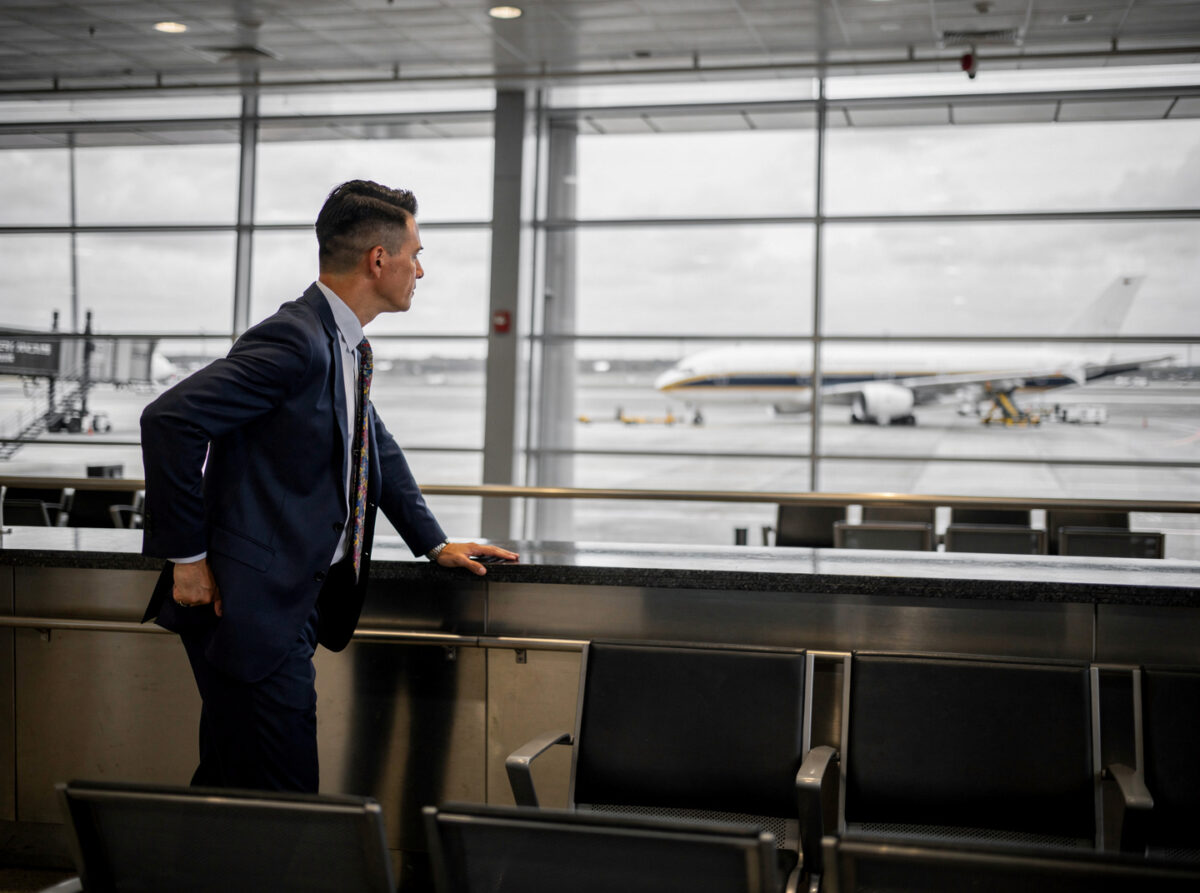
A major disruption over the weekend turned ordinary travel plans into a regional meltdown. Passengers across multiple countries woke up to a wave of cancellations and delays that rippled from Tokyo through Southeast Asia and into the Gulf.
The numbers tell the story: 445 cancellations and 3,839 delays in a single day.
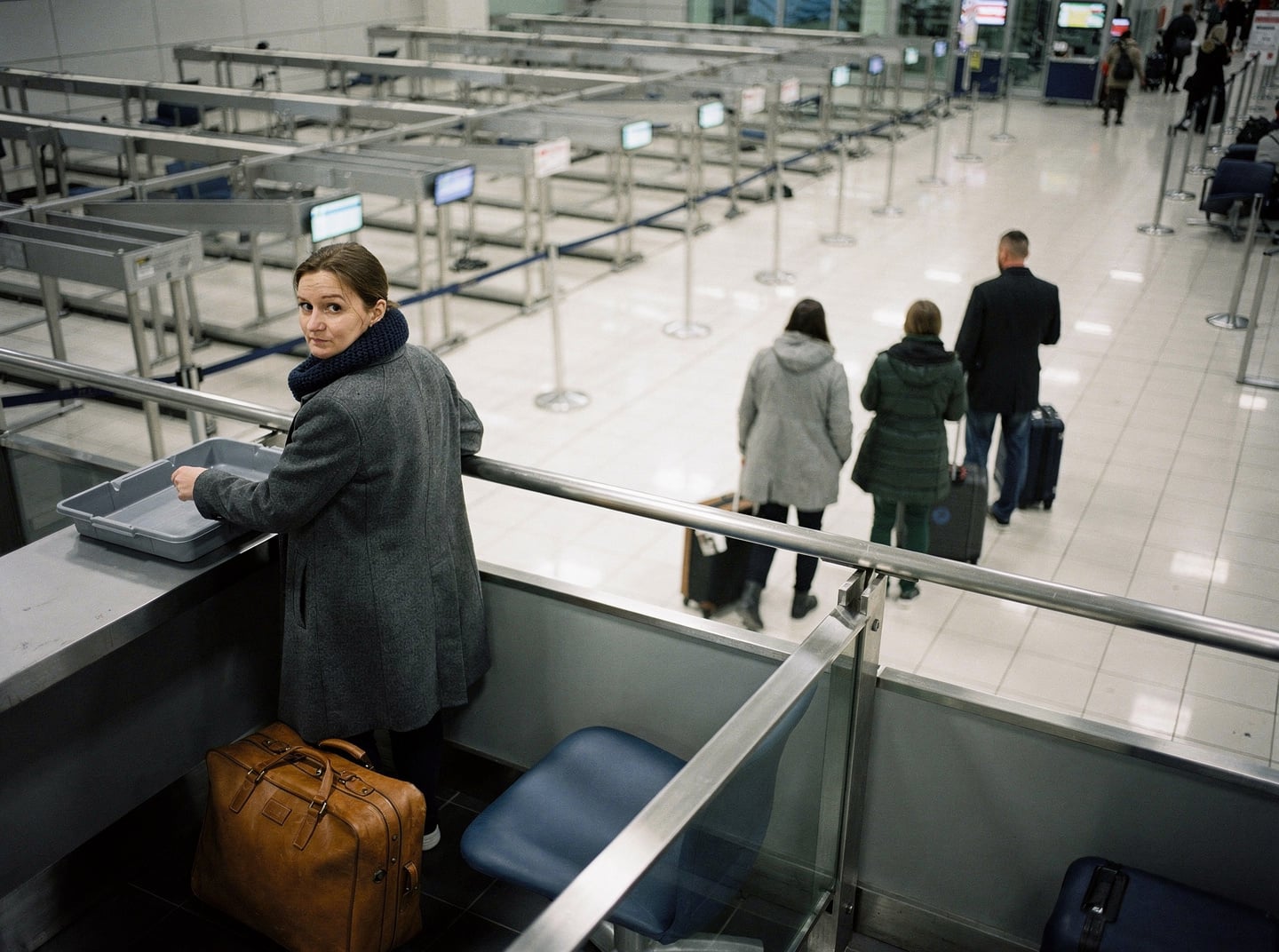
For thousands of travelers, that meant missed holidays, disrupted business trips, and long, uncertain hours stuck in terminals. The disruption hit some of Asia’s busiest aviation gateways hardest—Jakarta Soekarno-Hatta, Beijing Capital, Tokyo Haneda, Kuala Lumpur, Bangkok Suvarnabhumi, and Singapore Changi. Airlines including AirAsia, Batik Air, China Eastern, ANA, JAL, Korean Air, IndiGo, and Saudia bore the brunt of the operational strain.
At these hubs, tightly packed departure schedules meant even small disruptions quickly snowballed. Once morning and evening peak waves were thrown off balance, recovery became increasingly difficult. A single delayed aircraft often meant multiple disrupted legs, especially on tightly scheduled regional networks. For passengers, that translated into long queues, missed connections, and rebookings stretching into the following days—sometimes a full week later on long-haul routes to Europe and Australia.
Why the system cracked on April 12
There was no single cause behind the disruption. Instead, several pressures collided at once.
Himalayan snowfall blocked northern routing corridors, forcing airlines to reroute southward. West Asia airspace restrictions—driven by geopolitical factors—further compressed available routing options. Severe thunderstorms across Southeast Asia forced temporary ground stops at key hubs, throwing aircraft rotations out of sync and creating ripple effects across entire fleets.
But weather and airspace constraints weren’t the only factors. Airport capacity limitations at Jakarta, Beijing, and Tokyo meant even minor delays cascaded quickly. Fuel surcharges of 30%+ applied by premium carriers and double-digit hikes on low-cost and long-haul operators have pushed airlines to run tighter schedules with less flexibility—leaving little room for error when something goes wrong.
The disruption built upon earlier system strain, including a separate event on April 10 that saw over 570 cancellations across China, Indonesia, Japan, South Korea, and the UAE. March 2026 saw similar multi-day disruption patterns with over 700 cancellations and 2,000 delays on single days across Asia-Pacific, with recovery taking approximately three weeks. April 12’s numbers exceed typical March daily peaks, suggesting a compounding effect of repeated disruption waves over a six-week span.
| Airport | Primary carriers | Key APAC connections | Known pain points |
|---|---|---|---|
| Jakarta Soekarno-Hatta (CGK) | Garuda Indonesia, Batik Air | Singapore, Bangkok, Kuala Lumpur, Manila | Immigration queues 45–90 min; Terminal 3 construction |
| Beijing Capital (PEK) | China Eastern | Shanghai, Chengdu, Seoul, Tokyo | Terminal 3 congestion; slow immigration processing |
| Tokyo Haneda (HND) | ANA, JAL | Seoul, Shanghai, Bangkok, Singapore, Sydney | Terminal 1 baggage congestion; immigration queues 30–60 min |
| Singapore Changi (SIN) | Singapore Airlines, Scoot | Bangkok, Kuala Lumpur, Jakarta, Manila, Sydney | Avoided cancellations but recorded hundreds of delays |
Industry sources indicate the recovery timeline will follow March 2026 precedent—approximately three weeks. Passengers with bookings through affected hubs in the 48 hours following disruption face rebooking waits of 5–7 days on Europe and Australia routes due to limited spare capacity. Earlier April disruptions showed similar patterns, with recovery complicated by ongoing airspace restrictions and weather volatility.
Flight deals
most people never see
Our AI monitors 150+ airlines for pricing anomalies that traditional search engines miss. Air Traveler Club members save $650 per trip per person on average: see how it works.
Each deal saves 40–80% vs. regular fares:
How this affects travelers from different regions
The April 12 disruption didn’t hit all travelers equally—geographic origin matters when connections collapse.
North America: Travelers from Los Angeles, San Francisco, and Vancouver connecting through Tokyo Haneda, Beijing Capital, or Jakarta to Europe or the Middle East face 5–7 day rebooking delays. The problem: limited spare capacity on transpacific routes means airlines can’t easily absorb displaced passengers. Recommendation: check United, ANA, and Air Canada websites for April 15–30 direct or one-stop availability via Honolulu or Anchorage; expect 25–35% fare premiums versus typical Asia-hub routing.
Europe: London, Paris, and Frankfurt travelers connecting through Jakarta, Beijing, or Tokyo to Australia and New Zealand face missed connections and 4–6 day rebooking waits. The alternative: Middle East hubs like Dubai, Doha, and Abu Dhabi offer more routing flexibility, though Dubai International is operating under extended EU airspace restrictions through April 24. Contact Lufthansa, Air France, or KLM customer service to request Middle East routing; confirm fuel surcharge impact, typically an additional 15–20% on alternative routings.
Australasia: Sydney, Melbourne, and Auckland travelers connecting through Singapore, Tokyo, or Beijing to Europe or North America face 3–5 day rebooking delays. The advantage: Australia and New Zealand have more direct long-haul options than other regions, though at a price. Check Qantas, Air New Zealand, and Singapore Airlines for April 15–May 3 availability; prioritize direct Sydney–London or Sydney–Los Angeles if budget allows—typically $200–400 premium versus hub routing.
Within Asia: Domestic and intra-Asia travelers on routes like Bangkok–Singapore or Jakarta–Tokyo face 2–4 hour delays and 15–20% rebooking waits. The upside: shorter distances mean more alternative options. Book low-cost carriers like AirAsia or Batik Air on alternative dates if flexibility exists. Use Skyscanner to compare April 13–20 dates; book 24 hours in advance to secure lowest fares before additional fuel surcharges are applied.
What to do if you’re affected
The disruption window extends through April 30, with recovery expected by early May—here’s the priority order for protecting your trip.
- Call your airline immediately if you have bookings April 12–30 through Jakarta, Beijing, or Tokyo. Confirm flight status and request rebooking on alternative routing via Bangkok or Kuala Lumpur if your original connection is cancelled. Request written confirmation and hotel or meal vouchers if an overnight stay is required. Phone numbers: ANA 1-800-235-9262, China Eastern +86-95530, Garuda Indonesia +62-21-2351-9999.
- Use Google Flights to search direct flights or single-stop itineraries avoiding CGK, PEK, and HND hub connections. Filter by “fewer stops” and expect 25–35% fuel surcharge premiums on remaining capacity. Book within 24 hours to lock in fares before additional surcharges are applied.
- For Europe–Australia routes, check Middle East hub alternatives. Dubai, Doha, and Abu Dhabi offer potentially faster rebooking via Lufthansa, Air France, or Emirates. Note that Dubai International is operating under extended EU airspace restrictions through April 24, which may affect European carrier availability.
- If you’re currently in transit, go to the airline customer service desk—not the phone line. Queues at phone centers run 2–4 hours. Request hotel vouchers and meal allowances per airline policy, and ask for written confirmation of rebooking to avoid disputes.
- Document everything. Keep boarding passes, rebooking confirmations, and receipts for out-of-pocket expenses. EU passengers on EU-departing flights or EU carriers may be entitled to €400–600 compensation under EU261/2004 for delays exceeding three hours, depending on distance. US and Canadian passengers are entitled to rebooking on the next available flight at no additional cost under DOT and APPR rules.
Watch: April 19–26 recovery milestones. If rebooking waits exceed seven days or additional disruption days occur, that signals an extended four-week recovery versus the three-week baseline. Monitor airspace reopening announcements from West Asia authorities and Himalayan weather forecasts for May 1–15—if conditions persist, expect May disruptions.
Questions? Answers.
Which airlines are required to provide compensation for the April 12 disruptions?
EU passengers on flights departing EU airports or operated by EU carriers may be entitled to €400–600 compensation under EU261/2004 for delays exceeding three hours, depending on distance. US and Canadian passengers are entitled to rebooking on the next available flight at no additional cost under DOT and APPR rules. Australian and New Zealand passengers have protections under Australian Consumer Law and CCCFA, though specific thresholds vary by carrier. Force majeure clauses—covering severe weather and airspace restrictions—may limit liability depending on jurisdiction and airline policy.
How long will it take for flight schedules to return to normal?
Industry analysis indicates a three-week recovery period based on March 2026 precedent, extending through approximately May 3. Passengers with bookings in the 48 hours following disruption face rebooking waits of 5–7 days on long-haul routes to Europe and Australia due to limited spare capacity. If rebooking waits exceed seven days or additional disruption days occur between April 19–26, that signals an extended four-week recovery timeline.
Are there alternative airports I should consider for Asia travel in late April?
Yes. For Tokyo connections, consider Narita (NRT) instead of Haneda—it’s 60 km east with longer transfer times but less congestion. For Beijing, Daxing (PKX) is 46 km south of Capital and offers a newer facility with fewer delays. For Jakarta, Bandung Husein Sastranegara (BDO) is 180 km east but has limited international service. Alternatively, reroute through less-affected hubs like Bangkok Suvarnabhumi, Kuala Lumpur, or Middle East hubs (Dubai, Doha, Abu Dhabi) if your itinerary allows.
Why did fuel surcharges increase so dramatically during this disruption?
Fuel surcharges of 30%+ on premium carriers and double-digit hikes on low-cost operators reflect multiple pressures: rerouting around West Asia airspace restrictions increases flight time and fuel burn; Himalayan snowfall forced southern routing that adds distance; and airlines operating with minimal spare capacity must price remaining seats to cover higher operational costs. These surcharges typically remain elevated for 2–3 weeks following major disruptions as the system recovers.