Quick summary
Dubai International Airport is operating on April 13, 2026, with Emirates serving approximately 127 destinations and flydubai maintaining over 100 routes, but Dubai Airports is advising passengers not to travel to the airport without a confirmed departure time directly from their airline. The European Union Aviation Safety Agency extended its conflict zone bulletin avoiding UAE airspace until April 24, keeping European carriers like KLM suspended through May 17, while Air Canada has pushed its suspension to September 7 and Philippine Airlines canceled Manila–Dubai service through April 30.
The US-Iran ceasefire that took effect April 8 prompted Bahrain airport to reopen and Gulf Air to resume Dubai flights, but the fragile security situation continues to delay full network recovery. Emirates has 20 routes suspended in April, including Houston, Los Angeles, and Osaka, with a rebooking window for February 28–April 30 travel extending to a June 15 deadline.
Dubai airport status: open but disrupted
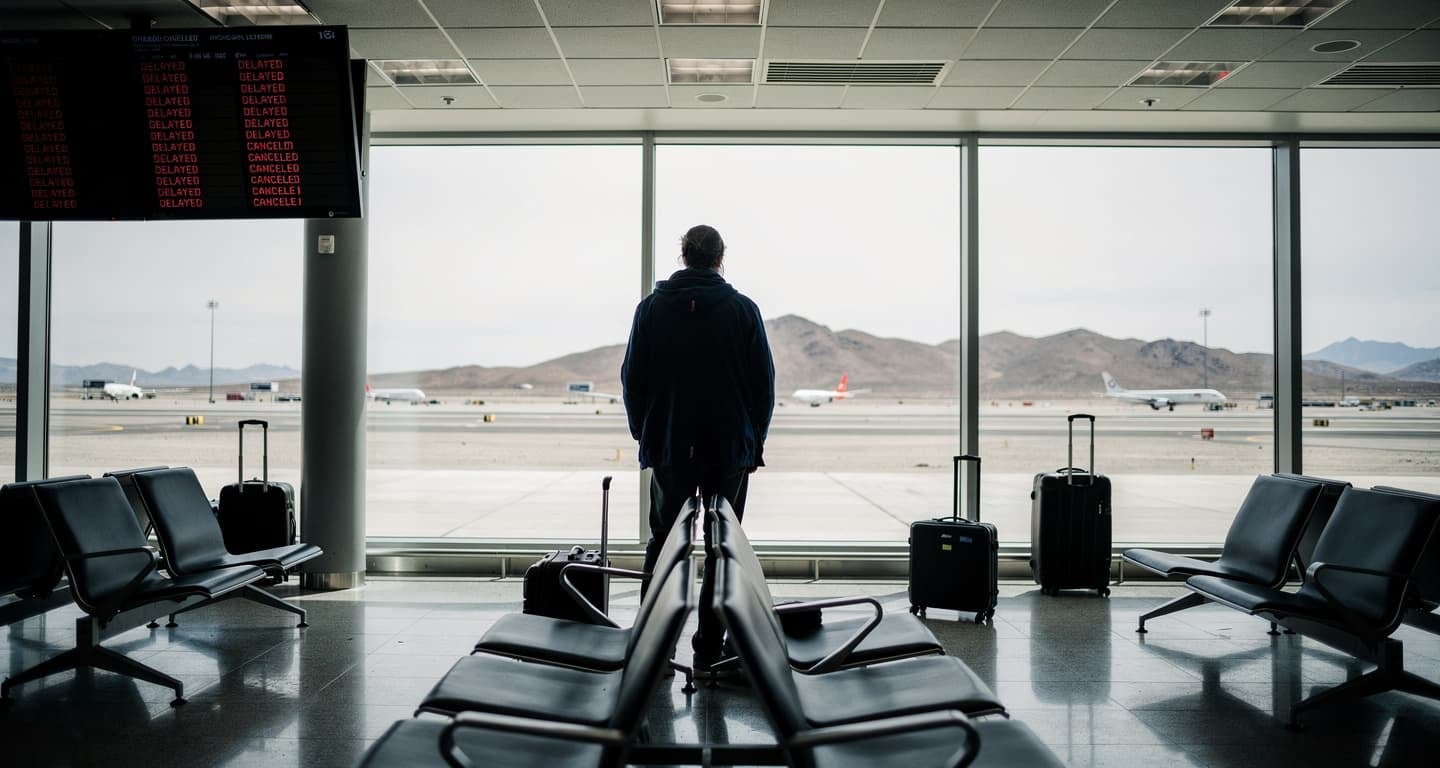
Dubai International Airport’s three terminals are processing arrivals and departures, but the advisory against traveling without airline confirmation reflects operational reality rather than precaution. The ceasefire between the United States and Iran that began April 8 has not restored normal airspace access — the European Union Aviation Safety Agency’s conflict zone bulletin remains in force through April 24, requiring European carriers to avoid UAE airspace entirely.
That restriction has severed key Asia-Pacific connections. KLM suspended Amsterdam–Dubai service through May 17. Air Canada extended its Dubai suspension to September 7. Philippine Airlines canceled Manila–Dubai flights (PR658/659) through April 30. Cathay Pacific pulled Hong Kong–Dubai service through the same date.
Travel industry reports indicate Singapore Airlines (SQ) suspended its Singapore–Dubai route, stranding passengers who booked connecting itineraries via the Gulf hub. Data from Google Flights and airline sites shows limited availability on many Dubai routes due to the ongoing suspensions — searches for Los Angeles–Dubai economy returns between April 20–30 show no availability, while typical fares when the route operates run above $1,200. London–Dubai fares, when bookable, exceed £800 with sparse seat inventory.
Verify your flight status at Dubai Airports’ live tracker or directly through your airline before leaving for the airport. Emirates maintains real-time updates at its flight status portal, while flydubai posts schedule changes within one hour of confirmation.
| Airline | Route | Suspension period | Status |
|---|---|---|---|
| Air Canada | Toronto–Dubai | Through Sep 7, 2026 | Extended suspension |
| KLM | Amsterdam–Dubai | Through May 17, 2026 | EASA bulletin compliance |
| Philippine Airlines | Manila–Dubai (PR658/659) | Through Apr 30, 2026 | Regional instability |
| Cathay Pacific | Hong Kong–Dubai | Through Apr 30, 2026 | Airspace restrictions |
| Emirates | 20 routes (Houston, LAX, Osaka) | April 2026 | Partial network suspension |
How airspace restrictions cascade to passengers
The conflict zone bulletin forces a choice: airlines either avoid UAE airspace entirely, or they operate with insurance and regulatory risk. European carriers chose the former — their absence from Dubai creates a gap in the Asia-Pacific connectivity network that Gulf carriers cannot fully absorb.
Emirates operates over 220 daily departures from Dubai, primarily using Airbus A380 and Boeing 777 aircraft. Flydubai maintains more than 100 routes with Boeing 737 MAX jets. Gulf Air resumed Dubai service to 13 destinations following the ceasefire, using Airbus A321neo aircraft to restore Bahrain connectivity. But with KLM and Singapore Airlines suspended and no frequency data available for their return, passengers connecting between Asia-Pacific and Europe face rerouting through Doha or Abu Dhabi — adding 2–4 hours and $300+ in fare premiums.
Dubai faced similar disruptions in March 2025 due to Gulf tensions, when UAE airspace partial closure lasted 18 days. Emirates suspended 35 routes during that period, and recovery to 90% capacity took until May 15, 2025. The European safety agency’s bulletin then lasted 28 days before lifting.
Flight deals
most people never see
Our AI monitors 150+ airlines for pricing anomalies that traditional search engines miss. Air Traveler Club members save $650 per trip per person on average: see how it works.
Each deal saves 40–80% vs. regular fares:

Passenger rights vary by departure region. EU and UK departures qualify for €250–600 compensation under EU261 and UK261 regulations for delays exceeding three hours or cancellations with less than 14 days’ notice, provided the disruption is not airline fault. US passengers can claim full refunds within seven days or rebooking under Department of Transportation rules. Australian travelers are entitled to refunds under Australian Consumer Law if delays exceed 30 minutes.
What to do if your Dubai flight is affected
The advisory against traveling without confirmation is not a suggestion — it reflects the high probability of last-minute cancellations as airlines adjust to airspace constraints.
- Check airline status now: Visit Emirates flight status portal or call flydubai at +971-600-544-445 within one hour of your scheduled departure. Do not rely on booking confirmation emails — they do not reflect real-time changes.
- Request rebooking or refund: If your flight is unconfirmed 24 hours before departure, contact your airline immediately. Emirates offers rebooking through its My Trip portal for travel originally scheduled February 28–April 30, with a June 15 deadline. Air Canada passengers can call 1-800-247-2262 for rerouting via Abu Dhabi or Doha.
- Consider alternative hubs: Qatar Airways and Etihad are absorbing some displaced traffic through Doha and Abu Dhabi. Book directly through airline sites rather than third-party platforms to ensure rebooking flexibility.
- If already in transit: Download the Dubai Airports app for gate information if you’ve landed. Contact your airline’s transfer desk immediately if your connecting flight is canceled — Singapore Airlines passengers affected by the SQ494/495 suspension should visit the airline’s website for rebooking options.
Watch: The European Union Aviation Safety Agency’s conflict zone bulletin review is expected around April 24. If lifted, Europe–Asia-Pacific connections via Dubai could resume in June, potentially reducing fares by 15–20%. If extended, expect more carriers to push suspensions into the third quarter, as Air Canada has already done.

Questions? Answers.
Can I still connect through Dubai to Asia-Pacific destinations?
Yes, if you’re flying Emirates or flydubai on both legs of your journey. Connections involving suspended carriers like KLM, Cathay Pacific, or Singapore Airlines will not operate — you must rebook through Doha or Abu Dhabi.
What happens if my airline cancels my Dubai flight?
You are entitled to a full refund or rebooking at no additional cost. EU and UK passengers may also qualify for €250–600 compensation under EU261/UK261 if the cancellation occurs with less than 14 days’ notice and is not due to extraordinary circumstances. Contact your airline directly to initiate the claim.
Is Abu Dhabi a viable alternative to Dubai right now?
Yes. Abu Dhabi International Airport is not subject to the same airspace restrictions affecting Dubai. Etihad operates a full schedule with 60-minute minimum connection times and less congestion than Dubai. The airport is 30 minutes by road from Dubai if you need to reposition.
When will European carriers resume Dubai flights?
That depends on the European Union Aviation Safety Agency’s April 24 review of its conflict zone bulletin. If lifted, carriers like KLM could resume service in June. If extended, suspensions may last through September, as Air Canada has already announced.