Quick summary
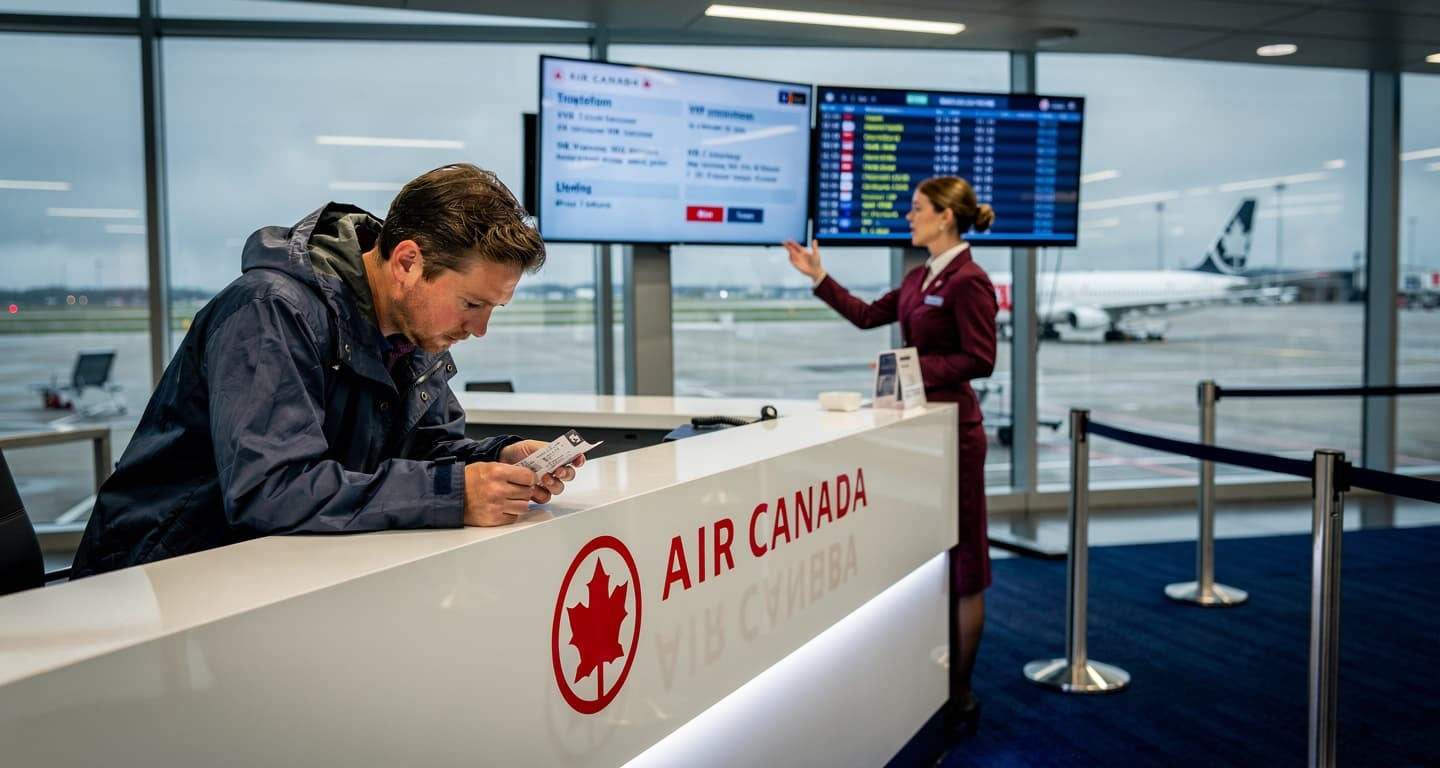
Air New Zealand is cutting 4% of flights across domestic routes in May and June 2026, consolidating 27 Auckland-Christchurch rotations and 30 Wellington-Christchurch services in response to jet fuel costs now at $2.95 per gallon — up 15% year-over-year. Travelers connecting through Auckland to Asia-Pacific destinations face tighter seat availability and 8-12% higher domestic fares compared to Q1 2026, with premium cabin seats filling faster as competitors match the cuts.
The airline claims only 1% of passengers are affected due to load factor optimization, but the math matters for last-minute bookers: fewer flights mean less inventory when you need it. Affected customers receive rebooking notifications starting March 12, 2026, with most moved to same-day alternatives — though flexibility shrinks as May approaches.
Air New Zealand confirmed the schedule adjustments on March 11, 2026, citing sustained high jet fuel costs as the driver behind capacity discipline across its domestic network.
The cuts target trunk routes feeding Auckland’s international hub. Christchurch loses the most frequency: 27 Auckland rotations (averaging four per week) and 30 Wellington services disappear from the May-June timetable. Wellington-Auckland sees minor tweaks, while smaller ports like Hokitika, Timaru, and Rotorua remain untouched to preserve regional connectivity.
This follows an earlier round of reductions between March 16 and May 3, 2026, when Christchurch-Auckland dropped 31 rotations and Wellington services fell by 21. The airline preserved April school holiday capacity but is now tightening the screws for shoulder season travel.
For travelers routing through Auckland to reach destinations like the Marshall Islands or broader Asia-Pacific, the practical impact is twofold: fewer domestic connection options and higher fares when booking inside 30 days. A sample Auckland-Wellington round-trip that cost $145 NZD in April 2026 now prices at $160 NZD for May departures — an 8-12% premium driven by the capacity drop.
What the numbers reveal
Air New Zealand frames the cuts as modest — 4% of flights affecting just 1% of passengers — but the load factor math obscures the real constraint. Fewer flights mean less inventory when demand spikes or when you book late. Competitors like Jetstar are cutting 12% of domestic capacity over the same period, which keeps a price floor under Air NZ’s premium fares but accelerates sellouts on popular routes.
Jet fuel is the culprit. Platts Singapore kerosene hit $2.95 per gallon on April 18, 2026 — up 15% year-over-year — and Air New Zealand is only 65% hedged through Q3 2026 at a $2.60 floor. The unhedged portion exposes the airline to spot market volatility, and if Brent crude pushes past $90 per barrel, further cuts become likely.
The airline’s official schedule checker shows real-time availability as GDS systems update progressively through March. Affected passengers receive notifications starting March 12, with the vast majority rebooked on same-day alternatives. But “same day” doesn’t mean same time — morning domestic legs that feed afternoon international departures are the first to consolidate, forcing travelers onto earlier or later connections.
| Route | Rotations cut | Avg. per week | Current RT fare |
|---|---|---|---|
| Christchurch-Auckland | 27 | 4 | $180 NZD |
| Christchurch-Wellington | 30 | 4 | $160 NZD |
| Auckland-Wellington | Minor tweaks | — | $160 NZD |
International long-haul routes remain untouched. The airline is protecting high-yield capacity to Asia-Pacific, but the domestic feed network is where the squeeze happens. If you’re connecting through Auckland to reach the Marshall Islands or other Pacific destinations, flight options from Australasia depend on reliable domestic links — and those links just got thinner.
Flight deals
most people never see
Our AI monitors 150+ airlines for pricing anomalies that traditional search engines miss. Air Traveler Club members save $650 per trip per person on average: see how it works.
Each deal saves 40–80% vs. regular fares:

How this compares to past cuts
This is the second round of capacity discipline in three months. Between March 16 and May 3, 2026, Air New Zealand cut 31 Christchurch-Auckland rotations and 21 Wellington services, though it preserved April school holiday capacity to avoid peak-season backlash. The May-June cuts extend that logic into shoulder season, when business travel softens and leisure demand hasn’t yet peaked.
Jetstar’s 12% domestic cut over the same period is more aggressive, but it operates a lower-frequency network to begin with. Air New Zealand’s 4% reduction still leaves it with the densest schedule on trunk routes, but the gap is narrowing. For travelers who value morning departure flexibility or premium cabin access, the shrinking inventory means booking earlier or paying more.
The airline’s fuel hedge position is weaker than it was during the 2022-2023 fuel spike, when it locked in 75% of consumption at pre-crisis prices. This time, only 65% is hedged, and the floor is higher — $2.60 per gallon versus $2.20 two years ago. If Brent crude climbs past $90 per barrel, the unhedged portion could force another 5% capacity cut by Q4 2026.
Lock in May-June connections now
The cuts are effective May 1 through June 30, 2026, and GDS systems are updating through the end of March — meaning your preferred flight might disappear between now and when you’re ready to book.
- Check Air New Zealand’s schedule tool daily if you have a May or June connection through Auckland. Availability shifts as consolidations finalize.
- Book domestic legs 28-45 days out to avoid the 15-20% premium that kicks in inside 30 days. Trunk routes like Auckland-Wellington and Auckland-Christchurch are pricing 8-12% higher than Q1 2026 already.
- Accept same-day rebooking offers immediately if you’re affected. Air New Zealand notifies passengers starting March 12, and the first rebooking options are usually the best before inventory tightens further.
- Prioritize morning domestic flights if you’re connecting to an afternoon international departure. These are the first to consolidate, and rebooking onto later connections can mean missed onward flights.
- Set fare alerts for Auckland-Pacific routes (Tahiti, Fiji, Rarotonga) if you’re flexible on dates. Fares are up 8-12% but occasionally dip when the airline needs to fill a specific departure.
Watch: Air New Zealand’s Q3 2026 earnings call in July will reveal whether fuel hedging improves or if further cuts are coming for the September-November shoulder season.

Questions? Answers.
How do Air New Zealand’s cuts compare to Jetstar’s capacity reductions?
Jetstar is cutting 12% of domestic capacity for May-June 2026, compared to Air New Zealand’s 4%. Jetstar operates fewer frequencies to begin with, so the percentage looks larger, but Air NZ’s cuts hit trunk routes that feed international connections — meaning fewer premium cabin options and faster sellouts on popular times. If you value morning departures or lounge access, Air NZ’s shrinking inventory matters more than Jetstar’s deeper percentage cut.
Can I claim travel insurance if Air New Zealand reboozes my flight?
Yes, if your policy includes coverage for airline-initiated schedule changes. Air New Zealand offers free rebooking but no cash compensation for the inconvenience. Check your policy’s “schedule change” clause — providers like Allianz and Cover-More typically cover this if the new flight time differs by more than a few hours or forces an overnight stay. File the claim as soon as you’re rebooked, and keep all rebooking confirmation emails.
What’s driving the fuel cost spike that triggered these cuts?
Jet fuel hit $2.95 per gallon in mid-April 2026, up 15% year-over-year, driven by Brent crude climbing toward $90 per barrel. Air New Zealand is only 65% hedged through Q3 2026 at a $2.60 floor, leaving 35% of its fuel consumption exposed to spot market prices. If crude stays above $85, the airline faces another $15-20 million NZD in unhedged fuel costs per quarter — which is why further cuts are possible if prices don’t stabilize by mid-year.
Will international routes to Asia-Pacific see cuts too?
Not yet. Air New Zealand is protecting high-yield long-haul capacity to destinations like Singapore, Tokyo, and Los Angeles. The cuts target domestic feeder routes, which have lower margins and are easier to consolidate without triggering regulatory scrutiny. However, if fuel costs stay elevated and domestic load factors drop below 80%, the airline could reduce frequencies on lower-performing international routes by Q4 2026. For now, the international network remains intact.
How can I track real-time schedule changes for my May-June flight?
Use Air New Zealand’s official schedule tool at airnewzealand.com/flight-schedules, which updates as GDS systems process the consolidations. Set a Google Flights alert for your specific route and dates — it will notify you if availability or pricing changes. If you’re already booked, check your booking reference daily on the Air NZ website or app, as rebooking notifications can arrive with less than 48 hours’ notice. ExpertFlyer also tracks seat map changes, which can signal a flight consolidation before the airline formally announces it.