Quick summary
The United States and Canada both maintain their highest-level travel warnings for Afghanistan through 2026, with no downgrade expected. Both embassies in Kabul remain closed, meaning zero consular assistance for citizens detained, injured, or stranded—leaving travelers facing estimated evacuation costs exceeding $50,000 entirely out of pocket, with most insurance policies refusing Level 4 coverage.
Women face additional restrictions including bans on solo travel and public presence without a male guardian. The FAA prohibits U.S. civil aviation in Afghan airspace. For travelers drawn to Central Asian culture, safer alternatives exist at a fraction of the risk.
Afghanistan carries the most severe travel warning both the United States and Canada issue. The U.S. State Department rates it Level 4: Do Not Travel. Global Affairs Canada classifies it Avoid All Travel. Neither government has signaled any improvement that would justify a downgrade in 2026.
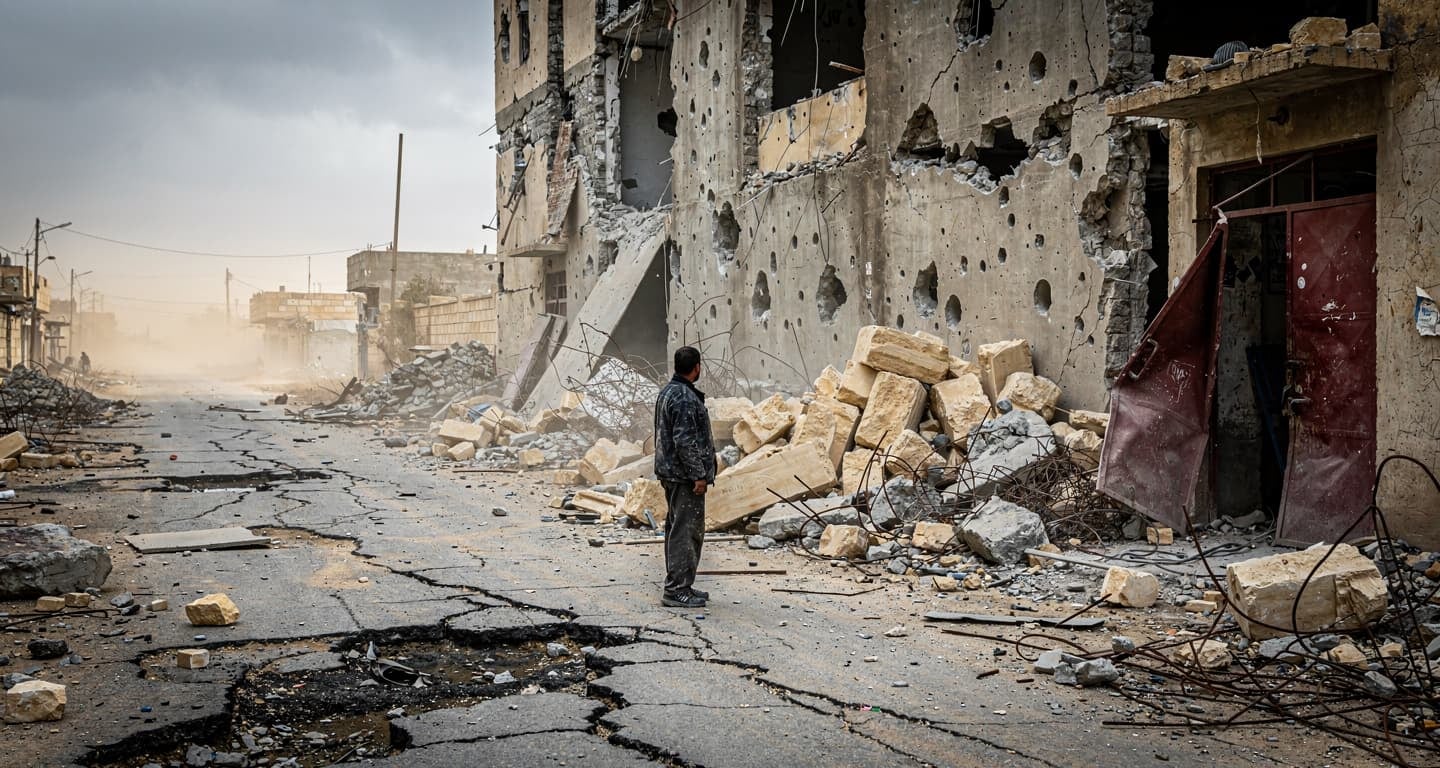
The warnings, reiterated in January and February 2026, cite terrorism, civil unrest, kidnapping, wrongful detention, armed conflict, and high crime. Both the U.S. Embassy and Canadian Embassy in Kabul remain closed. No consular officer can assist citizens who are arrested, hospitalized, or trapped by violence. Air Traveler Club’s travel advisory monitoring system flagged the continued Level 4 status across both governments, confirming no change from 2025 assessments and no scheduled review that would lower the threat level.
For U.S. and Canadian passport holders as of February 2026, traveling to Afghanistan means accepting complete personal liability for security, medical emergencies, and evacuation—with no government safety net and virtually no insurance coverage.
What the warnings actually mean on the ground
Level 4 is not a suggestion. It is the U.S. government’s strongest possible advisory, reserved for countries where threats are so severe that no precaution can adequately protect civilians. Afghanistan shares this designation with active conflict zones like Syria, Somalia, and parts of Ukraine.
The specific risks are not abstract. Wrongful detention of U.S. nationals is listed as a high-probability threat—not a theoretical one. Kidnapping targets both locals and foreigners across all provinces. The Islamic State—Khorasan Province (ISIS-K) maintains active operations, and attacks in urban areas including Kabul continue.
Canada’s advisory adds granular detail on women’s restrictions under Taliban governance. Women are prohibited from solo travel, barred from public spaces without a male guardian, banned from higher education, and restricted from most employment. Full head-to-toe covering is mandatory; violations risk arrest. These rules apply to foreign nationals, not just Afghan citizens.
The FAA’s airspace prohibition
The Federal Aviation Administration maintains a Special Federal Aviation Regulation (SFAR) banning U.S. civil aviation operators from Afghan airspace. While non-U.S. carriers may technically operate flights, the SFAR signals risk levels that extend beyond American operators—airports require 2+ hours early arrival for security screening, and closures happen without notice.
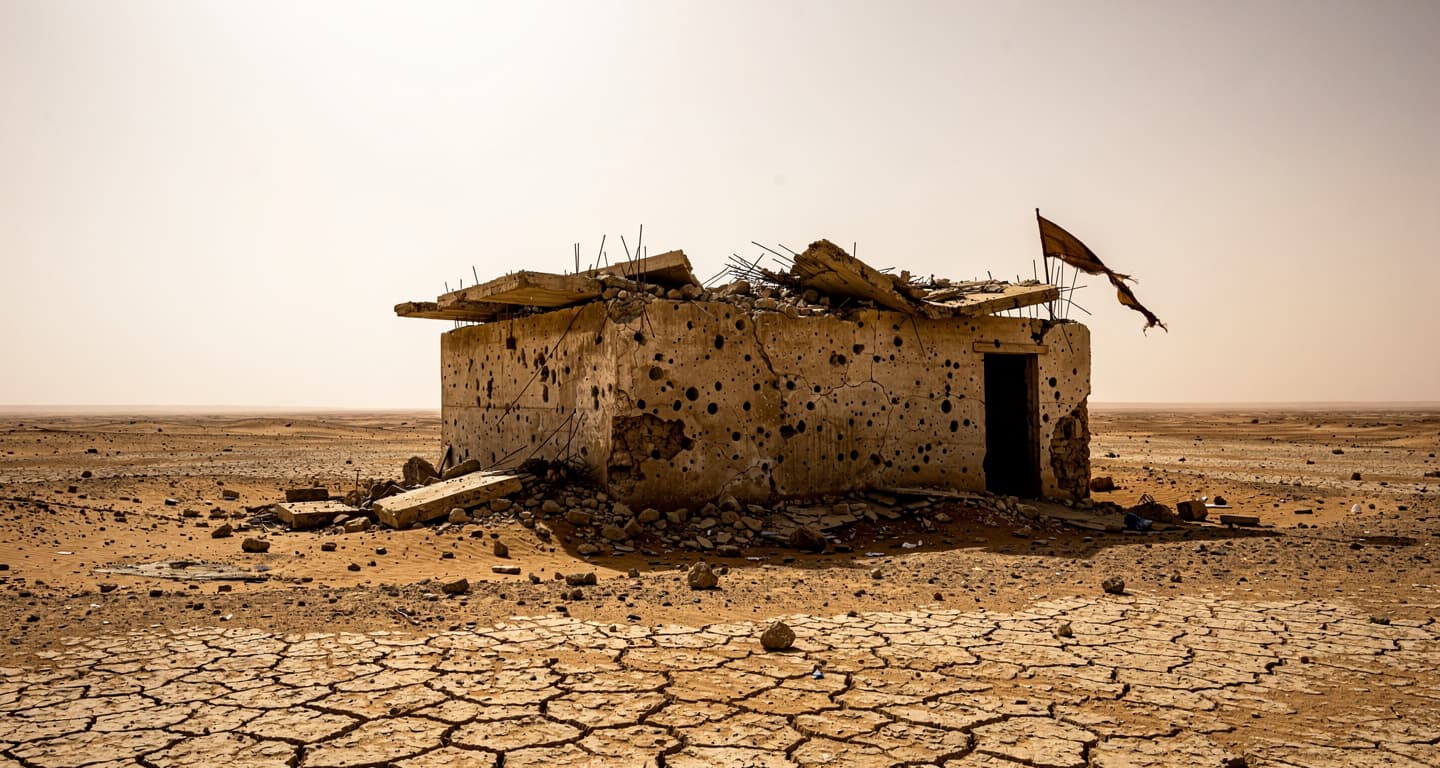
Overland travel is equally dangerous. Fake checkpoints operated by armed groups are documented across major highways. Borders close without warning. Provincial travel requires Taliban-issued permits costing 1,000 AFN per province, but permits provide no actual protection against roadside attacks or robbery.
No embassy means no rescue
The closure of both embassies creates a void most travelers underestimate. In countries with active diplomatic missions, consular staff can visit detained citizens, coordinate medical evacuations, replace lost passports, and liaise with local authorities. In Afghanistan, none of this exists.
A medical emergency requiring air evacuation from a country without functioning hospitals or embassy coordination carries estimated costs exceeding $50,000—assuming an evacuation provider will even accept the mission. Most travel insurance policies explicitly exclude Level 4 destinations, meaning $0 coverage for medical treatment, evacuation, or trip interruption. Travelers can verify the current advisory status and specific risk categories through Canada’s active travel advisory for Afghanistan, which details women’s restrictions, border closures, and the absence of consular services.
Dual nationals with Afghan heritage face compounded risks. The U.S. advisory specifically notes that dual citizenship does not reduce detention risk and may increase scrutiny at checkpoints.
How to cut fares to Asia by 40–80%
Our custom AI ✨ tracks pricing anomalies that traditional search engines miss.
Get the these deals in your inbox, for free:

Redirect the budget: safer alternatives with similar appeal
Travelers drawn to Afghanistan’s Silk Road history, mountain landscapes, and bazaar culture can find comparable experiences in destinations carrying Level 1 or Level 2 advisories—with full consular support, functioning hospitals, and standard travel insurance coverage. For those seeking verified pricing on Asia-Pacific routes, our AI-powered Superdeal detection system monitors 200+ routes daily for 40–80% savings on flights to these safer alternatives.
| Destination | Advisory Level | Roundtrip USD | Flight Time | Cultural Draw |
|---|---|---|---|---|
| Afghanistan | Level 4 / Avoid All | N/A (SFAR risks) | N/A | Historical sites, markets |
| Thailand (BKK) | Level 1 | $850–1,100 | 17 hrs | Temples, bazaars, adventure |
| Vietnam (HAN) | Level 1 | $900–1,200 | 18 hrs | Mountains, history, culture |
| Kyrgyzstan (FRU) | Level 2 | $1,200–1,500 | 21 hrs | Silk Road, nomadic culture |
Kyrgyzstan deserves particular attention for travelers specifically seeking Central Asian authenticity. The country offers horseback treks through Tien Shan mountains, yurt stays with nomadic families, and Silk Road caravanserais—at Level 2 advisory with full U.S. and Canadian embassy operations. Our analysis of why Asia-Pacific flight prices have surged 30–60% since 2019 explains the demand dynamics driving these fares, and why catching pricing anomalies early matters more than ever.
Edge cases that don’t change the calculus
Organized tours with local “fixers” still require Taliban provincial permits, transit fake checkpoints, and operate without embassy backup. Tour operator marketing does not override government intelligence assessments.
Humanitarian and NGO workers face kidnapping risks in remote provinces. Women are prohibited from most humanitarian roles under current Taliban policy, eliminating a significant portion of potential aid workers.
Non-U.S. carriers flying into Afghanistan technically operate outside FAA jurisdiction, but the SFAR signals threat levels that affect all aviation. Airport infrastructure is degraded, security screening is unpredictable, and flight schedules change without notice.
No scenario—family obligation, professional assignment, or personal curiosity—currently justifies the combination of zero consular access, zero insurance coverage, and active multi-vector threats that Afghanistan presents in 2026.
Questions? Answers.
What should I do if I’m already in Afghanistan?
Exercise extreme caution and move to the most secure location available. No U.S. or Canadian embassy staff can assist you. You are solely responsible for your own evacuation. Monitor local conditions continuously and maintain communication with family members who can coordinate external support if needed.
Are there any safe areas in Afghanistan, including Kabul?
No. Kabul has active checkpoints, documented fake roadblocks, and ongoing terrorism risks. All provinces are classified as dangerous by both governments. Urban areas offer no meaningful safety advantage over rural regions.
Does travel insurance cover Afghanistan in 2026?
Most standard and premium travel insurance policies explicitly exclude Level 4 destinations. Expect zero coverage for medical treatment, evacuation, or trip cancellation. Specialty “war zone” policies exist but cost thousands of dollars and carry severe limitations. Confirm exclusions with your specific provider before any travel.
Do UK, Australian, or EU advisories match the U.S. and Canadian warnings?
Yes. The UK Foreign, Commonwealth and Development Office (FCDO) advises against all travel to Afghanistan. Australia’s DFAT issues the same. The EU’s individual member state advisories uniformly classify Afghanistan at their highest risk levels. No major Western government currently permits routine travel.
Could the advisory level change later in 2026?
No downgrade has been signaled. ISIS-K operations continue, Taliban governance restrictions are tightening rather than loosening, and neither embassy has announced reopening plans. Advisory levels are reviewed periodically but require sustained, verifiable security improvements before any change—a threshold Afghanistan has not approached.
What about flying through Afghan airspace on connecting flights?
The FAA SFAR prohibits U.S.-registered aircraft from operating in or near Afghan airspace. Most international carriers route around Afghanistan entirely. If your itinerary shows an Afghan overflight on a non-U.S. carrier, the risk is elevated but not prohibited by U.S. law—though it reflects the carrier’s risk tolerance, not the airspace’s safety.