Quick summary
The US State Department renewed its Level 4 “Do Not Travel” advisory for southeastern Turkey on March 8, 2026, covering 22 provinces within 10km of the Syrian border — including Hatay, Sirnak, Hakkari, Gaziantep, and Kilis. Flights to Gaziantep (GZT) and Hatay (HTY) face frequent cancellations due to airspace incursions, most recently on March 4 when Iranian missile activity disrupted Turkish Airlines operations.
Istanbul, Antalya, Izmir, and Cappadocia remain at Level 2 “Increased Caution” — the same classification as France or Germany. Ninety percent of Turkey’s tourism infrastructure operates normally. The advisory affects overland routes and southeastern airports, not coastal or western destinations where the majority of international travelers book.
Turkey’s tourism geography splits into two distinct risk zones. The US State Department’s March 2026 renewal maintains Level 4 status for areas within 10km of the Syrian border — a strip covering 22 southeastern provinces where no consular assistance exists. The US Consulate in Adana closed permanently, leaving travelers in Hatay, Sirnak, and Hakkari without embassy support if detained or injured.
Istanbul (IST), Antalya (AYT), Izmir (ADB), and Cappadocia sit 800-1,200km from the Syrian border. These regions carry Level 2 advisories — standard for major European destinations. The UK Foreign Office and Australian DFAT mirror US guidance: avoid the 10km buffer and Sirnak/Hakkari provinces, but western and coastal Turkey remain accessible with normal precautions.
The March 4 Iranian missile incident that triggered the latest renewal caused Turkish Airlines to suspend Gaziantep service for 18 hours. Hatay Airport (HTY) operates intermittently depending on airspace conditions. If your itinerary includes southeastern airports, expect 4-6 hour delays or rerouting through Istanbul.
Which provinces fall under the Do Not Travel zone
The Level 4 advisory covers a contiguous southeastern block: Hatay, Kilis, Gaziantep, Sanliurfa, Mardin, Batman, Sirnak, Siirt, Mus, Van, Hakkari, Bitlis, Bingol, Elazig, Tunceli, Diyarbakir, Adiyaman, Malatya, Osmaniye, Kahramanmaras, Adana (partial), and Igdir. The 10km Syrian border buffer extends into rural areas of these provinces, not necessarily provincial capitals.
Gaziantep city sits 60km from the border — technically outside the 10km zone — but its airport serves as a logistics hub for humanitarian operations, making it vulnerable to airspace disruptions. The US Embassy’s March 8 renewal explicitly warns that terrorism and armed conflict risks extend beyond the immediate border strip into provincial infrastructure.
| Region/Provinces | Advisory Level | Airports Affected | Safe Alternatives |
|---|---|---|---|
| SE Border (Hatay, Sirnak, Hakkari) | Level 4 Do Not Travel | HTY, GZT disruptions | IST-ANT direct routing |
| Istanbul/Cappadocia | Level 2 Increased Caution | IST, SAW normal ops | N/A |
| Antalya/Izmir Coast | Level 2 | AYT, ADB operational | N/A |
| Gaziantep/Kilis | Level 4 partial | GZT frequent cancellations | Fly via SAW, add 4hrs |
| Van/Diyarbakir | Level 4 | VAN, DIY limited service | IST connection required |
The UK FCDO advisory adds Sirnak and Hakkari to the “against all but essential travel” list even beyond the 10km buffer, citing PKK activity and military operations that periodically close roads without warning.
Flight deals
most people never see
Our AI monitors 150+ airlines for pricing anomalies that traditional search engines miss. Air Traveler Club members save $650 per trip per person on average: see how it works.
Each deal saves 40–80% vs. regular fares:

How flight operations are affected in southeastern Turkey
Gaziantep Airport (GZT) handles 2.1 million passengers annually — primarily domestic Turkish Airlines connections and humanitarian charter flights. On March 4, 2026, Iranian missile activity over northern Syria forced Turkish Airlines to cancel six GZT departures and reroute three inbound flights to Adana. Passengers faced 4-6 hour delays while the airline repositioned aircraft after airspace reopened.
Hatay Airport (HTY) operates even more sporadically. The airport sits 25km from the Syrian border, within range of artillery fire during escalations. Turkish Airlines suspended scheduled HTY service entirely in February 2025, resuming limited flights in November 2025 only to suspend again in March 2026. If you book a ticket to HTY, assume a 30-40% chance of cancellation within 72 hours of departure.
Istanbul remains unaffected. IST and SAW handle 90 million passengers annually with standard European reliability. Antalya (AYT) processed 35 million passengers in 2025 — more than Rome or Barcelona — with no security-related disruptions. The advisory does not impact flight options to Turkey from North America, which overwhelmingly route through Istanbul or Antalya.
Why this advisory exists and what triggers renewals
The Level 4 classification stems from three overlapping risks: spillover from the Syrian civil war, PKK insurgent activity in Kurdish-majority provinces, and periodic Iranian missile strikes targeting Syrian opposition groups near the Turkish border. The March 4 incident involved six Iranian ballistic missiles aimed at targets in Idlib province — two overflew Turkish airspace, triggering air defense alerts and temporary airspace closures.
Turkey’s NATO membership complicates the security picture. The alliance does not directly involve Turkey in Syrian operations, but Article 5 mutual defense obligations mean any escalation near the border could trigger broader regional responses. The US maintains no troops in southeastern Turkey, and the Adana consulate closure means no American diplomatic presence exists to monitor conditions or assist travelers.
The advisory renews every 3-6 months based on incident frequency. The March 2026 renewal followed a relatively quiet January-February period, but the missile overflight reset the clock. Historically, renewals cluster around Syrian government offensives (typically spring and fall) and Iranian retaliation cycles following Israeli strikes in Syria.
What Level 2 means for Istanbul and coastal destinations
Level 2 “Increased Caution” applies to 90% of Turkey’s landmass, including all major tourist infrastructure. This is the same classification the US assigns to France, Germany, Spain, and the United Kingdom. It signals elevated risk of terrorism or civil unrest compared to Level 1 destinations like Japan or Singapore, but does not recommend avoiding travel.
Practical implications for Istanbul: heightened security at tourist sites (metal detectors at Hagia Sophia, bag checks at Grand Bazaar), occasional protest-related street closures in Taksim Square, and periodic travel warnings during election cycles. None of these conditions are unique to Turkey — Paris and London face identical precautions.
Antalya and the Mediterranean coast see even fewer incidents. The region’s economy depends entirely on tourism, and local authorities maintain visible security at resorts, airports, and archaeological sites. The 2016 airport attack in Istanbul led to permanent security upgrades across Turkish aviation — IST now processes passengers through multi-layer screening comparable to Tel Aviv or Brussels.
When the advisory affects travel insurance and consular support
Standard travel insurance policies from Allianz, World Nomads, and Travel Guard include “government advisory” exclusions. If you travel to a Level 4 zone, your policy voids automatically — even if you purchased it before the advisory was issued. This affects medical coverage, trip cancellation, and emergency evacuation.
Cancel-for-any-reason (CFAR) insurance provides a workaround, but only if purchased within 14-21 days of your initial trip deposit and before an advisory affecting your destination is issued. If you booked a Gaziantep trip in January 2026 and the March 8 renewal upgraded the advisory, CFAR purchased in January would still cover cancellation. CFAR bought after March 8 would not.
Consular support limitations are more severe. The US Embassy in Ankara and Consulate General in Istanbul cannot send staff into Level 4 zones. If you’re detained in Sirnak or injured in Hatay, embassy personnel will attempt to coordinate with Turkish authorities remotely, but they will not travel to your location. This is not a theoretical risk — the State Department lists 15 US citizens currently detained in southeastern Turkey with limited consular access.
What to do now
The March 8, 2026 advisory renewal affects bookings made after that date — earlier purchases may still qualify for insurance coverage if you act within 14 days.
- Check your itinerary against the province list. If your routing includes Gaziantep, Hatay, Sirnak, Hakkari, or any southeastern airport, contact your airline within 72 hours to reroute through Istanbul or cancel without penalty under the “government advisory” clause most carriers honor.
- Verify your insurance policy’s advisory exclusions. Call your provider and ask explicitly: “Does this policy cover medical expenses or evacuation from a US State Department Level 4 zone?” If the answer is no, purchase CFAR coverage immediately if you’re within the eligibility window.
- Register with your government’s travel program. US citizens use STEP (step.state.gov), UK nationals use the FCDO’s travel advice email alerts, Australians use Smartraveller registration. These systems push real-time updates if conditions deteriorate after you depart.
- Reroute overland plans. If your trip involves driving from Istanbul to southeastern Turkey, add 300-400km to route through central Anatolia instead of the direct E90 highway, which crosses advisory zones near Gaziantep. Budget an extra 4-6 hours and confirm fuel stops — some border-area petrol stations close without notice during security operations.

Questions? Answers.
Does the Turkey advisory affect flights from Europe or North America to Istanbul?
No. Istanbul (IST) and Sabiha Gokcen (SAW) airports operate normally with no advisory-related disruptions. The Level 4 zone covers southeastern provinces 800km from Istanbul. European and North American carriers maintain full schedules to IST/SAW, and the airports process 90 million passengers annually without security incidents affecting international terminals.
Are Turkish coastal resorts safe to book for summer 2026?
Yes. Antalya, Bodrum, Marmaris, and Fethiye carry Level 2 advisories — the same as Spain or Italy. These destinations processed 35 million tourists in 2025 with standard European security measures. Avoid overland routes through southeastern provinces, but direct flights to Antalya (AYT) or Dalaman (DLM) face no advisory-related restrictions.
What happens if my cruise stops at a Turkish port near the Syrian border?
Most Mediterranean cruise lines avoid Turkish ports east of Antalya entirely. If your itinerary includes Mersin or Iskenderun (both within 100km of the advisory zone), shore excursions into the 10km buffer are prohibited by cruise operators. Port operations in these cities continue, but confirm your cruise line’s current policy — some suspended eastern Turkish stops after the March 2026 renewal.
How does Turkey’s NATO membership affect the advisory?
NATO membership limits Turkey’s direct involvement in Syrian combat operations, but Article 5 mutual defense obligations mean any attack on Turkish territory could trigger alliance responses. The March 4 Iranian missile overflight did not activate Article 5 because the missiles did not strike Turkish soil. NATO status does not reduce the advisory level — the US evaluates Turkey’s security independently of alliance commitments.
Do I need special permits to enter southeastern Turkey?
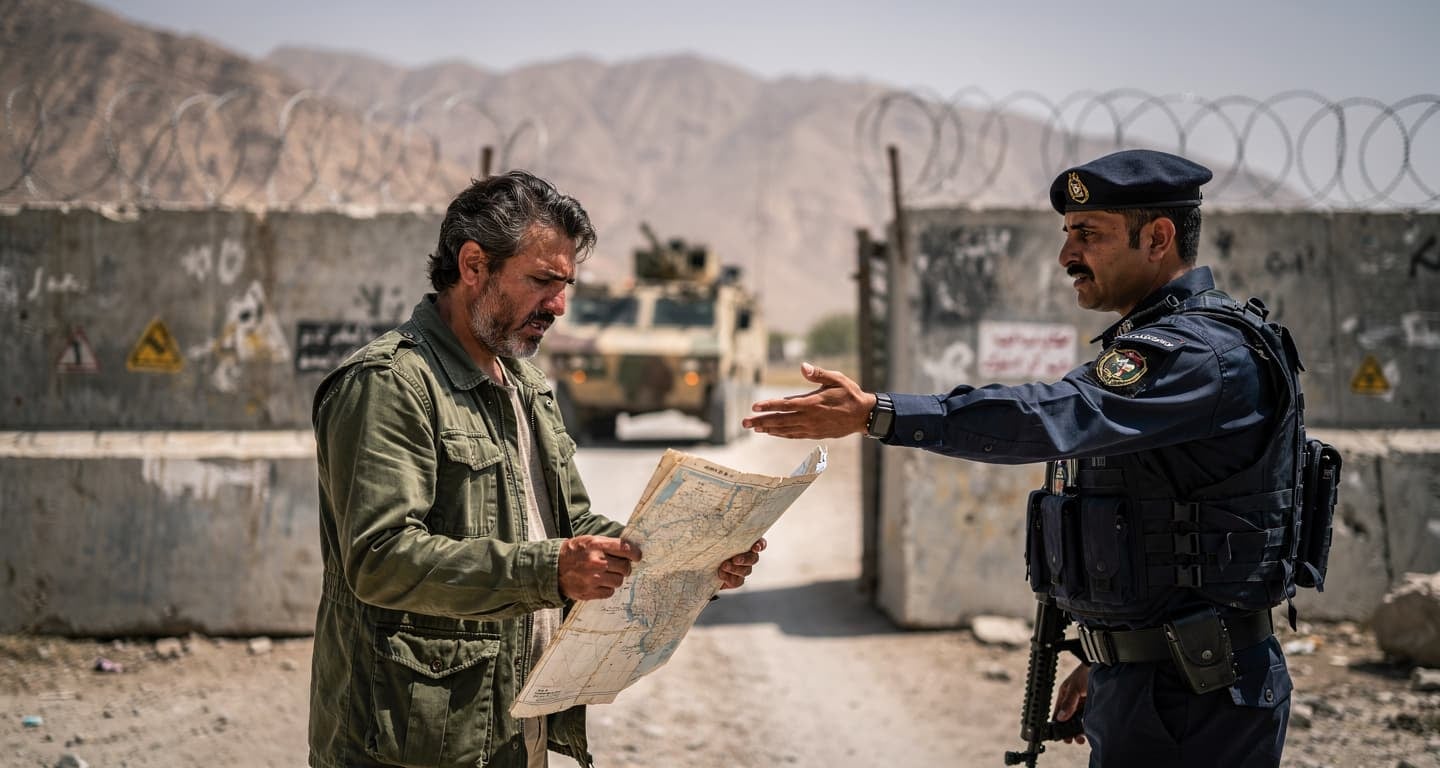
Turkish e-visas (required for US, Canadian, and Australian citizens) do not restrict internal travel by province. However, military checkpoints on roads near the Syrian border may turn back civilian vehicles without advance coordination with local authorities. If you have legitimate business in Gaziantep or Diyarbakir, contact the nearest Turkish consulate before departure to confirm current access requirements — these change without public notice during security operations.
Will the advisory affect my ability to transit through Istanbul to other destinations?
No. Istanbul serves as a major hub for flights to Asia, Africa, and the Middle East. The advisory does not restrict transit passengers, and IST’s international terminal operates independently of domestic Turkish security conditions. If you’re connecting through Istanbul to a third country, the Turkey advisory does not apply to your journey unless you exit the airport into the city.
How often does the US update the Turkey travel advisory?
The State Department reviews Turkey’s advisory every 3-6 months, with emergency updates issued after major incidents like the March 4 missile overflight. Subscribe to the US Embassy Ankara’s email alerts or check travel.state.gov weekly if you have upcoming Turkey travel. The UK FCDO and Australian DFAT typically update within 48-72 hours of US changes, though their province-specific guidance sometimes differs slightly.