Quick summary
Every major Western government—the US, UK, Canada, Australia, and New Zealand—maintains its highest “Do Not Travel” advisory for Syria as of February 2026, with zero consular support available in-country. Standard travel insurance is automatically void in Level 4 zones, specialized high-risk policies cost $800–$1,500 for short trips, and uninsured medical evacuations exceed $100,000.
The January 2025 regime change has not lowered a single advisory. Dual nationals face additional detention risk, and no government designates any Syrian city or region as safe.
Five Western governments agree on almost nothing in foreign policy—except Syria. The US, UK, Canada, Australia, and New Zealand all classify Syria at their highest possible advisory level as of February 2026, unanimously warning citizens: do not travel. No exceptions, no safe corridors, no designated low-risk zones.
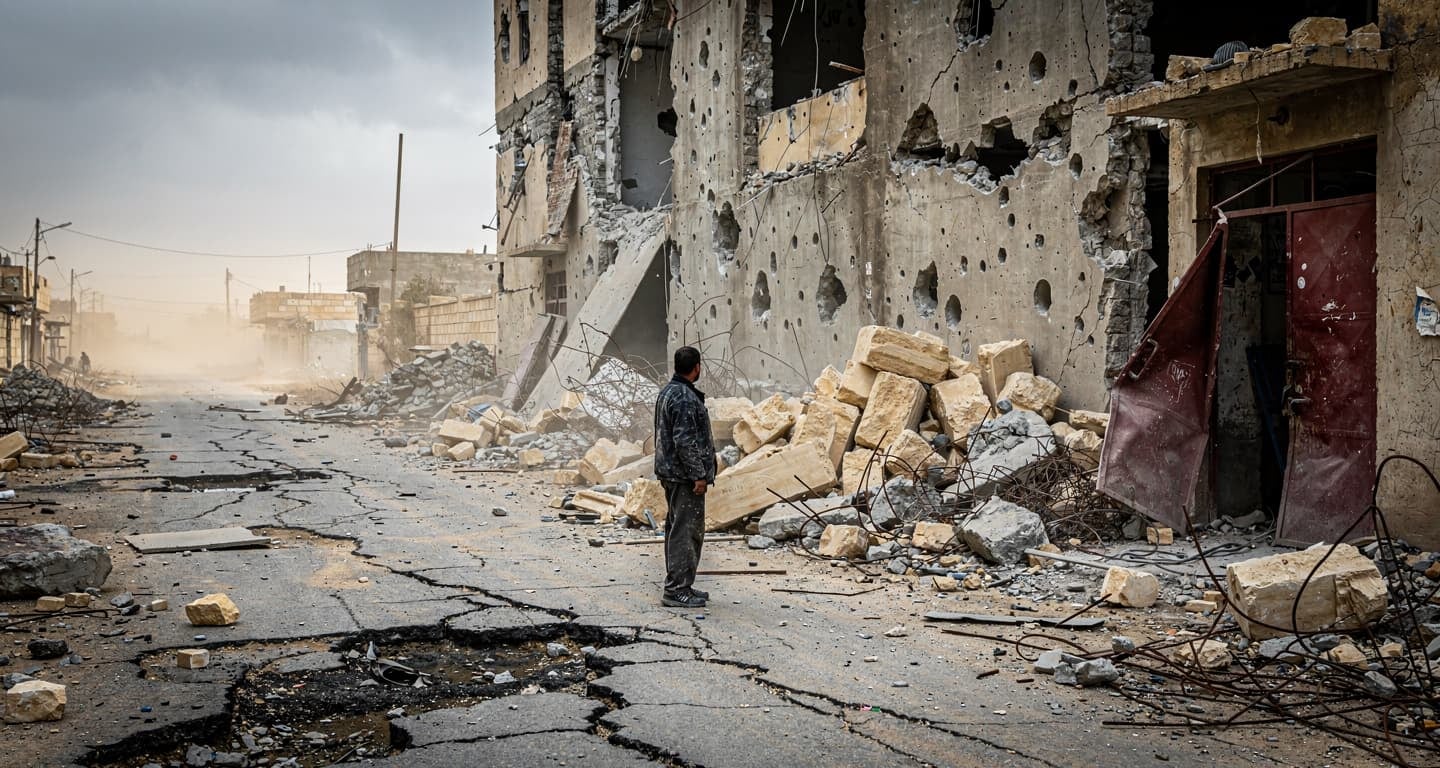
What makes this consensus remarkable is its persistence. Despite a regime change in January 2025 that generated optimistic headlines and adventure travel blog posts about reopened borders, not a single government has downgraded its advisory. The risks that triggered Level 4 classification—terrorism, kidnapping, armed conflict, unexploded ordnance—remain active nationwide, including in Damascus. Air Traveler Club’s travel advisory monitoring system tracks all five government portals daily, and none has signaled any reassessment timeline.
For travelers considering Syria, the practical consequences are severe: your embassy cannot help you, your insurance won’t cover you, and if something goes wrong, you are entirely on your own. Here’s exactly what that means—and what it costs.
Five governments, one answer: do not go
The uniformity across Western advisory systems is the critical data point. Each government uses slightly different terminology but arrives at the identical conclusion.
| Government | Advisory Level | Key Risks Cited | Consular Support |
|---|---|---|---|
| US State Department | Level 4: Do Not Travel | Terrorism, kidnapping, armed conflict | None (embassy suspended since 2012) |
| Canada | Avoid All Travel | Terrorism, arbitrary detention | None |
| Australia (Smartraveller) | Do Not Travel | Kidnapping, terrorism, civil unrest | None |
| UK FCDO | Against All Travel | Detention, kidnapping, terrorism | None |
| New Zealand | Do Not Travel | Extreme kidnapping risk, armed conflict | None |
The column that matters most is the last one. Zero consular support means no embassy staff, no emergency phone line inside Syria, no ability to visit you in detention. The US embassy has been suspended since 2012—the Czech Republic serves as a protecting power but offers only extremely limited emergency services, not routine consular aid. The nearest functional Western embassies sit in Beirut and Ankara, neither of which can operate inside Syrian territory.
The insurance void most travelers don’t discover until it’s too late
Standard travel insurance from providers like Allianz, World Nomads, or Cover-More contains a clause most policyholders never read: coverage is automatically void in destinations under Level 4 advisories. This isn’t a gray area or a discretionary decision—it’s a blanket exclusion written into policy terms.
Specialized high-risk policies from niche providers do exist, covering conflict zones and medical evacuation from hostile environments. These policies cost $800–$1,500 USD for a short trip—often exceeding the flight cost itself. Even these specialized policies may exclude travel that contradicts explicit government advisories, creating a coverage gap that only emerges when you file a claim.
Without any insurance, the financial exposure is staggering. A medical evacuation from a conflict zone to the nearest adequate hospital facility runs over $100,000 USD. Hostage situations involving Western nationals in the region have historically involved ransom demands ranging from $1 million to $10 million. These aren’t theoretical numbers—they’re documented patterns from the past decade of Syrian conflict.
The regime changed. The risks didn’t.
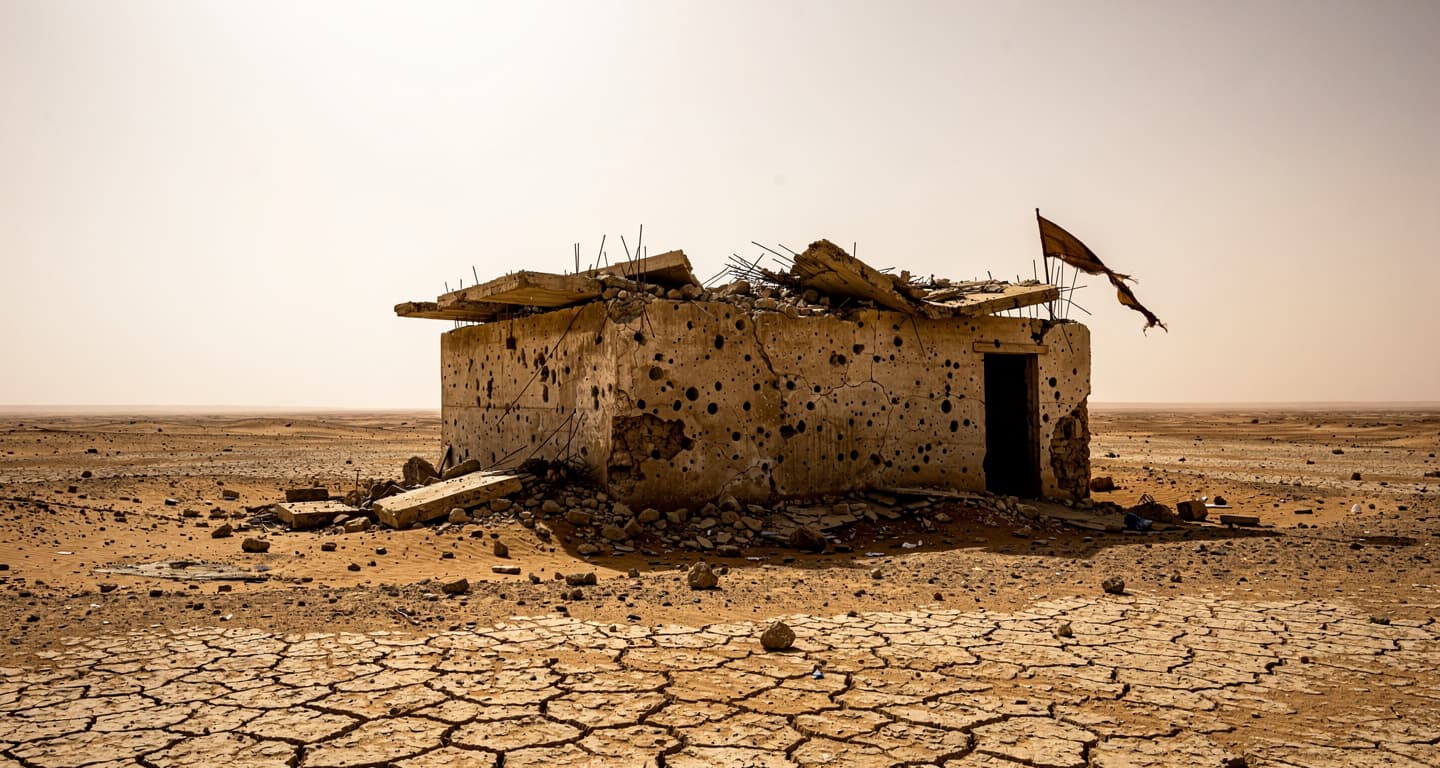
Adventure travel blogs surged with Syria content after January 2025’s regime change, promoting visa availability and border crossings. Yet all five Western governments explicitly rejected safety claims, citing persistent threats from non-state armed groups, unexploded ordnance across urban areas, and ongoing military operations. No government has announced any reassessment timeline.
How to cut fares to Asia by 40–80%
Our custom AI ✨ tracks pricing anomalies that traditional search engines miss.
Get the these deals in your inbox, for free:

Dual nationals face a compounding risk
Travelers holding both Syrian and Western passports confront a specific danger that magnifies every other risk. Syrian authorities may treat dual nationals solely as Syrian citizens, regardless of which passport they entered on. This legal position—confirmed by both the Australian Smartraveller advisory and UK FCDO guidance—means your Western government’s consular team can be denied access to you entirely.
In practice, this creates a trap: you enter Syria expecting your Australian, British, or Canadian passport to serve as a safety net, but Syrian law may override that assumption. If detained, your Western embassy cannot intervene because Syrian authorities don’t recognize your foreign citizenship. The result is complete isolation from the consular system designed to protect you.
Edge cases that make a dangerous situation worse
Beyond the baseline Level 4 risks, several specific scenarios escalate danger further:
- Prior Israel travel creates detention risk. Syrian authorities screen for evidence of Israeli visits. Passport stamps, entry records, or even social media posts indicating Israel travel can trigger detention at borders or checkpoints.
- Exit permits trap travelers inside. Syria’s General Security Directorate requires exit approval for certain travelers. Without this permit, you cannot leave the country—creating a scenario where entering is easier than departing.
- Journalists and humanitarian workers face elevated targeting. The US State Department specifically warns against travel for media or aid purposes, citing documented patterns of detention and hostage-taking targeting these groups.
- No safe zones exist anywhere. No government designates any Syrian city, region, or corridor as lower-risk. Damascus, Aleppo, and coastal areas all carry identical Level 4 classification.
Where to redirect your travel ambitions
The desire to explore unfamiliar destinations is legitimate—but the risk calculus for Syria fails on every metric. For travelers seeking culturally rich, off-the-beaten-path experiences in the broader region, destinations like Jordan, Oman, and Georgia offer extraordinary depth with full consular support, standard insurance coverage, and functioning emergency infrastructure.
For Asia-Pacific destinations specifically, our analysis of current flight pricing trends shows routes to Vietnam, Thailand, and Sri Lanka delivering comparable cultural immersion at a fraction of the risk—with roundtrip fares from $400–$800 and full insurance coverage included in standard policies. The smart traveler doesn’t avoid adventure—they avoid uninsurable catastrophe.
Questions? Answers.
Has the January 2025 Syrian regime change lowered any travel advisories?
No. All five Western governments—US, UK, Canada, Australia, and New Zealand—maintain their highest advisory levels as of February 2026. None has announced a reassessment timeline. Persistent threats from armed groups, unexploded ordnance, and military operations continue nationwide.
Can my embassy evacuate me from Syria if something goes wrong?
No. No Western government maintains an operational embassy in Syria. The US embassy has been suspended since 2012. The nearest functional consular offices are in Beirut and Ankara, and they cannot conduct operations inside Syrian territory. You would need to reach a neighboring country independently before receiving any consular assistance.
Does high-risk travel insurance actually cover Syria?
Specialized conflict-zone policies from niche providers may cover Syria, costing $800–$1,500 for short trips. However, many include exclusions for travel that contradicts explicit government advisories. Read the policy exclusions carefully before assuming coverage applies. Standard travel insurance from mainstream providers is automatically void.
What happens to dual Syrian-Western nationals if detained?
Syrian authorities may treat you exclusively as a Syrian citizen, blocking your Western government’s consular staff from accessing or assisting you. Both Australian and UK advisories explicitly warn dual nationals of this risk. Your second passport provides no guaranteed protection inside Syria.
Are there any safe areas within Syria for short visits?
No government designates any Syrian area as safe. Level 4 classification applies uniformly to the entire country, including Damascus, Aleppo, Latakia, and all border regions. Risks from terrorism, kidnapping, and unexploded ordnance exist nationwide.
Can previous Israel travel cause problems entering Syria?
Yes. Syrian authorities screen for evidence of Israeli visits, including passport stamps, electronic entry records, and potentially social media activity. Prior Israel travel can result in detention, extended interrogation, or entry refusal at Syrian borders and checkpoints.