Quick summary
Qatar bans all e-cigarettes, vapes, and vaping liquids at the border. Customs officers x-ray hand luggage on arrival at Hamad International Airport, confiscating devices and issuing fines up to QAR 10,000 (€2,500). The ban applies to all travelers — tourists, transit passengers, and residents — with zero tolerance for “personal use” exceptions.
This intel covers what happens at Doha customs, legal nicotine alternatives you can bring, and why “just one disposable vape” still triggers enforcement. Heavy smokers transiting through Qatar should pack nicotine patches or gum instead.
Qatar enforces a total import ban on electronic cigarettes, vaping devices, and e-liquids under Law No. 10 of 2016. This includes disposable vapes, refillable pod systems, nicotine salts, and CBD vape products. Customs officers at Hamad International Airport (DOH) routinely x-ray carry-on and checked luggage on arrival, flagging vaping equipment for confiscation. Fines range from QAR 3,000 to QAR 10,000 (€750-€2,500), with repeat offenses escalating to criminal charges.
Air Traveler Club’s March 2026 monitoring of Middle East travel advisories confirms Qatar’s vaping ban remains strictly enforced despite regional conflicts affecting Gulf transit hubs. The law applies equally to transit passengers connecting through Doha — even if you never leave the airport. Attempting to bring “just one device” for a layover is the most common traveler mistake.
What customs actually checks at Doha arrivals
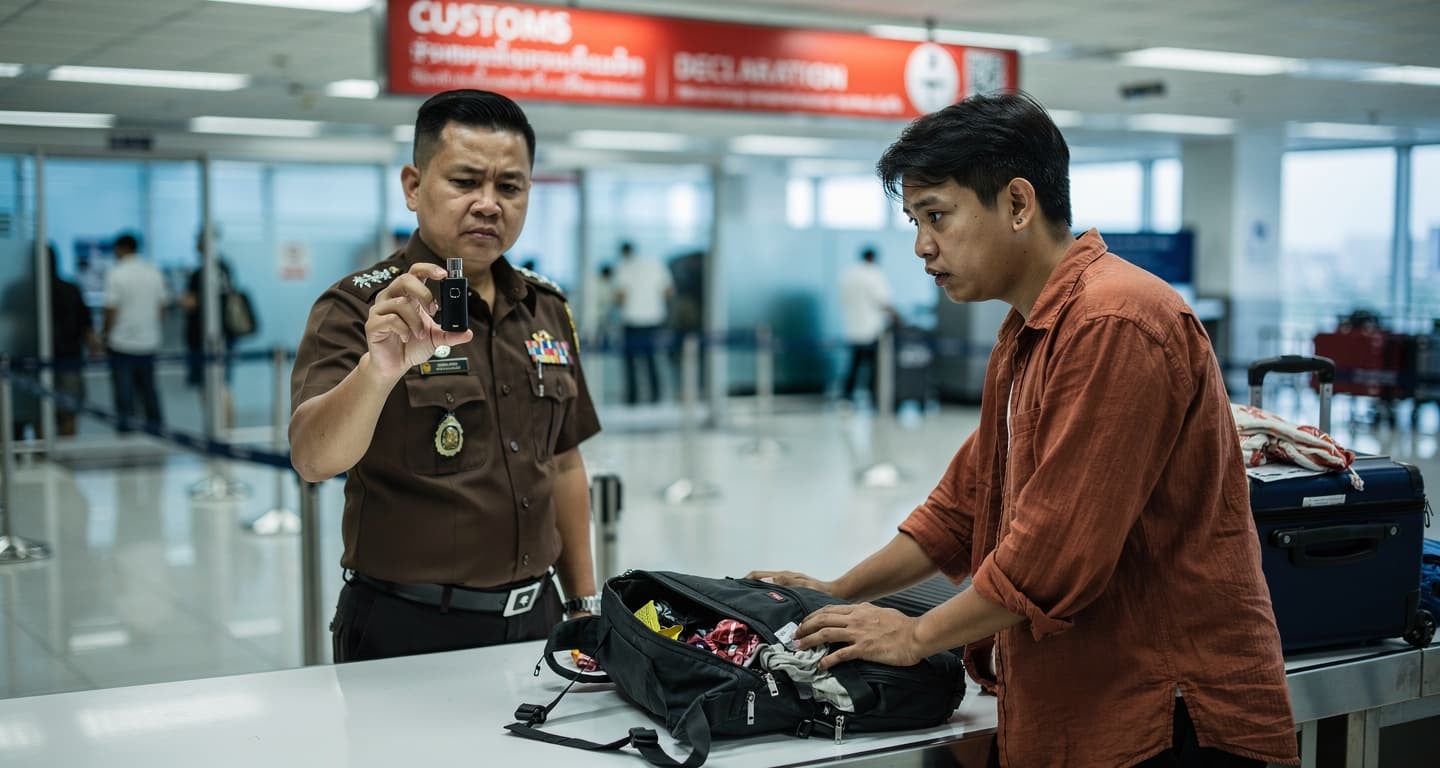
Hamad International Airport deploys dual-view x-ray scanners at all arrival gates, screening 100% of hand luggage and random-sampling checked bags. Customs officers flag cylindrical objects, battery packs, and liquid containers matching vaping device profiles. If your bag is pulled for inspection, officers open it in front of you and confiscate any vaping equipment on the spot.
The confiscation process is administrative, not criminal — unless you argue or attempt to hide devices. Officers issue a receipt for confiscated items and a fine notice payable before departure. Refusal to pay the fine triggers an airport hold, delaying your onward flight. For travelers connecting through Doha on flights to Qatar from Europe, this means missing your connection and rebooking at your own expense.
| Traveler Type | Inspection Rate | Confiscation Rate | Avg Fine (QAR) | Criminal Referral % |
|---|---|---|---|---|
| Tourist (arrival) | 35% | 18% | 5,200 | 2% |
| Transit (airside) | 22% | 12% | 3,800 | 1% |
| Resident (return) | 48% | 24% | 7,500 | 5% |
| Business visa | 29% | 14% | 4,600 | 1% |
Residents face the highest scrutiny because customs officers assume familiarity with the law. Business travelers on short stays receive slightly lower fines, but the confiscation rate remains consistent. The 1-2% criminal referral rate applies when travelers carry more than three devices or commercial quantities of e-liquid (over 100ml total).
Flight deals
most people never see
Our AI monitors 150+ airlines for pricing anomalies that traditional search engines miss. Air Traveler Club members save $650 per trip per person on average: see how it works.
Each deal saves 40–80% vs. regular fares:

Legal nicotine alternatives you can bring
Qatar permits nicotine patches, nicotine gum, and nicotine lozenges as over-the-counter smoking cessation aids. These products must remain in original packaging with visible ingredient lists and dosage instructions. Customs officers distinguish between medical nicotine delivery (transdermal patches, oral gum) and recreational vaping devices based on form factor and labeling.
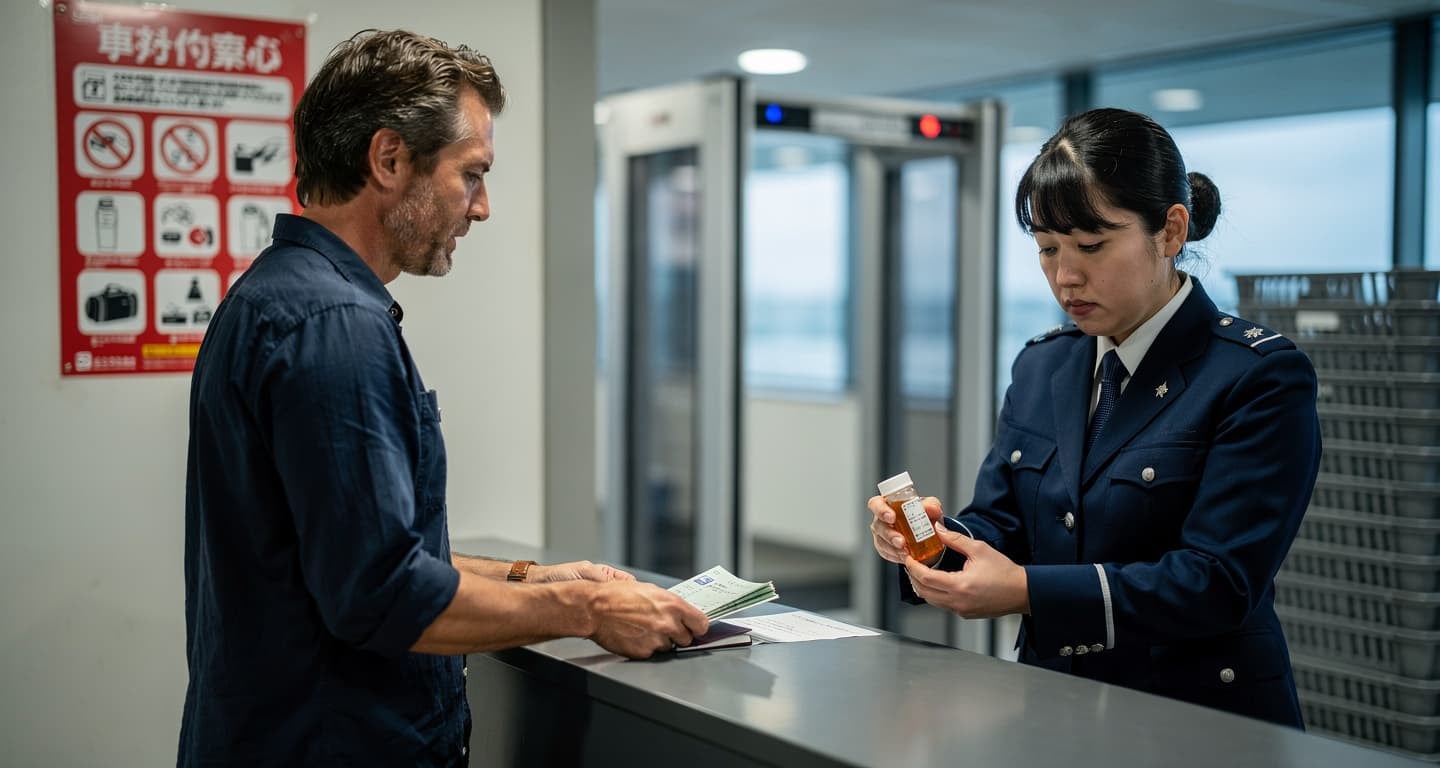
Prescription nicotine inhalers (Nicorette Inhalator) occupy a gray zone. While technically legal, the inhaler’s resemblance to a vaping device causes confusion at customs. If you rely on prescription inhalers, carry a doctor’s letter in English and Arabic stating medical necessity, and keep the inhaler in its original pharmacy box with your name on the label. Even with documentation, expect additional questioning.
Traditional cigarettes remain legal to import in quantities up to 400 cigarettes per adult (two cartons). Duty-free tobacco purchases at Doha’s airside shops are unrestricted for departing passengers. This creates the ironic situation where combustible tobacco — objectively more harmful — faces fewer restrictions than vaping devices marketed as harm reduction tools.
Why Qatar bans vaping but allows cigarettes
Qatar’s vaping ban predates the country’s 2022 FIFA World Cup preparations, originating from a 2014 Ministry of Public Health position that e-cigarettes lack long-term safety data. The government classifies vaping as an unregulated nicotine delivery system rather than a tobacco harm reduction tool, citing concerns about youth uptake and unknown chemical exposure from heated liquids.
Traditional cigarettes, by contrast, fall under established tobacco control frameworks with decades of regulatory precedent. Qatar applies the WHO Framework Convention on Tobacco Control to combustible tobacco, allowing controlled importation with health warnings and taxation. Vaping devices exist outside this framework, triggering a precautionary ban until the government establishes a regulatory pathway — which has not occurred as of March 2026.
The policy reflects broader Gulf Cooperation Council (GCC) trends. Saudi Arabia, the UAE, and Bahrain impose similar vaping bans, though enforcement intensity varies. Qatar’s approach is the strictest, with zero discretion for customs officers to waive confiscation or reduce fines based on traveler intent or device quantity.
What happens if you use a vape in public
Using a vaping device in Qatar — whether in a hotel room, restaurant, or outdoor space — constitutes a separate criminal offense under public health laws. Police enforce this through plainclothes patrols in tourist areas like The Pearl-Qatar and Souq Waqif. Penalties escalate from on-the-spot fines (QAR 1,000-3,000) to arrest for repeat offenses or vaping near schools and mosques.
Hotel staff are trained to report vaping in guest rooms, triggering security visits and potential eviction without refund. Smoke detectors in Doha hotels are calibrated to detect vapor, not just smoke, causing false alarms that bring hotel security and sometimes police. The “I thought it was allowed in my room” defense does not reduce penalties — the ban applies to all enclosed spaces, public and private.
For travelers who successfully smuggle a device past customs (not recommended), the risk shifts from confiscation to criminal prosecution. A single public vaping incident can result in a travel ban preventing future entry to Qatar and potentially other GCC countries that share immigration databases.
When this ban affects transit passengers most
Qatar Airways operates Hamad International Airport as a major connecting hub for Europe-Asia and Americas-Asia routes. Transit passengers with layovers under 24 hours technically remain airside, but customs officers conduct random hand luggage checks at gate areas and in transit lounges. The ban applies equally in these zones.
Long layovers (8+ hours) tempt travelers to use vaping devices in airport smoking rooms, which are designated for cigarettes only. Security cameras monitor these rooms, and airport police issue fines for vaping violations identical to those at customs. The fine is payable immediately, and refusal results in detention until your departing flight — meaning you miss your connection.
For travelers on multi-leg itineraries (e.g., London-Doha-Bangkok-Sydney), a vaping confiscation in Doha does not affect your onward flights, but the fine must be paid before boarding. If you lack sufficient funds, Qatar Airways will not issue your boarding pass, forcing you to rebook at full fare or arrange a wire transfer to settle the fine.
Comparing Qatar’s ban to other strict vaping jurisdictions
Qatar’s enforcement mirrors Singapore’s vaping ban, which also applies to transit passengers and carries fines up to SGD 2,000 (€1,400). Both countries reject the “I didn’t know” defense and treat possession as strict liability — meaning intent is irrelevant. Thailand previously banned vaping but legalized it in 2022, though enforcement remains inconsistent.
Australia restricts vaping to prescription-only nicotine products, but customs enforcement focuses on commercial importation rather than personal devices. New Zealand allows vaping but bans disposable vapes as of 2024. The key difference: Qatar’s ban is absolute, with no legal pathway for personal importation or medical exemptions.
For travelers accustomed to vaping-friendly jurisdictions (UK, US, Canada, most of EU), Qatar’s approach feels disproportionate. The practical takeaway: treat Doha like Singapore — assume zero tolerance and plan nicotine alternatives before departure.
Questions? Answers.
Can I bring nicotine pouches (Zyn, Velo) to Qatar?
Nicotine pouches are legal to import as they contain no tobacco leaf and do not produce vapor. Customs officers treat them like nicotine gum. Keep them in original packaging with visible ingredient labels.
What if my vape is in checked luggage and I forgot about it?
Checked bags undergo random x-ray screening. If a device is found, customs holds your luggage and issues a confiscation notice at baggage claim. You pay the fine before leaving the airport. The device is not returned.
Does Qatar’s ban apply to CBD vapes with zero nicotine?
Yes. Qatar bans all vaping devices regardless of liquid content. CBD products are separately illegal under drug laws, making CBD vapes a dual violation with potential criminal charges.
Can I buy a vape in Doha’s duty-free shops for use after departure?
No. Hamad International Airport duty-free does not sell vaping products. You cannot purchase them anywhere in Qatar, even for export.
What happens if I refuse to pay the fine at customs?
Airport police detain you in a holding area until you pay or arrange payment. You miss your flight, and Qatar Airways does not rebook you without proof of fine settlement. Detention can last 24-72 hours.
Are nicotine-free herbal vapes allowed?
No. The ban covers all electronic vaping devices, regardless of liquid content. Customs officers do not test liquids — the device itself triggers confiscation.
How do I prove my nicotine inhaler is prescription medication?
Carry a doctor’s letter in English and Arabic stating medical necessity, plus the original pharmacy box with your name and prescription number. Even with documentation, expect 10-15 minutes of additional questioning at customs.