Quick summary
The US State Department classifies the Sulu Archipelago, Sulu Sea, and Marawi City as Level 4 Do Not Travel zones — the same designation as active war zones. The remaining 90% of Mindanao sits at Level 3 Reconsider Travel. Four exceptions exist: Davao City (DVO airport), Siargao Island (IAO airport), Dinagat Islands, and Camiguin. UK, Canadian, and Australian governments issue parallel warnings with near-identical safe zones.
Direct flights to DVO or IAO bypass overland routes through conflict provinces where kidnapping, bombings, and insurgent activity remain active as of March 2026. Travel insurance does not cover Level 4 zones. Consular assistance is unavailable in restricted areas — if something goes wrong, your government cannot help you.
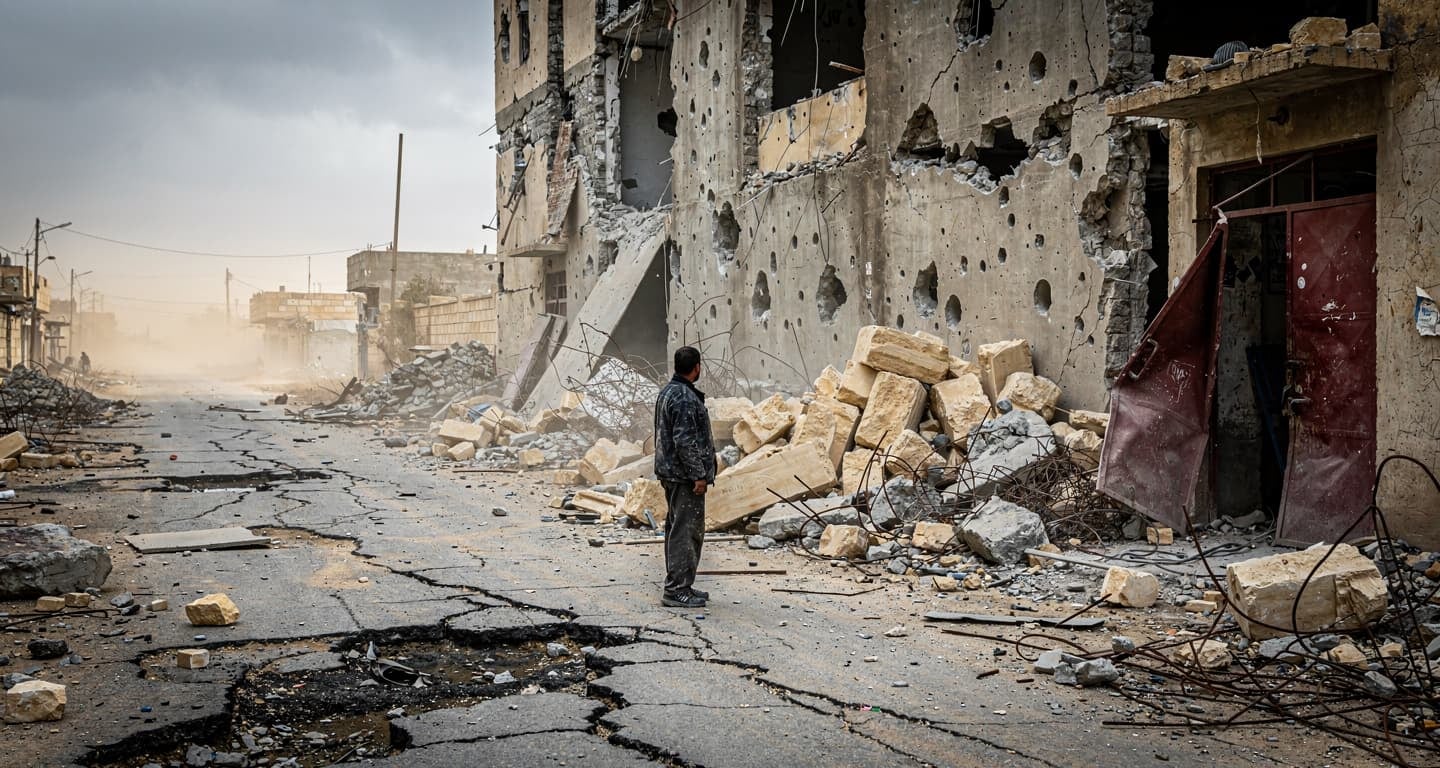
Western Mindanao and the Sulu Archipelago remain active conflict zones where terrorist groups target foreigners for kidnapping and bombings occur in public spaces. The US State Department’s March 2026 advisory places Sulu, Basilan, Tawi-Tawi, and Marawi City under Level 4 restrictions — the highest warning tier, shared with countries experiencing active warfare. The remaining Mindanao provinces carry Level 3 advisories except for four explicitly carved-out safe zones.
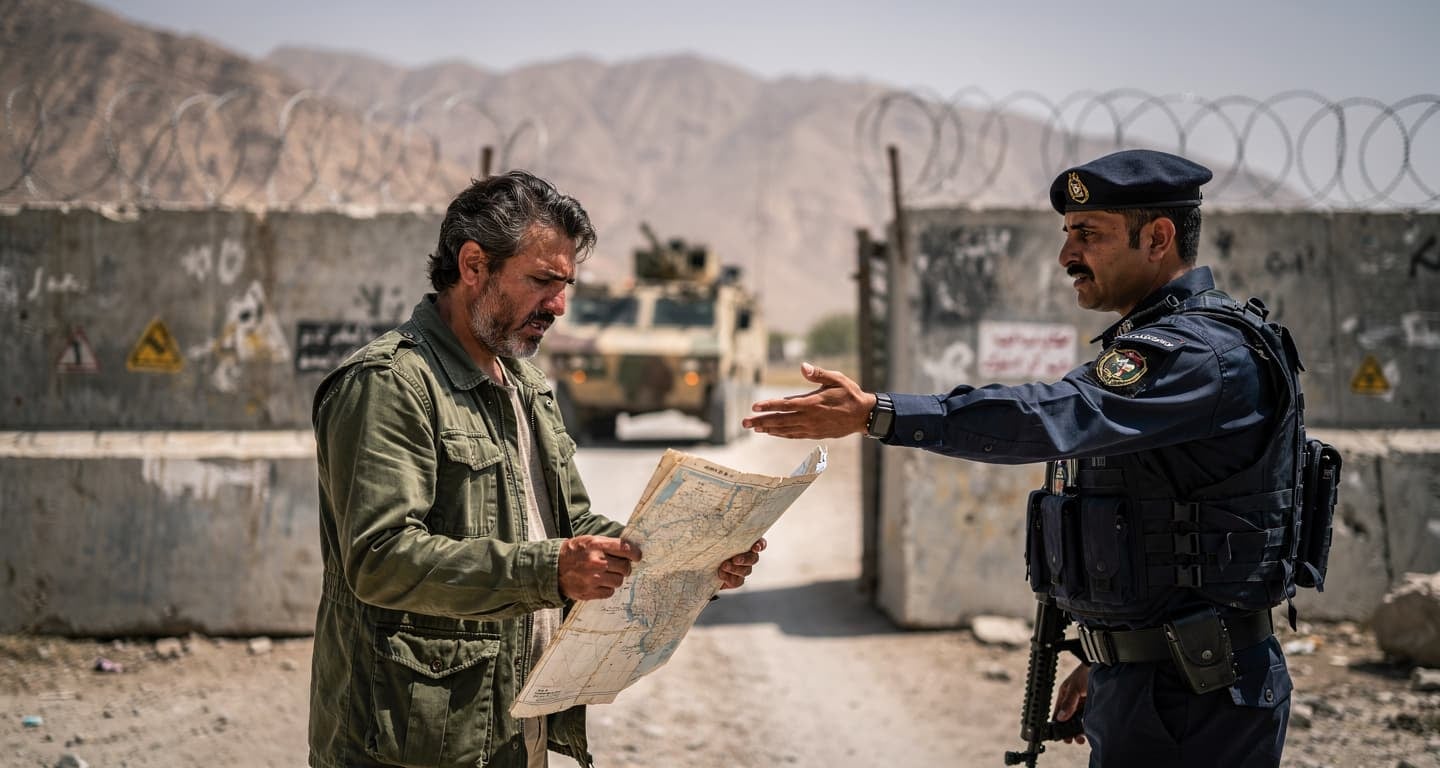
For travelers flying to the Philippines between March and December 2026, this creates a binary routing decision: use direct flights to Davao City (DVO) or Siargao Island (IAO), or avoid Mindanao entirely. Overland travel through central and western provinces exposes you to checkpoints in areas where the Philippine military conducts active counterinsurgency operations. Bus and ferry routes cross provinces where improvised explosive devices have detonated in markets, transport hubs, and government buildings within the past 18 months.
Air Traveler Club’s March 2026 cross-government advisory analysis of US, UK, Canadian, and Australian travel warnings shows 100% alignment on Sulu Archipelago and Marawi City as no-travel zones, with Davao City and Siargao Island appearing as the only consistent exceptions across all four governments. The geographic scope is precise: safe zones represent less than 10% of Mindanao’s landmass, concentrated in two airport-accessible cities and three small islands.
Which parts of Mindanao are actually restricted
The advisory map divides Mindanao into three risk tiers, but the boundaries are provincial — not city-level. Davao City sits inside Davao del Sur province, which Canada classifies as “avoid non-essential travel” everywhere except the city itself. Siargao Island is part of Surigao del Norte province, where the same restriction applies to the mainland but not the island. This creates confusion: your destination may be safe, but the province containing it is not.
The US State Department’s Level 4 zones cover the Sulu Archipelago (Basilan, Sulu, and Tawi-Tawi provinces), the Sulu Sea maritime corridor, and Marawi City in Lanao del Sur. These areas have seen kidnappings of foreign nationals, beheadings, and sustained firefights between government forces and Abu Sayyaf Group (ASG) and ISIS-affiliated militants. The State Department explicitly states US government employees are prohibited from traveling to these zones, and emergency consular services are unavailable.
| Zone/Province | US State Dept | UK FCDO | Canada | Australia | Safe Airports |
|---|---|---|---|---|---|
| Sulu Archipelago | Level 4 Do Not Travel | Against All Travel | Avoid All Travel | Do Not Travel | None |
| Marawi City | Level 4 Do Not Travel | Against All Travel | Avoid All Travel | Do Not Travel | None |
| Davao City | Level 3 (exempt) | Essential Only (rest of region) | Non-Essential (province excl. city) | Reconsider Travel | DVO |
| Siargao Island | Level 3 (exempt) | Exempt (safe) | Non-Essential (province excl. island) | Reconsider Travel | IAO |
| Zamboanga Peninsula | Level 3 | Against All Travel | Avoid All Travel | Reconsider Travel | None |
| Cotabato (BARMM) | Level 3 | Against All Travel | Avoid All Travel | Reconsider Travel | None |
Level 3 covers the remaining Mindanao provinces — roughly 90% of the island’s geography. This includes Davao del Sur (except Davao City), Davao Oriental, Davao Occidental, Surigao del Norte (except Siargao), Surigao del Sur, Agusan del Norte, Agusan del Sur, and the Bangsamoro Autonomous Region in Muslim Mindanao (BARMM). The UK Foreign, Commonwealth & Development Office advises against all but essential travel to these areas due to terrorism, kidnapping, and ongoing clashes between government forces and insurgent groups.
Flight deals
most people never see
Our AI monitors 150+ airlines for pricing anomalies that traditional search engines miss. Air Traveler Club members save $650 per trip per person on average: see how it works.
Each deal saves 40–80% vs. regular fares:

Why Davao and Siargao remain accessible despite regional warnings
Davao City functions as Mindanao’s economic and transport hub, with a population exceeding 1.8 million and a security infrastructure that includes military checkpoints, curfews, and a municipal government that cooperates closely with national counterterrorism units. The city has not experienced a major terrorist attack since the 2016 Roxas Night Market bombing, which killed 15 people and injured 70. Since then, Davao has maintained a visible security presence that includes bag checks at malls, metal detectors at public events, and a 2:00 AM to 5:00 AM curfew for minors.
Siargao Island’s exemption reflects its geographic isolation and tourism-dependent economy. The island sits 800 kilometers northeast of the Sulu Archipelago, separated by the Philippine Sea and multiple provinces. Its primary industries are surfing tourism and coconut farming — neither of which attract insurgent activity. The island has no history of kidnappings or bombings, and its small population (roughly 200,000) makes it easier for local authorities to monitor.
Both locations have direct international and domestic flights, which eliminates the need to transit through higher-risk provinces. Davao’s Francisco Bangoy International Airport (DVO) connects to Manila, Cebu, Clark, and Singapore. Siargao’s Sayak Airport (IAO) serves Manila, Cebu, and Clark via Philippine Airlines, Cebu Pacific, and AirAsia. Flying directly into DVO or IAO means you never pass through Cotabato, Lanao del Sur, or Zamboanga — the provinces where most incidents occur.
What the maritime piracy risk means for island-hopping
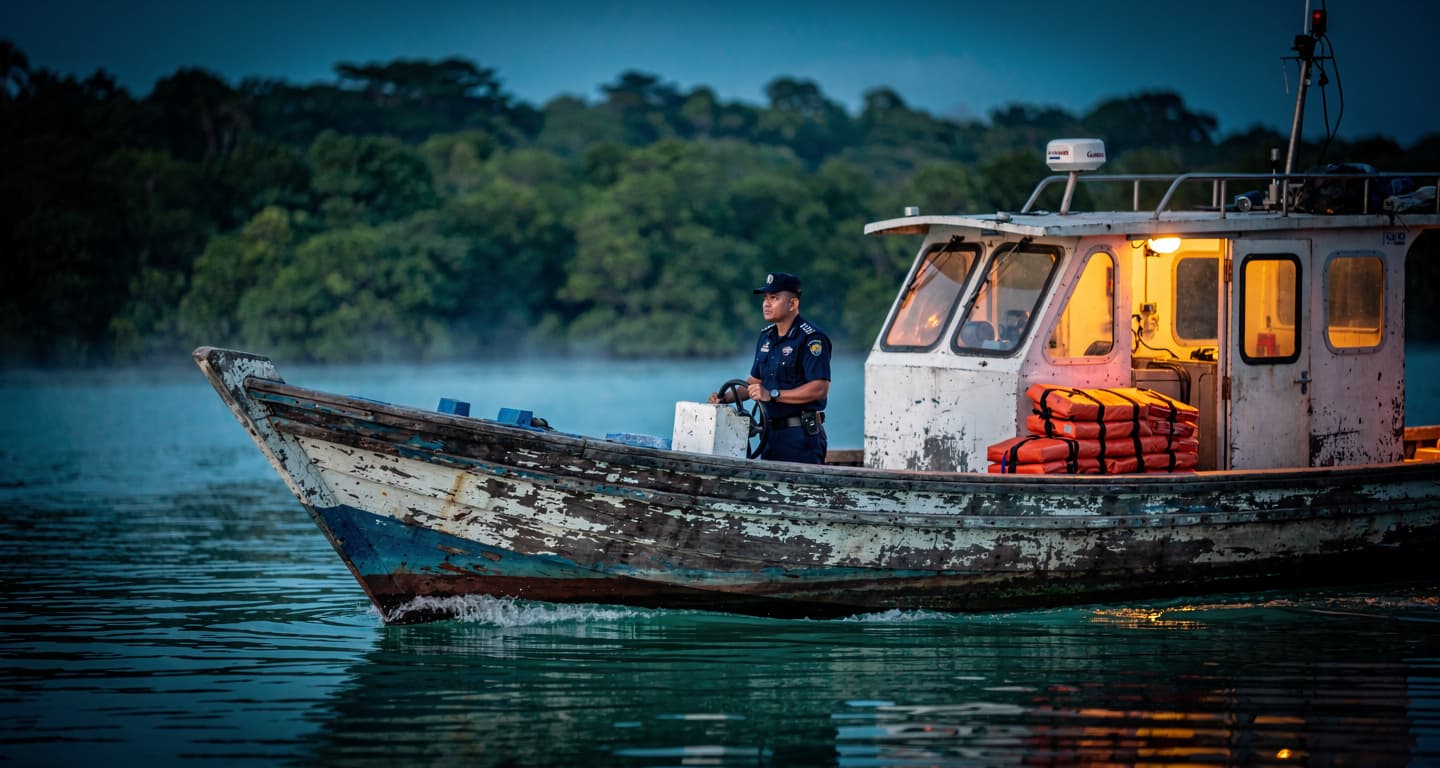
The Sulu Sea and Celebes Sea remain high-risk corridors for piracy and kidnapping, even near islands classified as safe. Abu Sayyaf Group and other militant factions operate speedboats that intercept ferries, fishing vessels, and private yachts traveling between Mindanao, Palawan, and Sabah (Malaysia). Between 2015 and 2023, at least 40 foreign nationals were kidnapped from boats in these waters, with ransom demands ranging from $50,000 to $600,000 per hostage.
Canada’s travel advisory explicitly warns against boat travel south of Negros and Siquijor islands, which includes the entire maritime corridor between Mindanao and Palawan. The UK FCDO extends this warning to include the Sulu Sea and waters surrounding the Sulu Archipelago. Even if your departure and arrival points are in safe zones — such as traveling from Siargao to Palawan — the route crosses waters where piracy remains active.
This restriction eliminates most ferry-based island-hopping itineraries that connect Mindanao to the Visayas or Palawan. If you plan to visit multiple Philippine islands, fly between destinations rather than taking overnight ferries. Budget carriers like Cebu Pacific and AirAsia offer intra-Philippines flights starting at ₱1,500-₱3,000 ($27-$54) when booked in advance, which is comparable to ferry fares but eliminates maritime risk.
How recent embassy restrictions affect Davao City travel
In January 2026, the US Embassy in Manila imposed new travel restrictions on its personnel visiting Davao City, despite the city’s exemption from Level 4 warnings. Embassy staff now require advance authorization to travel to Davao, and visits are limited to specific hotels and venues pre-approved by the Regional Security Office. This policy change followed intelligence reports of increased militant activity in Davao del Sur province — the area surrounding the city.
The restriction does not change the State Department’s public advisory, which still classifies Davao City as exempt from the Level 3 warning applied to the rest of Mindanao. However, it signals that US government risk assessments for Davao have tightened, even if the public-facing advisory language has not caught up. For civilian travelers, this means Davao remains legally accessible and insurable, but the security margin has narrowed.
The practical implication: if you travel to Davao City, stay within the urban core and avoid excursions into Davao del Sur, Davao Oriental, or Davao Occidental provinces. Popular tourist sites like Mount Apo and Samal Island sit outside the city limits, in areas where the Level 3 advisory applies. Day trips to these locations require passing through checkpoints and traveling roads where the Philippine military conducts patrols.
When Mindanao advisories break down for specific nationalities
Australia’s Smartraveller advisory applies a blanket “Reconsider Travel” warning to all of Mindanao, including Davao City and Siargao Island, without carving out explicit exceptions. This creates a coverage gap for Australian travelers: while US, UK, and Canadian citizens can point to their governments’ safe-zone exemptions when filing insurance claims, Australians may face claim denials even when traveling to Davao or Siargao if their insurer interprets the advisory as covering the entire island.
Canadian travelers face a different edge case: Surigao del Norte province (which contains Siargao Island) is classified as “avoid non-essential travel” on the mainland, but Canada’s advisory does not explicitly name Siargao as exempt. The exemption is implied by the UK and US advisories, but Canadian insurers may require additional documentation proving that Siargao Island is geographically and administratively separate from the mainland province.
For travelers from countries outside the US, UK, Canada, and Australia, check whether your government maintains a Philippines-specific travel advisory. Many European and Asian governments issue regional warnings but do not provide the same level of provincial detail, which can create ambiguity when booking flights or filing insurance claims. If your government does not explicitly exempt Davao or Siargao, your insurer may classify the entire island as high-risk.
What to do now
The Sulu Archipelago and Marawi City remain Level 4 Do Not Travel zones with no consular assistance and no insurance coverage — conditions that have not changed since 2017.
- Verify your itinerary against current advisories. Cross-reference your planned destinations with the US State Department, UK FCDO, or Canadian government advisory pages. If any destination falls outside Davao City, Siargao Island, Dinagat Islands, or Camiguin, reroute or cancel.
- Book direct flights to DVO or IAO. Search flight options to Philippines from North America and filter for nonstop service from Manila, Cebu, or Clark. Avoid itineraries with bus or ferry segments between cities — these cross restricted provinces.
- Confirm your travel insurance covers Level 3 zones. Call your insurer and ask whether the policy excludes “government travel warnings” or “terrorism-related incidents.” If the answer is yes, purchase a policy that explicitly covers Reconsider Travel advisories, such as World Nomads or Allianz’s higher-tier plans.
- Register with your embassy before departure. Enroll in your government’s traveler notification system (US STEP, UK LOCATE, Canada’s Registration of Canadians Abroad, or Australia’s Smartraveller) so you receive security updates if conditions change mid-trip.

Questions? Answers.
Are direct flights to Davao (DVO) fully safe despite Mindanao risks?
Davao City is explicitly exempt from the highest travel restrictions by the US, UK, and Canadian governments, but the US Embassy now requires advance authorization for its personnel to visit. Use only airport-to-hotel transfers and stay within the city limits — excursions into surrounding Davao del Sur province fall under Level 3 warnings.
Can I take a ferry from Siargao to Palawan or other islands?
No. The Sulu Sea and Celebes Sea between Mindanao and Palawan remain high-risk for piracy and kidnapping, even when traveling between safe zones. At least 40 foreign nationals were kidnapped from boats in these waters between 2015 and 2023. Fly between islands instead — budget carriers offer intra-Philippines flights for ₱1,500-₱3,000 ($27-$54).
Has terrorism in Mindanao decreased enough to ignore the advisories?
Attacks are less frequent than during the 2016-2017 Marawi siege, but bombings and armed clashes continue in Cotabato, Zamboanga, and Lanao del Sur. The Philippine government demobilized some insurgent groups, but Abu Sayyaf Group and ISIS-affiliated factions remain active. The US State Department has not downgraded its Level 4 classification for Sulu or Marawi since 2017.
What transport should I use from DVO or IAO airports?
Use only official airport taxis or pre-arranged hotel transfers. Avoid habal-habal motorcycle taxis and tricycles, especially after dark. Agree on fares before departure and do not allow drivers to make unscheduled stops. Carry a printed copy of your hotel address in case your phone loses signal.
Do I need malaria prophylaxis for Davao or Siargao?
Malaria risk is low in urban Davao and coastal Siargao, but consult a travel medicine clinic 6-8 weeks before departure. The CDC recommends prophylaxis for rural areas of Mindanao, particularly if you plan excursions outside city limits. Avoid freshwater swimming and contact with animals in rural areas to reduce risk of leptospirosis and rabies.
Are Dinagat Islands and Camiguin as safe as Siargao?
Yes. The US, UK, and Canadian governments exempt Dinag