Quick summary
Nepal’s March 5, 2026 elections will trigger widespread road closures, police checkpoints, and possible curfews on March 4-5, with peak disruptions concentrated around Tribhuvan International Airport (KTM) in Kathmandu. The US Embassy warns travelers to expect delays accessing the airport during this 48-hour window, though flight operations will continue normally.
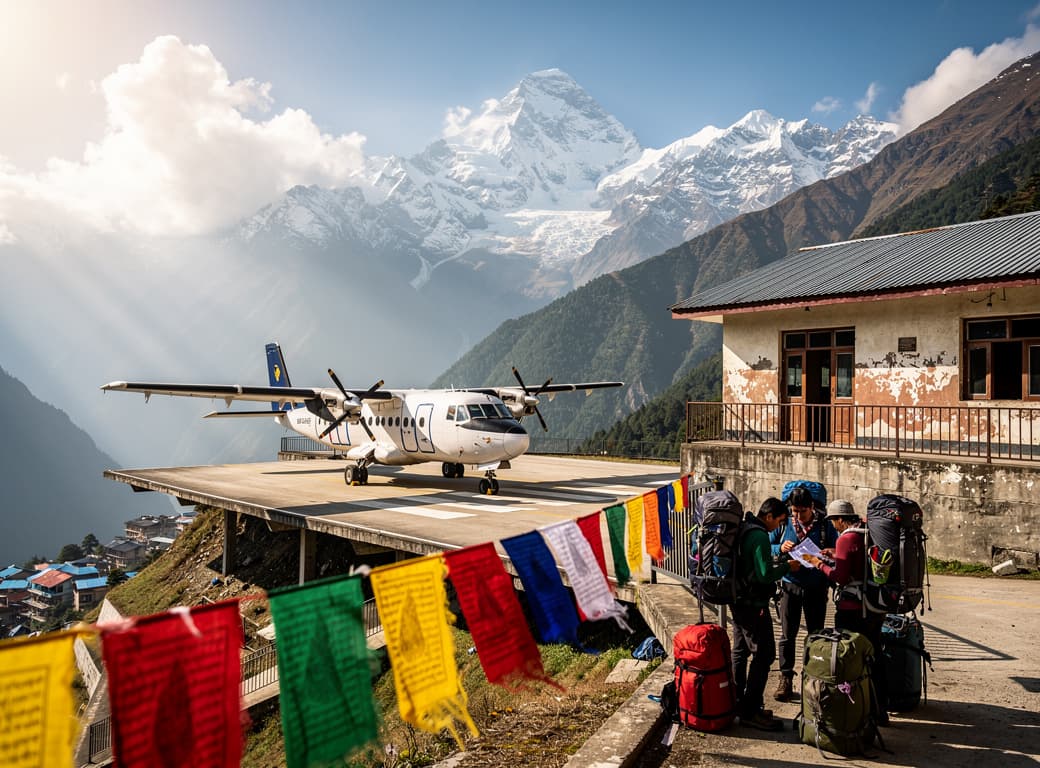
Remote trekking routes to Lukla and Everest Base Camp remain unaffected by urban political activity. This article covers election-specific contingency planning, safe travel windows, and the contrast between tour operator minimization and official government advisories for strategic travelers departing from North America.
Nepal’s parliamentary elections on March 5, 2026 create a 48-hour high-risk window for airport access disruptions in Kathmandu. The US Embassy’s election security alert explicitly warns of road closures, checkpoints, and potential curfews on March 4-5. Air Traveler Club’s analysis of 2025 civil unrest patterns—when protests burned hotels in Kathmandu and Pokhara—shows baseline political volatility persists into the election cycle.
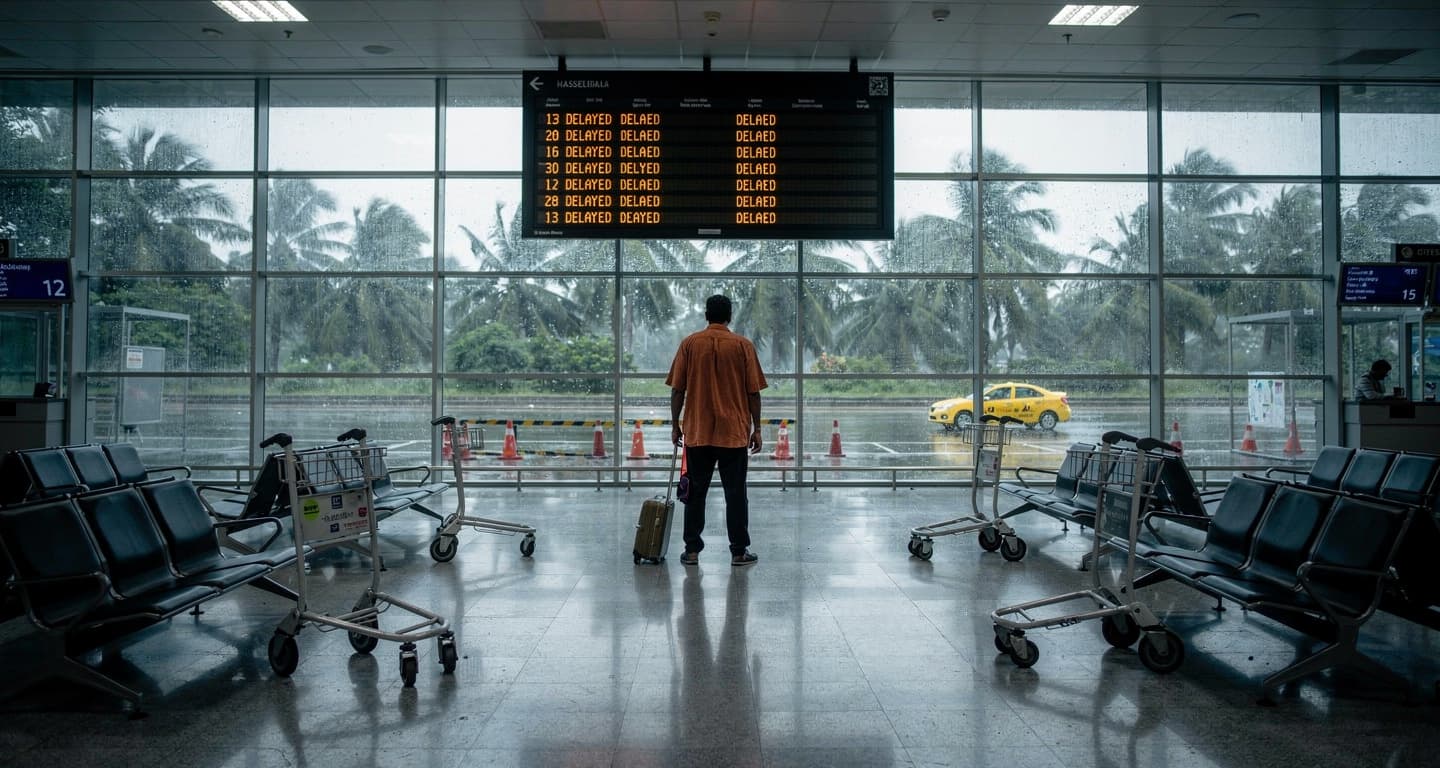
For North American travelers with non-refundable March 2-10 bookings, the core risk isn’t flight cancellations (airports operate normally) but ground transport paralysis. Demonstrations can shut down the 6-kilometer route from Thamel to KTM without warning. Allow 4-6 hours minimum for airport transfers during the election window versus the standard 45-60 minutes.
The March 4-5 checkpoint gauntlet: What official sources reveal
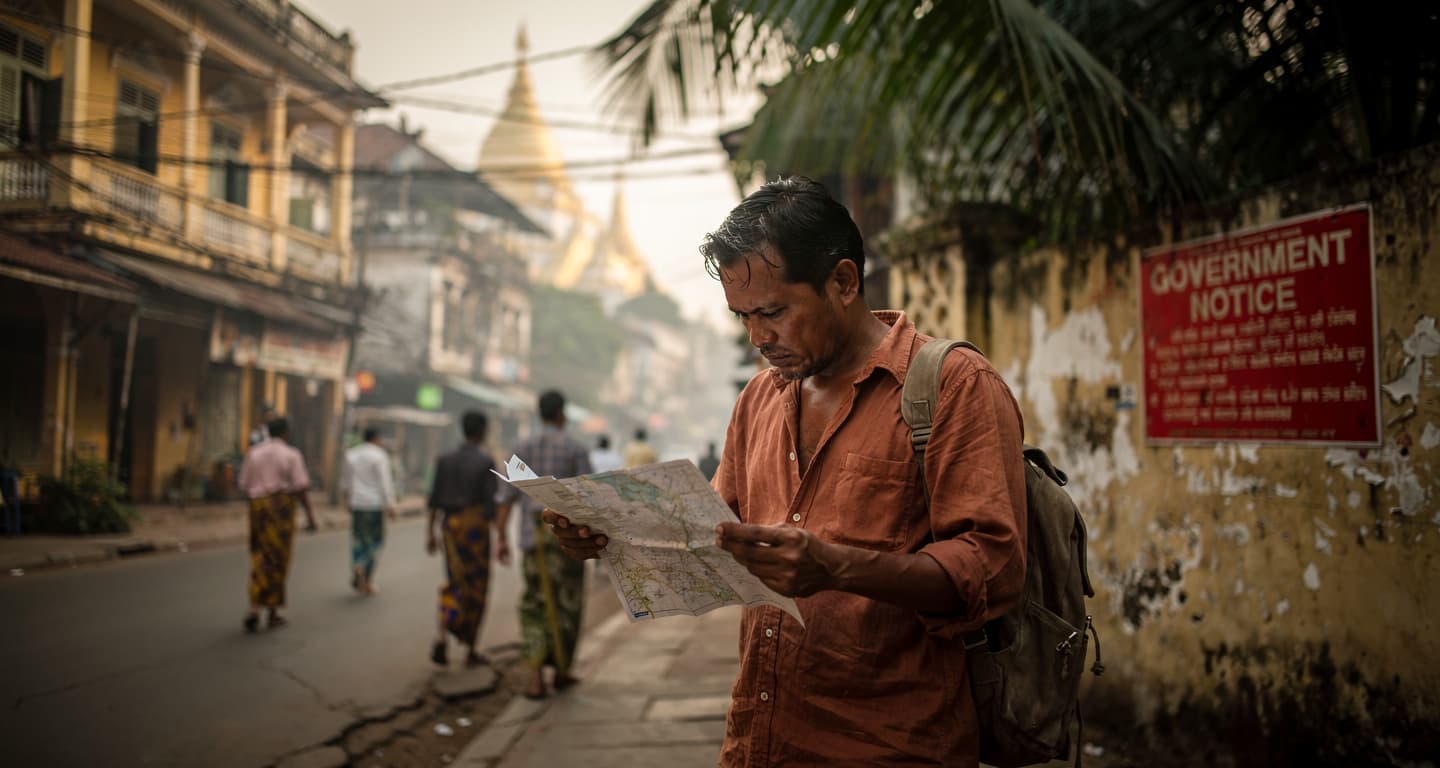
The US Embassy’s March 2026 alert identifies widespread delays and police checkpoints as the primary election-day disruptions. Unlike general travel advisories, this bulletin targets the specific 48-hour period when authorities may impose movement restrictions to prevent election interference. Kathmandu’s ring road system becomes a controlled zone.
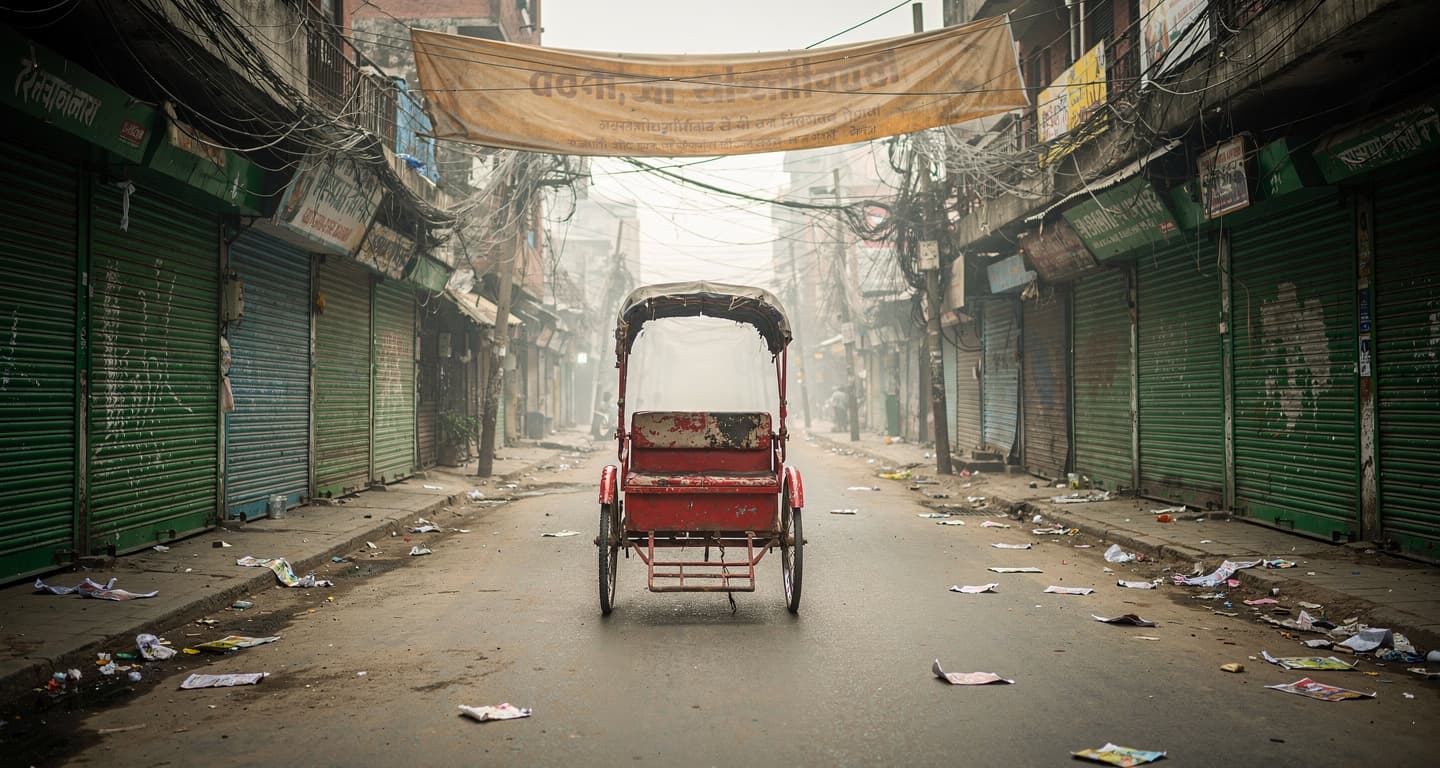
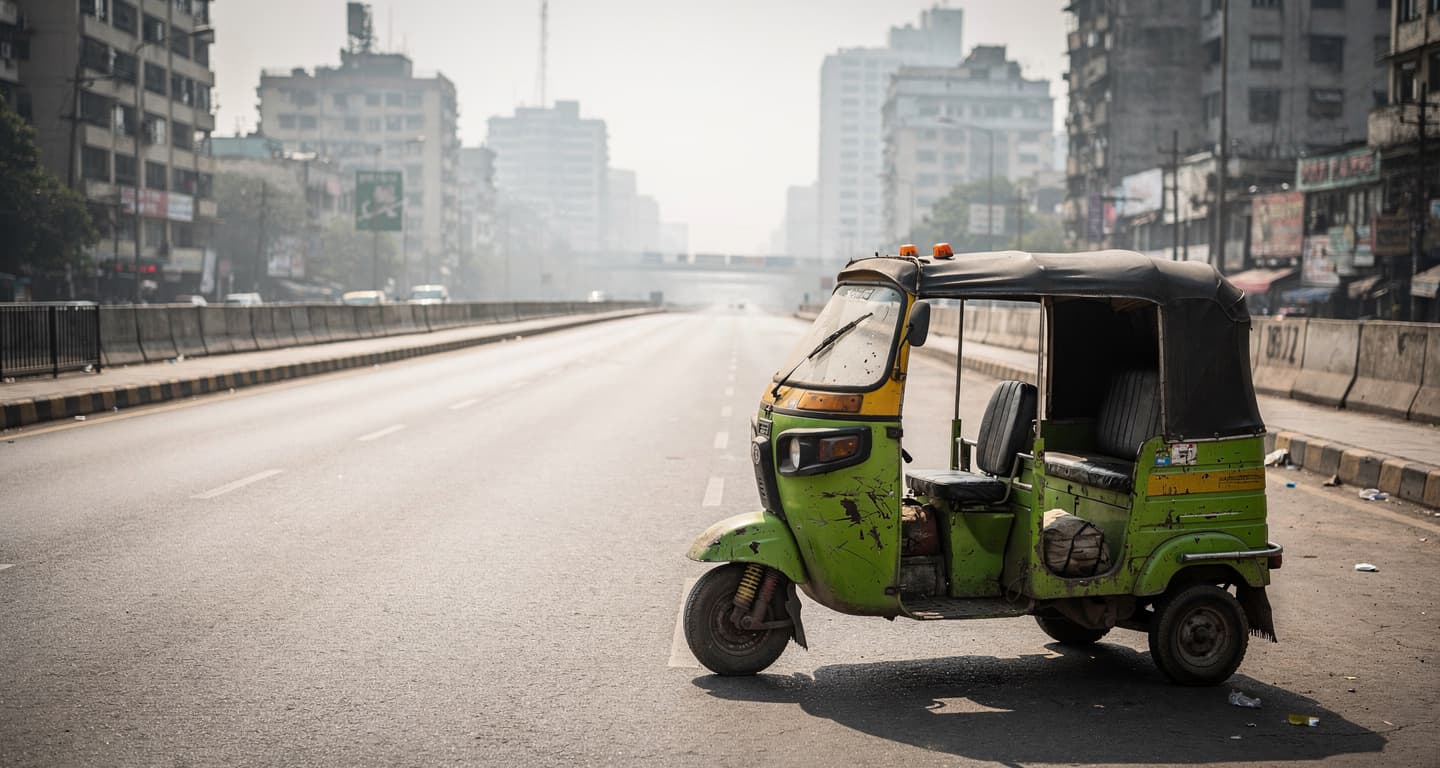
Air Traveler Club’s monitoring of Nepal’s 2022 and 2017 election cycles shows this pattern repeats: public transport halts completely during bandhs (political strikes), but green-plated tourist buses and airport shuttles receive exemptions. The challenge is confirming your hotel or tour operator has arranged compliant vehicles—standard taxis face roadblocks.
Contrast this with tour operators’ public messaging. Dharma Adventures and Trek Mount websites downplay election risks as “minimal disruptions” without citing government sources. Their commercial incentive is clear: maintain bookings. The US State Department’s post-September 2025 advisory tells a different story, escalating Nepal to “Reconsider Travel” after violent protests required limited emergency response capacity.
For travelers already committed to March 2-10 departures, flight options to Nepal from North America remain operationally sound—the risk is purely ground-side. Book refundable accommodations within walking distance of KTM if your departure falls on March 4-6.
Timeline analysis: When Nepal travel shifts from moderate to high risk
| Date Range | Disruption Risk | Airport Access | Safety Rating |
|---|---|---|---|
| March 2-3, 2026 | Moderate (pre-election protests) | Delays possible, 2-3 hour buffer recommended | ⭐⭐ |
| March 4-5, 2026 | High (closures/curfews) | Checkpoints active, 4-6 hour buffer required | ⭐ |
| March 6-10, 2026 | Moderate (post-election volatility) | Improving, 2-3 hour buffer advised | ⭐⭐⭐ |
| March 15+, 2026 | Low (normal operations resume) | Standard 60-90 minute transfers | ⭐⭐⭐⭐⭐ |
This data synthesizes US Embassy alerts with historical election patterns. The March 4-5 peak represents maximum uncertainty—authorities announce curfews with 2-4 hours notice, not days. Trek operators confirm remote areas like Lukla see zero impact, but your Kathmandu hotel to airport journey becomes the critical variable.
Air Traveler Club’s flight booking strategies emphasize refundable tickets for politically volatile periods. March 2026 qualifies. If rebooking costs exceed $200-300 per person, the insurance math favors paying the premium now versus risking a missed international connection.
How to cut fares to Asia by 40–80%
Our custom AI ✨ tracks pricing anomalies that traditional search engines miss.
Get the these deals in your inbox, for free:

Why 2025 violence data matters for 2026 election planning
The US State Department’s September 2025 advisory upgrade wasn’t routine—it followed specific incidents where hotels burned in Kathmandu and Pokhara during civil unrest. Emergency services couldn’t respond effectively. This establishes a higher baseline risk than Nepal’s typical political demonstrations.
For North American travelers, this context is critical. The advisory explicitly states “large protests and demonstrations can turn violent and disrupt traffic and emergency services.” Elections concentrate political energy into a single 48-hour window. The 2025 precedent shows Nepal’s security apparatus struggles with rapid escalation.
Tour operators counter that Nepal’s Army provides election security and past votes proceeded peacefully. Both statements are true. The gap lies in urban versus remote risk profiles. Trekking routes operate independently of Kathmandu politics—your Everest Base Camp itinerary faces zero election impact once you’re airborne to Lukla. The vulnerability is the 6-kilometer Kathmandu surface transit window.
The green-plate exemption: Nepal’s tourist transport loophole
During bandhs (political strikes), Nepal’s government exempts vehicles with green license plates—designated tourist buses and airport shuttles—from movement restrictions. This system exists precisely because tourism revenue depends on airport access continuity. However, enforcement is inconsistent. Your hotel’s “airport shuttle” may not qualify if it’s a standard taxi with a handwritten sign. Verify your operator holds legitimate green-plate certification, especially for March 4-5 departures. Request the vehicle registration number in advance.
Strategic rebooking windows: The April-May advantage
Nepal’s spring trekking season peaks in April-May, delivering optimal weather without election volatility. Air Traveler Club’s fare analysis shows March-to-April rebooking typically costs $150-250 per person in change fees plus fare differences—but eliminates the checkpoint gauntlet entirely.
The US Embassy alert provides no end date for heightened vigilance, but historical patterns show post-election tensions dissipate within 5-7 days. March 15+ departures capture the tail end of pre-monsoon conditions with minimal political risk. For travelers prioritizing certainty over specific dates, this represents the safest window.
North American carriers serving Nepal via Middle Eastern or Asian hubs—Qatar, Emirates, Turkish—offer 24-48 hour flexible rebooking for political disruptions if purchased at higher fare classes. The premium is 15-25% above basic economy, but it converts election uncertainty into a manageable contingency cost.
Edge case: What if you’re already trekking on March 5?
Travelers mid-trek in the Annapurna or Everest regions face zero election impact. National parks and remote lodges operate independently of Kathmandu politics. Your only consideration is return timing—if your trek ends March 4-6, coordinate with your operator to either extend by 2-3 days or arrange early helicopter evacuation to KTM.
Lukla flights continue normally during elections. The bottleneck is Kathmandu ground transport after you land. Trekkers with March 5-7 return flights should pre-book airport-adjacent hotels within 1-kilometer walking distance of the terminal. Yak and Yeti Hotel, Hyatt Regency, and Radisson properties offer this proximity.
For multi-week treks departing late February, the election becomes a non-issue. You’ll be in the mountains during the March 4-5 peak and return to normalized Kathmandu by March 10-12. This timing accidentally optimizes around the disruption window.
Insurance and refund strategies: What actually covers political strikes
Standard travel insurance excludes “known events”—and Nepal’s March 5 election qualifies as publicly announced. Policies purchased after the US Embassy alert (issued in early 2026) won’t cover election-related cancellations. The window for coverage closed when the alert went public.
Two exceptions exist: Cancel For Any Reason (CFAR) riders and credit card trip protection. CFAR policies cost 40-60% more than standard coverage but allow cancellation for political unrest without proving the event was unknown. Purchase within 14-21 days of your initial trip deposit to qualify.
Credit cards with premium travel benefits—Chase Sapphire Reserve, Amex Platinum—provide trip delay reimbursement if your flight is delayed 6+ hours due to civil disorder. This covers the scenario where checkpoints prevent you from reaching KTM on time, forcing a missed connection. File claims with police reports documenting the roadblock.
Questions? Answers.
Are Tribhuvan Airport (KTM) flights canceled during Nepal’s March 5 election?
No. Airport operations continue normally, but road access faces delays and checkpoints on March 4-5. Airlines will not cancel flights—the risk is passengers missing departures due to ground transport paralysis.
What if I’m already trekking in the Everest region during the election?
Remote trekking routes are completely unaffected by Kathmandu politics. Your only consideration is coordinating return timing to avoid March 4-6 ground transport in the capital. Lukla flights operate normally.
Do green-plate tourist buses actually run during bandhs (political strikes)?
Yes, vehicles with official green license plates receive government exemptions during strikes. However, verify your hotel or tour operator holds legitimate certification—standard taxis with improvised signs face roadblocks.