Quick summary
Adderall and Vyvanse are completely banned in Japan, even with a valid US or Canadian prescription. Bringing amphetamine-based ADHD medications can result in arrest, detention, and deportation at customs. Common over-the-counter products like Vicks inhalers containing pseudoephedrine are also prohibited as stimulant raw materials. Air Traveler Club’s analysis of Japan’s Ministry of Health controlled substances lists shows zero exceptions for foreign prescriptions on amphetamine compounds.
Ritalin and Concerta are allowed but require a Yunyu Kakunin-sho (import certificate) approved at least two weeks before departure. This article covers which medications trigger Japan’s anti-stimulant laws, how to apply for legal import certificates, and what North American travelers must do months before booking flights to Japan from North America.
Japan enforces some of the world’s strictest pharmaceutical import laws. Amphetamine salts (Adderall), lisdexamfetamine (Vyvanse), and pseudoephedrine (Vicks inhalers) are classified as stimulants or stimulants’ raw materials under Japan’s Pharmaceutical Affairs Law. Possession without authorization is a criminal offense. The U.S. Embassy in Tokyo explicitly warns that American prescriptions hold no legal weight in Japan—customs officers will confiscate prohibited medications and may detain travelers for questioning.
For US and Canadian passport holders departing November 2025 through December 2026, the risk is immediate and non-negotiable. Japan’s Narcotics Control Department does not grant exceptions for amphetamine-based medications, regardless of medical documentation. Methylphenidate medications like Ritalin and Concerta are permitted, but only with a pre-approved Yunyu Kakunin-sho certificate obtained through Japan’s Ministry of Health online system. The application requires at least two weeks processing time, and travelers must carry the approval document and original prescription packaging.
Which ADHD medications are banned vs. allowed
The distinction between banned and restricted medications hinges on chemical structure. Japan’s Ministry of Health maintains three separate controlled substances lists: narcotics, psychotropics, and stimulants. Amphetamine compounds appear on the stimulants list with zero import pathways. Methylphenidate appears on the psychotropics list with a legal import mechanism via Yunyu Kakunin-sho.
| Medication Type | Active Ingredient | Status in Japan | Action Required | Max Quantity |
|---|---|---|---|---|
| ADHD Amphetamine | Amphetamine/Lisdexamfetamine | Banned | Do not bring | N/A |
| ADHD Methylphenidate | Methylphenidate (Ritalin/Concerta) | Restricted | Yunyu Kakunin-sho | 1 month supply |
| OTC Decongestant | Pseudoephedrine (Vicks, Sudafed) | Banned | Switch medication | N/A |
| Opioid Pain | Codeine/Oxycodone | Restricted | Narcotics license | 1 month supply |
| General Analgesic | Tramadol | Allowed (limits) | None if under 2 weeks | 24 days |
Generic equivalents follow the same rules as brand-name versions. Dexedrine, Desoxyn, and other amphetamine formulations are treated identically to Adderall—complete prohibition. Combination medications containing any amount of pseudoephedrine trigger the ban, even if the primary ingredient is non-controlled. A cold remedy with 30mg pseudoephedrine per dose is confiscated the same as a box of Sudafed.
Flight deals
most people never see
Our AI monitors 150+ airlines for pricing anomalies that traditional search engines miss. Air Traveler Club members save $650 per trip per person on average: see how it works.
Each deal saves 40–80% vs. regular fares:

How to apply for the Yunyu Kakunin-sho import certificate
The Yunyu Kakunin-sho application system went fully digital in February 2023. Travelers submit forms through the Ministry of Health online portal, which routes requests to regional Narcotics Control Department bureaus. The Kanto-Shin’etsu Bureau handles most international arrivals through Tokyo’s Narita and Haneda airports.
Required documentation includes: a scanned copy of your prescription showing medication name, dosage, and prescribing doctor’s information; your passport bio page; confirmed flight itinerary with arrival and departure dates; and a completed application form in English or Japanese. The system calculates whether your requested quantity exceeds the one-month personal use limit. Travelers bringing a 90-day supply must apply for a special extended certificate, which requires additional medical justification.
Processing time averages 10-14 business days but extends to three weeks during Japanese holiday periods (Golden Week in late April-early May, Obon in mid-August, New Year in late December-early January). Submit applications at least 21 days before departure to account for potential delays or requests for additional documentation. The certificate arrives via email as a PDF—print multiple copies and store one in your carry-on, one in checked luggage, and one digital backup on your phone.
What happens at Japanese customs without proper documentation
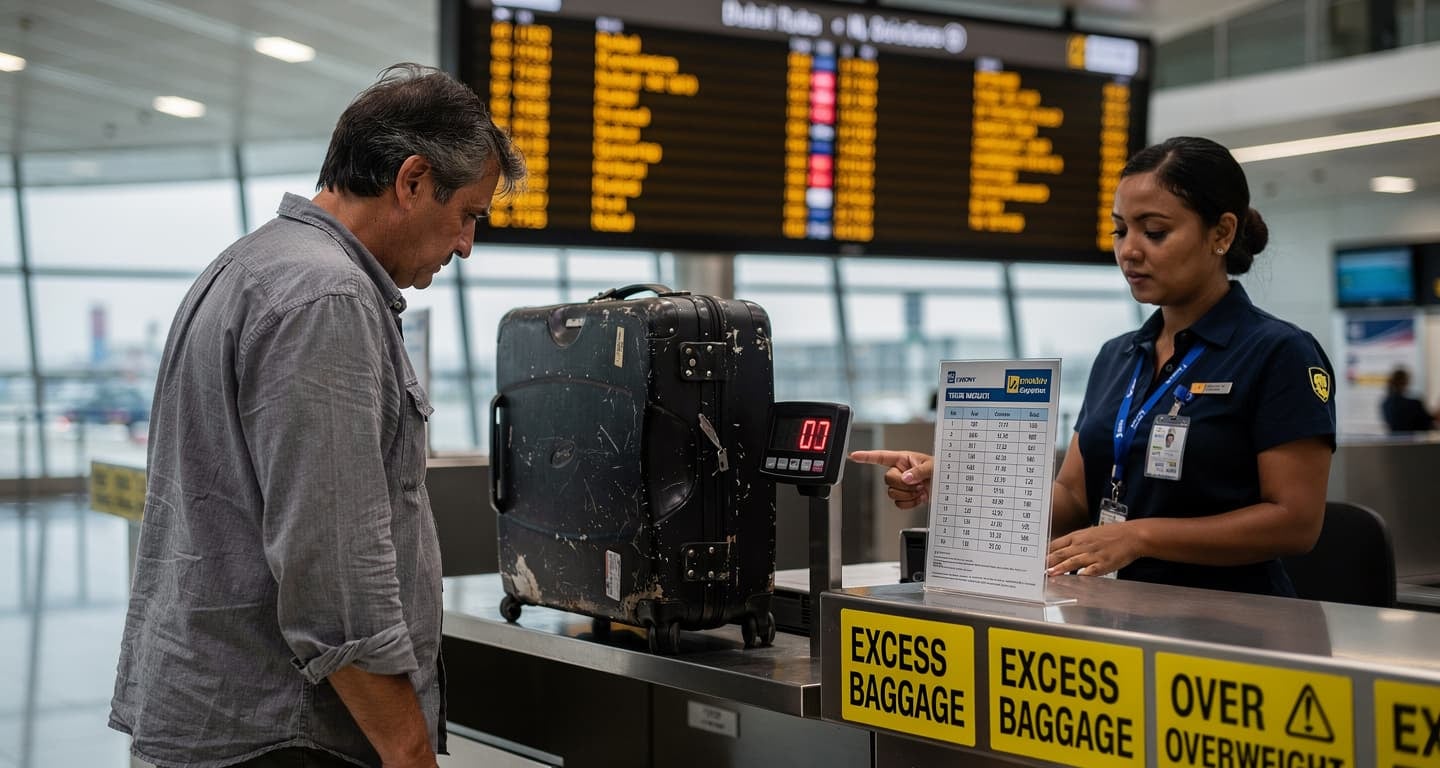
Japan’s customs inspection process includes mandatory baggage screening and random medication checks. Officers use handheld scanners to identify pill bottles and blister packs, then cross-reference contents against the controlled substances database. Travelers carrying prohibited medications face immediate confiscation, secondary inspection in a private room, and questioning about how they obtained the drugs.
The U.S. Embassy reports that detained travelers spend 6-48 hours in airport holding facilities while authorities verify their story and contact the prescribing physician in North America. Even with proof of legitimate medical use, amphetamine medications result in deportation on the next available flight. The traveler pays all associated costs—rebooking fees, extended airport detention, and potential legal representation if charges are filed.
For methylphenidate without a Yunyu Kakunin-sho, outcomes vary by officer discretion and medication quantity. A single week’s supply in original packaging may result in confiscation and a warning. A three-month supply triggers the full detention process. In all cases, the medication is destroyed, and the traveler enters Japan without their prescribed treatment. No exceptions exist for “I didn’t know” or “my doctor said it was fine.”
Over-the-counter medications that trigger Japan’s import ban
Pseudoephedrine appears in dozens of North American OTC products beyond Vicks inhalers. Sudafed, Claritin-D, Mucinex-D, Advil Cold & Sinus, and Tylenol Sinus all contain the compound. Japan classifies pseudoephedrine as a stimulant raw material because it can be chemically converted to methamphetamine—the country’s most significant illegal drug problem.
Travelers often pack cold medication without checking ingredients. A standard 12-hour Sudafed tablet contains 120mg pseudoephedrine. Bringing a 10-day supply (20 tablets) constitutes possession of 2,400mg of a controlled substance. Customs treats this identically to bringing 2,400mg of pure pseudoephedrine powder. The “but it’s just for my stuffy nose” defense holds no legal weight.
Alternatives exist: phenylephrine-based decongestants like Sudafed PE are legal in Japan, though less effective. Antihistamines without decongestants (Zyrtec, Allegra, Benadryl) are unrestricted. Travelers should switch medications before departure rather than risk confiscation. Japanese pharmacies stock local equivalents, but navigating language barriers while sick adds unnecessary stress to your trip.
When the standard rules break down
Transit passengers face the same restrictions as those entering Japan. If your itinerary includes a Tokyo layover and you remain airside without passing through immigration, you still cannot possess prohibited medications in your carry-on. Japanese airport security screens all passengers, including those in transit. Confiscation occurs at the security checkpoint, and you board your onward flight without the medication.
Injectables and medical devices create additional complications. Insulin with syringes requires a Yunyu Kakunin-sho even though insulin itself is not controlled—the needles trigger the import certificate requirement. EpiPens for severe allergies are allowed without certification, but travelers should carry a doctor’s letter in English and Japanese explaining the medical necessity. The letter does not provide legal protection for controlled substances, only context for non-controlled emergency medications.
Quantities exceeding one month require enhanced documentation. A traveler planning a three-month stay on Concerta must submit medical records proving continuous treatment, a detailed itinerary showing why they cannot obtain refills in Japan, and justification for why the extended supply is medically necessary. Approval rates for extended certificates are lower, and processing times stretch to 4-6 weeks. Most travelers find it simpler to arrange a mid-trip consultation with a Japanese psychiatrist for a local prescription refill.
Questions? Answers.
Can I bring a three-month supply of Concerta if I have a Yunyu Kakunin-sho?
The standard certificate covers a one-month supply for personal use. Extended quantities require a special application with additional medical justification, submitted at least four weeks before departure. Most travelers find it easier to arrange a refill through a Japanese psychiatrist mid-trip rather than navigate the extended certificate process.
What ADHD medications are approved for use in Japan?
Japan approves Concerta (methylphenidate extended-release) for ADHD treatment in children and adults. Ritalin (immediate-release methylphenidate) is approved only for narcolepsy, not ADHD. Strattera (atomoxetine) and Intuniv (guanfacine) are also available. No amphetamine-based medications have approval for any indication. Travelers requiring long-term treatment should consult a Japanese psychiatrist upon arrival.
Do I need a Yunyu Kakunin-sho if I’m only transiting through Tokyo?
Yes. Transit passengers remaining airside still pass through security screening, where prohibited medications are confiscated. The certificate requirement applies to all travelers carrying restricted medications in Japanese airports, regardless of whether they clear immigration. Apply for the certificate even for short layovers if you need to carry methylphenidate medications.
Can I mail my medication to my hotel in Japan?
International mail containing controlled substances is illegal and will be seized by Japanese customs. Hotels cannot accept pharmaceutical deliveries on behalf of guests. The only legal import pathway is carrying medications in your personal luggage with proper documentation. Attempting to circumvent import laws via mail or courier services results in criminal charges.
What happens if my Yunyu Kakunin-sho application is denied?
Denials are rare for standard one-month supplies of approved medications like Concerta. If denied, the Ministry of Health provides a reason—usually insufficient documentation or excessive quantity. You can resubmit with corrected information, but processing restarts from day one. If your trip is imminent and the application won’t process in time, you must travel without the medication or postpone your trip.
Are there any exceptions for children with ADHD prescriptions?
No. Japan’s controlled substances laws apply equally to all ages. Children taking Adderall or Vyvanse cannot bring these medications into Japan under any circumstances. Parents must work with their child’s doctor to switch to Concerta or Ritalin months before travel, then apply for a Yunyu Kakunin-sho. The certificate application requires the child’s passport information and parent/guardian signature.
Can I get Adderall from a Japanese doctor once I arrive?
No Japanese doctor can prescribe Adderall because amphetamine medications are not approved for any medical use in Japan. The drug does not exist in the Japanese pharmaceutical system. Travelers dependent on amphetamine-based ADHD treatment must switch to methylphenidate alternatives before departure or forgo medication during their Japan stay. No legal workaround exists.