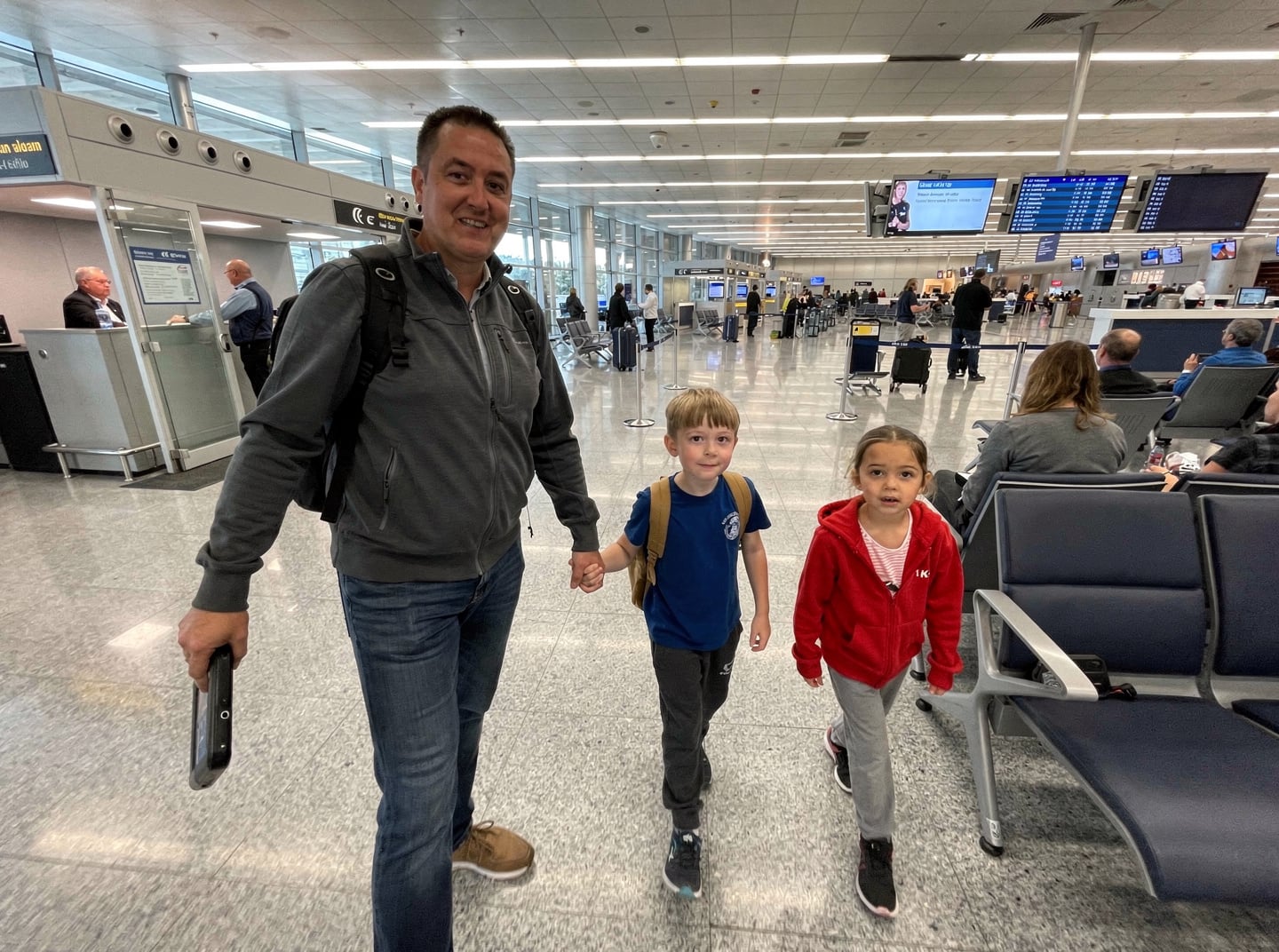
Five airlines — Alaska, American, Frontier, Hawaiian, and JetBlue — currently hold a green check on the U.S. Department of Transportation's family seating dashboard, meaning each has promised free adjacent seating for a child 13 or under and one accompanying adult. But the promise only holds if five conditions are all met: same reservation, adjacent seats open at booking, no aircraft swap, no manual reshuffling of seats afterward, and a cabin layout that can physically fit the family. It doesn't cover a second child, specific seat types, or airlines left off the list — and no federal law requires any of it yet.
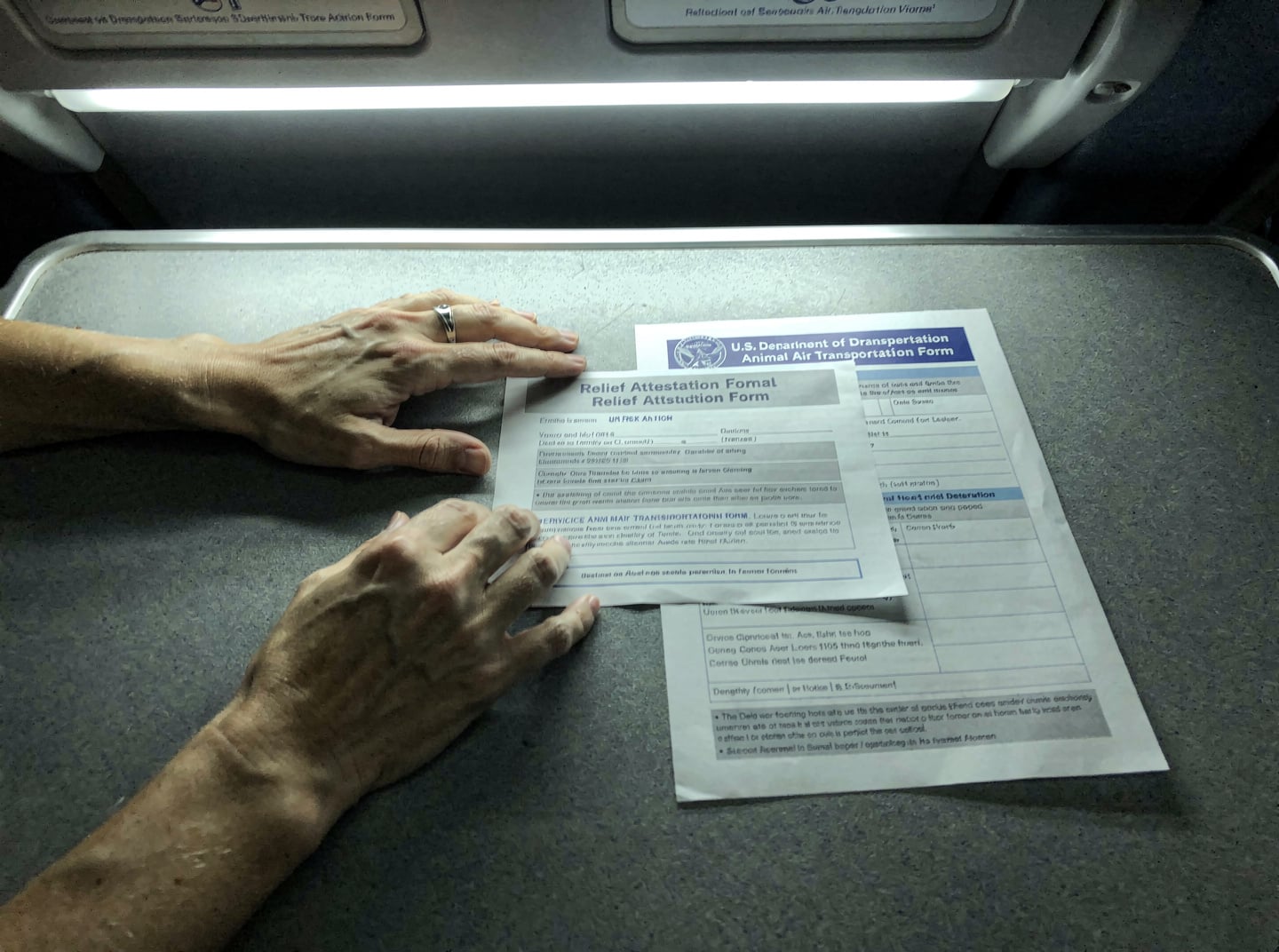
The Service Animal Air Transportation Form is a single federal document mandated by the U.S. Department of Transportation, but there is no shared online system for submitting it. Each airline runs its own process: American Airlines uses an upload tool at aa.com/svan, Delta Air Lines has a "Submit Completed Forms" button inside its Service Animal Request workflow, and Frontier Airlines and Allegiant Air each maintain separate portals with email or mail fallbacks. Submit at least 48 hours before departure whenever possible, and expect a second form — the relief attestation — on flights of eight hours or longer.
A delay is compensable under EU261 when it reaches three hours at the final destination and the airline cannot prove, with hard evidence, that an extraordinary circumstance beyond its control caused it. Compensation is fixed at €250, €400, or €600 depending on distance, and the burden of proof sits entirely with the carrier — not the passenger.
Vague phrases like "operational reasons" or "circumstances beyond our control" aren't legal defenses by themselves; courts have repeatedly forced airlines to pay despite them. Whether to claim directly or hire a no-win-no-fee firm depends on how thin the airline's excuse actually is.
Larger Boeing and Airbus jets almost never cancel outright because of heat. Their certified operating temperatures sit well above what regional jets can handle, so airlines usually have room to fix the problem another way — by trimming weight instead of grounding the flight.
When performance calculations show a jet is too heavy for the day's heat, elevation, and runway length, airlines work through a set order: cargo and checked bags come off first, fuel gets trimmed second (sometimes forcing an added refueling stop), and asking passengers to volunteer for a later flight comes last. The FAA sets no single maximum takeoff temperature — each airline works from its own aircraft performance charts.
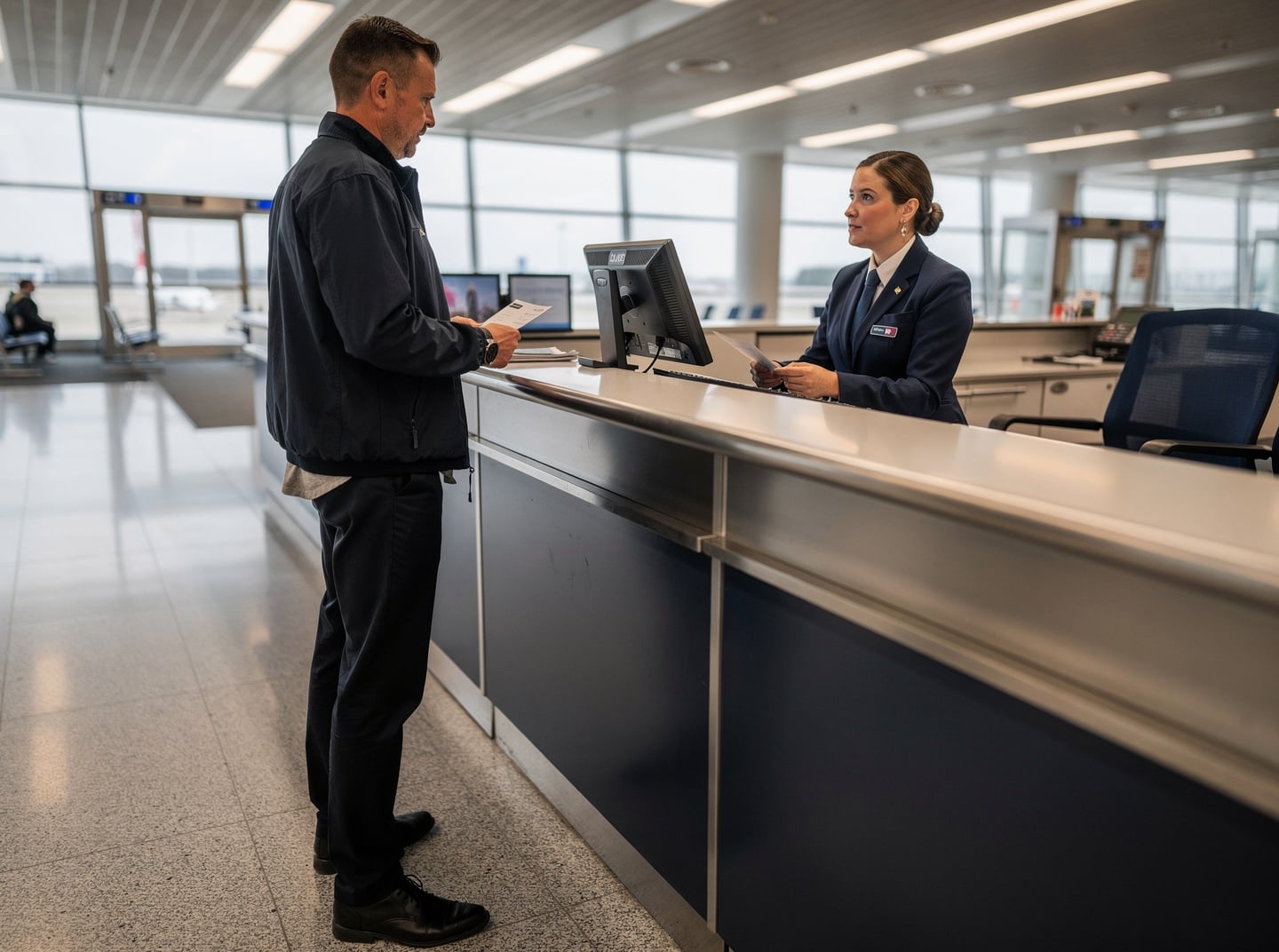
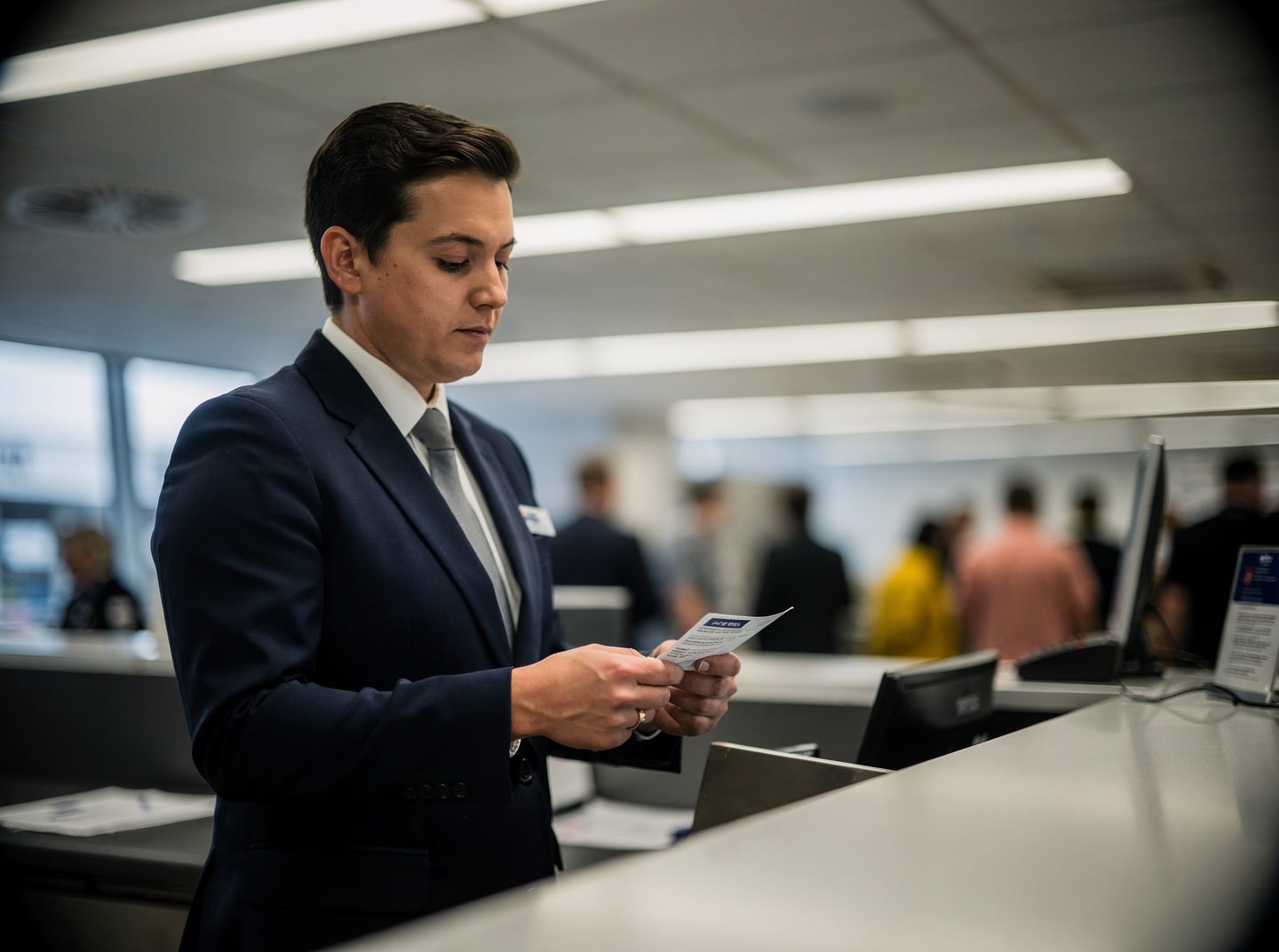
Airlines scrutinize passports, visas, and travel documents so thoroughly before boarding because immigration authorities fine the airline, not the passenger, when someone lands without proper paperwork. A carrier that transports an inadmissible passenger can face penalties ranging from roughly $1,000 to $10,000 per person, on top of covering that traveler's detention and the cost of flying them home. That direct financial exposure — not courtesy, not security theater — is why gate agents ask more questions than the paperwork technically requires. Airlines also try to claw those costs back from passengers through the fine print in their terms of carriage, though how often that actually works remains largely undocumented.
No — there is no single federal law requiring airlines to disinfect aircraft water tanks exactly four times a year; the Aircraft Drinking Water Rule instead requires each airline to follow an FAA-accepted operations and maintenance plan, which sets disinfection frequency using the aircraft manufacturer's recommendation first, or an EPA-approved fallback interval only when the manufacturer gives none.
One of those fallback options happens to be "at least 4 times per year," which is almost certainly where the widely repeated figure comes from. But most aircraft are governed by manufacturer guidance, not that fallback, so the real frequency varies by airline, airplane, and water system design.