Europe India 40–80% OFF
Cheap flights discovered by AI✨
Fly round-trip to Delhi for €250, while others pay €700+.
Our AI finds Superdeals to India from all major airports in Europe. You book directly with airlines for half the price—or less.


Why are flights to India so expensive in 2026?
A mix of war, politics, and airline problems has pushed fares on Europe-India routes up by around 70% compared to 2019.
A return flight from London to Delhi in November 2025 now costs roughly £900-£1,150. Just a few years ago, the same trip cost around £550-£650.
So what’s going on? First, the Russian airspace ban forces European airlines like British Airways and Virgin Atlantic to take longer routes. Their flights now take nearly 10 hours instead of 8. That means more fuel, more crew costs, and higher prices for you.
Meanwhile, Air India still flies over Russia. Their flights are shorter and cheaper to operate. But instead of offering bargain fares, they price tickets just below the competition. Why undercut when everyone’s paying more anyway?
Second, the Indian government has limited how many seats foreign airlines can sell. This protects Air India after its recent merger with Vistara. Fewer seats available means higher prices.
Third, engine problems have grounded dozens of planes across India. Airlines simply cannot fly as many routes as people want to book.
The outlook: Don’t expect major relief soon. The airspace ban shows no sign of ending, and India’s airline industry is still sorting itself out. Prices may ease slightly after wedding season, but the days of cheap India flights are on hold for now.
Meet Superdeals
Never overpay for flights again
You can save between 40% and 80% on your flights to India — and to other Asian countries — with Air Traveler Club Superdeals.
We monitor all major airports in Europe for cheap flights to Asia, including:
- London (LHR) — UK
- Paris (CDG) — France
- Amsterdam (AMS) — Netherlands
- Madrid (MAD) — Spain
- Frankfurt (FRA) — Germany
- Rome (FCO) — Italy
- Athens (ATH) — Greece
- Vienna (VIE) — Austria
- Zurich (ZRH) — Switzerland
- Warsaw (WAW) — Poland
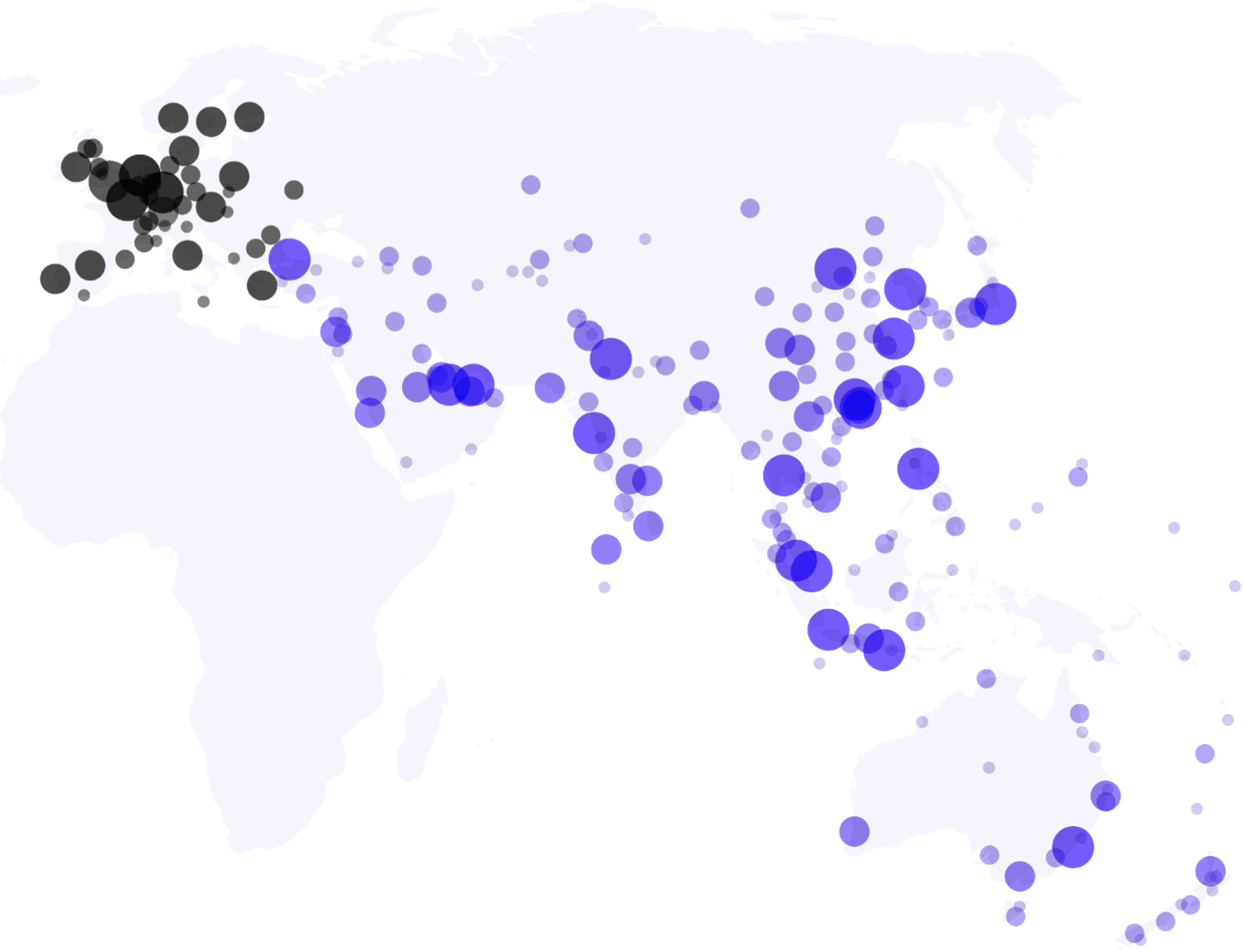
Departure airports in Europe and destinations in APAC covered by Superdeals.
Superdeals to India
Fly for half price (or less)
Airlines don't design their pricing systems to offer half-price tickets. However, when algorithms detect demand shortfalls for specific routes, automated systems apply steep discounts to fill planes. Airlines would rather accept losses than fly with empty seats.
ATC monitors thousands of routes from Europe 24/7, detecting Superdeals with 40–80% discounts. While a typical return flight from Europe to Delhi costs €700+, with Superdeals you can often grab it for around €250:
Which airlines have promotions to India right now?
We track and curate genuine offers from 150+ airlines, hand-picking only the most valuable for your wallet.
Which carriers have sales and special offers for flights in February, March, April and beyond? You can now browse the entire collection of active promotions:
Browse promos →Popular airlines with frequent offers from Europe:

Travel hacks and insights
for Europe — India flights
Verified strategies to save money and avoid friction on routes to India.
Air quality hits hazardous levels in December
Delhi’s Air Quality Index (AQI) frequently exceeds 400 (Hazardous) in December due to winter inversion and crop burning residue. This affects passengers immediately upon stepping out of the terminal.
Pack N95 masks in your carry-on. Asthmatic travelers should have inhalers accessible. The smog can also seep into aircraft cabins on the ground; keep air vents open during taxi to maximize HEPA filtration flow.
Central Asian routing saves €300-500 vs direct
Flying via Tashkent (Uzbekistan Airways) or Baku (Azerbaijan Airlines) to Delhi significantly undercuts direct European carriers like Lufthansa or Air France. While direct flights in December surge to €1,200+, these Central Asian connections often remain in the €600-800 range.
The trade-off is older aircraft and dry airlines (no alcohol on some carriers), but the connection times are surprisingly efficient. Tashkent serves as a geographic midpoint, adding only 2-3 hours to total travel time compared to backtracking through Dubai or Doha.
Oman Air connection undercuts major hubs by 25%
Connecting through Muscat (Oman Air) or Bahrain (Gulf Air) typically costs 20-30% less than the “ME3” giants (Emirates, Qatar, Etihad). December fares on these carriers often hover around €850 when major carriers hit €1,200.
Muscat’s new terminal offers a boutique, uncrowded transit experience compared to the chaos of Dubai. The connection geometry is excellent for India, requiring minimal detour compared to flying via Abu Dhabi or Doha.
IndiGo codeshares risk baggage confusion
Turkish Airlines and Qatar Airways place their codes on IndiGo flights for domestic India connections. While the international leg allows 30kg+, the domestic IndiGo leg technically has a 15kg limit unless the entire itinerary is on a single PNR.
Even on single tickets, ground staff at European airports sometimes misinterpret the rules. Carry a printout of your e-ticket showing the higher baggage allowance for the *entire* journey to prevent forced payments at the check-in counter.
Travel insurance must cover fog delays
Standard travel insurance often excludes weather delays unless the policy is purchased before the weather event is “foreseeable.” For Delhi travel in December/January, fog is considered a known event by some insurers.
Read the fine print. Look for “Common Carrier Delay” coverage that specifically includes weather. Policies with a short delay trigger (3-6 hours) are essential, as fog delays often last exactly this long, causing missed connections.
Prepaid taxi counters scam tourists frequently
A common scam at Delhi airport involves “official” prepaid taxi drivers claiming your hotel is closed, burned down, or the roads are blocked by protests. They will try to take you to a “government tourist office” to book a new hotel.
This is 100% a scam. Use Uber or Ola where the destination is locked in the app. If using a taxi, insist on going to your hotel regardless of what the driver says. Call the hotel on speakerphone if the driver persists.
What travelers ask most
Expert answers on routing, carriers, timing, and fees
Can European tourists use UPI payments in India now?
Yes, access to India’s Unified Payments Interface (UPI) has recently expanded for foreign visitors. As of mid-2025, you can download specific apps like Cheq or use prepaid wallet facilities at major airports (Delhi, Mumbai, Bengaluru) to link your international credit card or load cash digitally. This is a game-changer because many smaller vendors, tuk-tuks, and street food stalls do not accept physical credit cards but rely entirely on QR code scans.
While cash is still useful, activating UPI upon arrival saves you from dealing with small change and ATM fees. Look for the “UPI One World” or partner kiosks in the arrival hall before you exit the terminal to set this up immediately.
Are there new direct flights from Europe to South India?
Yes, airlines have expanded direct connectivity to Bengaluru (BLR) and Hyderabad (HYD) to bypass the congested Delhi/Mumbai hubs. Lufthansa and Air India have increased frequencies from Frankfurt and London directly to these tech hubs in 2025.
Flying direct to South India is often €50-100 more expensive than connecting via Delhi, but it eliminates the risk of missed connections due to fog or immigration delays in the north. If your destination is Kerala or Tamil Nadu, these new direct routes are significantly more efficient.
What is the baggage allowance difference for domestic India flights?
This is the most common trap for European travelers—domestic economy flights in India (Indigo, SpiceJet, Akasa) strictly limit checked bags to 15kg (33 lbs). Your international flight likely allows 23kg or 30kg (two bags), creating a costly problem if you connect on separate tickets.
If you book a single ticket (e.g., Frankfurt-Delhi-Varanasi on Air India), your international allowance applies to the whole journey. If you book separate domestic tickets, pre-purchase excess baggage online for about €5-10; paying at the airport counter will cost significantly more, often exceeding €10 per kg.
How much alcohol can I bring into India duty-free?
India allows a duty-free allowance of 2 liters of alcohol (liquor or wine) per adult passenger. Customs officials at major airports like Delhi and Mumbai often scan all incoming hand luggage specifically looking for bottles exceeding this limit.
Be extremely careful if your final destination is a “dry state” like Gujarat or Bihar, where possession of alcohol without a specific permit is a criminal offense. In these states, your duty-free purchase may be confiscated, or you could face legal trouble upon exiting the airport.
How do I get a SIM card as a tourist?
Buying a SIM at the airport (Airtel or Jio kiosks in the arrival hall) is the easiest method because street vendors often require local ID (Aadhaar card) which tourists don’t have. You will need your passport, a passport-sized photo (usually taken digitally at the kiosk), and a copy of your visa.
The process takes 10-15 minutes, but activation can take up to 4 hours. A 28-day plan with 1.5GB of daily data typically costs less than €5. Do not leave the airport without verifying the SIM is registered, as troubleshooting later without a local address is difficult.
Is tap water safe to drink in India?
No, never drink tap water in India, not even in luxury hotels, as the bacterial content is different from what European stomachs are used to. Stick strictly to sealed bottled water (check the cap seal is intact) or water from RO (Reverse Osmosis) filtration stations found in good hotels.
Use bottled water for brushing your teeth as well to avoid “Delhi Belly.” When ordering drinks, ask for “no ice” unless you are in a 5-star establishment where they filter their ice water. This single precaution prevents the majority of traveler sicknesses.
How do I avoid taxi scams at Delhi Airport?
Ignore anyone approaching you in the arrival hall offering a “cheap taxi” or claiming your hotel is “closed” or “burned down”—this is a classic scam to divert you to a commission-paying hotel. Only use the official “Meru Cabs” or “Mega Cabs” counters inside the terminal, or the dedicated Uber pickup zone.
If you prepaid for a hotel transfer, look for your name on a placard. If you must use a prepaid taxi, pay at the police-managed booth just outside the exit gates and give the receipt to the driver only when you reach your destination.
Should I exchange cash or use ATMs?
ATMs offer the best exchange rates, but they often have a withdrawal limit of ₹10,000 (approx €110) per transaction. Airport exchange bureaus offer terrible rates with high markups; exchange only a small amount (€20-50) for immediate taxi fare if needed.
Carry a “no foreign transaction fee” card (like Revolut or Wise) and decline the ATM’s offer to convert currency (always choose “debit in INR”). Keep a stack of ₹100 and ₹500 notes, as small vendors and tuk-tuk drivers rarely have change for ₹500 notes, let alone larger denominations.
Is Premium Economy worth it for flights to India?
For the 8-10 hour flight from Europe, Premium Economy is often a sweet spot, costing €300-500 more than Economy but significantly less than Business. Airlines like Lufthansa, Virgin Atlantic, and Vistara (now Air India) offer wider seats and priority boarding that make a real difference on these medium-long haul routes.
The extra legroom is crucial if you plan to hit the ground running, as immigration queues in India can take 60-90 minutes. Arriving fresher helps you navigate the chaotic airport exit with more patience. Check the price gap; if it’s under €350, the value is excellent.
Nonstop (direct) vs 1-stop
How much do flights from Europe to India cost?
Nonstop Europe-India flights take 8-10 hours and cost 20-40% more than connecting alternatives. Major hubs in United Kingdom, Germany, and France—including London, Frankfurt, and Paris—offer the most frequent service, primarily to Delhi (DEL) and Mumbai (BOM).
Direct service justifies its premium for business travelers, families, or when price differences stay below €150-200—otherwise, strategic one-stop routing typically delivers better value.
| Route | Airline | Aircraft | Avg Price | Avg ATC Price |
|---|---|---|---|---|
| London (LHR) → Delhi (DEL) | British Airways | 777-200ER, 787-9 | €850 | €215 (75% off) |
| London (LHR) → Mumbai (BOM) | Virgin Atlantic | 787-9 | €880 | €220 (75% off) |
| Frankfurt (FRA) → Delhi (DEL) | Lufthansa | 747-8, 787-9 | €820 | €210 (74% off) |
| Frankfurt (FRA) → Mumbai (BOM) | Lufthansa | 747-8, A350-900 | €830 | €210 (75% off) |
| Paris (CDG) → Delhi (DEL) | Air France | 787-9, 777-300ER | €840 | €215 (74% off) |
| Amsterdam (AMS) → Delhi (DEL) | KLM | 787-9 | €820 | €205 (75% off) |
| Amsterdam (AMS) → Mumbai (BOM) | KLM | 787-10 | €830 | €210 (75% off) |
| Munich (MUC) → Bangalore (BLR) | Lufthansa | A350-900 | €860 | €220 (74% off) |
*Avg ATC Price: Superdeal fare published on our platform (40-80% savings compared to standard market rates). Learn more.
How the 5th-freedom loophole can cut your flight costs by thousands
Welcome to the overlooked world of fifth-freedom flights. These legal, rare, and often underpriced routes create some of the cheapest fares—yet most travelers have never heard of them…
Best stopovers
for Europe to India flights
Not all connections are created equal. When flying from the Europe to India, routing through major airport hubs can deliver lower total fares, better-equipped aircraft, and access to airline stopover programs.
Istanbul IST
with Turkish Airlines
- Average savings: 25-35% vs non-stop flights
- Flight segments: ~3.5h Western Europe-Istanbul + ~6.5h Istanbul-India
- Typical connection: 2-4 hours (minimum 60 minutes)
- Stopover perks: Complimentary hotel and tours
- Visa requirements: Most Europe passports enter Türkiye visa-free or e-visa
- Airport rating: 4-Star airport with modern long-haul facilities
- Best for: London, Paris, Frankfurt travelers seeking award-winning business class value
Doha DOH
with Qatar Airways
- Average savings: 20-30% vs non-stop flights
- Flight segments: Europe-Doha (~6h), then Doha-India (~3.5h)
- Typical connection: 2-3 hours (minimum 50 minutes)
- Stopover perks: Hotels from $14/night
- Visa requirements: Many Europe passports enjoy visa-free Qatar entry
- Airport rating: Consistently ranked 5-Star by Skytrax
- Best for: Madrid, Rome, Zurich travelers seeking minimal connection times
Dubai DXB
with Emirates
- Average savings: 20-30% vs non-stop flights
- Flight segments: Split into ~6.5h Europe-Dubai and ~3h Dubai-India legs
- Typical connection: 2-4 hours (minimum 75 minutes)
- Stopover perks: Free hotel with meals and transfers
- Visa requirements: Many Europe passports get visa-free or visa-on-arrival
- Airport rating: 4-Star hub with extensive shopping and dining
- Best for: Amsterdam, Munich, Vienna travelers seeking A380 cabins with lie-flat seats
Abu Dhabi AUH
with Etihad Airways
- Average savings: 18-28% vs non-stop flights
- Flight segments: Two-leg journey: ~6h Europe-Abu Dhabi, ~3.5h Abu Dhabi-India
- Typical connection: 2-3 hours (minimum 60 minutes)
- Stopover perks: Complimentary 4-5 star accommodation
- Visa requirements: Many Europe passports receive visa-free short stays
- Airport rating: Modern 4-Star facilities with new Midfield Terminal
- Best for: Barcelona, Brussels, Milan travelers seeking cultural exploration during transit
Get real-time deal alerts
Activate real-time alerts and get notified the instant a new Superdeal to India has been discovered.
Book these incredible price drops before they’re gone.
Set alerts →
Best airlines and aircraft
for long-haul flights to India
Most travelers book Europe–India flights by price and schedule—but aircraft choice determines whether you arrive refreshed or wrecked. Cabin pressurization, humidity, seat configuration, and service standards vary dramatically on this route.
Below are carriers we recommend—with superior configurations on flights from the US and Canada to India.
Lufthansa
Boeing 747-400 (excluded), thus uses Airbus A350 on select routes
Five-time Skytrax winner Lufthansa deploys the Airbus A350 on Europe-India routes, enhancing passenger comfort with improved cabin pressure and quieter engines over new-generation widebodies.
- Route: Direct Frankfurt (FRA) → Delhi (DEL) (approx. 7.5 hrs)
- Economy: 31″ pitch, 18″ width, 3-3-3 configuration, adjustable headrests and personal IFE touchscreen
- Business: 1-2-1 reverse herringbone, fully lie-flat seats (approx. 76″ pitch), direct aisle access
- Standouts: 16″ HD IFE screens, high-speed Wi-Fi (charged), premium meals with regional Indian options, amenity kits on business
- Typical Pricing: Economy €550-850; Business €2,700-4,200;
Turkish Airlines
Airbus A350-900
Award-winning Turkish Airlines flies Airbus A350-900 from Europe to India, delivering enhanced fuel efficiency and passenger comfort via its modern widebody fleet.
- Route: One-stop Istanbul (IST) → Delhi (DEL) (approx. 8-9 hrs total)
- Economy: 32″ pitch, 18″ width, 3-3-3 configuration, personal screens with USB charging
- Business: 1-2-1 layout, fully lie-flat seats (78″ pitch), aisle access from every seat
- Standouts: 16″ IFE with extensive content, Wi-Fi available, multi-course meals blending Turkish and Indian cuisine, lounge access
- Typical Pricing: Economy €480-750; Business €2,200-3,800;
Air France
Airbus A350-900
Air France, a Skytrax 4-star airline, operates the Airbus A350 on Europe-India routes offering lower cabin altitude and excellent air quality for long-haul comfort.
- Route: Direct Paris Charles de Gaulle (CDG) → Mumbai (BOM) (approx. 8.5 hrs)
- Economy: 31″ pitch, 18″ width, 3-3-3 configuration, touchscreens with HDMI compatibility
- Business: 1-2-1 reverse herringbone, fully lie-flat seats (up to 78″ pitch), direct aisle access
- Standouts: Advanced noise-cancelling headsets, high-speed Wi-Fi (fee applies), French and Indian gourmet meals, personal mood lighting
- Typical Pricing: Economy €600-900; Business €3,000-4,500;
British Airways
Boeing 777-300ER (excluded), uses Airbus A350-1000 on select routes
British Airways flies Airbus A350-1000 on Europe-India routes, featuring spacious cabins and improved fuel efficiency, enhancing passenger experience on long-duration flights.
- Route: Direct London Heathrow (LHR) → Delhi (DEL) (approx. 8 hrs)
- Economy: 31″ pitch, 17.5″ width, 3-3-3 configuration, personal seat-back screens
- Business: Club World 1-2-1 configuration, fully flat beds (72″ pitch), aisle access for all seats
- Standouts: 15.4″ HD IFE screens, onboard Wi-Fi (paid), British and Indian inspired meals, amenity kits, noise-cancelling headphones
- Typical Pricing: Economy €580-850; Business €2,800-4,500;
Fly better for less
Travel insights, proven strategies, and insider tips.

Are EU-banned airlines unsafe? Why travel advisories don’t tell you everything.

Airline flash sales: how “$0 fares” work — and how to get them before they’re gone

The Continental Hop Trick — European edition