Quick summary
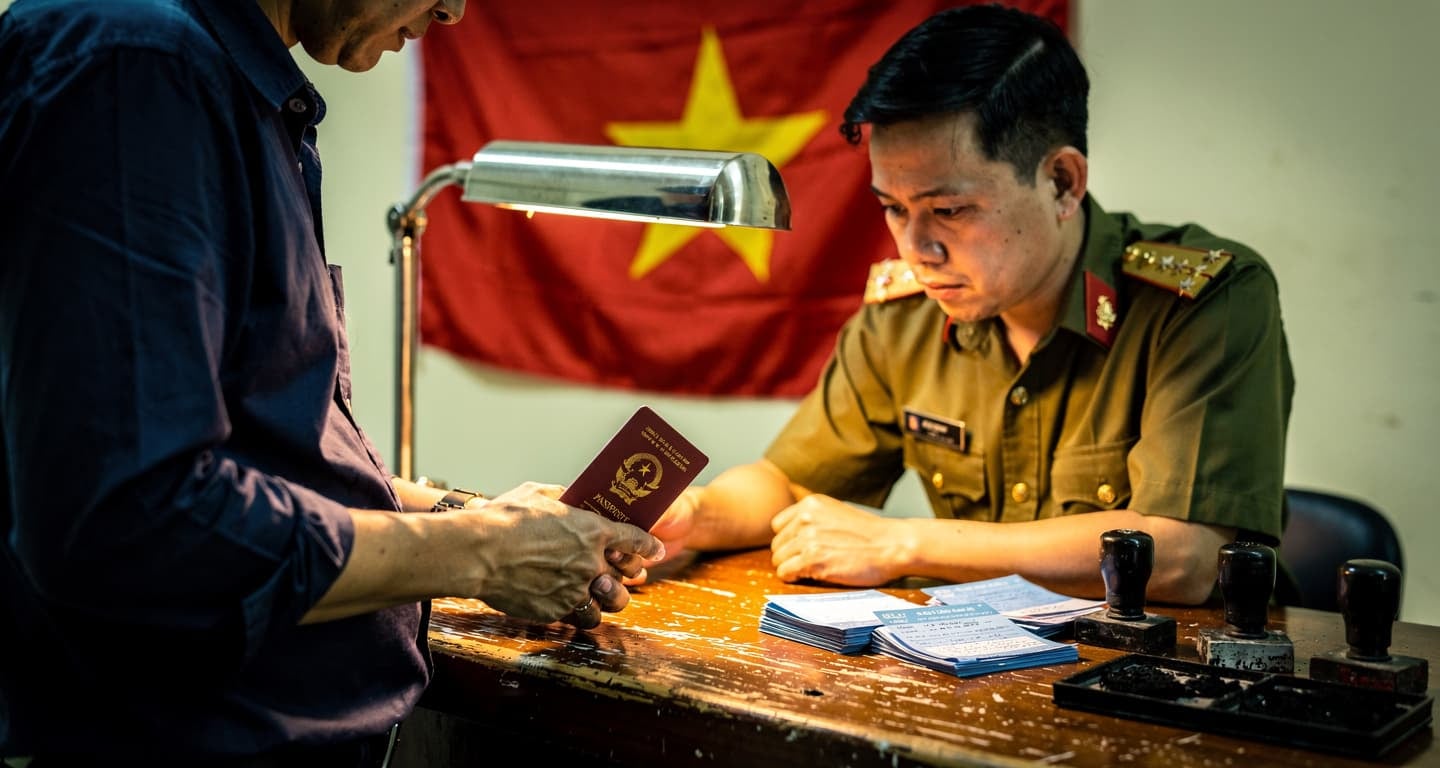
Vietnam’s e-Visa validity extends from 30 days to 90 days for all 80+ eligible nationalities starting March 15, 2026. The $50 multiple-entry option eliminates visa runs to Cambodia or Laos that previously cost $100–$200 per reset, making Vietnam competitive with Thailand’s 60-day tourist visa for extended stays and digital nomad planning.
E-visas remain non-extendable and require exit for renewal. Applications take 3–5 working days through the official portal, with passport validity of six months and two blank pages mandatory.
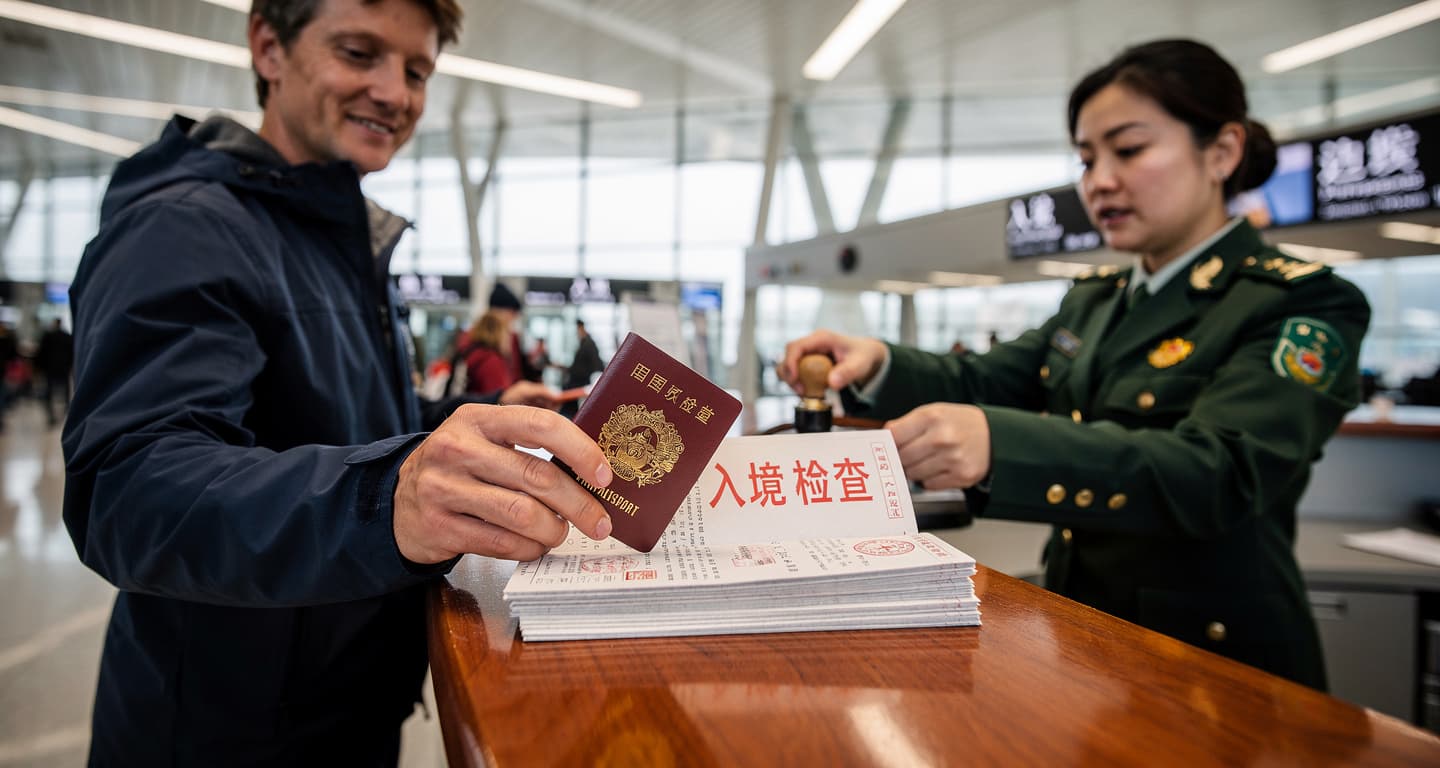
Vietnam announced on March 1, 2026 that e-Visa validity will triple from 30 days to 90 days for travelers from the United States, Canada, Australia, the European Union, and 76 other eligible countries. The change takes effect March 15, 2026.
Travelers planning stays between 30 and 90 days should apply immediately through evisa.gov.vn to lock in the $50 USD multiple-entry rate before the effective date. Processing takes 3–5 working days.
The extension positions Vietnam as a stronger alternative to Thailand for long-term leisure travel and remote work. Previously, stays beyond 30 days required costly border runs to neighboring countries or embassy visa appointments costing $100–$200.
How the new e-Visa works
The 90-day e-Visa allows multiple entries during its validity period. Travelers can exit to Cambodia, Laos, or Thailand and re-enter Vietnam without applying for a new visa, provided the 90-day window hasn’t expired.
Two pricing tiers exist: $25 USD for a 30-day single-entry visa, and $50 USD for the 90-day multiple-entry option. Both require passports valid for at least six months with two blank pages.
Applications must declare one of 13 airports (including Noi Bai in Hanoi and Tan Son Nhat in Ho Chi Minh City), 16 land borders (such as Moc Bai and Lao Cai), or 13 seaports as the entry point. This selection cannot be changed after approval, according to the US State Department.
Expedited processing options reduce wait times to 2 hours or 4 working days at higher fees. Standard applications approved within 3–5 working days cost $50 for the 90-day tier.
Travelers seeking flight options to Vietnam from North America can now plan itineraries around the extended validity without factoring visa run costs into budgets.
Flight deals
most people never see
Our AI monitors 150+ airlines for pricing anomalies that traditional search engines miss. Air Traveler Club members save $650 per trip per person on average: see how it works.
Each deal saves 40–80% vs. regular fares:

What changed for digital nomads and long-term visitors
Before August 2023, Vietnam capped e-Visas at 30 days and offered only 15 days visa-free for select nationalities. The current policy extends visa-free stays to 45 days and introduces the 90-day e-Visa tier.
This eliminates the “visa run” workaround. Previously, travelers staying 60–90 days crossed into Cambodia or Laos every 30 days to reset their tourist visa—a process costing $100–$200 per trip in transport, accommodation, and new visa fees.
The multiple-entry feature also benefits travelers combining Vietnam with regional destinations. A 90-day e-Visa holder can spend three weeks in Vietnam, fly to Bangkok for a week, and return to Vietnam without reapplying—provided the 90-day validity hasn’t expired.
Vietnam now matches Thailand’s extended-stay appeal
Thailand offers a 60-day tourist visa on arrival for many nationalities, extendable to 90 days at immigration offices. Vietnam’s 90-day e-Visa closes that gap without requiring in-country extensions, though it remains non-extendable and requires exit for renewal.
For budget-conscious travelers, Air Traveler Club’s fare tracking occasionally flags VietJet routing via Ho Chi Minh City that saves A$400–600 on India flights from Australia—useful for those planning multi-country itineraries within the 90-day window.
What to do before March 15
Apply now through evisa.gov.vn to secure the $50 rate and avoid processing delays. Submit applications at least one week before your departure date to account for the 3–5 working day approval window.
Verify your entry port matches your flight during application. Selecting Noi Bai Airport but landing at Da Nang will result in entry denial. Cross-check your airline booking before submitting.
Print your approved e-Visa and carry it with your passport. Digital copies on phones are not accepted at immigration. Hotels typically handle temporary residence registration within 24 hours of arrival, but confirm this during check-in.
Plan exit strategies if staying beyond 90 days. E-visas cannot be extended. Budget for a visa run to Cambodia (Phnom Penh is three hours from Ho Chi Minh City by bus) or contact an in-country immigration agent for alternative visa types before your 90-day window expires.
Questions? Answers.
Can I extend my 90-day e-Visa while in Vietnam?
No. E-visas are non-extendable under current policy. To stay longer than 90 days, you must exit Vietnam and apply for a new e-Visa online, or contact an in-country immigration agent for alternative visa types such as business visas.
What happens if I overstay my 90-day e-Visa?
Fines start at 500,000 VND (approximately $20 USD) per day of overstay. Repeated violations can result in entry bans ranging from one to five years, or deportation with associated costs exceeding $1,000 USD.
Is the 90-day e-Visa cheaper than a traditional embassy visa?
Yes. The 90-day multiple-entry e-Visa costs $50 USD with no in-person appointment required. Traditional embassy visas typically cost $100–$200 and require consulate visits, making the e-Visa the fastest and most affordable option for eligible travelers.
Can I enter Vietnam at a different airport than I declared on my e-Visa application?
No. Your approved e-Visa specifies one entry port (airport, land border, or seaport). Arriving at a different location will result in entry denial. You cannot change the entry port after approval—only by applying for a new e-Visa.
Do I need to register my address within 24 hours of arrival?
Yes. Vietnam requires temporary residence registration within 24 hours. Hotels and guesthouses typically handle this automatically during check-in. If staying with friends or in private accommodation, you must register at the local police station with your passport and e-Visa.