Quick summary
The U.S. State Department ordered non-emergency government employees and their families to leave Oman on March 13, 2026, citing ongoing threats of drone and missile attacks from Iran and significant disruptions to commercial flights. The ordered departure remains in effect as of May 4, 2026, with Oman holding a Level 3: Reconsider Travel advisory and border areas near Yemen classified as Level 4: Do Not Travel.
Commercial flights are still operating from Muscat and Salalah, but the embassy warns availability can shift without notice. This article covers who is affected, what the ordered departure means for private travelers, and the steps U.S. citizens should take if they are in Oman or have upcoming itineraries touching the Gulf region.
The U.S. State Department issued an ordered departure for non-emergency government staff and family members in Oman on March 13, 2026, following escalating regional hostilities that began on February 28, 2026. The directive cites drone and missile threats from Iran and widespread flight disruptions across the Gulf.
The order applies to U.S. government personnel, not private citizens, but the advisory’s language signals heightened risk for all travelers. Oman remains at Level 3: Reconsider Travel, with border zones near Yemen elevated to Level 4: Do Not Travel.
Commercial flights from Muscat International Airport and Salalah Airport continue to operate, but the State Department warns that schedules are subject to sudden cancellation. U.S. citizens in Oman are advised to monitor airline status directly and complete the U.S. travel advisory for Oman crisis intake form if they require assistance.
The advisory affects travelers with itineraries touching Muscat, Salalah, or Gulf hub connections. Flight options to Oman from Europe remain available, but rebooking flexibility is critical as airspace restrictions and carrier decisions shift rapidly.
What the ordered departure means
An ordered departure is a staffing and security measure, not a blanket evacuation. The State Department reduces embassy personnel when it assesses that the security environment no longer justifies full staffing levels. Private U.S. citizens are not compelled to leave, but the action signals that consular services may become limited and that the U.S. government’s ability to assist in an emergency is reduced.
The ordered departure notice confirms that commercial flights were operating as of the advisory date, and the embassy may provide transport to U.S. citizens who have completed the crisis intake form — but only as space is available. That caveat is significant: embassy-arranged transport is not guaranteed, and relying on it as a primary exit plan is risky.
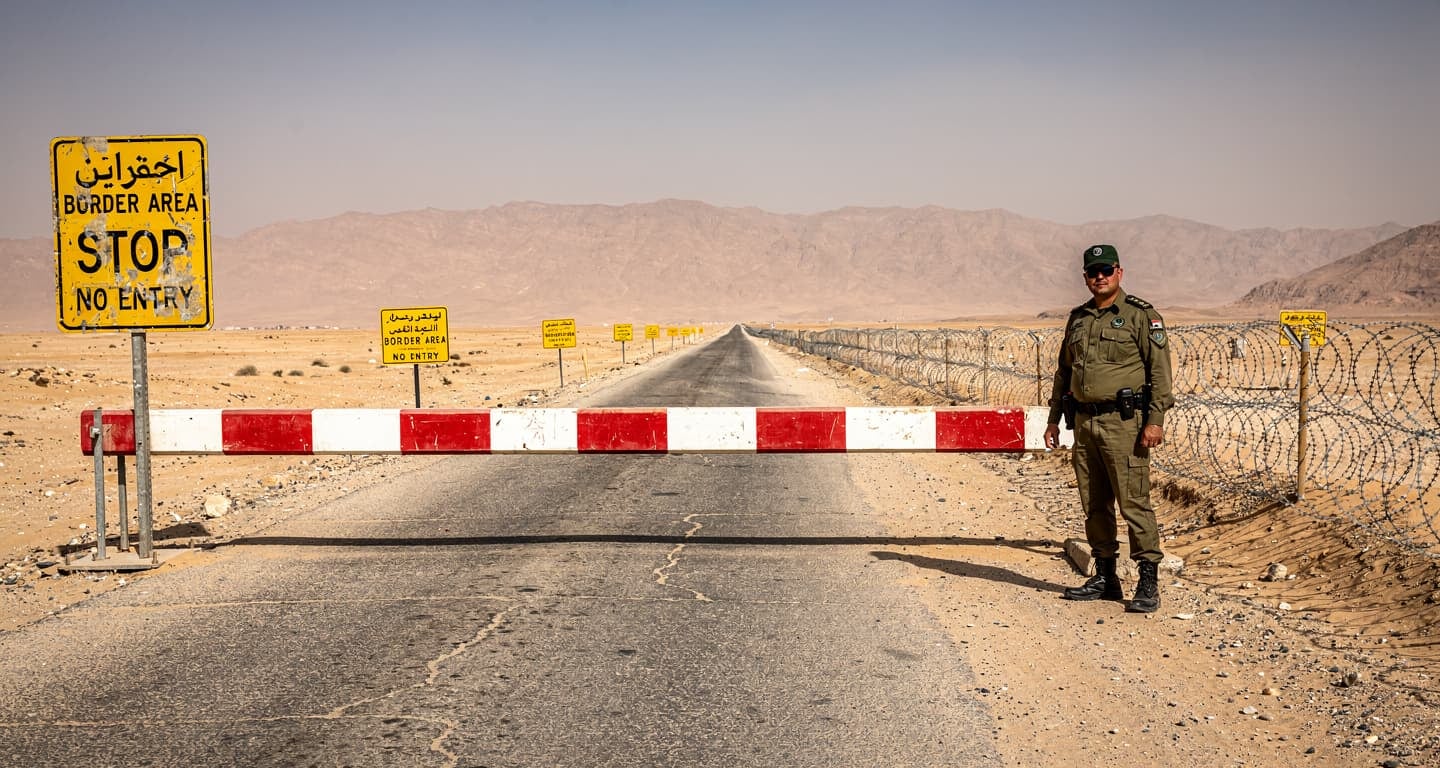
The advisory distinguishes between Muscat, where shelter-in-place guidance was lifted, and the rest of Oman, where it remains in effect. Border areas near Yemen are classified separately as Level 4, meaning the U.S. government advises against all travel to those zones.
| Region | Advisory level | Key restriction | Shelter-in-place status |
|---|---|---|---|
| Muscat | Level 3 | Reconsider travel | Lifted |
| Rest of Oman | Level 3 | Reconsider travel | Active |
| Border areas near Yemen | Level 4 | Do not travel | Active |
The threat environment is driven by regional escalation, including U.S. and Israeli airstrikes on Iran and retaliatory actions. Airspace closures and flight suspensions have already impacted the wider Gulf, and Oman sits within the operational radius of Iranian drone and missile systems.
Flight deals
most people never see
Our AI monitors 150+ airlines for pricing anomalies that traditional search engines miss. Air Traveler Club members save $650 per trip per person on average: see how it works.
Each deal saves 40–80% vs. regular fares:

Why flight availability is the real risk
The State Department’s warning about commercial flight disruptions is not hypothetical. Carriers operating in the Gulf have already suspended or rerouted services multiple times since hostilities began on February 28, 2026. The pattern is consistent: airlines wait for official airspace closures or government directives before canceling flights, which means travelers often learn of disruptions only hours before departure.
The embassy’s acknowledgment that it may provide transport underscores the uncertainty. Space-available assistance is not a backup plan — it is a last resort that depends on factors outside a traveler’s control, including the number of U.S. citizens seeking help, the availability of military or chartered aircraft, and the security situation at departure points.
For travelers outside Muscat, the risk compounds. Overland movement to the capital or to UAE border crossings may be necessary if local airports suspend operations, and road travel in a Level 3 advisory zone carries its own exposure to checkpoints, closures, and unpredictable security conditions.
Steps for U.S. citizens in Oman
The ordered departure is active, and the State Department has not indicated when it will be lifted. U.S. citizens in Oman should assume the situation will not improve in the near term.
- Reconfirm flight status directly with your carrier — Oman Air, Emirates, Qatar Airways, and Gulf Air are the primary operators. Do not rely on booking platforms or third-party alerts. Call the airline or check the official app before leaving for the airport.
- Complete the crisis intake form at https://mytravel.state.gov/s/crisis-intake — The embassy says transport assistance is contingent on having this form on file. Even if you do not plan to request help, completing it ensures you are in the system if the situation deteriorates.
- Avoid overland travel near the Yemen border — The Level 4 designation for border areas is unambiguous. If your itinerary includes Salalah or southern Oman, prioritize air departure over road movement.
- If you are outside Muscat, shelter in place unless you have confirmed transport — The embassy’s guidance for the rest of Oman remains active. Do not attempt to reach the capital or an airport without a verified seat on a departing flight.
- Monitor the State Department’s travel advisory page daily — Updates may include changes to shelter-in-place guidance, airspace status, or embassy operating hours. The advisory is the authoritative source, not news reports or social media.
Watch: The State Department’s next advisory update will clarify whether the ordered departure remains in effect or if staffing levels are being restored. That signal will indicate whether the threat environment is stabilizing or escalating further.

Questions? Answers.
Can private U.S. tourists leave Oman on embassy flights?
Not guaranteed. The embassy says it may be able to provide transport to Americans who completed the crisis intake form, but only if space is available. Commercial flights remain the primary exit path, and travelers should not assume embassy assistance will be available when needed.
Does the Oman advisory mean all of the country is unsafe?
No. The U.S. government distinguishes between the national Level 3 advisory and Level 4 areas near the Yemen border. Muscat’s shelter-in-place guidance was lifted, meaning movement within the capital is less restricted than in other parts of the country. The advisory reflects regional threat exposure, not uniform risk across all of Oman.
What is the biggest practical risk for travelers right now?
Flight availability can change faster than official advisories. The embassy explicitly warns of commercial flight disruption, so itinerary timing and rebooking flexibility matter more than the advisory level alone. A confirmed seat today does not guarantee the flight will operate tomorrow, and alternative routing through Gulf hubs may face the same exposure.
If I am not a U.S. citizen, does this advisory apply to me?
The ordered departure applies only to U.S. government employees and their families, but the underlying threat assessment is relevant to all travelers. Other governments have issued similar warnings, and commercial flight disruptions affect passengers regardless of nationality. Check your own government’s travel advisory for Oman and follow the same precautions regarding flight reconfirmation and exit planning.
What happens if I ignore the advisory and travel to Oman anyway?
The U.S. government will not prevent you from traveling, but consular services will be limited. The embassy operates with reduced staff, and the State Department’s ability to assist in an emergency — medical evacuation, legal issues, or security incidents — is constrained. Travel insurance may also exclude coverage for trips to Level 3 or Level 4 advisory zones, leaving you financially exposed if something goes wrong.