Quick summary
Turkmenistan’s parliament enacted amendments to its Migration Law on April 14, 2025, legally eliminating the Letter of Invitation requirement for a new electronic visa system managed by the State Migration Service. The reform removes $150–300 in agency fees and 2–6 weeks of processing time that previously made independent travel to Ashgabat, the Darvaza Gas Crater, and ancient Silk Road sites nearly impossible without a tour operator.
The e-visa platform has no confirmed launch date as of February 2026, and Presidential decrees defining visa categories, fees, and duration remain pending. Three edge cases—transit-only travel, business purposes, and prior denial history—could complicate early applications.
Turkmenistan just passed a law that eliminates the single biggest barrier to visiting one of the world’s most restricted countries. The April 14, 2025 amendments to the Migration Law remove the mandatory Letter of Invitation (LOI) for a new e-visa system, cutting $150–300 in fees and 2–6 weeks of processing from what was historically the most bureaucratic visa process in Central Asia.
For travelers from the US, EU, and Australia planning trips in 2026 or 2027, this means independent itineraries to Ashgabat, the Darvaza Gas Crater, and the ancient ruins of Merv become feasible without hiring a state-approved tour agency. Air Traveler Club’s visa and entry requirement tracker monitors Central Asian policy changes weekly, and this reform represents the most significant access shift Turkmenistan has made since independence in 1991.
What the law actually changes
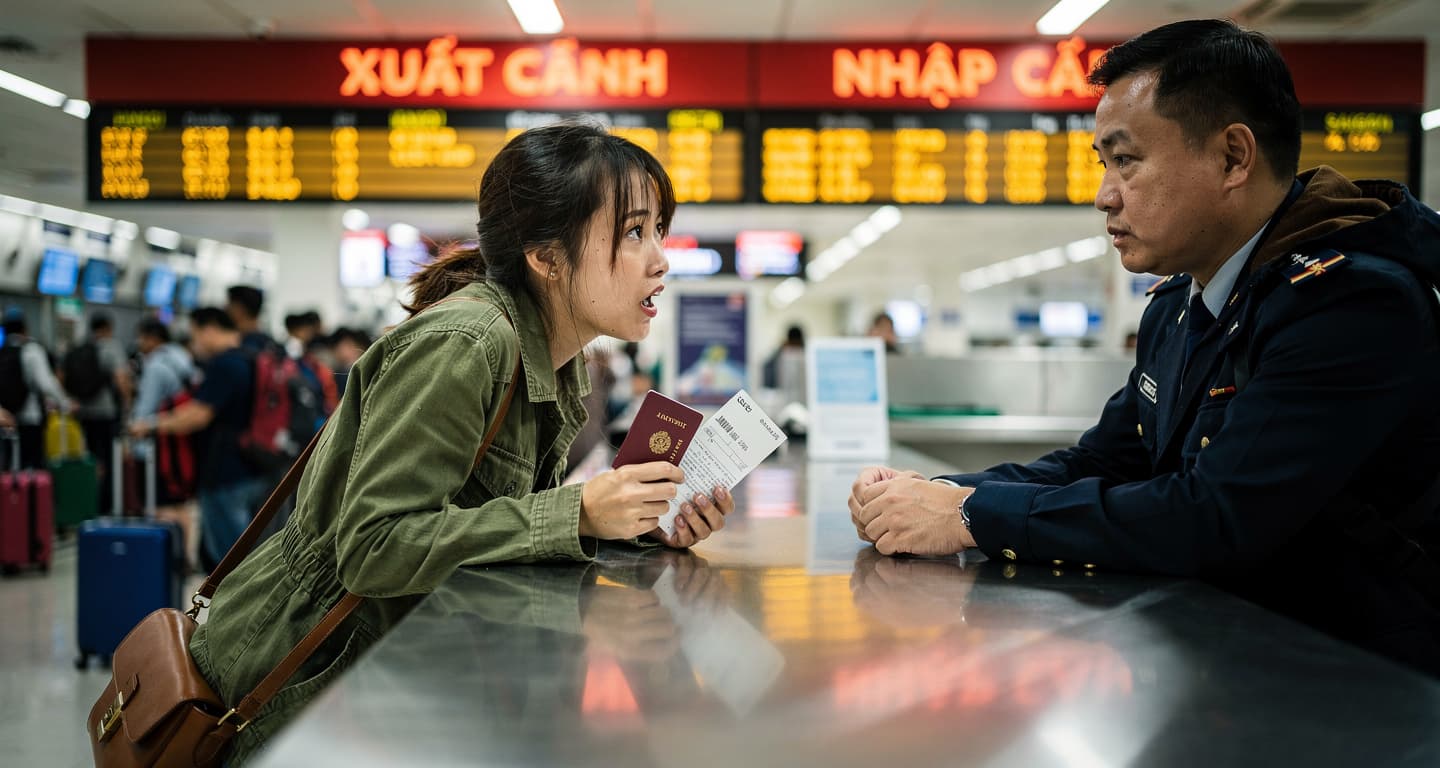
The old system required every foreign visitor to obtain a Letter of Invitation through a licensed Turkmen tour operator. This wasn’t a formality—it was a gatekeeping mechanism. Operators charged $100–300 for the LOI alone, on top of mandatory guided tour packages that dictated your itinerary, accommodation, and daily schedule. Processing took 2–6 weeks, with arbitrary denials common and no appeal process.
The new law authorizes the State Migration Service to issue e-visas digitally based on travel purpose—tourism, business, or transit—without any invitation requirement. Applications will be submitted online, reviewed electronically, and approved without intermediary agencies. The April 2025 Migration Law amendments passed by the Mejlis explicitly state that e-visas are issued without requiring an invitation, making this a structural legal change rather than a procedural tweak.
| Factor | Old LOI System | New E-Visa System | Impact |
|---|---|---|---|
| Application method | Agency LOI + embassy submission | Online via State Migration Service | 4 weeks average saved |
| Cost | $100–300 LOI fee + guided tour | Digital fee (TBD, no LOI) | $150–300 saved |
| Independence | Fixed itinerary, mandatory guide | Purpose-based, no invite needed | Full independent travel |
| Approval reliability | Arbitrary denials, no appeal | Digital process, standardized | Reduced rejection risk |
| Validity | 10–20 days, extendable | TBD by Presidential decree | Expected 7–30 day range |
Why Turkmenistan is opening now
This isn’t altruism—it’s economics. Turkmenistan holds the world’s fourth-largest natural gas reserves, and the government is actively pursuing the Middle Corridor trade route connecting China to Europe via Central Asia, bypassing Russia. Simplified visa access supports trade delegations, infrastructure investment, and the tourism revenue that neighboring Uzbekistan has already captured.
Uzbekistan’s e-visa success story
When Uzbekistan launched its e-visa in 2018, tourist arrivals tripled within three years from 2.0 million to 6.7 million. Tajikistan followed with a similar system offering 45-day stays. Turkmenistan’s reform closes the last major access gap on the Central Asian Silk Road circuit.
For travelers building multi-country Central Asian itineraries, this reform makes Turkmenistan a realistic addition rather than a logistical nightmare. Overland crossings from Uzbekistan’s Bukhara to Turkmenistan’s Konye-Urgench—a UNESCO site—become viable without weeks of advance agency coordination. Our analysis of Russian airspace closures and alternative routing shows that Turkish Airlines via Istanbul and flydubai via Dubai already serve Ashgabat with competitive fares, positioning Turkmenistan within reach of European and North American travelers.
How to cut fares to Asia by 40–80%
Our custom AI ✨ tracks pricing anomalies that traditional search engines miss.
Get the these deals in your inbox, for free:

The critical gap: no launch date yet
Here’s the catch. The law is enacted, but the e-visa platform is not operational as of February 2026. The April 2025 legislation delegates visa categories, fees, processing timelines, and extension rules to a separate Presidential decree that has not been published. Initial projections suggested a 2025 launch, which has clearly slipped.
Until the platform goes live, the old system remains in effect. Travelers still need an LOI from a licensed agency, and visa-on-arrival at Ashgabat International Airport still requires pre-approval. Do not book flights expecting e-visa access until the State Migration Service confirms operational status.
Monitor these channels quarterly: Turkmenistan’s State Migration Service website (migration.gov.tm), the Turkmen state media portal business.com.tm, and your country’s embassy in Ashgabat. When the platform launches, early applicants will likely face processing delays and limited documentation—budget extra lead time for the first 6–12 months.
Three scenarios that complicate the picture
The law covers all foreigners and stateless persons, but three edge cases deserve attention before you start planning:
- Transit-only travel through land borders. The e-visa explicitly covers transit, but Turkmenistan’s land crossings at Farap (Uzbekistan border) and Sarahs (Iran border) have historically operated under separate protocols. Airport transit via Ashgabat will likely work first; overland crossings may lag behind in implementation.
- Business travelers and group tours. The Presidential decree will define which purpose categories qualify for LOI-free e-visas. Business visits requiring site access to restricted zones—common in the energy sector—may still need separate authorization. Group tour operators may also face transitional requirements.
- Travelers with prior Turkmen visa denials. Historical arbitrary rejections were common under the LOI system. The digital platform should standardize approvals, but there’s no confirmation that prior denial records won’t flag future applications. If you’ve been denied before, apply early and have backup plans.
Getting to Ashgabat: routing and fare strategy
Once the e-visa launches, reaching Turkmenistan becomes a routing puzzle worth solving. Turkish Airlines operates 4 weekly Istanbul–Ashgabat flights, typically the most accessible option for European and North American travelers. flydubai connects via Dubai, and Turkmenistan Airlines serves several regional routes including Moscow, Beijing, and Delhi.
For travelers departing from Europe, our guide to European hub airports for Asia-bound flights ranks Istanbul as one of the most efficient connection points for Central Asian destinations, with Turkish Airlines’ Touristanbul stopover program adding a free city tour on qualifying layovers.
Questions? Answers.
When will the Turkmenistan e-visa platform actually go live?
No confirmed date exists as of February 2026. The law was enacted April 14, 2025, but the operational platform and Presidential decree defining categories and fees remain pending. Initial projections of a 2025 launch have passed. Check the State Migration Service website and Turkmen state media quarterly for updates.
Can I still visit Turkmenistan before the e-visa launches?
Yes, through the existing LOI system. A licensed Turkmen tour operator arranges your Letter of Invitation ($100–300), which you submit to a Turkmen embassy or use for visa-on-arrival at Ashgabat airport. The process takes 2–6 weeks and requires a fixed guided itinerary.
Will the e-visa work for overland Silk Road crossings from Uzbekistan?
The law covers entry, stay, and transit, so overland crossings should qualify. However, land borders at Farap and Sarahs have historically operated under separate protocols. Airport entry via Ashgabat will likely be streamlined first, with land border implementation potentially lagging.
How much will the Turkmenistan e-visa cost?
Fees have not been announced. The Presidential decree will set pricing. For reference, Uzbekistan’s e-visa costs $20, and Tajikistan charges $30 for a 45-day e-visa. Turkmenistan’s fee is expected to be comparable, though the country has historically charged premium rates for visa services.
Do US, EU, and Australian passport holders need additional documents beyond the e-visa?
The law applies uniformly to all foreign nationals. Expect standard requirements: passport scan, travel purpose declaration, and accommodation details. The LOI is eliminated. COVID vaccination documentation, previously required, may persist as a legacy requirement until formally dropped—check current entry rules at your departure date.
What can I actually see in Turkmenistan as an independent traveler?
Key destinations include the Darvaza Gas Crater (the “Door to Hell”), the ancient Silk Road ruins of Merv and Konye-Urgench (both UNESCO sites), Ashgabat’s marble-clad architecture, and the Yangykala Canyon. Independent access to these sites was previously impossible without a guide—the e-visa changes this fundamentally.