Quick summary
Turkish Airlines will operate daily flights from Sydney to Istanbul starting January 12, 2026, ramping up from the current four-weekly service through progressive increases in mid-2025. The route operates via Kuala Lumpur on an Airbus A350-900, adding 68,620 inbound seats annually and generating $53 million for the New South Wales economy.
The frequency boost responds to strong demand since the November 2024 launch and positions Turkish Airlines as the only carrier offering direct Sydney-Istanbul service. A non-stop variant may debut later in 2026 if aircraft deliveries stay on schedule.
Turkish Airlines has committed to daily Sydney-Istanbul service from January 2026, marking a 75% capacity increase on a route that launched just two months ago. The move gives New South Wales travelers seven weekly departure options to Europe and the Middle East via Istanbul’s massive hub network.
The airline will phase in the expansion gradually: five flights weekly from mid-June 2025, six weekly from late October 2025, then daily from January 12. Flight TK174 arrives Sydney at 19:35; TK175 departs at 21:15, both via Kuala Lumpur.
Sydney Airport is the only Australian gateway for the service. Melbourne and Brisbane travelers must connect domestically, adding 1-2 hours to total journey time.
The route uses Turkish Airlines’ Airbus A350-900 in a two-cabin configuration. Total travel time is approximately 22 hours including the Kuala Lumpur stop—roughly two hours longer than a theoretical non-stop but significantly faster than competing two-stop routings through the Gulf.
Progressive ramp-up through 2025
The airline launched Sydney service in November 2024 with four flights per week. Demand exceeded projections, prompting the accelerated expansion schedule. The New South Wales Government’s Aviation Attraction Fund supported the route launch as part of a broader strategy that has secured more than 40 new routes to the state.
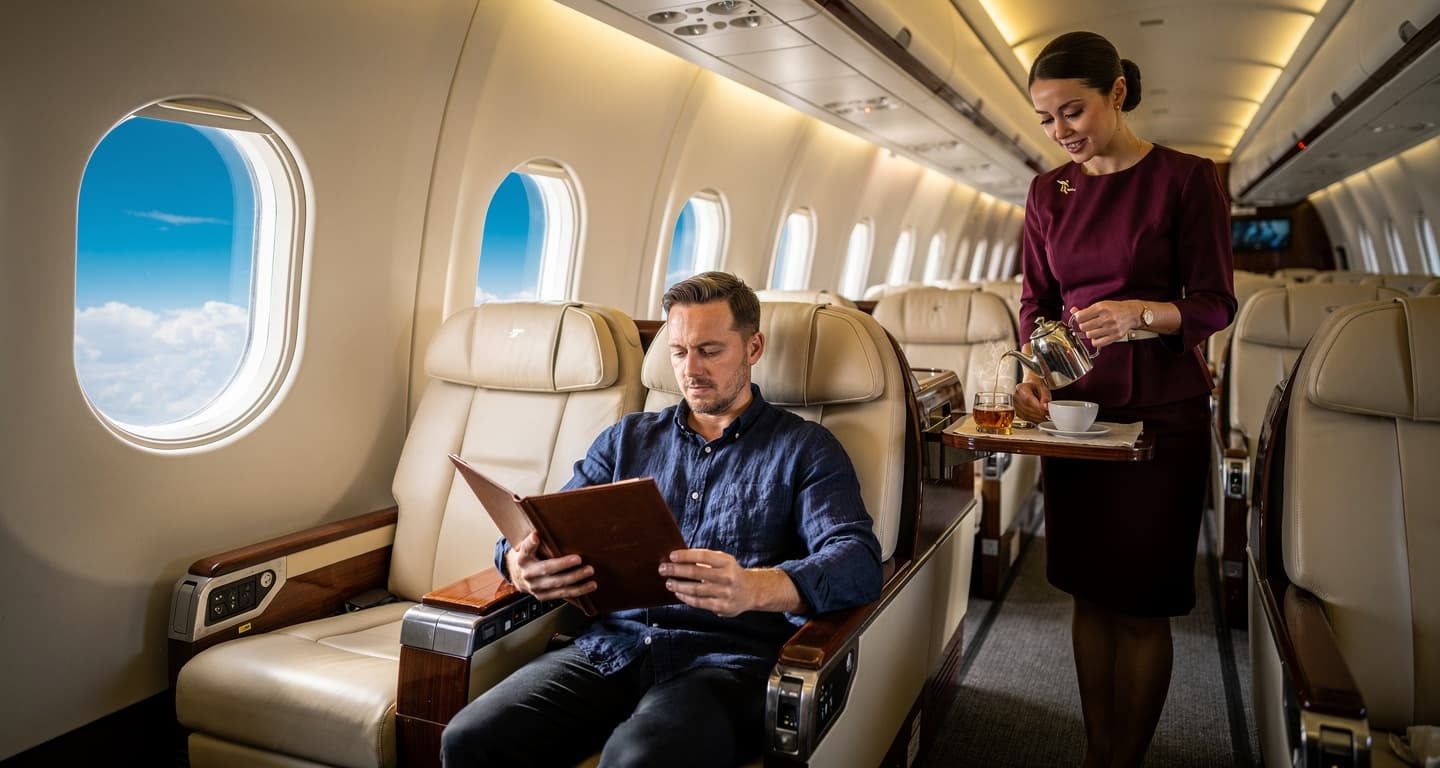
Turkish Airlines operates two A350-900 configurations on long-haul routes. The Sydney service uses the version with 32 business-class seats in a 1-2-1 layout and 297 economy seats. Seatmaps are available on ExpertFlyer for travelers prioritizing specific cabin positions.
| Period | Frequency | Aircraft | Via |
|---|---|---|---|
| Nov 2024 – Jun 2025 | 4x weekly | A350-900 | Kuala Lumpur |
| Mid-Jun – Oct 2025 | 5x weekly | A350-900 | Kuala Lumpur |
| Late Oct – Jan 2026 | 6x weekly | A350-900 | Kuala Lumpur |
| Jan 12, 2026 onward | Daily | A350-900 | Kuala Lumpur |
The airline has 66 A350-900s and 15 A350-1000s on order. If deliveries arrive on schedule, Turkish Airlines may introduce a non-stop Sydney-Istanbul service in late 2026, eliminating the Kuala Lumpur stop and cutting total travel time to approximately 20 hours.
Istanbul Airport serves as Turkish Airlines’ primary hub, offering connections to more than 340 destinations across Europe, Africa, and the Middle East. The Sydney route strengthens Star Alliance connectivity for Australian travelers, particularly those holding Miles&More or United MileagePlus status.
For travelers heading to Central Asia or Eastern Europe, the Istanbul hub often provides more direct routing than Gulf alternatives. Turkish Airlines includes two checked bags on this corridor—a meaningful advantage over competitors charging $150+ in baggage fees on economy “Light” fares. Learn more about flight options to Turkey from Australasia.
Flight deals
most people never see
Our AI monitors 150+ airlines for pricing anomalies that traditional search engines miss. Air Traveler Club members save $650 per trip per person on average: see how it works.
Each deal saves 40–80% vs. regular fares:

Why Sydney became the Australian gateway
Turkish Airlines evaluated multiple Australian cities before selecting Sydney as its sole entry point. The decision reflects Sydney’s position as Australia’s largest international gateway and the concentration of Turkish diaspora communities in New South Wales.
The route supports an estimated 290 jobs across tourism, hospitality, and aviation sectors in New South Wales. First-year projections show 68,620 inbound seats—a figure that will increase substantially once daily service begins.
Sydney Airport confirmed Turkish Airlines as a strategic partner in its post-pandemic expansion plan. The airport has prioritized long-haul carriers offering one-stop access to underserved markets, particularly in Eastern Europe and Central Asia where Gulf carriers provide limited coverage.
Melbourne and Brisbane travelers face a trade-off: connect domestically to Sydney (adding cost and time) or use existing Gulf hub options. For travelers in those cities, choosing the right departure airport can save hundreds of dollars on international routings.
Book early for January launch slots
Daily service begins January 12, 2026, with promotional fares typically appearing 3-6 months before launch—expect pricing announcements around July-August 2025.
- Set fare alerts now: Use Google Flights or Turkish Airlines’ website to monitor Sydney-Istanbul pricing. Launch fares often undercut competitors by 15-25%.
- Check seatmaps early: The A350-900’s 1-2-1 business configuration fills quickly on new routes. ExpertFlyer shows real-time availability for preferred seats.
- Consider Star Alliance benefits: If you hold status with United, Air Canada, or Singapore Airlines, Turkish Airlines honors alliance perks including priority boarding and lounge access in Istanbul.
- Monitor non-stop updates: Turkish Airlines’ press room will announce the non-stop service if A350 deliveries stay on schedule. Watch for announcements in Q4 2025.
Watch: Turkish Airlines’ Q3 2025 schedule filing will reveal whether the non-stop Sydney-Istanbul service launches in late 2026 or gets pushed to 2027.

Questions? Answers.
Will fares drop once daily service starts?
Increased frequency typically drives fares down 10-20% as airlines compete for market share. Qatar Airways currently prices Sydney-Doha roundtrips around $1,800 in economy when booked 90 days out. Turkish Airlines will likely match or undercut that baseline to fill seven weekly departures. Book 90-120 days before travel for the lowest fares.
How does the Kuala Lumpur stop affect total travel time?
The stop adds approximately 2 hours compared to a theoretical non-stop flight, bringing total travel time to around 22 hours gate-to-gate. Australian, New Zealand, US, Canadian, and EU passport holders can transit Malaysia visa-free for up to 30 days, so no additional documentation is required for the connection.
Can I book this route through Qantas codeshare?
Turkish Airlines partners with Qantas on Australia-Europe routes. Check the Qantas website for through-booked Sydney-Istanbul options that avoid separate ticket purchases. Codeshare availability typically appears 3-4 months before departure, so early 2026 inventory should be visible by October 2025.
What happens if the non-stop service launches in 2026?
Turkish Airlines will likely maintain both the via-Kuala Lumpur service and the non-stop option initially, giving travelers a choice between lower fares (via KUL) and faster travel time (non-stop). The non-stop service depends on A350 delivery schedules, which have faced delays industry-wide. Monitor Turkish Airlines’ press releases in Q4 2025 for confirmation.
Is this route useful for travelers outside Sydney?
Melbourne and Brisbane travelers must connect domestically to Sydney, adding 1-2 hours and $150-300 in positioning costs. For those cities, Gulf hub options via Qatar Airways or Emirates may offer better total journey time and pricing. Sydney-based travelers gain the most from this route’s daily frequency and Star Alliance connectivity.