Quick summary
Thailand has doubled its visa-free entry period from 30 to 60 days for Australian and New Zealand passport holders, effective now as part of an expanded 93-country exemption scheme. The change applies at 48 entry points including Suvarnabhumi, Phuket, and major land borders. A single 30-day extension is available at immigration offices for 1,900 THB (~$50 USD), giving eligible travelers a potential 90-day stay without a visa.
One mandatory new requirement catches many travelers off guard: the Thailand Digital Arrival Card (TDAC) replaced the paper TM6 form in May 2025. Miss it, and you’ll face delays at immigration. The details below cover eligibility, entry limits, and exactly what to prepare before you fly.
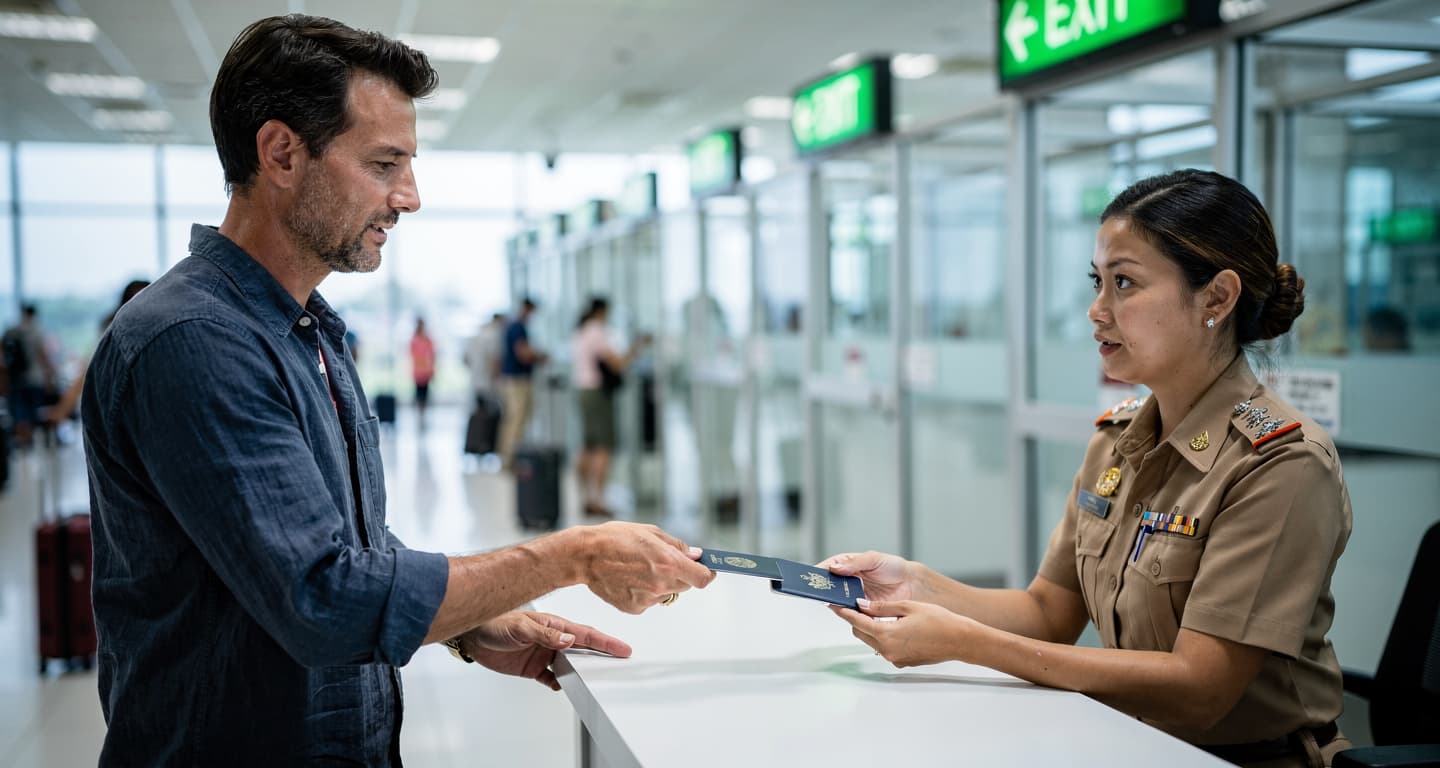
Thailand has extended visa-free stays from 30 to 60 days for Australians and New Zealanders, with no application, no fee, and no paperwork required in advance — beyond one critical digital step. The exemption covers tourism, family visits, and short-term business activities including conferences and lectures under 15 days. It applies across 48 designated entry points: international airports including Suvarnabhumi (BKK), Phuket International (HKT), and Don Mueang (DMK), plus land crossings and seaports.
Air Traveler Club’s visa tracker monitors entry requirements across 60+ Asia-Pacific destinations and flagged this change as one of the most impactful for AU/NZ travelers in 2026. A 60-day window turns Thailand from a short holiday into a genuine base for regional exploration — enough time to cover the north, south, and islands without racing a clock or queuing at an immigration office mid-trip.
Your passport must carry at least six months of validity from your date of entry. Carry proof of onward or return travel within 60 days, accommodation details, and evidence of sufficient funds. These are checked at the border.
Flight deals
most people never see
Our AI monitors 150+ airlines for pricing anomalies that traditional search engines miss. Air Traveler Club members save $650 per trip per person on average: see how it works.
Each deal saves 40–80% vs. regular fares:

What Changed, Who Qualifies, and How Entry Works
The 60-day exemption is automatic on arrival — no pre-approval, no visa sticker, no embassy visit. Immigration stamps your passport for 60 days. If you need more time, a single extension of 30 additional days is available at any provincial immigration office before day 60 expires. The fee is 1,900 THB (approximately $50 USD). Bring your passport, two passport photos, a completed TM7 form, and proof of accommodation. Bangkok’s Chaeng Wattana Immigration Office handles this routinely; Chiang Mai and Phuket offices do too.
One rule catches travelers off guard: air arrivals have no annual entry limit under the exemption. You can fly in, leave, and return as many times as you like within a year. Land and sea crossings are capped at two entries per calendar year. This was clarified by Thai authorities in January 2026 after conflicting reports circulated in late 2025 — the two-entry cap applies only to land and sea, not air.
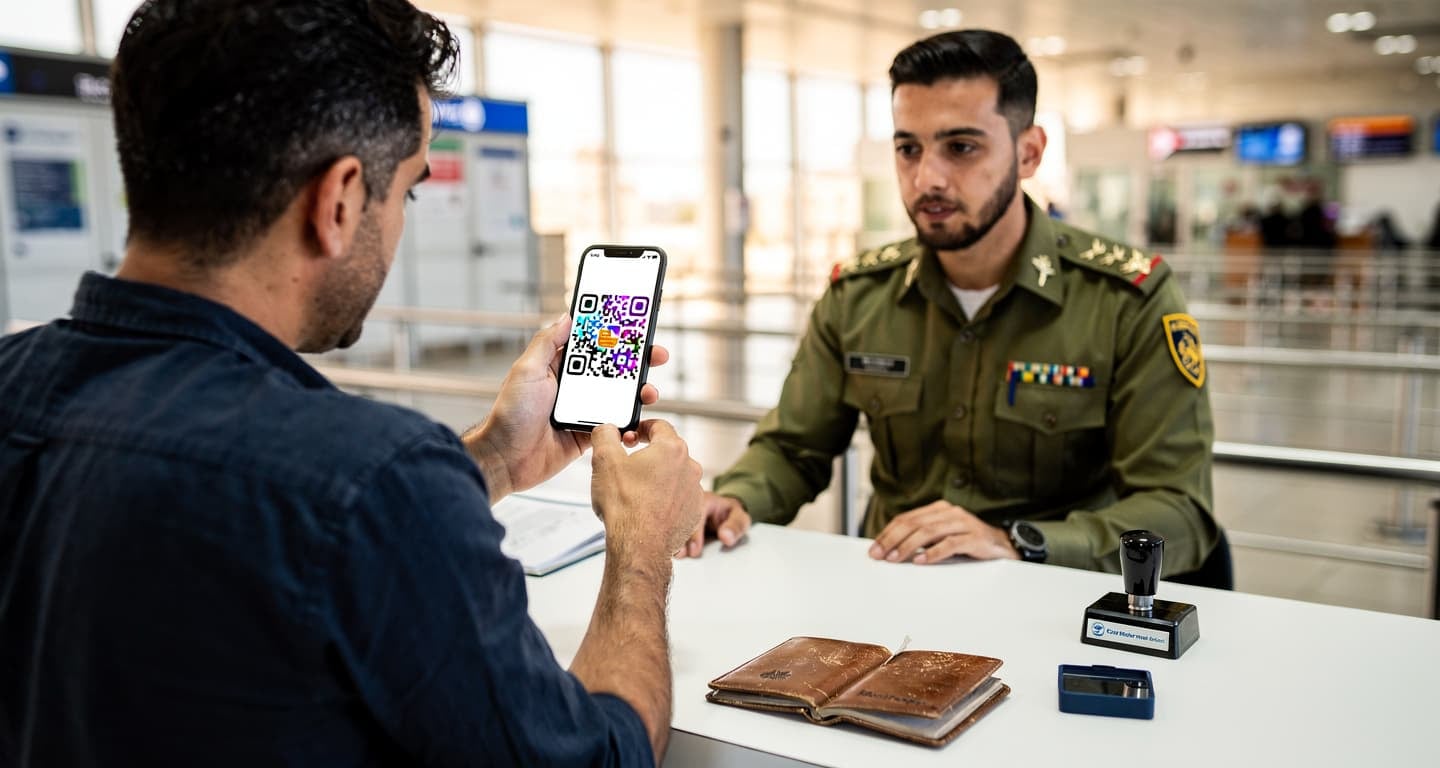
The paper TM6 arrival card is gone. Since May 1, 2025, all foreign arrivals must complete the Thailand Digital Arrival Card (TDAC) online before landing. Submit it within three days of arrival at the official portal thaicdc.com. Save the QR code — immigration will scan it. This is not a visa and carries no fee, but skipping it creates real delays at the border.
| Detail | Specifics |
|---|---|
| Stay allowed | 60 days |
| Extension available | Once, for 30 days — total 90 days possible |
| Extension fee | 1,900 THB (~$50 USD) |
| Air entry limit | None |
| Land/sea entry limit | Twice per year |
| Passport validity required | 6 months from entry date |
| Pre-arrival digital form | TDAC via thaicdc.com (mandatory) |
| Proof required on arrival | Onward ticket, accommodation, sufficient funds |
For official eligibility confirmation, the Royal Thai Embassy’s Australia travel entry guide lists all qualifying nationalities and current entry conditions.
Thailand’s Visa-Free Expansion in Context
Thailand’s 93-country exemption list is one of the most expansive in Southeast Asia. The country welcomed 35 million international visitors in 2024 and is targeting 40 million in 2026. The 60-day extension is a direct response to competition from Vietnam and Malaysia, both of which have aggressively expanded their own visa-free programs to capture longer-stay, higher-spending travelers.
Beyond 60 Days: Longer-Stay Options
If 90 days still isn’t enough, the visa-free route ends there. Australians and New Zealanders needing extended stays have two main paths. A Non-Immigrant Visa (category B for business, ED for education, or O for family) allows 90-day initial stays, extendable to one year with the appropriate permit. These require applying through a Thai embassy before travel. A Marriage Visa is available for those with Thai spouses and renews annually.
Neither option is complicated, but both require planning before you leave home. The e-visa system — mandatory since 2024 for non-exempt stays — handles applications online. A standard tourist e-visa (60 days, single entry) costs between $40 and $80 USD depending on nationality and processing speed, but Australians and New Zealanders have no reason to use it given the free exemption covers the same duration.
For travelers building a longer Asia itinerary around Thailand, the 60-day window pairs well with visa-free access to neighboring countries. Malaysia offers 90 days. Vietnam offers 45 days. A multi-country trip structured around these exemptions can cover months of travel without a single visa application. For flight strategies that support this kind of regional movement, the Continental Hop Trick for Australasia outlines how to structure routing from AU/NZ hubs to minimize cost across multiple destinations.
What to Do Before You Fly
- Complete the TDAC form at thaicdc.com within three days before arrival — save the QR code to your phone and a screenshot as backup.
- Confirm your passport has at least six months of validity from your entry date into Thailand, not your departure date from home.
- Carry a printed or digital copy of your onward or return ticket within 60 days — immigration officers do ask, particularly at land borders.
- If you plan to stay beyond 60 days, identify your nearest immigration office before day 60 and bring passport photos, the TM7 form, and 1,900 THB in cash for the extension fee.
Questions? Answers.
Can I fly in and out of Thailand multiple times on the visa exemption?
Yes, with no annual limit for air arrivals. You can depart and re-enter as many times as you like by air within a year, each time receiving a fresh 60-day stamp. Land and sea crossings are capped at two entries per calendar year. This was formally clarified by Thai immigration authorities in January 2026.
Is the TDAC the same as a visa? Do I need both?
No. The Thailand Digital Arrival Card (TDAC) is an arrival registration form, not a visa. Australians and New Zealanders do not need a visa for stays up to 60 days — but the TDAC is mandatory regardless. Complete it at thaicdc.com within three days before you land. Failure to do so causes delays at immigration, not denial of entry, but it’s not worth the queue.
Does the 60-day exemption apply at land borders from Cambodia, Laos, or Malaysia?
Yes. The exemption covers all 48 designated entry points, including land crossings such as Aranyaprathet (Cambodia border) and crossings into Laos and Malaysia. However, land and sea entries are limited to twice per year under the exemption. Air arrivals have no such cap. Each land entry still grants the full 60 days.
What happens if I overstay my 60-day stamp?
Overstaying in Thailand carries a fine of 500 THB per day, up to a maximum of 20,000 THB. Overstays exceeding 90 days trigger a ban on re-entry ranging from one to ten years depending on the duration. Apply for the 30-day extension at an immigration office before your stamp expires — not after.
Can I work remotely in Thailand on the visa-free exemption?
Technically, no. The exemption covers tourism, family visits, and short-term business activities like attending conferences. Remote work for a foreign employer sits in a legal grey area under Thai law — it is not explicitly permitted under the tourist exemption. Thailand’s Long-Term Resident (LTR) Visa is the appropriate route for remote workers planning extended stays and offers a clear legal framework.