Quick summary
Thailand’s 60-day visa-free entry for 93 nationalities—including the US, Canada, EU, Australia, and New Zealand—remains in effect as of February 2026, but faces potential reduction to 30 days under government review. The policy, expanded from 30 days in July 2024, allows tourism and short-term business visits without advance visa applications, with a 30-day extension available at local immigration offices for THB 1,900.
A Cabinet committee is reviewing the scheme due to misuse for illegal work, with no confirmed timeline for changes. Travelers must complete the mandatory Thailand Digital Arrival Card (TDAC) online before departure via the Immigration Bureau portal.
Passport holders from 93 countries can still enter Thailand for up to 60 days without a visa, but the clock may be ticking on the generous policy.
Thailand’s Cabinet approved the 60-day visa exemption on February 13, 2026, doubling the previous 30-day limit for most Western travelers. The scheme covers tourism, short-term business meetings, and conferences—no advance visa application required. A 30-day extension remains available at immigration offices nationwide.
The catch: a government committee began reviewing the policy on February 10, 2026, citing misuse for illegal employment and criminal activity. If approved, the visa-free period could revert to 30 days, though the extension option would stay unchanged. No effective date has been announced.
The policy affects travelers from North America (US, Canada), Europe (all Schengen states plus UK), Oceania (Australia, New Zealand), and India. It has been in effect since July 15, 2024, when Thailand expanded eligibility from 57 to 93 countries.
How the 60-day visa exemption works
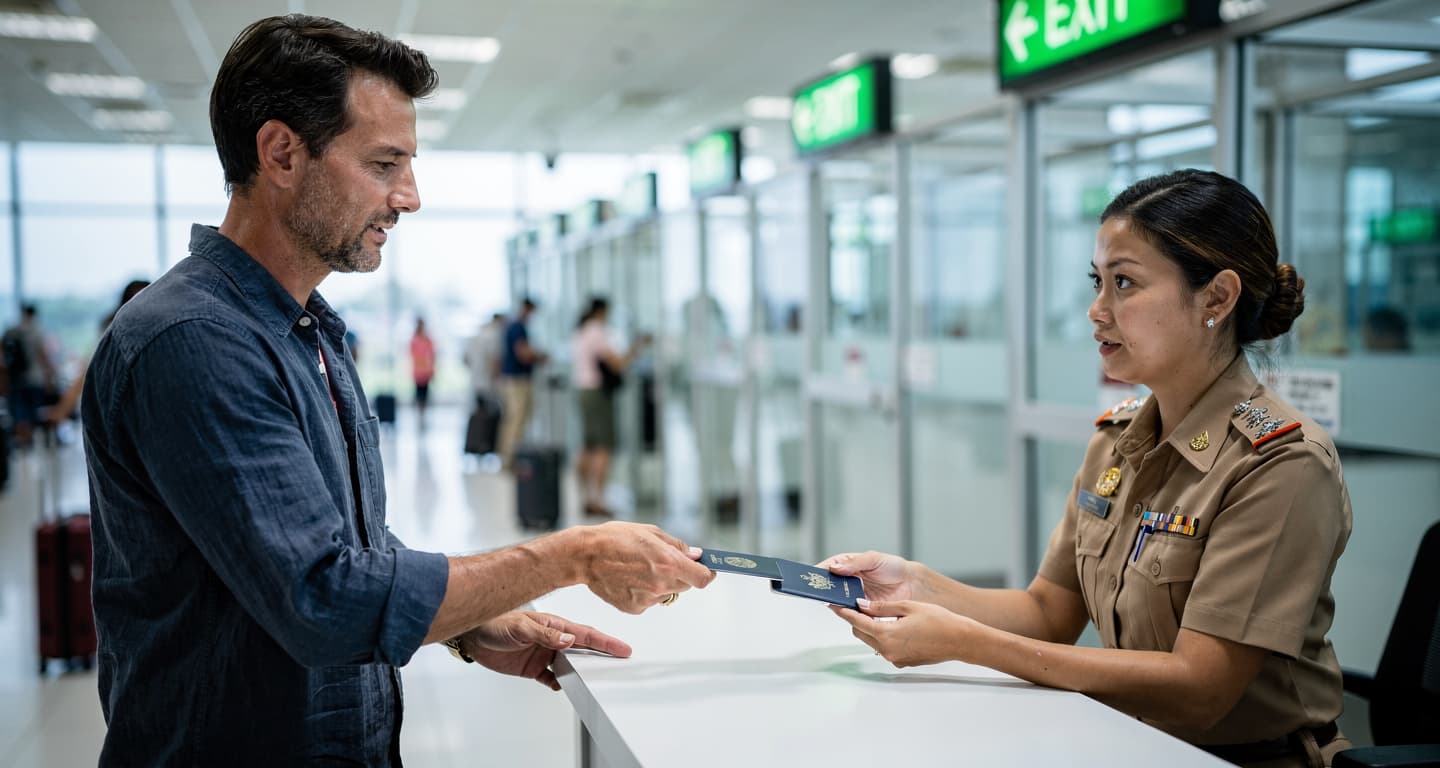
The current rules allow eligible passport holders to enter Thailand for tourism or short-term business without applying for a visa in advance. The 60-day stamp is issued at arrival—no fees, no paperwork beyond the mandatory digital arrival card.
Travelers planning stays beyond 60 days can apply for a single 30-day extension at any immigration office before their initial period expires. The extension costs THB 1,900 (approximately $55 USD) and requires form TM.7, one passport photo, and cash payment. Approval is discretionary, and immigration officers may deny extensions if they suspect misuse.
| Factor | Current policy (since July 2024) | Proposed change (under review) | Impact |
|---|---|---|---|
| Visa-free stay | 60 days | 30 days | Halves initial entry period |
| Extension available | 30 days (THB 1,900) | 30 days (unchanged) | Total 60 days still possible |
| Eligible countries | 93 (US, CA, EU, AU, NZ, India) | 93 (no change proposed) | No nationality exclusions |
| Digital arrival card | Mandatory since May 2025 | Mandatory (unchanged) | Submit online 3 days before arrival |
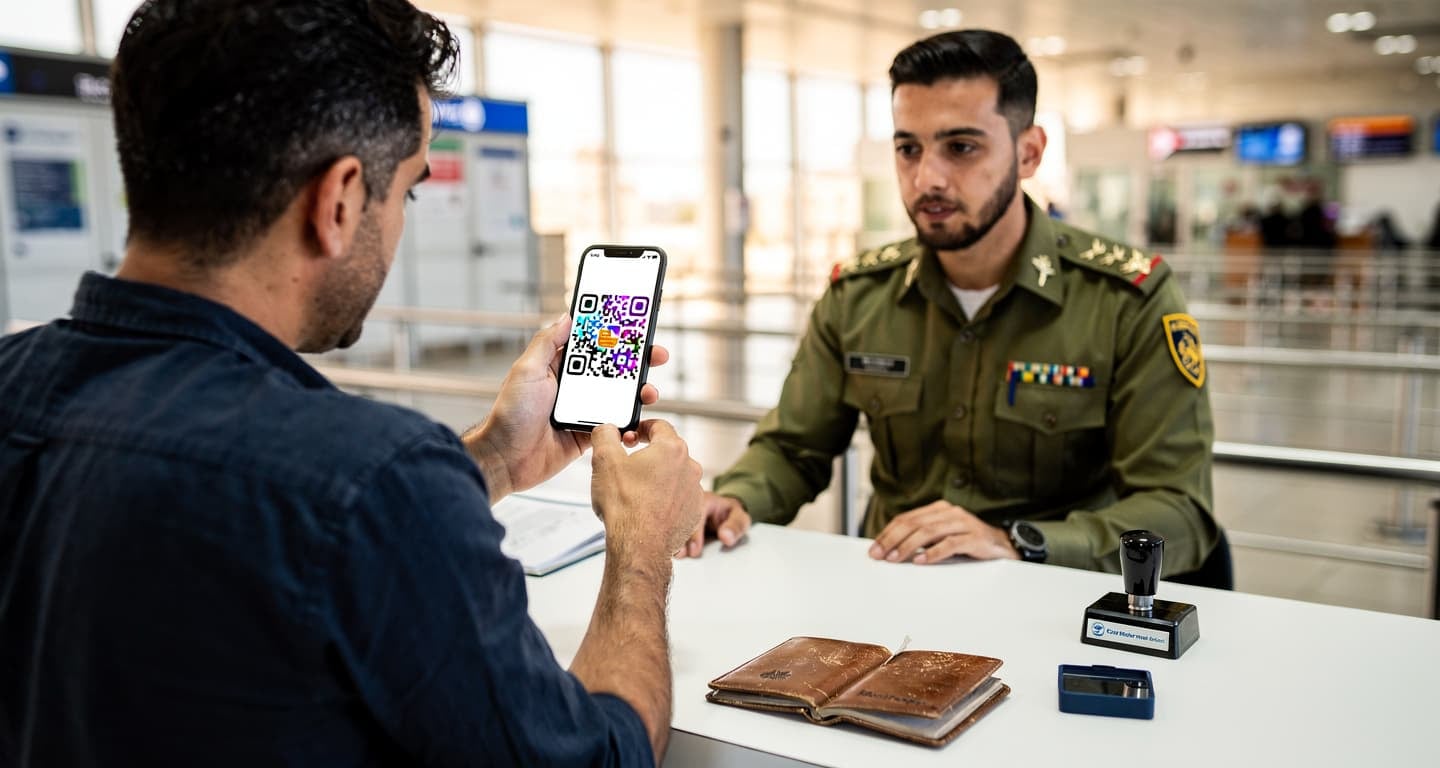
The Thailand Digital Arrival Card (TDAC) replaced paper TM.6 forms on May 1, 2025. Travelers must submit the form at tdac.immigration.go.th up to three days before departure. The system generates a QR code valid for entry through facial-recognition e-gates, planned for Phuket, Chiang Mai, and Suvarnabhumi airports by late 2026.
The policy also introduced the Destination Thailand Visa (DTV) for remote workers—a five-year, multiple-entry visa allowing 180 days per visit. The DTV costs THB 10,000 (approximately $290 USD) and requires proof of $10,000 USD in travel insurance. It targets digital nomads ineligible for visa-free entry or seeking longer stays without extension hassles.
Thailand’s Ministry of Foreign Affairs streamlined non-immigrant visa categories from 17 to 7 codes and rolled out e-Visa processing at all embassies worldwide. The full list of 93 eligible countries is available on the Thai Consulate Los Angeles website.
Flight deals
most people never see
Our AI monitors 150+ airlines for pricing anomalies that traditional search engines miss. Air Traveler Club members save $650 per trip per person on average: see how it works.
Each deal saves 40–80% vs. regular fares:

Why Thailand is reconsidering the policy
The Cabinet committee’s review stems from reports of visa-free travelers working illegally in Thailand’s tourism and hospitality sectors. Immigration Bureau data cited in the February 10, 2026 Cabinet report flagged a 30% increase in overstays and deportations since the 60-day policy launched.
Thailand’s tourism recovery strategy prioritizes high-spending visitors from India and China over budget backpackers from Western markets. The 60-day expansion coincided with Air India and IndiGo adding capacity on Bangkok and Phuket routes—India now ranks among Thailand’s top five source markets. If the reduction proceeds, it signals a shift toward short-stay, high-turnover tourism rather than extended backpacking trips.
For travelers from the US, Canada, Europe, Australia, and New Zealand, the policy change would align Thailand with regional norms. Vietnam offers a 45-day e-visa for $25 USD (three-year multiple-entry for select nationalities), while Malaysia provides 90-day visa-free entry with no extension required. Singapore enforces a strict 30-day visa-free limit with no extensions. If Thailand cuts to 30 days, flights to Thailand from Europe may see demand shift toward Malaysia or Vietnam for longer itineraries.
The review has no confirmed timeline, but Thailand’s tourism minister hinted at a decision by mid-2026 during a February press briefing. Travelers booking trips beyond 30 days should monitor updates via the Immigration Bureau website or their nearest Thai embassy.
What to do before you fly
Verify your nationality’s eligibility on the Thai Consulate Los Angeles website—the 93-country list includes most Western passports but excludes some African and Middle Eastern nations.
Submit the TDAC form at tdac.immigration.go.th between three days and 24 hours before departure. Print the QR code—mobile screenshots fail at e-gates if your device malfunctions.
Prepare extension documents now if you plan to stay beyond 60 days. Download form TM.7 from the Immigration Bureau site, book accommodation with printed confirmations, and carry proof of THB 20,000 in accessible funds.
Monitor official channels for policy updates. Subscribe to alerts from your nearest Thai embassy or check the Immigration Bureau’s English-language news page weekly if traveling after mid-2026.
Watch this: If the Cabinet announces a reduction, the effective date will likely fall 30–60 days after the announcement—enough time to adjust bookings or apply for a DTV if you qualify.

Questions? Answers.
Is India now eligible for Thailand’s 60-day visa-free entry?
Yes. India was added to the 93-country list when the policy expanded in July 2024. The change aligns with Air India and IndiGo’s capacity increases on Bangkok and Phuket routes, making India one of Thailand’s top five source markets for tourism.
What happens if the 30-day reduction is approved—can I still stay 60 days total?
Yes, through the unchanged 30-day extension available at immigration offices for THB 1,900. However, approval is discretionary—officers may deny extensions if they suspect misuse for illegal work. The Destination Thailand Visa (DTV) offers a guaranteed 180-day stay per entry for remote workers willing to pay the THB 10,000 fee.
Does the 60-day visa-free entry cover business travel or just tourism?
It covers short-term business activities including meetings, conferences, and site visits—no work permit required for these purposes. Employment or paid work still requires a non-immigrant B visa and work permit, regardless of the 60-day visa-free stamp.
Do I need to show proof of onward travel when entering Thailand visa-free?
Immigration officers can request proof of onward travel within 60 days, though enforcement varies by airport. Carry a printed or digital copy of your return or onward flight confirmation to avoid entry denial—budget carriers like AirAsia and Scoot offer cheap throwaway tickets to neighboring countries if needed.
Can I use the 60-day visa-free entry multiple times in one year?
There is no official limit on visa-free entries by air, but immigration officers may question travelers making frequent short trips. Overland entries from Cambodia, Laos, or Malaysia are capped at two visa-free entries per calendar year. If you plan multiple trips, consider applying for a tourist visa or DTV to avoid scrutiny.