Quick summary
Imam Khomeini International Airport (IKA) in Tehran has reopened in late April 2026 after a 57-day closure triggered by Israeli and US airstrikes on Iranian military targets. Eight domestic Iranian airlines now operate flights to 15 destinations — down from more than 80 international routes before the conflict. Foreign carriers including Emirates, Turkish Airlines, and Lufthansa have not resumed operations; their return depends on ceasefire durability and bilateral aviation agreement reactivation, with no formal timeline announced.
Travelers rerouting via Istanbul or Yerevan face 6–14 additional hours and fare premiums of 15–40%. The situation is still developing — every day changes what’s bookable.
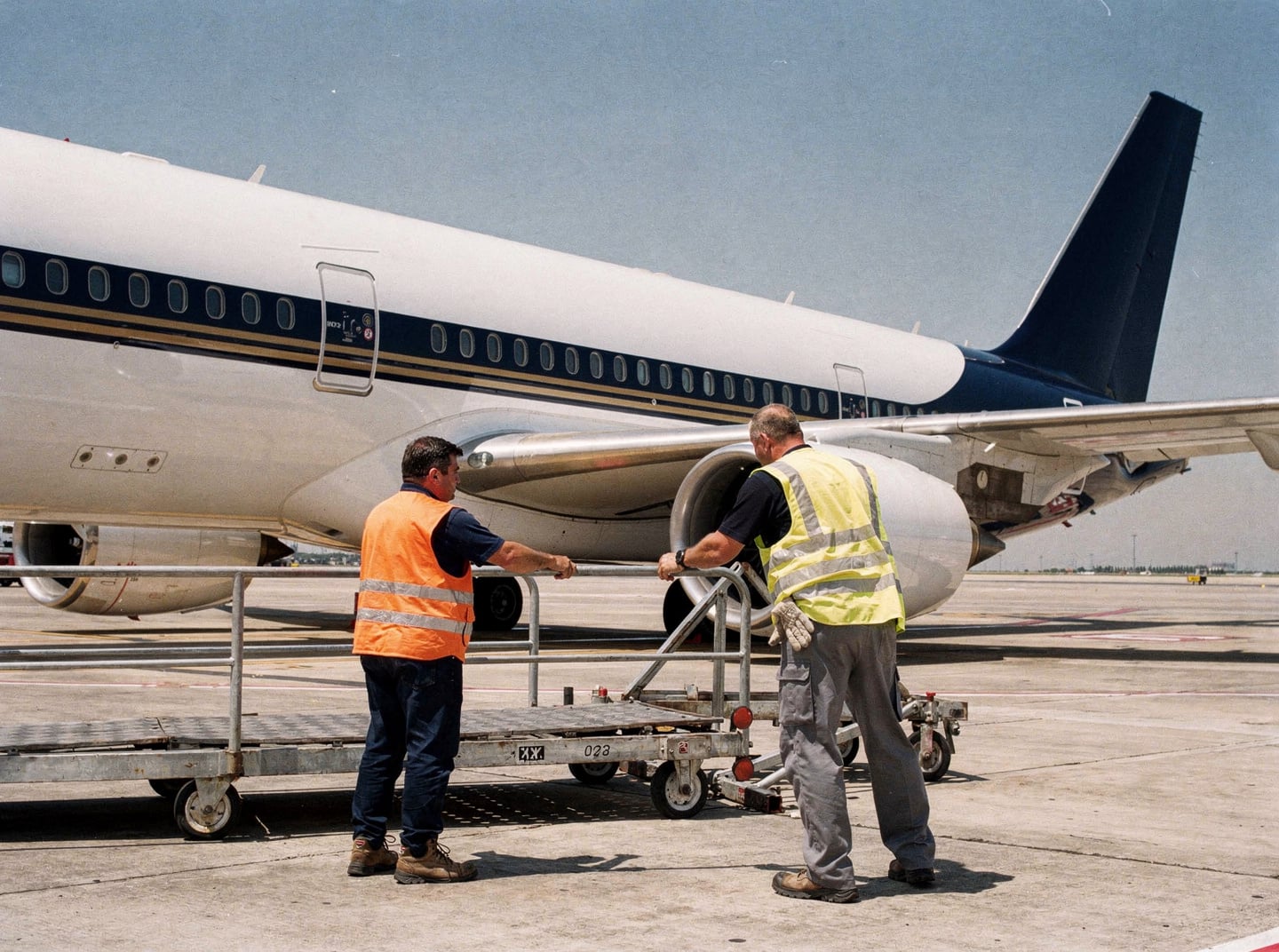
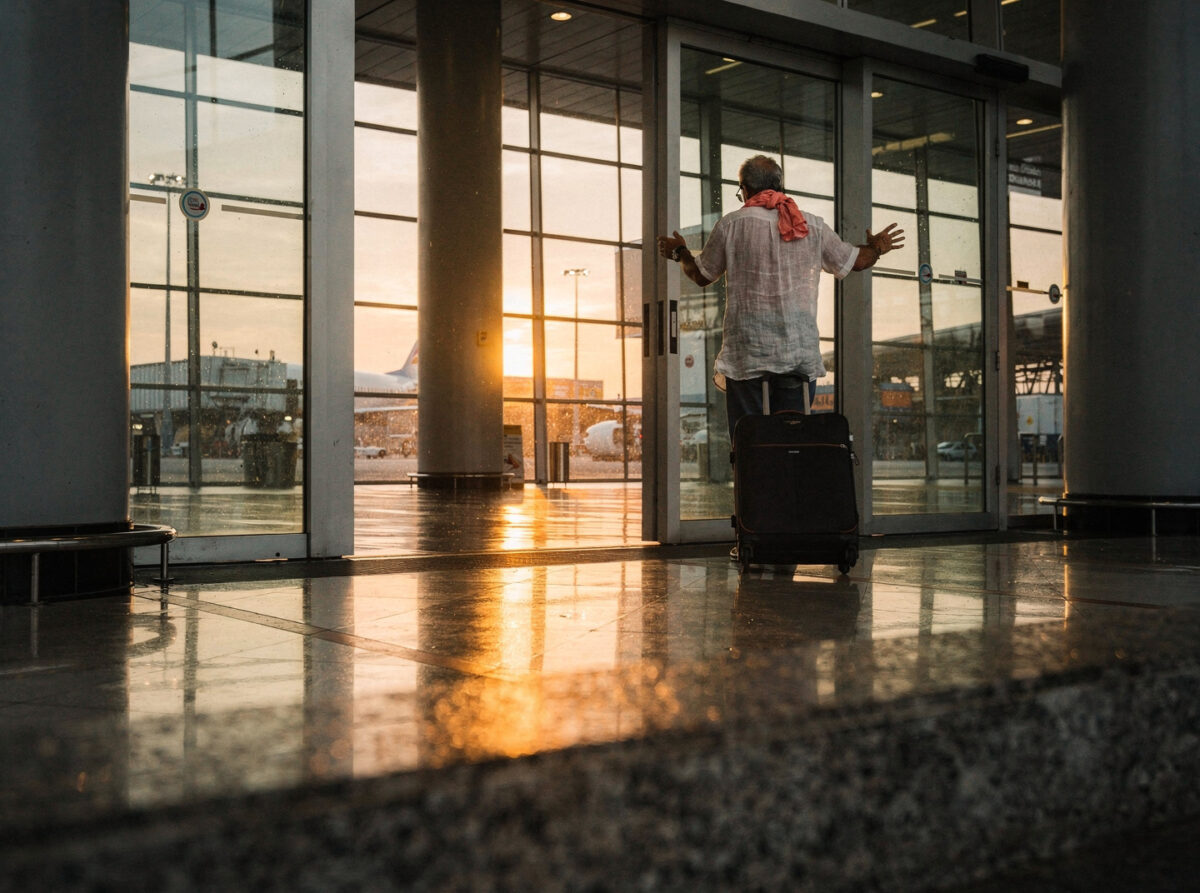
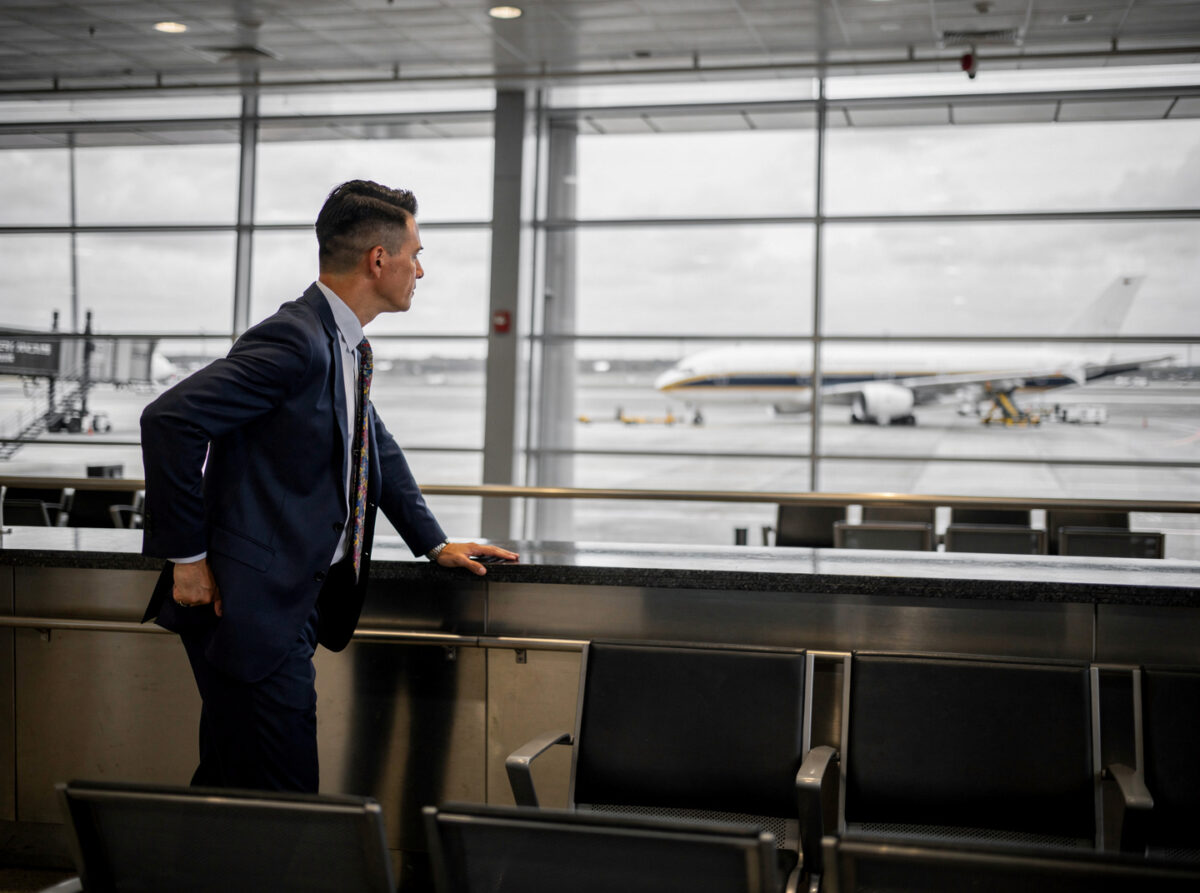
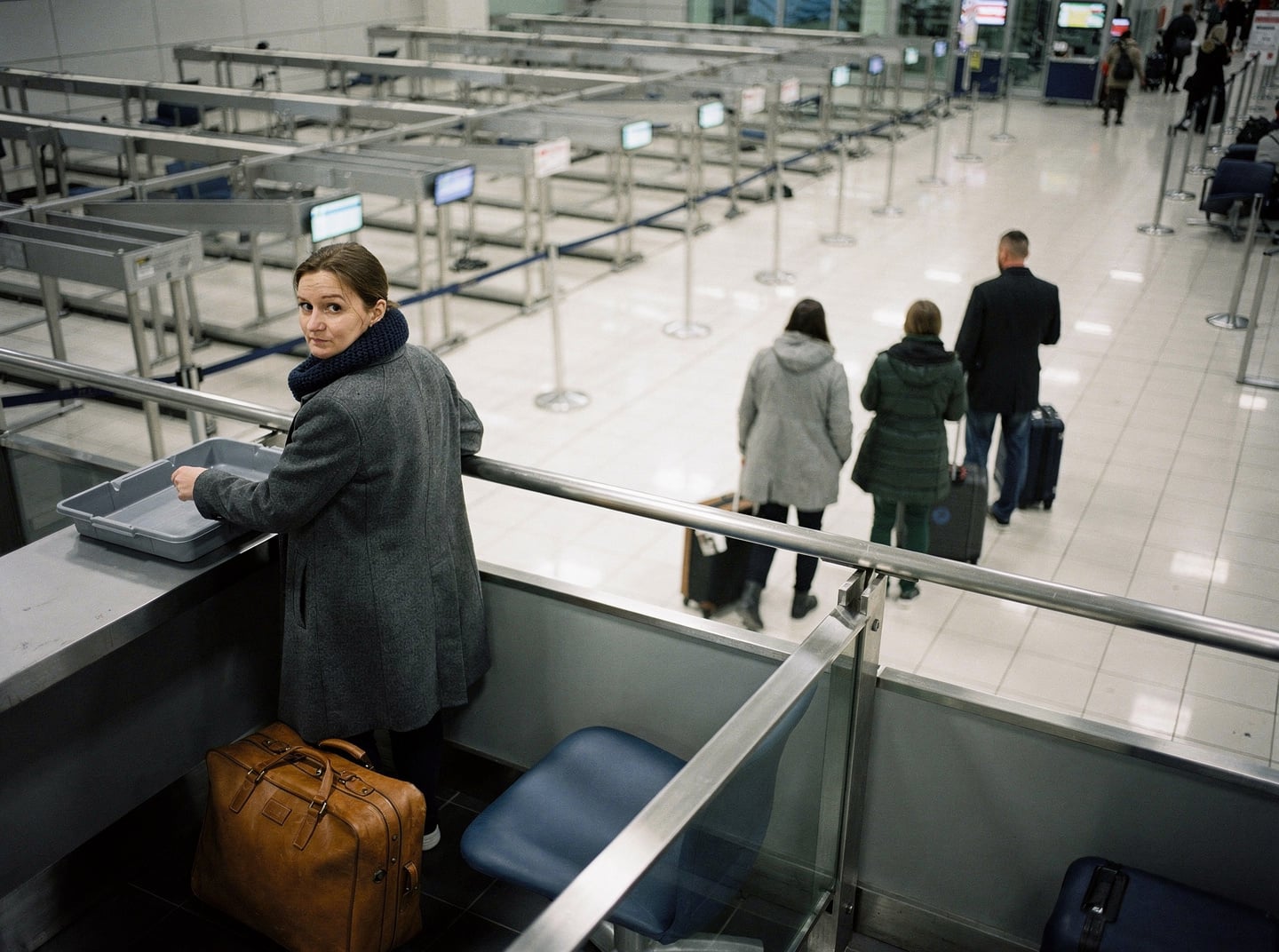
Tehran’s main international gateway is open again, but calling it a recovery overstates what’s actually happening on the ground. Late-April video reports from IKA show a quieter terminal than anyone who transited there before the war would recognize — a departure board that was dark for 57 days now showing a fraction of its former routes, with families and business travelers navigating a patchwork of Iranian carriers and indirect connections to reach destinations that once had direct service.
The airport handled up to 150 flights daily before the conflict. As of late April 2026, it serves 15 destinations through eight domestic airlines. That gap — between what existed and what’s operating now — is the story for anyone trying to travel to, from, or through Iran in the coming weeks.
Foreign carriers are watching, not flying. Emirates, Turkish Airlines, Air France, and Lufthansa have all suspended Tehran operations, and their return is explicitly tied to political stability assessments and bilateral air service agreement reactivation — neither of which has a confirmed timeline as of April 30, 2026. One Toronto-bound passenger described the current reality plainly: flying first to Yerevan on an Iranian carrier, then onward to Canada with a long layover, after weeks of stress trying to find any viable ticket at all.
The economic damage extends well beyond delayed itineraries. Tour operators report cutting staff from 20 to two. The suspension hit during peak season, wiping out charter bookings, hotel reservations, and incoming tour groups simultaneously. Airports are reopening — the human cost is still being counted.
What’s actually operating at IKA right now
Initial resumption routes confirmed by industry reports include Tehran–Istanbul, Tehran–Muscat, Tehran–Medina, Tehran–Yerevan, and Tehran–Shanghai — all operated by Iranian domestic carriers. The Economic Times confirmed the eight-airline, 15-destination resumption alongside the 57-day suspension duration. Frequency on each route remains unverified in official filings.
The infrastructure damage picture is significant. Mehrabad Airport — Tehran’s domestic hub — sustained multiple direct strikes, as did airports in Kashan, Tabriz, Abadan, Mashhad, Hoy, and Urmia. Several civilian aircraft were damaged; repair timelines remain unverified. That’s not a footnote — it means Iran’s domestic aviation network is operating at reduced capacity even as IKA handles international resumption.
For travelers connecting through Abu Dhabi, Etihad Airways has been maintaining a recovery trajectory of its own: the airline restored 92 daily flights from Abu Dhabi on April 25, 2026, with flexible rebooking and refund policies extended through May 15 — relevant for anyone holding Abu Dhabi hub connections to Europe or Asia-Pacific.
| Route | Pre-war status | Current status | Operating carrier |
|---|---|---|---|
| Tehran–Istanbul | Multiple foreign + Iranian carriers | Resuming (Iranian carriers only) | Iranian domestic airlines |
| Tehran–Muscat | Regular service | Resuming (Iranian carriers only) | Iranian domestic airlines |
| Tehran–Yerevan | Regular service | Resuming (Iranian carriers only) | Iranian domestic airlines |
| Tehran–Shanghai | Regular service | Partially resuming (unconfirmed frequency) | Iranian domestic airlines |
| Tehran–Frankfurt / London / Paris | Regular service (Lufthansa, Air France, BA) | Suspended — no resumption date | Foreign carriers suspended |
| Tehran–Dubai | Multiple daily (Emirates, flydubai) | Suspended — no resumption date | Foreign carriers suspended |
| Tehran–Toronto / New York / Los Angeles | Indirect via hubs | No direct service; rerouting via Yerevan | Iranian carriers + onward connections |
Flight deals
most people never see
Our AI monitors 150+ airlines for pricing anomalies that traditional search engines miss. Air Traveler Club members save $650 per trip per person on average: see how it works.
Each deal saves 40–80% vs. regular fares:
Why foreign carrier return is the real recovery signal
The 2020 precedent is instructive — and sobering. When Iran closed its airspace in January 2020 following the US airstrike that killed General Soleimani, the closure lasted six months. Turkish Airlines, Emirates, and Lufthansa resumed service between July and September 2020. Full capacity restoration took 18 months from that point. The current 57-day closure is shorter, but the 2026 situation involves direct infrastructure damage across multiple airports — a variable that wasn’t present in 2020. That makes a 4–6 month recovery timeline more realistic than a rapid return to pre-war norms.
Foreign carriers aren’t being cautious for bureaucratic reasons. Bilateral air service agreements — the legal frameworks that allow airlines to fly between two countries — were effectively suspended when Iran invoked force majeure. Reactivating them requires formal diplomatic engagement, not just a ceasefire announcement. Until those agreements are restored, even a carrier willing to fly Tehran has no legal operating basis to do so.
When foreign carriers do return, the fare impact will be immediate and significant — industry patterns suggest 30–40% drops within two weeks of resumption announcements, as suppressed demand meets restored capacity.
Steps to protect your booking now
The situation at IKA is stabilizing but not stable — foreign carriers are absent, infrastructure damage is unrepaired, and the ceasefire remains fragile as of April 30, 2026. These steps apply in priority order.
- Check Iran Air and Mahan Air directly — visit iranair.com and mahan.ir for real-time IKA departure boards and available routes. These are the only carriers currently operating international service from Tehran; third-party booking platforms may not reflect current availability accurately.
- Book hub connections, not direct Tehran flights — if your destination has no current IKA service, book to Istanbul via Turkish Airlines (which operates extensive global connections through Istanbul) or to Dubai via flydubai as an interim hub, then connect onward. Do not wait for direct service to resume before securing your routing.
- File EU261 claims immediately if departing from EU or UK — compensation of €400–600 applies for cancellations or delays over three hours where the airline bears responsibility. Airspace closure may be claimed as extraordinary circumstance by airlines; file anyway and escalate to the UK CAA (caa.co.uk) or DGAC France (dgac.gouv.fr) if denied. Retain every booking confirmation and cancellation notice.
- US and Canadian travelers: pursue refunds, not compensation — US DOT rules require rebooking or full refund; Canadian APPR provides CAD $400–2,400 for cancellations within airline control, but airspace closure will likely be classified as exempt. Contact airline customer service directly and document everything.
- Verify IKA–Shanghai frequency before booking Asia-Pacific connections — this route is listed as partially resuming but frequency is unconfirmed in official sources. Call the operating carrier directly before purchasing onward connections.
Watch: Iran’s Civil Aviation Organization is expected to make a full airspace reopening declaration in early May 2026. If announced, overflying restrictions lift — meaning Europe-Asia flight times shorten by roughly 2–3 hours and fuel surcharges ease. If that declaration is delayed, expect rerouting premiums and extended journey times to persist well into June.
Questions? Answers.
Which airlines are currently flying to and from Tehran’s IKA airport?
Only eight Iranian domestic airlines are currently operating international service from IKA, as of late April 2026. Foreign carriers — including Emirates, Turkish Airlines, Lufthansa, and Air France — have suspended Tehran operations and have not announced resumption dates. Their return depends on ceasefire stability and reactivation of bilateral air service agreements.
Can I get compensation for flights cancelled during the Iran airspace closure?
It depends on your departure region. EU and UK passengers are entitled to file EU261 or UK261 claims (€400–600 for cancellations or delays over three hours), though airlines may invoke the extraordinary circumstances exemption for airspace closure — file anyway and escalate to your national aviation authority if denied. US and Canadian passengers have no statutory compensation entitlement for airspace closures, but are entitled to a full refund or rebooking under US DOT rules and Canadian APPR respectively.
How long will it take for Tehran flights to return to normal?
Based on the 2020 precedent — when Iran’s airspace closure lasted six months and full capacity took 18 months to restore — a realistic recovery window for 2026 is 4–6 months for foreign carrier return and longer for full pre-war capacity. The current situation involves direct infrastructure damage to multiple Iranian airports, which was not a factor in 2020, making a faster recovery unlikely.
What is the best alternative routing to reach Tehran right now?
Istanbul is the primary rerouting hub — Turkish Airlines operates extensive global connections there, and Tehran–Istanbul service has resumed via Iranian carriers. Yerevan (Armenia) is the current option for North America-bound travelers, with Iranian carriers flying Tehran–Yerevan and onward connections available. Dubai remains unavailable as Emirates and flydubai have not resumed Tehran service.