Quick summary
The Pamir Highway’s high-altitude passes remain snow-blocked and avalanche-prone through April, with mudslides peaking in May as glacial meltwater swells rivers. Ak-Baital Pass at 4,655 meters still has winter conditions in March, and remote homestays stay closed until late May. Full traverses attempted before June face multi-day delays with no alternate routes.
Even late May requires trip flexibility for lingering snow above 4,000 meters. This article covers the specific hazards that make spring travel high-risk, the narrow safe-travel window, and what to do if you’ve already booked.
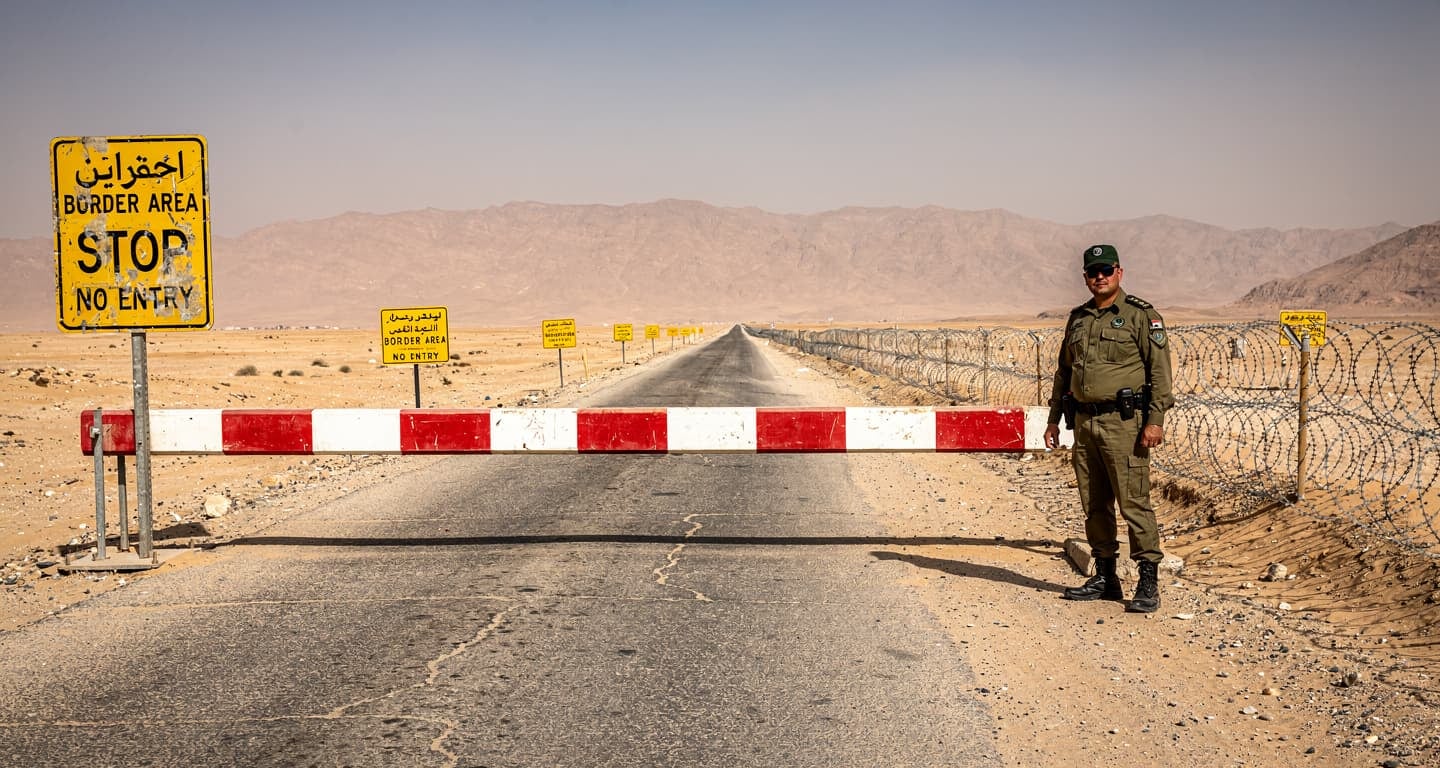
Travelers planning early-season trips along Tajikistan’s M41 Pamir Highway are facing a compressed decision window. The route technically opens in March, but April and May bring peak mudslide risk as glacial melt swells rivers across the third-most mountainous terrain on Earth. Ak-Baital Pass — the highest point at 4,655 meters — retains winter conditions well into spring, requiring a well-equipped 4×4 and an experienced local driver.
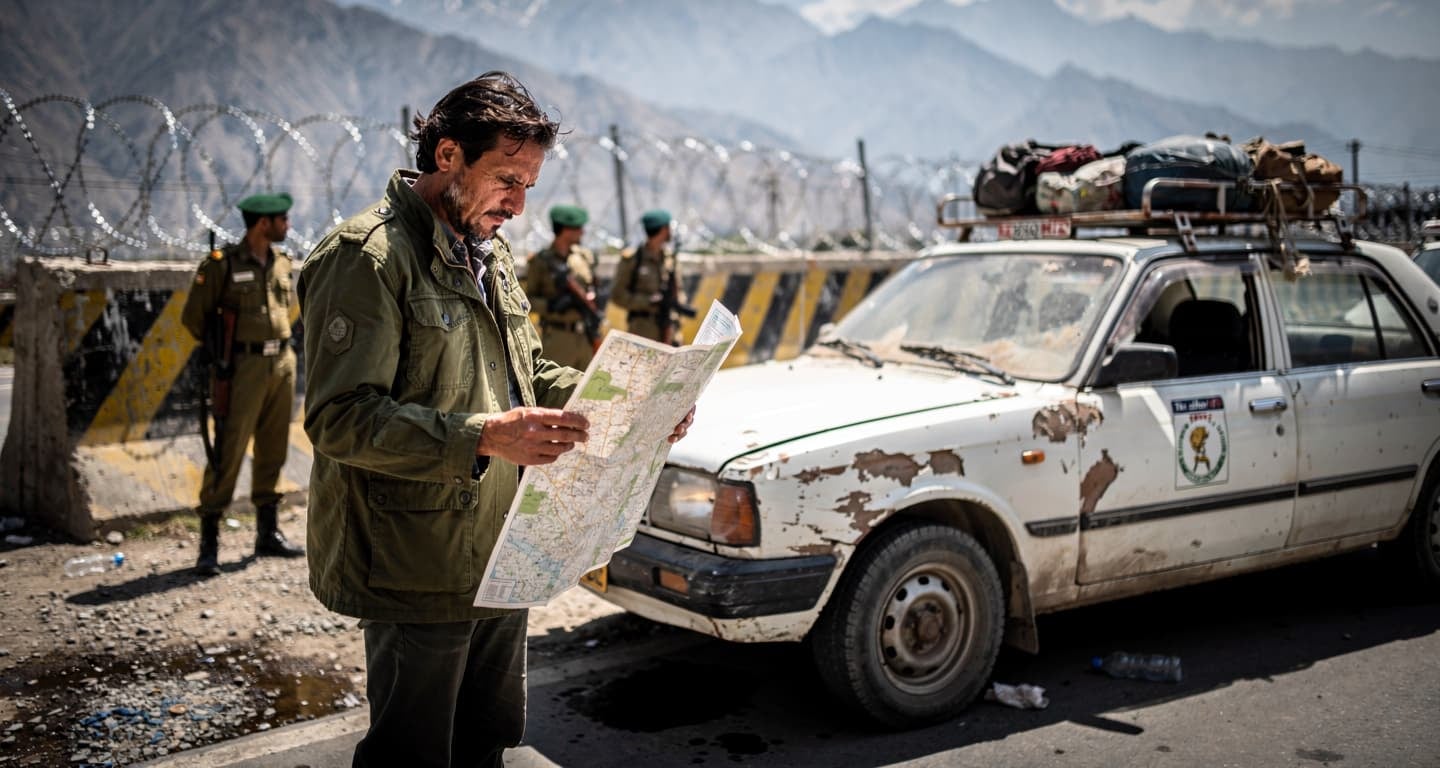
The core issue is predictability. A single mudslide can block the M41 for one to two days with no quick detours, stranding travelers in areas where mobile coverage doesn’t exist and homestays remain shuttered. Tour operators consistently recommend waiting until late May or June for a full Dushanbe-to-Osh traverse.
This affects independent overland travelers and tour groups from the US, Canada, Europe, and Australia/New Zealand targeting the Pamir Highway between March and May 2026. The window for safe passage is narrower than promotional materials suggest — roughly June through early September — and climate change is accelerating the glacial melt that triggers road blockages.
Why spring conditions are unpredictable
The Pamir Highway crosses some of the world’s most extreme terrain, and its vulnerability stems from a combination of altitude, geology, and limited infrastructure. Rivers fed by glacial melt swell unpredictably after rain, and the M41 is often the only road through a given valley. When a mudslide hits, there’s no alternate route — you wait for authorities to clear it, which can take 48 hours or more.
April-May mudslide risks are compounded by snow that lingers on high passes into late May. Even in the optimal July-August window, snow remains visible on peaks, and late August brings fresh snowfalls that shorten the safe season. High-altitude passes like Ak-Baital stay icy longer than lower elevations, and the gravel-and-dirt sections — especially in the Wakhan Corridor — require a minimum of a 4×4 truck like a Mitsubishi Pajero.
Remote guesthouses around Bulunkul Lake close from November through May, limiting services precisely when spring travelers need them most. Road construction between Qala-i-Khumb and Khorog, active as of summer 2025, has added delays that force travelers to split the journey into two days with an overnight stop. Verify current construction status before departure.
| Month | Primary hazard | Pass conditions | Guesthouse availability |
|---|---|---|---|
| March | Snow blockages | Winter conditions, 4,000m+ impassable | Closed |
| April | Avalanches, early melt | Icy, unpredictable closures | Mostly closed |
| May | Mudslides (peak risk) | Lingering snow above 4,000m | Opening late May |
| June-August | Minimal (optimal window) | Clear, gravel/dirt only | Fully open |
| September | New snowfalls late month | Deteriorating after mid-month | Closing early October |
Flight deals
most people never see
Our AI monitors 150+ airlines for pricing anomalies that traditional search engines miss. Air Traveler Club members save $650 per trip per person on average: see how it works.
Each deal saves 40–80% vs. regular fares:

How glacial melt drives the hazard cycle
Tajikistan’s mountains hold thousands of glaciers, and climate change is accelerating their retreat. As temperatures rise in spring, meltwater flows into rivers at volumes the landscape can’t absorb. The M41 follows river valleys for much of its length, placing it directly in the path of swollen waterways that undercut road foundations.
A single heavy rain event can trigger multiple mudslides across a 50-kilometer stretch, and because the highway is the only through-route, travelers have no option but to wait. In one documented case, a mudslide near Langar took two full days to clear. That delay inflates trip budgets by 50% or more due to extra fuel, driver fees, and emergency accommodation in areas where guesthouses charge premium rates for unplanned stays.
The safe-travel window is genuinely narrow. Even late May shoulder season requires itinerary flexibility for snow on passes over 4,000 meters. Early October sees sharp temperature drops that bring new snow, effectively closing the season by mid-month. Tour operators who market March or April departures are selling a gamble, not a reliable itinerary.
Postpone until late May or later
The Pamir Highway’s spring hazards are not hypothetical — they are documented, recurring, and worsening as glacial melt accelerates.
- Reschedule trips planned for March or April to June through early September. Contact tour operators now to shift dates without penalty.
- Hire a local 4×4 driver in Khorog or Osh if traveling independently. Self-driving in spring is not viable without superior off-road experience and winter equipment.
- Monitor road status via Caravanistan’s Tajikistan page before departure. Local WhatsApp groups accessed through drivers provide real-time closure updates.
- Obtain a GBAO permit for the eastern Pamir via Tajikistan’s e-visa portal before travel. This permit is mandatory and cannot be issued on arrival.
- Pack satellite communication (phone or Starlink), seven to ten days of food and water, and winter gear even for late May trips. Assume no mobile coverage and limited services.
Watch: Road construction between Qala-i-Khumb and Khorog, active as of summer 2025, may complete by mid-2026. Verify current status via Caravanistan or local operators before finalizing itineraries.

Questions? Answers.
Is the Pamir Highway fully paved now?
New tarmac sections exist, but they erode quickly under heavy truck traffic and extreme temperature swings, leaving potholes and gouges. Gravel and dirt dominate the Wakhan Corridor and other remote stretches, requiring high-clearance 4×4 vehicles regardless of season.
What permits are required for spring travel?
A GBAO permit is mandatory for the eastern Pamir region. Apply online via Tajikistan’s e-visa portal before departure — it cannot be issued on arrival. Processing typically takes five to seven business days.
How do I check real-time road closures?
No official app exists. Monitor Caravanistan’s Tajikistan page for community-reported updates, and ask your local driver to add you to WhatsApp groups that share closure information. The Kyrgyz-Tajik border status also affects routing options.
Can I travel the Pamir Highway during Ramadan?
Yes, but homestays will not cook for guests during daylight hours due to fasting. Plan self-catering picnic meals and carry extra food supplies. Ramadan dates vary annually, so check the Islamic calendar for your travel year.
Are flights to Tajikistan affected by spring road conditions?
No. Flights to Tajikistan from North America operate year-round via connections through Istanbul, Dubai, or Almaty. Road conditions on the Pamir Highway do not impact air access to Dushanbe.