Quick summary
Over 56 flights cancelled across Southeast Asia since late February 2026, with Batik Air, Malaysia Airlines, Singapore Airlines, and Scoot cutting routes between Jakarta, Bali, Kuala Lumpur, Penang, Singapore, and Doha through March 28. Jet fuel prices hit $200 per barrel — nearly triple normal levels — driven by escalating US-Israel-Iran conflict, forcing carriers to suspend Middle East connections and impose surcharges up to NZ$90 on long-haul flights.
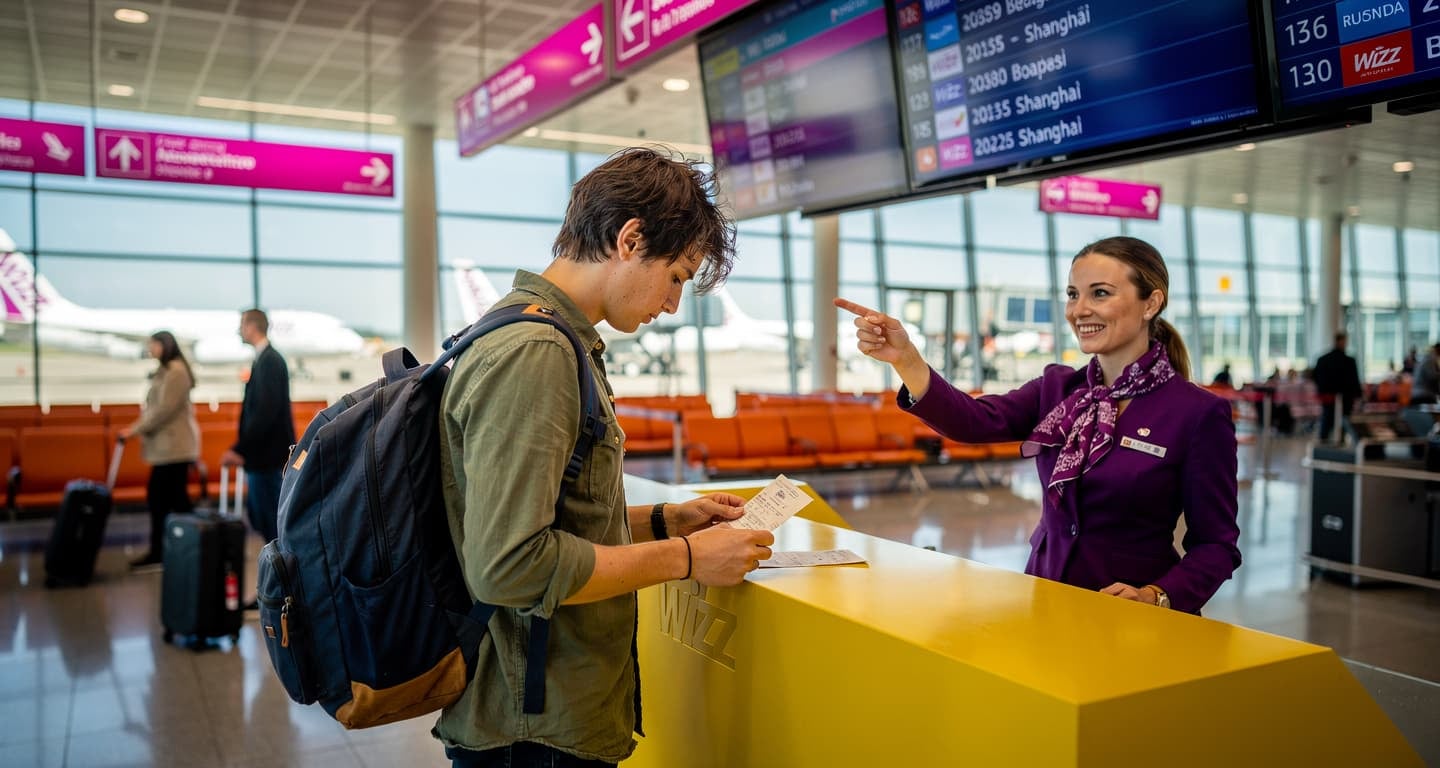
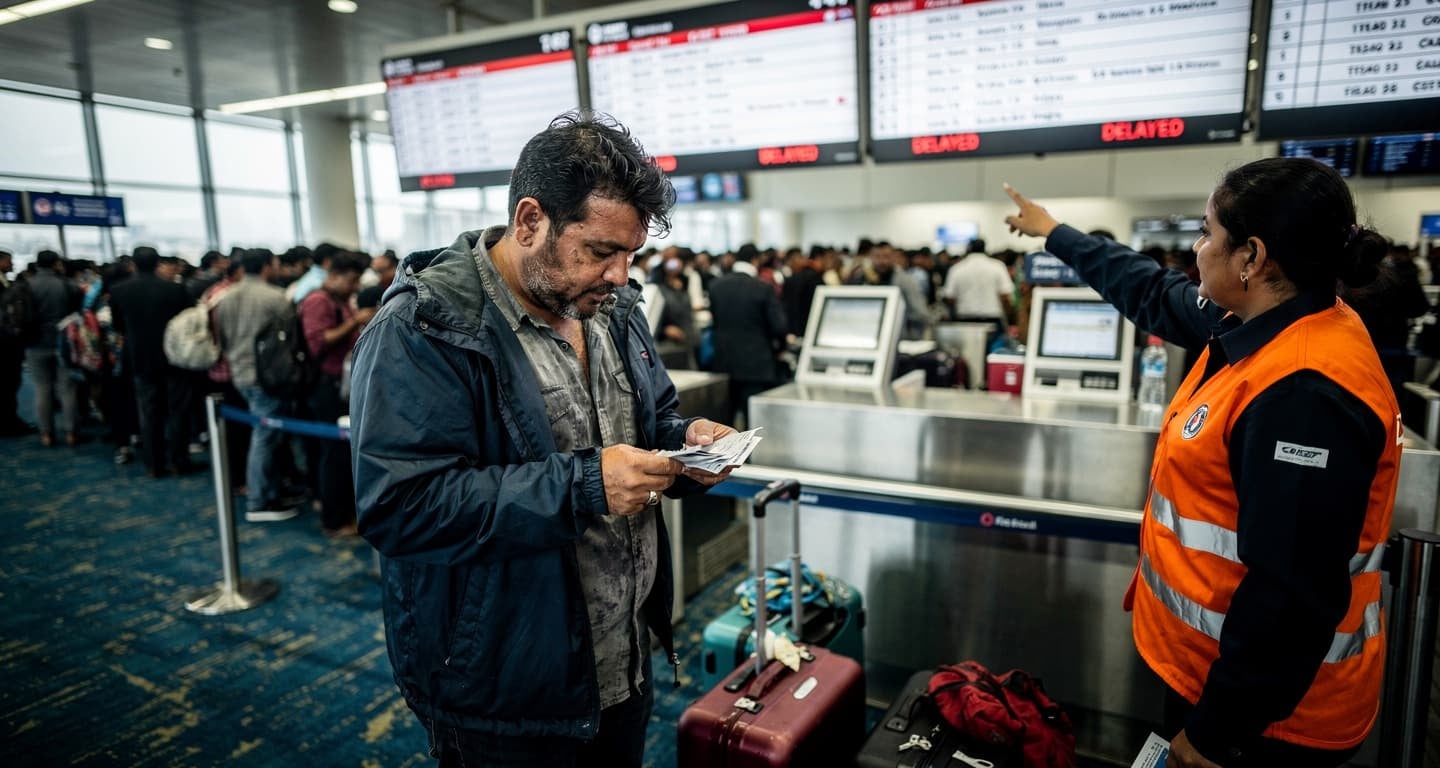
Disruptions began February 27 with 1,400+ delays across Asia-Pacific hubs. Travelers holding bookings on affected routes face last-minute cancellations with 48-hour notice windows shrinking fast.
Southeast Asia’s aviation network is buckling under geopolitical pressure. Batik Air and Malaysia Airlines axed more than 50 flights in late March 2026, stranding passengers across Indonesia and Malaysia as fuel costs spiked to crisis levels. The cancellations hit hardest at Jakarta’s Soekarno-Hatta (CGK), Bali’s Ngurah Rai (DPS), and Kuala Lumpur International (KUL) — three of the region’s busiest connection points.
Singapore Airlines suspended its Singapore-Dubai service (SQ494/495) through March 28, while Scoot pulled Singapore-Jeddah flights entirely. Malaysia Airlines extended its Doha suspension until March 20, leaving travelers scrambling for alternatives on routes that typically carry 14,000+ passengers weekly.
The trigger: escalating conflict between the US, Israel, and Iran pushed jet fuel to $200 per barrel — a price point that makes operating certain routes financially untenable. Airlines responded with a cascade of capacity cuts, surcharges, and re-routing through European hubs that add 4–6 hours to journey times.
Which routes are cut and when service resumes
Batik Air cancelled flights across its Indonesian domestic network, affecting Lombok, Makassar, Palembang, Manado, and Medan. Malaysia Airlines cut Kuala Lumpur-Penang frequencies and suspended Doha service, while Singapore Airlines and Scoot pulled Middle East routes through late March. Industry reports confirm 56 total cancellations concentrated at CGK (104 delays, 7 cancellations on February 27 alone) and KUL (470 delays, 7 cancellations the same day).
The disruption began February 27, 2026, with 1,400+ delays and 93 cancellations across Asia-Pacific hubs. By mid-March, the crisis deepened as fuel surcharges appeared: Air New Zealand cut 1,100 flights and imposed up to NZ$90 surcharges on long-haul routes, signaling that operational pressures extend beyond Southeast Asia.
| Airport/Airline | Delays | Cancellations | Key cause |
|---|---|---|---|
| KUL (Malaysia Airlines) | 470 | 7+ | Fuel costs, Doha suspension |
| CGK (Batik Air) | 104 | 7+ | Domestic capacity cuts |
| SIN (SIA, Scoot) | Data pending | 2 routes | Middle East suspensions |
| DPS (Batik Air) | Data pending | Multiple | Regional network thinning |
For travelers with existing bookings, airlines are offering fee waivers for rebooking. Malaysia Airlines can be reached at +603-7843 3000, Batik Air at +6221-3807099. Check flight status 48 hours before departure — the window for proactive rebooking is narrowing as carriers adjust schedules daily.
Flight deals
most people never see
Our AI monitors 150+ airlines for pricing anomalies that traditional search engines miss. Air Traveler Club members save $650 per trip per person on average: see how it works.
Each deal saves 40–80% vs. regular fares:

How fuel prices turned into flight cancellations
The mechanism is straightforward but brutal. When jet fuel hits $200 per barrel, operating a widebody aircraft on a 7-hour sector costs roughly $85,000 in fuel alone — double the cost at $100 per barrel. Airlines face a choice: absorb losses, raise fares to levels that kill demand, or cut the route entirely.
Southeast Asian carriers chose the third option for Middle East routes, where load factors were already pressured by regional instability. Singapore Airlines and Scoot suspended Dubai and Jeddah services because re-routing via European hubs — while longer — spreads fuel costs across higher-yield connecting traffic. The trade-off: passengers endure 4–6 additional hours in the air and miss direct connections.
This isn’t the first time. In early 2025, similar Middle East tensions forced Singapore Airlines and Scoot to suspend Doha and Dubai flights for two weeks, with capacity re-routed via Europe and fares spiking 15–20% on Asia-Europe legs before normalizing by April. The March 2026 crisis follows the same pattern, but fuel prices are higher and the duration uncertain.
What to do if your flight is affected
Cancellations are hitting travelers with 48-hour notice or less — here is the priority order for protecting your trip.
- Check flight status now: Use airline apps or call Malaysia Airlines (+603-7843 3000) or Batik Air (+6221-3807099). Fee waivers are active for rebooking, but inventory on alternative flights is thinning.
- Avoid Middle East connections through Singapore or Kuala Lumpur: If planning new trips, book direct Europe-Middle East or use Qatar Airways (14 weekly A350s on Kuala Lumpur-Doha) or Emirates (7 weekly A380s) instead of Southeast Asian carriers.
- Build buffer days for Indonesian domestic travel: Batik Air cuts affect Lombok, Makassar, and Medan. If connecting to international flights at CGK or DPS, arrive 24 hours early to absorb potential delays.
- Know your passenger rights: EU/UK departures qualify for EU261/UK261 compensation (up to €600 for delays over 3 hours). US/Canada departures receive refunds within 7 days for cancellations but no cash compensation. Australia/New Zealand travelers are entitled to refunds or rebooking under consumer law.
Watch: The Civil Aviation Administration of China and Japan Civil Aviation Bureau are expected to issue a joint airspace coordination statement by end of March 2026. If released, it signals reduced cascading delays at Shanghai, Tokyo, and Kuala Lumpur. If delayed, expect disruptions through April.

Questions? Answers.
Are flights between Singapore and Europe affected by the fuel crisis?
Direct Singapore-Europe routes remain operational, but fares rose 10–15% in March 2026 due to fuel surcharges. Avoid bookings with Middle East connections through Singapore or Kuala Lumpur until April — those routes are suspended or heavily disrupted.
Can I get compensation if my Southeast Asia flight is cancelled?
EU/UK departures qualify for EU261/UK261 compensation (up to €600 for flights under 3,500km if notified less than 14 days before departure). US/Canada departures receive refunds within 7 days but no cash compensation. Australia/New Zealand travelers are entitled to refunds or rebooking under consumer protection laws.
Which airlines are still flying to the Middle East from Southeast Asia?
Qatar Airways operates 14 weekly A350 flights on Kuala Lumpur-Doha, and Emirates runs 7 weekly A380s on the same route. Singapore Airlines and Scoot suspended Dubai and Jeddah services through March 28, 2026. Use Gulf carriers for Middle East travel instead of Southeast Asian hubs.
How long will the disruptions last?
Current suspensions run through March 28, 2026, but airlines are adjusting schedules daily based on fuel prices. Monitor flight status 48 hours before departure. If the Civil Aviation Administration of China and Japan Civil Aviation Bureau issue a joint airspace coordination statement by end of March, disruptions may ease in April.