Quick summary
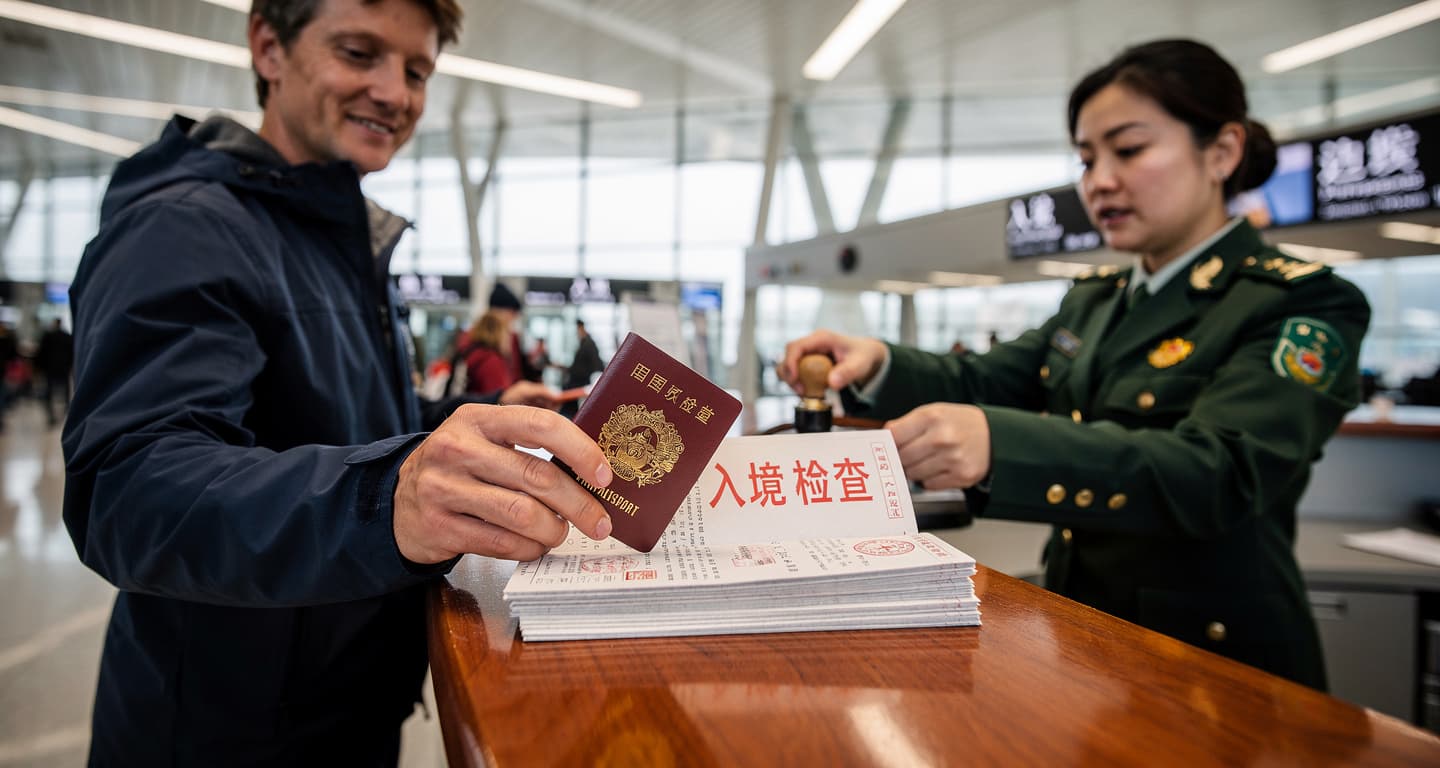
Singapore’s Immigration & Checkpoints Authority implemented a No-Boarding Directive on January 30, 2026, requiring airlines to deny boarding to passengers flagged as inadmissible before departure—not upon arrival at Changi Airport. Airlines verify passport validity (minimum six months), visas, and SG Arrival Card submission using advance passenger information; travelers denied boarding must contact ICA’s Feedback Channel for authorization before rebooking. Non-compliant airlines face fines up to SGD 10,000.
The policy applies to all inbound flights to Changi and Seletar Airports, regardless of traveler nationality or visa-free status. Visa-free US, Canadian, European, Australian, and New Zealand passport holders remain affected if their documents fail the six-month validity threshold or if they’re flagged in ICA’s prohibited traveler database.
Singapore shifted border enforcement upstream on January 30, 2026.
The Immigration & Checkpoints Authority now issues No-Boarding Directives to airlines worldwide, blocking inadmissible passengers at their departure gate rather than at immigration counters in Singapore. Airlines cross-reference passenger manifests, SG Arrival Card submissions, passport scans, and visa records against ICA’s real-time database before allowing anyone to board a Singapore-bound flight.
If you’re flagged—whether for an expired passport, missing visa, incomplete arrival card, or prior immigration violation—you will not board the aircraft.
The change affects every traveler flying into Changi or Seletar Airports, including visa-exempt nationals from the United States, Canada, Australia, New Zealand, and the European Union. Even if you qualify for Singapore’s 90-day visa-free entry, your passport must have at least six months of remaining validity at the time of travel, and your SG Arrival Card must be submitted before check-in.
How the pre-boarding screening works
The No-Boarding Directive uses advance passenger information already collected by airlines—passport details, visa status, and SG Arrival Card data—to screen travelers before they reach the gate. When ICA identifies an inadmissible passenger in the manifest, it sends a directive to the airline, which must then deny boarding.
Airlines are now required to verify three things at check-in: passport validity of at least six months, visa approval for nationals who require one, and confirmation that the traveler submitted an SG Arrival Card. Singapore Airlines, United Airlines, and other carriers serving Changi have integrated ICA’s alert system into their check-in platforms, with staff trained to flag discrepancies before issuing boarding passes.
The official ICA announcement specifies that airlines face strict liability for non-compliance—fines up to SGD 10,000 per violation, with pilots and check-in staff personally liable for penalties of the same amount or up to six months imprisonment. This enforcement structure ensures carriers treat the directive as non-negotiable.
Travelers denied boarding can request authorization through ICA’s Feedback Channel before attempting to rebook. A denial is not a permanent ban, but it does require direct communication with ICA to resolve the flag before any airline will issue a new ticket for flights to Singapore from North America or other regions.
| Requirement | Threshold | Penalty for non-compliance |
|---|---|---|
| Passport validity | Minimum 6 months | Boarding denied |
| SG Arrival Card submission | Before check-in | Boarding denied |
| Visa (if required) | Valid e-Visa or approval | Boarding denied |
| Airline verification failure | Any missed check | SGD 10,000 fine or 6 months jail |
Flight deals
most people never see
Our AI monitors 150+ airlines for pricing anomalies that traditional search engines miss. Air Traveler Club members save $650 per trip per person on average: see how it works.
Each deal saves 40–80% vs. regular fares:

What changed for travelers
Previously, inadmissible travelers reached Singapore’s immigration counters before being turned away. They had already spent $500–$2,000 on a one-way ticket, endured a long-haul flight, and faced the cost and logistical burden of an immediate return journey. The No-Boarding Directive eliminates that scenario by blocking departure entirely.
For travelers, this means the financial loss shifts from a wasted ticket to a denied boarding situation—potentially less expensive, but with no recourse at the airport. If you’re flagged, you cannot board, and the airline cannot override the directive. Your only option is to contact ICA’s Feedback Channel, resolve the issue, and rebook.
Visa-free travelers from the United States, Canada, Australia, New Zealand, and the European Union still qualify for 90-day stays without a visa, but the six-month passport validity rule now carries immediate consequences. Renewing a passport typically takes 6–8 weeks through standard processing (or 2–3 weeks expedited), so travelers with passports expiring within six months of their departure date should begin the renewal process immediately.
For nationals who require a visa—such as Indian citizens—the process remains unchanged: apply through ICA’s e-Services portal, pay the SGD 30 fee, and wait up to three business days for approval. The No-Boarding Directive simply makes the timeline non-negotiable—if the visa isn’t approved before check-in, the airline will not issue a boarding pass.
Verify documents two weeks before departure
The No-Boarding Directive is live, and airlines are enforcing it at check-in counters worldwide.
- Passport validity: Confirm your passport has at least six months of remaining validity from your planned arrival date in Singapore. Renew through your government’s official portal—travel.state.gov for US citizens, dfat.gov.au for Australians—if you’re within the six-month window.
- SG Arrival Card: Submit the card at ica.gov.sg/sgarrivalcard at least 72 hours before departure. Save the confirmation email and bring a screenshot to check-in as backup.
- Visa (if required): Apply at ica.gov.sg/e-services at least two weeks before your flight. The fee is SGD 30, and processing takes up to three business days. Verify approval status 48 hours before departure.
- If denied boarding: Contact ICA’s Feedback Channel at ica.gov.sg/feedback immediately. Include your passport details, flight information, and the reason for denial. Authorization can override the directive, but you must resolve the issue before rebooking.
- Check airline systems: Some carriers—United Airlines, for example—offer document verification tools in their mobile apps. Use these to confirm your passport and visa data match ICA’s records before heading to the airport.
Watch: ICA has not announced whether the No-Boarding Directive will expand to include health documentation or vaccination records. If Singapore reintroduces health screening requirements, the same pre-boarding enforcement mechanism will likely apply.

Questions? Answers.
Does the No-Boarding Directive affect visa-free travelers like Australians?
Yes. Australian passport holders qualify for visa-free entry to Singapore for stays up to 90 days, but the No-Boarding Directive still applies if your passport has less than six months of remaining validity or if you’re flagged in ICA’s prohibited traveler database. Australian passports are valid for 10 years, so travelers with passports expiring within six months of their trip should renew through dfat.gov.au before booking. Airlines verify passport validity at check-in using ICA’s real-time system, and a passport expiring in five months will trigger a boarding denial even though it’s technically still valid.
What happens if my airline ignores the No-Boarding Directive?
Airlines cannot ignore the directive—strict liability penalties make non-compliance financially and legally untenable. Carriers like Singapore Airlines and United Airlines have integrated ICA’s alert system into their check-in platforms, and staff are trained to flag discrepancies before issuing boarding passes. If an airline boards a passenger flagged by ICA, the carrier faces a fine of up to SGD 10,000, and the individual staff member who processed the check-in can be fined the same amount or face up to six months imprisonment. This enforcement structure ensures airlines treat the directive as non-negotiable.
How does Singapore’s No-Boarding Directive compare to the US ESTA pre-screening system?
Both systems use advance passenger information to screen travelers before departure, but the enforcement timing differs. The US Electronic System for Travel Authorization (ESTA) requires approval at least 72 hours before departure, and denials are communicated directly to the traveler through the ESTA portal. Singapore’s No-Boarding Directive operates in real-time at check-in—ICA sends the denial to the airline, not the passenger, and the first notification you receive is when the gate agent refuses to issue your boarding pass. Verify your Singapore entry requirements at ica.gov.sg alongside your ESTA status at esta.cbp.dhs.gov if you’re transiting through the US en route to Singapore.
Does the No-Boarding Directive apply to passengers transiting through Singapore without entering the country?
No. The directive targets travelers seeking entry into Singapore, not passengers remaining airside during a connection. If you’re transiting through Changi Airport without passing through immigration—for example, connecting from a United Airlines flight to a Singapore Airlines onward service—you are not subject to the No-Boarding Directive. However, if you’re flagged in ICA’s prohibited traveler database for reasons unrelated to entry requirements, the directive may still apply. Pure airside transits are generally exempt unless the traveler has a specific prohibition on file.
Can I appeal a No-Boarding Directive denial at the airport?
No. The airline cannot override the directive, and airport staff have no authority to reverse ICA’s decision. If you’re denied boarding, your only recourse is to contact ICA’s Feedback Channel at ica.gov.sg/feedback before attempting to rebook. Include your passport details, flight information, and the reason for denial in your message. ICA can issue authorization that overrides the directive, but this process happens outside the airport—there is no on-the-spot appeal mechanism. A denial is not a permanent ban, but you must resolve the issue with ICA before any airline will issue a new boarding pass for a Singapore-bound flight.