Quick summary
Three passengers injured aboard Singapore Airlines flight SQ321 have filed a personal injury claim at the UK High Court against the carrier, nearly one year after the May 21, 2024 incident killed one passenger and hospitalized 104 others over Myanmar. Bradley Richards, Benjamin Read, and Alison Read — represented by Keystone Law — are pursuing damages that could exceed the Montreal Convention’s approximate £128,000 per-passenger liability ceiling if the court finds Singapore Airlines failed to take all reasonable precautions.
Singapore Airlines has not yet responded to the claim. Preliminary investigation analysis suggests the captain had access to convective weather data before the turbulence struck — a detail now central to the negligence argument.
A UK High Court personal injury claim against Singapore Airlines marks the first major turbulence-injury litigation in British courts in a generation — and the legal theory at its core could reshape how airlines handle meal service and seatbelt protocols on long-haul routes worldwide.
The three claimants were aboard SQ321 on May 21, 2024, when the Boeing 777-300ER dropped approximately 178 feet in just over four seconds over Myanmar, with vertical acceleration swinging from −1.5G to +1.5G. Passengers not wearing seatbelts were thrown into the cabin ceiling. 104 people were hospitalized after an emergency diversion to Bangkok Suvarnabhumi Airport; Geoff Kitchen, a 73-year-old British grandfather, died from a suspected heart attack during the event.
Bradley Richards, 31, suffered multiple spinal fractures, a spinal epidural hematoma, and a head laceration requiring 20 stitches — injuries he feared could end his career as a telecoms engineer. Benjamin Read sustained neck injuries; his wife Alison suffered a concussion that led to a seizure. Their two-year-old son, flung backward during the drop, was found uninjured.
Singapore Airlines had previously offered $10,000 to passengers with minor injuries and $25,000 in advance payments to those requiring long-term care, describing these as partial payments toward final settlements. The High Court filing signals the claimants consider those figures inadequate given the documented severity of their injuries.
What the lawsuit actually argues — and why the seatbelt sign matters
The legal mechanism here is not EU261 compensation. The claimants are pursuing damages under UK tort law — specifically negligence — which requires proving Singapore Airlines failed to take reasonable precautions against a foreseeable risk. That is a meaningfully different and higher bar than a delayed-flight claim, but it carries no compensation ceiling if the airline cannot demonstrate it acted reasonably.
Under the Montreal Convention, airlines face strict liability for bodily injury on international flights up to approximately 128,821 Special Drawing Rights — roughly £128,000 or US$175,000 at current rates. Beyond that threshold, courts can award additional damages if the airline cannot prove it took all reasonable measures. The claimants’ legal team at Keystone Law is almost certainly targeting that upper tier.
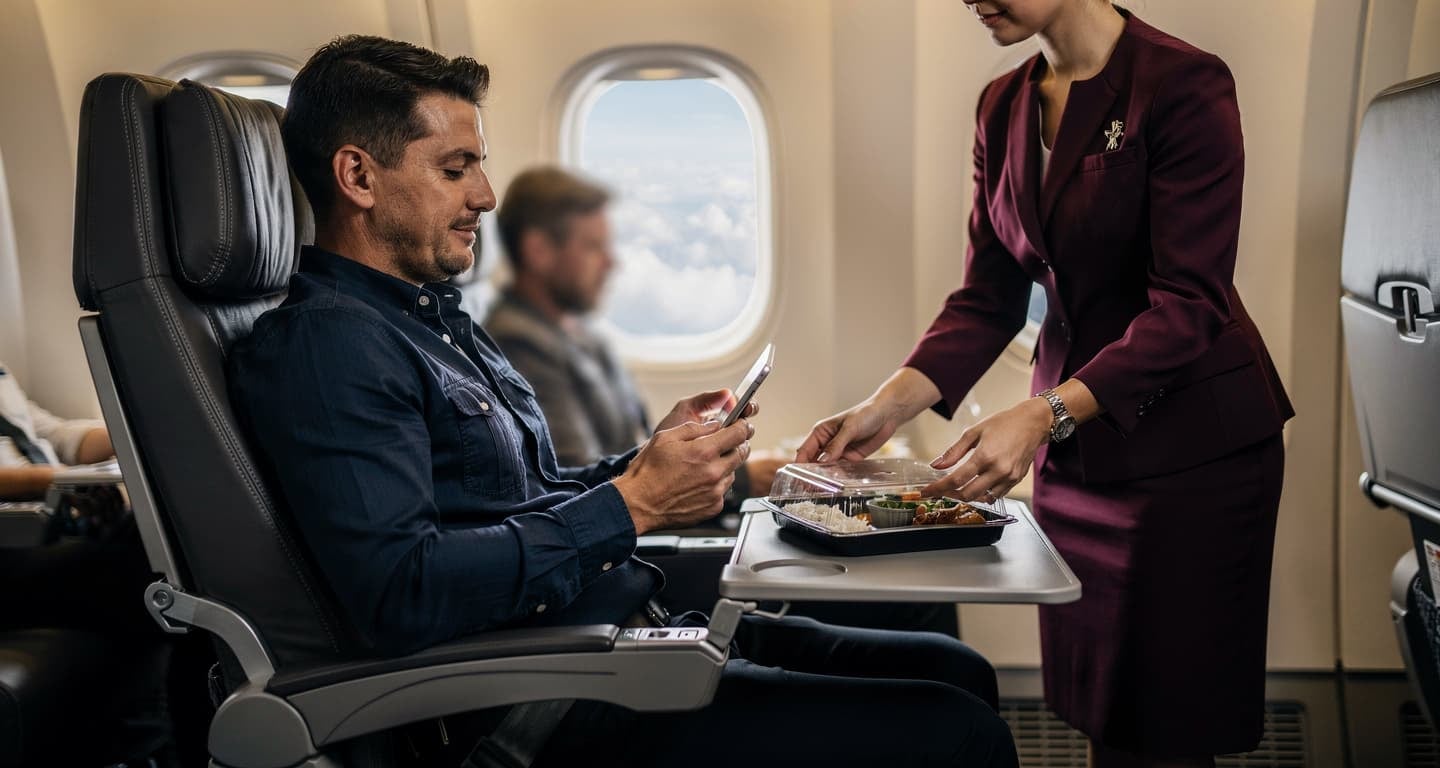
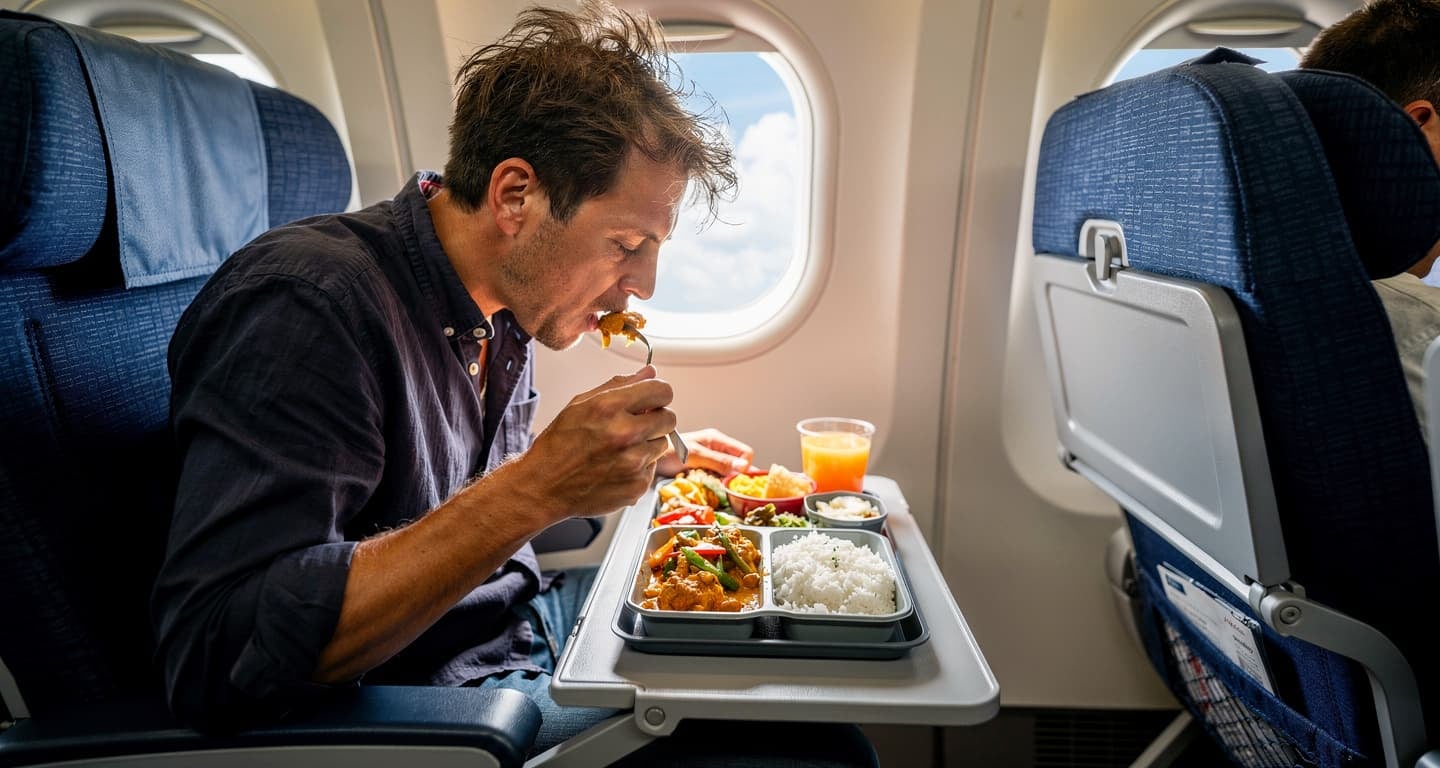
Preliminary investigation analysis, as cited in reports, suggested the captain should have ordered crew and passengers to be strapped in rather than allowing meal service to continue, given extensive convective activity visible on radar near the flightpath. Satellite imagery reportedly showed thunderstorm development over Myanmar for more than 80 minutes before SQ321 encountered turbulence. That timeline is the lawsuit’s sharpest edge.
The turbulence itself was classified as sudden clear-air turbulence — the kind that does not appear on standard onboard weather radar and gives no visual warning. Investigators confirmed the seatbelt sign was illuminated at the time of the incident, but the question of whether crew should have suspended meal service and enforced seatbelt compliance remains central to the Air Accidents Investigation Branch inquiry. Full flight data and the documented G-force sequence from the flight data recorder are expected to feature prominently in court proceedings.
| Date | Event | Impact |
|---|---|---|
| May 21, 2024 | SQ321 encounters severe turbulence over Myanmar; aircraft drops ~178 ft in 4 seconds | 1 fatality, 104 hospitalized, 20+ requiring intensive care or surgery |
| May 22, 2024 | Singapore Airlines CEO apologizes; offers full fare refunds and SGD $1,000 per passenger for immediate expenses | Airline pledges full cooperation with investigation |
| May 29, 2024 | AAIB releases interim findings; confirms G-force sequence and altitude changes; no aircraft maintenance faults found | Turbulence classified as sudden clear-air; seatbelt sign confirmed illuminated |
| 2024–2025 | Singapore Airlines offers $10,000 (minor injuries) and $25,000 advance payments (serious injuries) to passengers | Described as partial payments toward final settlements |
| May 2026 | Bradley Richards, Benjamin Read, and Alison Read file personal injury claim at UK High Court via Keystone Law | First UK High Court turbulence-injury litigation; Singapore Airlines has not yet responded |
| Q3 2026 (expected) | AAIB final investigation report due | Conclusions on ICAO Annex 6 compliance will directly affect litigation and potential regulatory action |
Flight deals
most people never see
Our AI monitors 150+ airlines for pricing anomalies that traditional search engines miss. Air Traveler Club members save $650 per trip per person on average: see how it works.
Each deal saves 40–80% vs. regular fares:

Why this case is different from every turbulence lawsuit before it
SQ321 is the first turbulence-related fatality in civil aviation in approximately 25 years. Neither the Air Canada Flight 143 turbulence event over Japan in 1983 — which injured 23 passengers — nor the United Airlines Flight 826 Pacific turbulence incident in 1992, which hospitalized 48, produced major litigation or regulatory change. Both were absorbed by the industry as operational hazards. SQ321 will not be.
The difference is the weather data trail. Previous severe turbulence events were genuinely unforeseeable — no radar signature, no satellite warning, no prior indication. Here, the argument is that convective storm development was visible for over an hour before impact. That transforms the legal question from “could this have been avoided?” to “why wasn’t it?” Courts handle the second question very differently.
For travelers on long-haul routes — particularly the LHR–SIN corridor and comparable routes through Southeast Asian convective weather zones — the downstream effects of a damages award could be tangible: stricter seatbelt enforcement during cruise, delayed or suspended meal services when thunderstorm activity is detected ahead, and potentially higher fares as insurance costs adjust. None of that is confirmed yet. But the industry is watching this case precisely because it is the first time a UK court will rule on whether a turbulence injury was preventable.
Steps for SQ321 passengers and future LHR–SIN travelers
The UK limitation period for personal injury claims expires May 21, 2027 — three years from the incident date — leaving a closing window for any SQ321 passenger who has not yet filed.
- If you were injured on SQ321 and have not filed a claim: The three-year UK limitation period runs until May 21, 2027. Contact a personal injury solicitor experienced in aviation claims — Keystone Law is already representing three claimants in this action. Do not assume Singapore Airlines’ advance payments preclude further legal action; they were explicitly described as partial payments toward final settlements.
- Understand what Montreal Convention liability actually covers: Strict liability applies up to approximately £128,000 per passenger for bodily injury on international flights. Courts can award beyond that if the airline cannot prove it took all reasonable measures — which is precisely what this lawsuit tests.
- For future LHR–SIN bookings: Keep your seatbelt fastened throughout the flight, including during meal service. The seatbelt sign was illuminated during the SQ321 event. That is not a suggestion — it is the one action that determined who was injured and who was not.
- AU/NZ passengers with SQ321 injuries: Australian Consumer Law and the New Zealand Civil Aviation Act may provide separate legal avenues if negligence can be established. Consult an aviation law specialist in your jurisdiction before the relevant limitation periods expire.
- Monitor the AAIB final report: Expected Q3 2026. If it concludes Singapore Airlines did not comply with ICAO Annex 6 weather protocols, it will carry significant weight in the High Court proceedings and may trigger formal regulatory action by the UK CAA.
Watch: The AAIB final report — expected Q3 2026 — could conclude that Singapore Airlines did not comply with ICAO Annex 6 weather briefing requirements. If it does, expect CAAS to issue formal safety recommendations and the High Court case to accelerate. A judgment is anticipated in late 2026 or early 2027; if damages are awarded beyond the Montreal Convention ceiling, similar claims from other SQ321 passengers become significantly more viable, with potential total exposure to Singapore Airlines estimated at GBP 5–15 million.

Questions? Answers.
Does EU261 or UK261 compensation apply to SQ321 turbulence injuries?
No. EU261/2004 and UK261 cover flight delays and cancellations — turbulence injuries are classified as extraordinary circumstances beyond airline control under those regulations. The three claimants are pursuing damages under UK tort law (negligence), not passenger rights compensation. These are separate legal frameworks with different standards of proof and different compensation outcomes.
What is the Montreal Convention, and how does it affect what passengers can claim?
The Montreal Convention is the international treaty governing airline liability for passenger injury and death on international flights. It imposes strict liability — meaning passengers do not need to prove fault — up to approximately 128,821 Special Drawing Rights (roughly £128,000 or US$175,000). Beyond that ceiling, courts can award additional damages if the airline cannot prove it took all reasonable measures to prevent the harm. The SQ321 claimants are likely targeting that upper tier given the severity of their documented injuries.
Can other SQ321 passengers still file claims?
Yes, if they were injured and have not yet settled. The UK limitation period for personal injury claims is three years from the date of the incident — meaning the deadline is May 21, 2027. Passengers who accepted Singapore Airlines’ advance payments ($10,000 for minor injuries, $25,000 for serious injuries) should verify whether those payments included a full release of future claims, as the airline described them as partial payments toward final settlements.
What is clear-air turbulence, and can airlines detect it?
Clear-air turbulence occurs at altitude without visible cloud or weather indicators and cannot be detected by standard onboard weather radar. It is typically caused by jet stream wind shear. The SQ321 turbulence was classified as sudden clear-air turbulence — but the legal argument in this case is not that the turbulence itself was detectable, but that the convective storm development in the region was visible on satellite imagery for over 80 minutes before impact, and that the captain should have ordered seatbelts and suspended meal service as a precaution.