Quick summary
Southeast Asian travelers face unexpected fees on Singapore Airlines, AirAsia, and Scoot in 2026, including $46 phone booking charges, $4.40–7.30 counter check-in fees, and extra payments to avoid middle seats. These unbundled services, once included in ticket prices, now require travelers to scrutinize total costs beyond base fares as airlines shift toward ancillary revenue models that can add 10–20% to advertised prices.
Hub airport fees at Singapore Changi and Narita compound the issue, while low-cost carriers operating nearly half of Southeast Asia’s seat capacity use AI-driven pricing to maximize seat selection and service charges. International travelers to the region encounter similar add-ons plus fixed per-passenger hub surcharges.
Airlines unbundle services as fuel costs reshape pricing
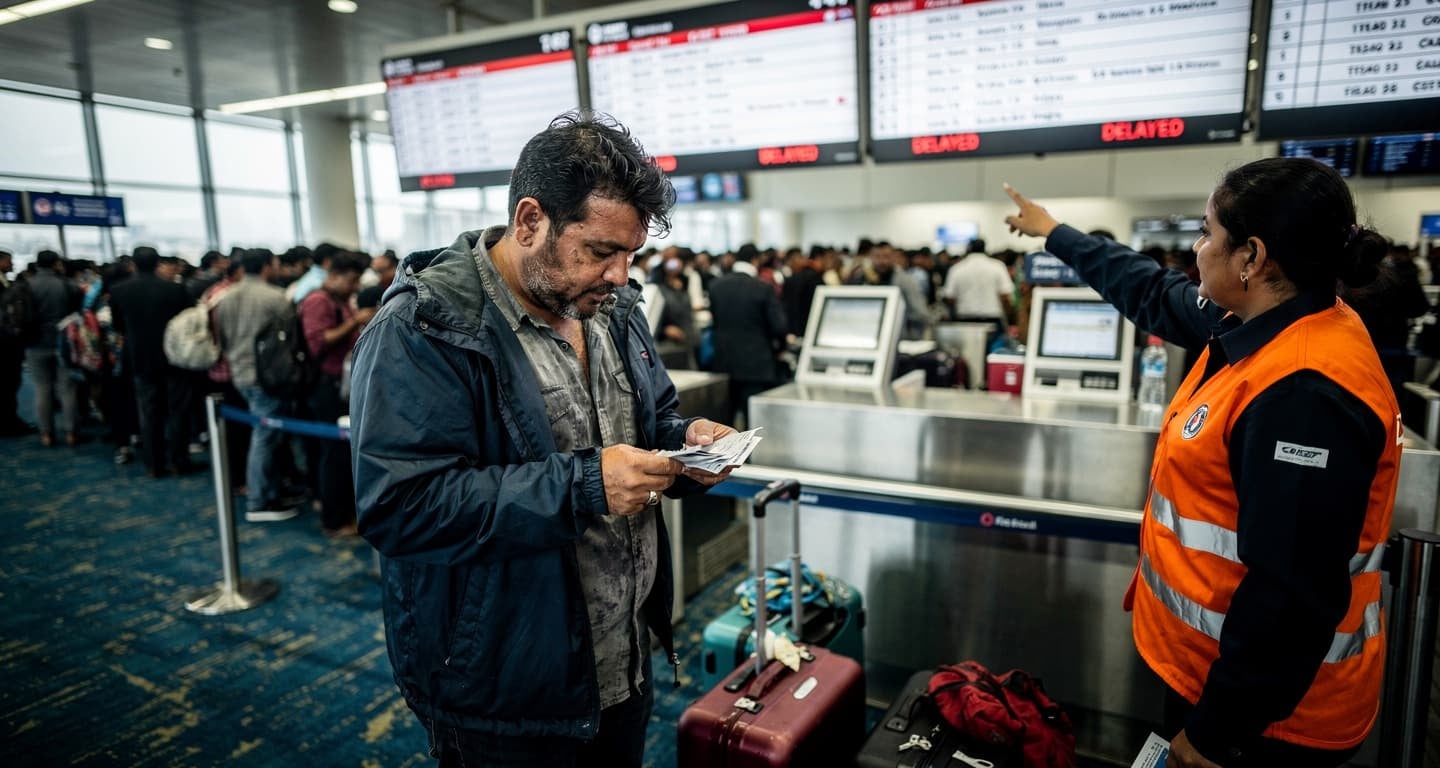
Major carriers serving Southeast Asia have accelerated the shift toward fee-based services in 2026, moving costs once absorbed in ticket prices into separate charges applied during booking or at airports. Singapore Airlines now imposes fees up to $46 for phone reservations, while budget operator AirAsia charges $4.40–7.30 for airport counter check-ins across its network.
The unbundling extends to seat selection, with Scoot and Jetstar Asia requiring extra payment to avoid middle seats on intra-Asia routes. China Airlines and SpiceJet levy name correction fees, and select Singapore Airlines departures add credit card surcharges to the final bill.
Travelers now confront decisions about which conveniences justify the cost. A Bangkok–Singapore round trip advertised at $80–120 can climb to $110–170 once seat selection, baggage, and check-in fees are added — a 20–40% increase that reshapes budget calculations for both leisure and essential travel.
Asian hubs like Singapore Changi have increased passenger service charges to fund terminal upgrades, adding fixed per-passenger costs on top of airline fees. These hub surcharges, combined with fuel surcharges updated monthly or bi-monthly on routes to Japan and other destinations, contribute to opaque total costs that complicate fare comparisons for budget-conscious travelers.
| Carrier | Fee type | Amount (USD) | Avoidance method |
|---|---|---|---|
| Singapore Airlines | Phone booking | Up to $46 | Book online at singaporeair.com |
| AirAsia | Counter check-in | $4.40–7.30 | Web check-in 48h prior via app |
| Scoot | Middle seat avoidance | $15–25 | Pre-select seats during booking |
| Jetstar Asia | Seat selection | $10–20 | Bundle seats with fare purchase |
| China Airlines | Name correction | $100+ | Verify passenger details before payment |
Flight deals
most people never see
Our AI monitors 150+ airlines for pricing anomalies that traditional search engines miss. Air Traveler Club members save $650 per trip per person on average: see how it works.
Each deal saves 40–80% vs. regular fares:

Revenue protection drives fee expansion across carrier types
The fee proliferation reflects airlines’ response to cost pressures that have reshaped Southeast Asian aviation economics. Historical patterns show carriers in the region expanded unbundled fees for baggage and seats as fuel costs rose, boosting ancillary revenue to 40–50% of total income and allowing capacity growth without base fare hikes.
Low-cost carriers operating nearly half of Southeast Asia’s scheduled seat capacity use AI-driven dynamic pricing for seats and phone add-ons, signaling to competitors to match without capacity cuts. This revenue protection strategy counters fuel volatility — jet fuel prices more than doubled from $93.45 per barrel in late February to over $240 by late March, forcing carriers to shift fixed costs like meals and seats to opt-in services.
Full-service carriers like Singapore Airlines have adopted tactics pioneered by budget operators, protecting margins by 15–20% without alienating price-sensitive travelers in Southeast Asia’s high-demand market. The shift toward ancillary revenue targets of 45–50% allows airlines to maintain load factors above 85% on intra-Asia routes while absorbing fuel surcharges and hub infrastructure fees.
What to do
Southeast Asian carriers now require travelers to actively manage booking channels and service selections to avoid fees that can inflate advertised fares by 20% or more.
- Book exclusively online: Use airline websites or apps directly — singaporeair.com for Singapore Airlines, airasia.com for AirAsia, flyscoot.com for Scoot — to bypass phone booking fees up to $46 and counter check-in charges of $4.40–7.30.
- Enable web check-in 48 hours prior: Set reminders to check in via airline apps exactly when the window opens to avoid mandatory counter fees at Southeast Asian airports.
- Pre-select seats during initial booking: Bundling seat selection with fare purchase costs less than adding it later, particularly for families needing grouped seating on Jetstar or Scoot where per-seat charges run $10–20.
- Compare total costs, not base fares: Calculate final price including baggage, seats, and check-in fees before committing — a $90 base fare with $35 in add-ons loses to a $115 bundled fare.
- Verify passenger details before payment: Name correction fees from carriers like China Airlines exceed $100 per change, making pre-purchase verification essential for group bookings.
Watch: Industry analysts predict that if ancillary revenue exceeds 45% of total carrier income in Southeast Asia, similar unbundling will spread to North American and European low-cost carriers by 2027.

Questions? Answers.
Do full-service carriers like Singapore Airlines charge the same fees as budget airlines?
Singapore Airlines charges up to $46 for phone bookings and credit card surcharges on select departures, but includes meals and baggage in base fares. Budget carriers like AirAsia and Scoot charge $4.40–7.30 for counter check-ins and extra for seat selection, with no included services. Total costs often converge once all fees are added.
Can I avoid middle seat fees on Scoot and Jetstar Asia?
No — both carriers require payment for specific seat selection, including avoiding middle seats. The only way to skip this fee is accepting random seat assignment at check-in, which may place you in a middle seat anyway. Pre-selecting seats during booking costs less than adding them later.
Are hub airport fees at Singapore Changi refundable if I cancel my flight?
No. Passenger service charges at Changi and other Asian hubs are collected by airlines but remitted to airport authorities as regulatory fees. These charges are non-refundable even if you cancel your ticket, though some airlines may waive them if you rebook within their fare rules.
How do I know the total cost before booking a Southeast Asian flight?
Proceed through the airline’s booking flow to the payment page without completing purchase — this reveals all mandatory fees including baggage, seats, and check-in charges. Compare this final total across carriers, not just the advertised base fare. Understanding budget airline pricing structures helps identify which fees are avoidable.