Quick summary
Samoa experiences petty theft and residential break-ins, particularly around Apia, and recurring power outages that disrupt ATMs, telecommunications, and medical facilities. Police response outside Apia is limited, with village authorities maintaining order. Violent crime is rare, but sexual assaults have been reported near downtown bars.
Power cuts can leave travelers without card payment systems or mobile coverage for hours. This article covers crime patterns, infrastructure vulnerabilities, and the specific steps to secure lodging and maintain contingency access to cash and offline navigation.
Travelers to Samoa face a dual risk profile: opportunistic crime concentrated in urban Apia and infrastructure fragility that can strand visitors without power, telecoms, or functioning payment systems. While overall crime levels remain low, petty theft, residential break-ins, and rare but documented sexual assaults occur, especially near the capital’s nightlife district.
The practical challenge is not crime severity but response capacity. Police in Apia generally respond quickly, but outside the capital, village authorities maintain order, and formal law enforcement may take hours to arrive. For travelers staying in rural guesthouses or beach fales, this means delayed incident reporting and complications with insurance claims.
Power outages compound the problem. Samoa’s grid is vulnerable to weather disruptions, and when the system fails, ATMs go offline, card terminals stop working, and mobile networks become patchy. Medical facilities — already thin outside Apia — shift to backup generators, and transport coordination becomes difficult. The combination of crime exposure and infrastructure brittleness makes advance planning and on-the-ground contingency non-negotiable.
Crime patterns and police coverage gaps
Samoa’s crime environment is shaped by geography and governance. Apia, the capital on Upolu island, concentrates most commercial activity, nightlife, and formal policing. Petty theft, pickpocketing, and vehicle break-ins occur in tourist areas, markets, and near bars. The UK government Samoa safety and security guidance confirms low serious crime levels but warns of opportunistic theft targeting unattended belongings.
Sexual assaults, though rare, have been reported near downtown Apia’s bar district. Travelers using nightlife venues should arrange hotel-coordinated taxis and avoid walking alone after midnight. The risk is not systemic violence but isolated incidents in poorly lit areas with limited bystander presence.
Outside Apia, police presence thins dramatically. Village councils and chiefs maintain order, and travelers involved in disputes or thefts may need to engage customary justice processes before obtaining a formal police report. This delays evidence collection and complicates insurance claims. For visitors staying in rural areas or on Savai’i, the practical implication is that self-protection measures — locked doors, secured valuables, and situational awareness — become primary defenses.
| Location | Crime type | Police response | Traveler impact |
|---|---|---|---|
| Apia downtown | Petty theft, pickpocketing | Quick (formal police) | Moderate — secure belongings, use hotel safes |
| Apia nightlife district | Rare sexual assaults, drunken fights | Quick (formal police) | High — use hotel taxis, avoid solo walking after midnight |
| Rural Upolu / Savai’i | Residential break-ins, vehicle theft | Slow (village authorities first) | High — lock doors, park in lit areas, expect delayed reporting |
| Beaches / markets | Unattended belongings theft | Variable | Moderate — never leave valuables unattended |
Scams targeting tourists — inflated taxi fares, overcharging at markets, and tour operator price gouging — are common near the airport and in tourist districts. Confirm prices before services begin and use hotel-recommended operators when possible.
Flight deals
most people never see
Our AI monitors 150+ airlines for pricing anomalies that traditional search engines miss. Air Traveler Club members save $650 per trip per person on average: see how it works.
Each deal saves 40–80% vs. regular fares:

Infrastructure fragility and outage impact
Samoa’s power grid is centralized on Upolu and vulnerable to cyclones, heavy rain, and equipment failures. When outages occur, the effects cascade: ATMs stop dispensing cash, card payment terminals go offline, mobile networks lose coverage, and water pumps fail. The main hospital in Apia — Tupua Tamasese Meaole Hospital — shifts to backup generators, but district hospitals on Savai’i have limited capacity and may suspend non-emergency services.
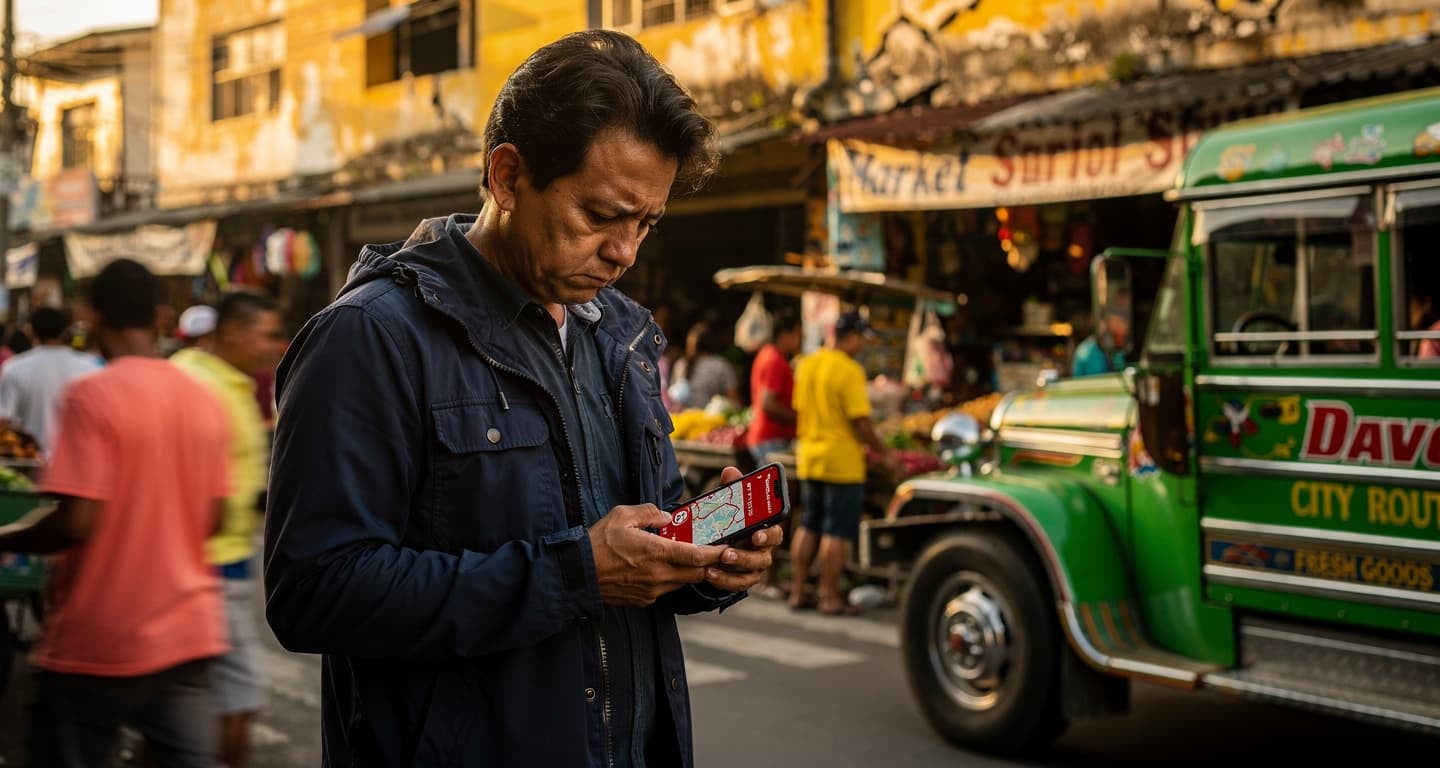
For travelers, the practical consequence is loss of payment access and communication. A power cut lasting six hours can leave visitors unable to pay for meals, book transport, or contact their accommodation. Offline maps and printed booking confirmations become essential, as does carrying at least two days of cash reserves.
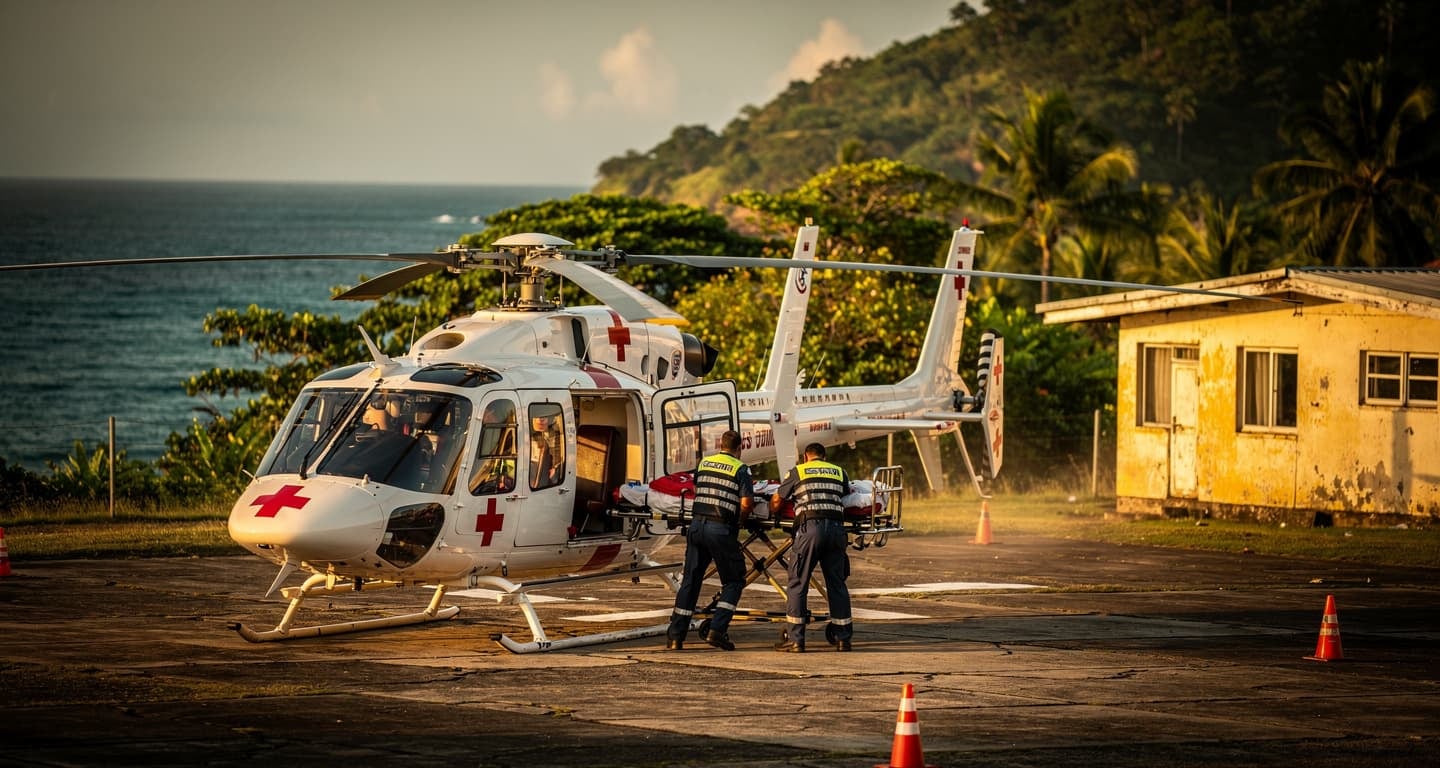
Medical infrastructure is thin. Apia has private clinics for minor issues, but serious cases require evacuation to New Zealand or Australia. A medical evacuation costs $50,000 to $80,000 — assuming aircraft can land and the patient is stable enough for transport. Comprehensive travel insurance with evacuation coverage is non-negotiable for Samoa.
Road conditions worsen during outages. Street lighting fails, traffic signals go dark, and poorly maintained roads become hazardous at night. Wandering livestock and narrow lanes compound the risk. Travelers should avoid driving after dark and confirm their accommodation has backup lighting and generator capacity if they have medical or refrigeration needs.
For those planning flights to Samoa from Europe, the infrastructure reality means building contingency into every stage of the trip — from airport transfers to inter-island ferries.
Securing your trip before and during outages
Power and telecom disruptions are not hypothetical — they are recurring events that strand travelers without payment access or communication. The priority is redundancy: multiple ways to pay, navigate, and contact help.
- Book security-conscious lodging: Choose hotels in Apia or main tourist areas with in-room safes, 24-hour reception, and backup generators. Store passports and most cash in the safe; carry only daily spending money.
- Carry cash reserves: Withdraw at least two days of expenses in Samoan tala upon arrival. ATMs and card terminals fail during outages, and rural areas may take days to restore service.
- Download offline maps: Google Maps allows offline area downloads. Save Apia, your accommodation area, and main roads on Upolu and Savai’i before leaving your hotel.
- Print or screenshot bookings: Accommodation, ferry, and domestic flight confirmations should exist in non-digital form. Mobile networks become patchy during power cuts.
- Verify insurance evacuation coverage: Confirm your policy covers medical evacuation to New Zealand or Australia and includes a 24-hour emergency contact number that works via satellite phone if local networks fail.
Watch: Samoa’s cyclone season runs November through April, with peak risk in January and February. Outages spike during this period, and ferry services to Savai’i may suspend operations for days.

Questions? Answers.
How can solo female travelers reduce risk around Apia’s nightlife area?
Prioritize well-reviewed central hotels, use hotel-arranged taxis door-to-door at night, and avoid isolated bars and unlit streets. Keep hotel staff informed of your movements. If uncomfortable, shift to daytime social activities and resort-based entertainment rather than downtown nightlife. The risk is not systemic but concentrated in poorly lit areas after midnight.
What should I do if a power outage disrupts my flight or ferry connection in Samoa?
Confirm schedules directly with airlines or ferry operators via phone or in-person at their offices. Do not rely on mobile apps or online booking systems during outages. Maintain flexibility in your itinerary — inter-island ferries to Savai’i may suspend operations during storms, and domestic flights can be delayed if airport systems lose power. Carry printed booking confirmations and at least one day of extra cash for extended delays.
Are upscale resorts on Upolu or private islands safer from crime and outages?
Yes. Generator-equipped resorts with controlled access and 24-hour security substantially reduce exposure to petty theft and service disruptions compared to budget guesthouses or village stays. These properties maintain backup power for lighting, refrigeration, and communications, and their security protocols limit opportunistic crime. The trade-off is cost — expect to pay $200–$400 per night for this level of infrastructure resilience.
What happens if I need police assistance in a rural village?
You will likely need to engage the village council or chief first, as formal police presence outside Apia is limited. This can delay incident reporting by 12–24 hours and complicate evidence collection for insurance claims. Bring a local contact or your accommodation manager to help navigate customary justice processes. Obtain a written police report as soon as formal officers arrive — insurers require this documentation.
Is it safe to drive at night in Samoa during or after storms?
No. Roads are narrow, poorly maintained, and poorly lit even in normal conditions. During or after storms, street lighting fails, traffic signals go dark, and wandering livestock increase collision risk. Avoid driving after dark entirely. If you must travel at night, use a hotel-arranged driver familiar with local road conditions and livestock patterns.