Quick summary
Qantas flight QF21, a Boeing 787-9 operating the Melbourne–Dallas Fort Worth route, diverted to Papeete, Tahiti on Friday, May 15 after a passenger allegedly bit a flight attendant mid-flight. Fellow passengers helped restrain the man, sedatives were administered but proved ineffective, and local police met the aircraft at Fa’a’ā International Airport to remove him. The flight arrived in Dallas 3 hours and 23 minutes late, and Qantas has issued the passenger a permanent no-fly ban.
Most passengers on board missed their onward connections at Dallas–Fort Worth. Video of the restraint has circulated widely, and the incident is confirmed by ACARS cockpit communications.
A single passenger turned one of Qantas‘s longest routes into a crisis on Friday, May 15 — and the consequences rippled through dozens of itineraries built around tight Dallas connections.
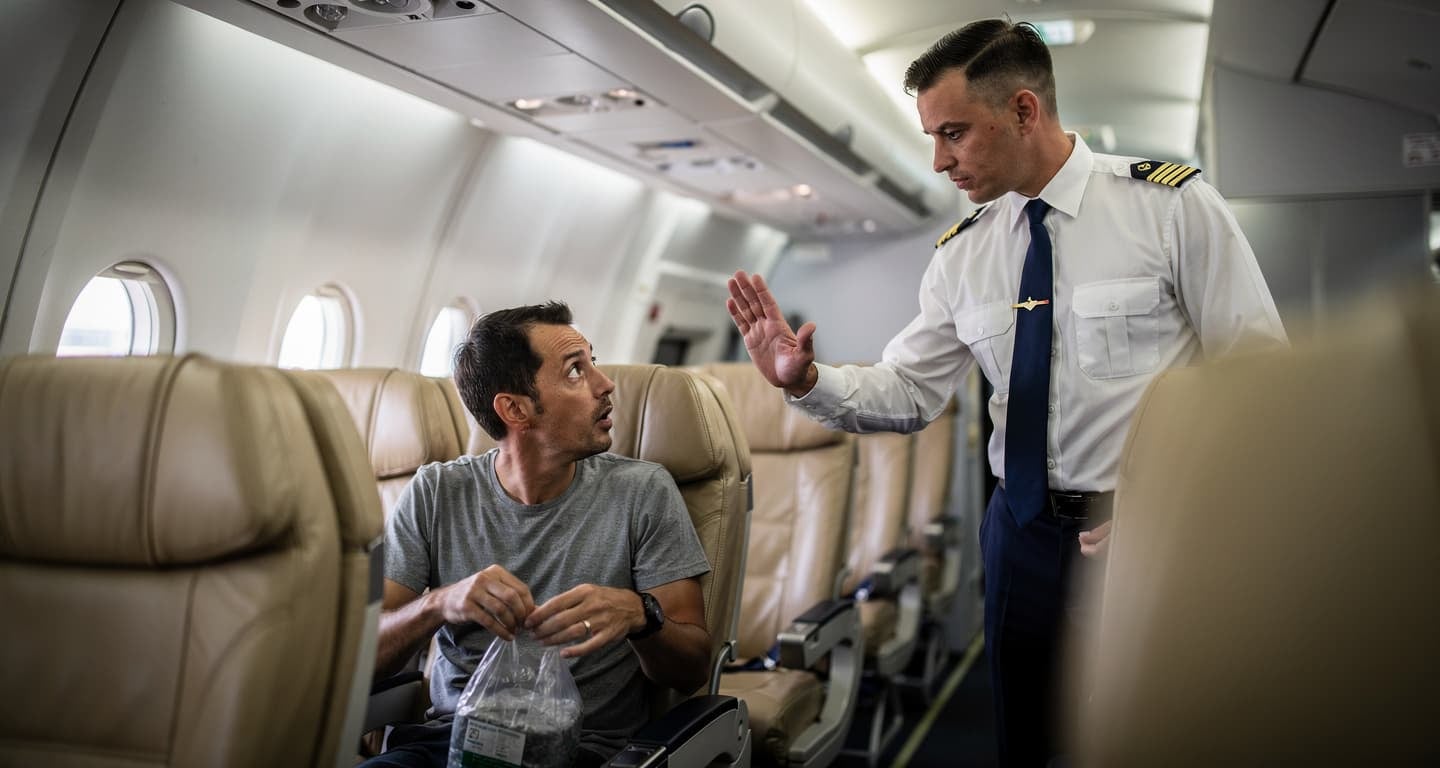
QF21 departed Melbourne bound for Dallas–Fort Worth with a Boeing 787-9, registration VH-ZNB, when the incident escalated to the point where the captain diverted to Papeete. The passenger, reported to be a New Zealand national, allegedly bit a flight attendant. Crew attempted to administer sedatives; they had no effect. Other passengers physically helped restrain the man. An ACARS message to the cockpit confirmed the biting and the passenger-assisted takedown — that kind of crew-to-cockpit communication is not routine, and it tells you how serious the situation was.
Qantas confirmed the diversion, the removal of the passenger by Tahitian police, and the subsequent continuation to Dallas. The airline reiterated its zero-tolerance policy for threatening or disruptive behaviour and confirmed a total no-fly ban on the individual.
For the passengers on board, the three-plus hours lost in Papeete meant most missed their connecting flights at Dallas–Fort Worth International Airport. On a long-haul bank like DFW, that can cascade into 12–24 hours of additional delay, overnight hotel stays, and baggage that arrives on a different flight than you do.
What happened on QF21 — and what it means for your connection
The sequence of events is now well-documented. The passenger became disruptive during the flight, bit a crew member, and resisted sedation. Fellow passengers intervened physically to assist cabin crew in restraining him — a scenario that ICAO Circular 288 protocols anticipate but that remains deeply unsettling when it happens on your flight. The captain made the call to divert to Papeete, the closest viable airport with law enforcement capacity, rather than continue with an unrestrained and unresponsive passenger on board.
After landing at Fa’a’ā International Airport, police boarded, removed the passenger, and the aircraft refuelled. Qantas confirmed the flight then continued to Dallas, arriving 3 hours and 23 minutes late. The aircraft turned around and departed Dallas back to Melbourne less than three hours after arrival — the rotation continued, but the passengers left behind at DFW faced a different problem entirely.
Most missed their connections.
On a route like MEL–DFW, passengers are typically connecting to US domestic hubs — Chicago, New York, Miami — or to Latin American services. A three-hour delay on arrival collapses same-day connection windows almost entirely. Qantas and its joint business partner American Airlines operate the primary rebooking options from DFW, but on a Friday evening bank, available seats on onward services can be scarce. Overnight hotel accommodation and meal vouchers are subject to airline discretion and local availability — not guaranteed.
The full confirmed account is available from ABC News Australia’s reporting on the QF21 diversion.
| Event | Location | Impact on passengers |
|---|---|---|
| Passenger bites flight attendant; sedation attempted but ineffective | Airborne, en route MEL–DFW | Crew and fellow passengers physically restrain man; captain initiates diversion |
| QF21 diverts and lands at Fa’a’ā International Airport, Papeete | Papeete, Tahiti (PPT) | Unscheduled stop; police board aircraft and remove passenger |
| Aircraft refuels; flight continues to Dallas–Fort Worth | Papeete → DFW | Approximately 3 hours added to total journey time |
| QF21 arrives Dallas–Fort Worth | Dallas–Fort Worth International Airport | 3 hours 23 minutes late; most passengers miss onward connections |
| Aircraft departs DFW for Melbourne return rotation | DFW → MEL | Less than 3 hours after arrival; disrupted passengers left to rebook |
| Qantas issues permanent no-fly ban on passenger | Administrative | Passenger faces legal proceedings in Tahiti; banned from all Qantas services |
Flight deals
most people never see
Our AI monitors 150+ airlines for pricing anomalies that traditional search engines miss. Air Traveler Club members save $650 per trip per person on average: see how it works.
Each deal saves 40–80% vs. regular fares:

Why Australian passengers have fewer protections than they might expect
Here is the part the airline won’t lead with: EU261/2004 does not apply here. UK261 does not apply. US DOT delay compensation rules cover US-operated carriers — not Qantas on an international service. What Australian Consumer Law offers in this situation is limited, because a delay caused by a disruptive passenger is generally treated as outside the airline’s control. The Australian Competition and Consumer Commission’s guidance on air travel confirms this framing.
That leaves two practical levers. First, rebooking: Qantas and American Airlines, operating under their joint business agreement, control the primary inventory out of DFW and can rebook affected passengers on the next available service — but you need to ask, and you need to ask at the airport or by phone before inventory disappears. Second, credit card travel insurance: premium cards like Amex Platinum and Chase Sapphire Reserve typically activate trip delay coverage after 6 hours, reimbursing hotels, meals, and transport when travel is charged to the card. This is not automatic — you must file a claim with documentation.
This incident also sits in a broader pattern. Biting attacks on cabin crew have occurred on multiple carriers in recent months — a JetBlue incident happened as recently as March 2026. The Scoot mid-flight assault case on the Singapore–Perth route earlier this year is another data point in what regulators and airlines are increasingly treating as a systemic cabin safety challenge, not isolated incidents.
Steps to take if QF21 disrupted your journey
The three-hour-plus delay at DFW has already cascaded into missed connections and overnight stays for many passengers — these are the priority actions, in order.
- If you were on QF21 and missed a connection: Go directly to the Qantas or American Airlines transfer desk at DFW, or call Qantas on 13 13 13 (Australia) or 1-800-227-4500 (US). Request rebooking on the next available Qantas or American Airlines service under the joint business agreement. Ask explicitly for meal and hotel vouchers — they are not automatically offered.
- If your ticket was purchased on a premium credit card: Pull your card’s benefit guide now. Amex Platinum trip delay coverage activates after 6 hours; Chase Sapphire Reserve after 6 hours or an overnight stay. File your claim with your QF21 itinerary, the delay notice, and receipts for hotels, meals, and ground transport. Do not wait — most cards have filing deadlines of 60–90 days.
- If you are in transit to Melbourne or Dallas on a separate ticket: Contact your original ticketing carrier first — Qantas, American, or whichever airline issued your ticket. Airlines control their own inventory and can offer same-day alternatives that third-party agents cannot access. Approaching an agent before calling the airline often costs you options.
- If you have a future MEL–DFW booking with a same-day US domestic connection: Consider building a minimum 3–4 hour buffer at Dallas. You can adjust your onward connection now through Qantas Manage Booking or by calling the airline directly — this incident is a concrete illustration of why tight connections on ultra-long-haul routes carry real risk.
Watch: A formal Qantas incident statement or update via its newsroom — expected within days — will indicate whether the airline is reviewing alcohol service or crew protocols on ultra-long-haul flights. If CASA references this diversion in a future safety bulletin, it signals targeted regulatory scrutiny of cabin security procedures across Australian carriers.

Questions? Answers.
Am I entitled to cash compensation for the QF21 delay?
Almost certainly not under statute. EU261/2004 and UK261 do not apply to Qantas-operated flights departing Australia. US DOT delay compensation rules cover US carriers, not foreign operators on international services. Under Australian Consumer Law, delays caused by a disruptive passenger are generally treated as outside the airline’s control, which limits statutory remedies. Your best options are rebooking support from Qantas and a claim through your travel insurance or credit card trip delay benefit.
Will Qantas cover my hotel and meals if I missed a connection because of this diversion?
Qantas may offer meal and hotel vouchers at its discretion, but these are not guaranteed when a delay is caused by a disruptive passenger — an event the airline classifies as outside its control. Ask explicitly at the transfer desk or by phone. If the airline declines, premium credit card trip delay benefits (Amex Platinum, Chase Sapphire Reserve, and similar) can reimburse reasonable expenses when the original fare was charged to the card, provided you file a claim with documentation.
What happens to the passenger who bit the flight attendant?
The passenger was removed from the aircraft by Tahitian police at Fa’a’ā International Airport in Papeete and faces legal proceedings under French Polynesian jurisdiction. Qantas has confirmed a permanent no-fly ban. The passenger is a reported New Zealand national — repatriation from Tahiti would be a separate matter for consular and immigration authorities.
How common are passenger diversions on the Melbourne–Dallas route?
Diversions on QF21 are rare — the route operates with limited frequency and Qantas’s ultra-long-haul services have a strong safety record. However, unruly passenger incidents resulting in diversions have increased across the industry globally in recent years. This incident follows a JetBlue biting attack in March 2026 and other high-profile cabin disruptions. Qantas’s zero-tolerance policy and the ICAO protocols governing disruptive passengers mean future incidents would likely result in the same diversion-and-removal response.