Quick summary
Pi Mai Lao, Laos’ traditional New Year festival, runs April 14–16, 2026, with celebrations extending a full week in Luang Prabang. Government offices and businesses close nationwide, disrupting transport and services. Flight and hotel prices typically rise 20–50% during this peak period, with Luang Prabang guesthouses selling out months in advance. Travelers from North America, Europe, and Australia/New Zealand should book by January 2026 to avoid surges.
The festival coincides with Thailand’s Songkran and Cambodia’s Khmer New Year, clustering regional demand and pushing fares higher on shared routes via Bangkok. Water fights dominate the streets daily — protect electronics in waterproof bags and expect to get soaked.
Laos transforms into a nationwide water battlefield each April as Pi Mai Lao marks the hottest time of year with three days of ritual cleansing, temple blessings, and joyful chaos. The 2026 festival spans April 14–16, with Luang Prabang extending celebrations through the week.
For travelers flying to Vientiane (VTE) or Luang Prabang (LPQ), this is the country’s most important cultural event — and its busiest travel window. Demand spikes across flights to Laos from Europe, North America, and Australia, with fares and accommodation climbing sharply as the festival approaches.
The practical challenge: government offices shut down, transport schedules thin out, and riverside guesthouses in Luang Prabang fill by February. Book flights and stays now to lock in availability before the surge.
What happens during Pi Mai Lao
The festival opens with family meals — sticky rice, grilled fish, spring rolls, mangoes — followed by processions to temples for Baci ceremonies, where white threads are tied around wrists to bless participants with good fortune. Monks lead prayers while locals build sand stupas along the Mekong banks and release birds and fish for merit.
By midday, the water fights begin. Buckets, hoses, and water guns turn streets into soaking zones. Participants wear floral shirts and target anyone passing by — tourists included. The ritual symbolizes washing away bad luck, but the execution is pure festival energy.
Luang Prabang hosts the most elaborate celebrations: parades with monks, dancers, and Miss Pi Mai contestants on water-dousing floats wind through the old town. Evenings shift to temples for molam music and lamvông circle dancing. Special markets sell water guns, festival clothes, and street food.
| Date | Activity | Location focus |
|---|---|---|
| April 14 | Family meals, temple visits, Baci ceremonies | Nationwide |
| April 15 | Water fights, parades, sand stupa building | Luang Prabang, Vientiane |
| April 16 | Processions, evening dancing, merit-making | Luang Prabang (extends through week) |
| April 17+ | Services resume, demand drops | Nationwide |
The festival is open to visitors — no restrictions on joining water fights or attending temple rituals. Covered shoulders and knees are required at temples; elsewhere, expect to be drenched.
Flight deals
most people never see
Our AI monitors 150+ airlines for pricing anomalies that traditional search engines miss. Air Traveler Club members save $650 per trip per person on average: see how it works.
Each deal saves 40–80% vs. regular fares:

Why this festival drives demand
Pi Mai Lao is Laos’ most important public holiday, drawing both diaspora travelers and cultural tourists. Luang Prabang — a UNESCO World Heritage site — becomes the epicenter, with its riverside setting and preserved temples offering the most photogenic celebrations.
The timing compounds the challenge. April is peak dry season, already a high-demand window for Southeast Asia travel. Add a three-day national shutdown and a week-long festival in the country’s top destination, and the result is predictable: fares climb, availability shrinks, and last-minute bookings face steep premiums.
The festival also attracts regional travelers from Thailand and Vietnam, filling budget guesthouses and mid-range hotels first. By March, riverside properties in Luang Prabang are typically sold out, leaving latecomers with options far from the parade routes.
Air Traveler Club’s fare tracking occasionally flags temporary drops on European routes to Southeast Asia, though these rarely align with festival dates — the demand is too consistent.
Book flights and stays by January
The festival window is short, but the booking window is not. Secure flights and accommodation by January 2026 to avoid price surges and sold-out properties.
- Track fares now: Set Google Flights alerts for LAX–VTE, LHR–LPQ, or SYD–VTE departing April 12–14. Thai Airways, Vietnam Airlines, and Singapore Airlines serve these routes with one-stop connections.
- Reserve Luang Prabang stays immediately: Riverside guesthouses near the parade route fill first. Use Agoda or Booking.com to compare availability and request waterproof storage for electronics.
- Pack for water: Quick-dry clothes, a water gun (or buy locally), and plastic bags for phones and cameras. Streets become soaking zones from midday through evening.
- Visit temples early: Baci ceremonies and merit-making rituals happen pre-noon. Evenings are for parades and dancing — arrive at temples by 6 PM for the best spots.
- Fly mid-week if flexible: April 12 or 17 departures avoid the peak crush and typically cost 15–25% less than April 14–16 flights.
Watch: Lao Airlines’ schedule filings in January will reveal whether additional frequencies to Luang Prabang are planned for the festival window — a signal that demand is expected to exceed last year’s levels.

Questions? Answers.
How does Pi Mai Lao overlap with Thai Songkran for multi-country trips?
The festivals run simultaneously (April 13–16, 2026), making it possible to experience both in one trip. Lao Airlines operates daily BKK–VTE flights (1 hour), allowing same-day connections. Bangkok’s Songkran centers on Khao San Road with larger crowds and commercial water fights, while Luang Prabang offers temple-focused rituals and traditional parades. A 7-day itinerary splitting time between both cities captures the regional New Year tradition without redundancy.
What if I need to change my flight during the festival — are there rebooking rights?
Standard airline policies apply — no festival-specific waivers are offered. If your outbound flight from Europe is delayed more than 3 hours, EU261 compensation rules may apply depending on the carrier and routing. For voluntary changes, check your fare class restrictions before booking; flexible tickets cost more but allow date shifts without penalties. Budget carriers like AirAsia charge change fees that can exceed the original fare during high-demand windows.
Can I extend my Laos visa during the festival if offices are closed?
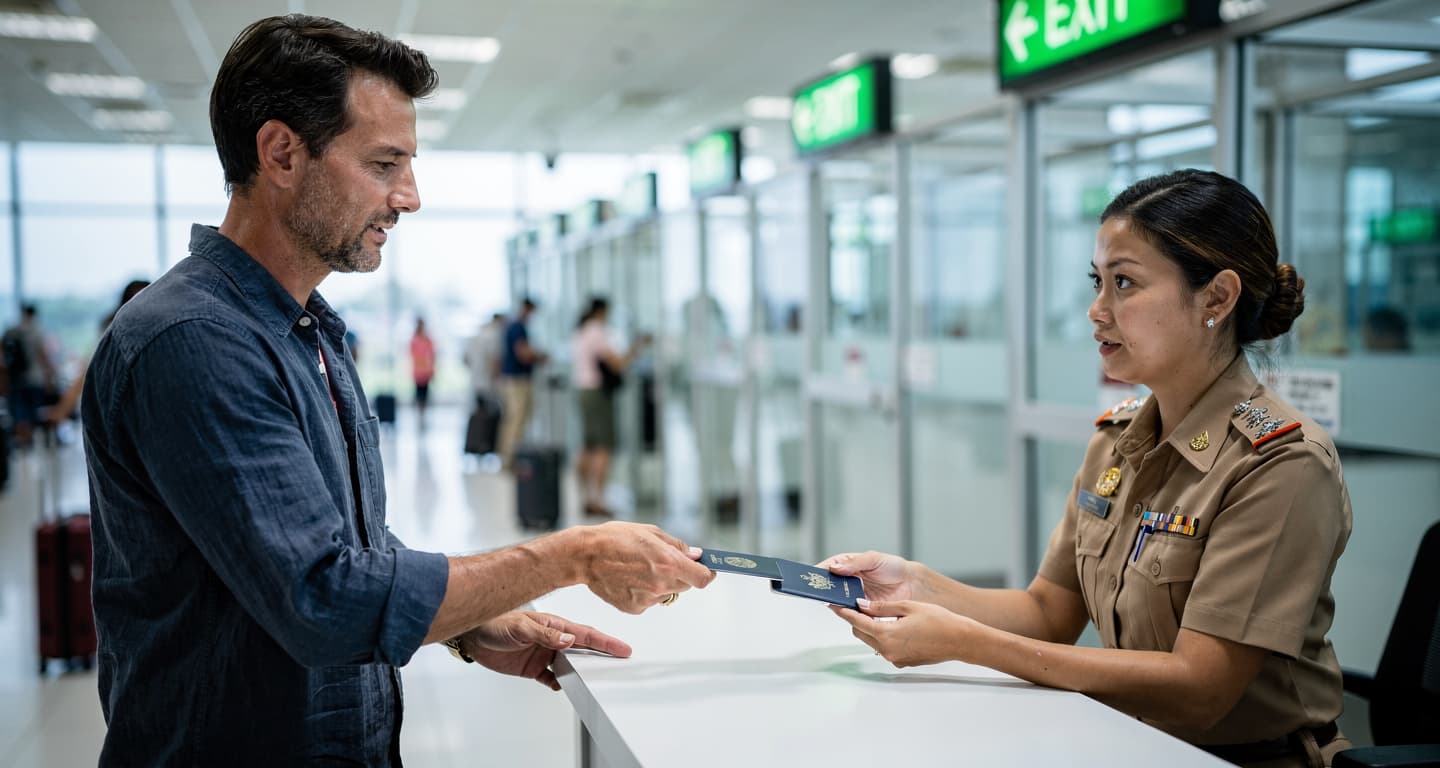
Immigration offices shut down April 14–16, so arrive with a valid visa stamp that covers your entire stay. Laos offers e-visas (laoevisa.gov.la) processed online before departure — apply at least 5 business days in advance to avoid delays. If you’re already in-country and need an extension, complete it by April 13 or wait until April 17 when offices reopen. Overstaying results in fines of $10 per day, compounding quickly if you miss the deadline.
Are water fights avoidable if I don’t want to participate?
Not entirely. Streets in Luang Prabang and Vientiane become water zones from midday through evening, and bystanders are fair targets. Temples offer brief respite during rituals, but walking between sites means exposure. If you want to observe without getting soaked, stay indoors during peak hours (12 PM–6 PM) or visit rural areas outside the main festival zones, where celebrations are quieter. Wearing a floral shirt signals participation — plain clothes may reduce targeting but won’t eliminate it.
What’s the best way to protect electronics during the water fights?
Waterproof phone pouches (available at festival markets for $2–5) are essential. Double-bag cameras and passports in ziplock bags, then store them in a dry bag or hotel safe when not needed. Avoid wearing expensive watches or jewelry — water guns and buckets don’t discriminate. If you’re carrying a backpack, line it with a plastic trash bag before packing. Most guesthouses offer lockers or waterproof storage — request this when booking.