Quick summary
Every traveler arriving in Palau—regardless of nationality—must complete the digital Palau Entry Form at palautravel.pw within 72 hours of arrival and present the resulting QR code at airline check-in and immigration. Airlines including United enforce this at the counter and will deny boarding without a valid QR code on screen or printed.
The form combines immigration, health, and customs declarations into a single submission covering an entire family. Strict biosecurity rules—including a total ban on vapes and non-reef-safe sunscreen—add compliance layers most travelers overlook until it costs them at the gate.
Palau now turns away passengers at the check-in desk—not at the border—if they haven’t completed a mandatory digital entry form within 72 hours of arrival. The requirement, active since June 2023 and strictly enforced by airlines, catches travelers off guard because the denial happens before they ever board the plane.
The process takes 5 minutes: visit palautravel.pw, fill out one form per family or solo traveler, and receive a QR code via email. That QR code must be shown—on a phone screen or as a printout—twice: once at airline check-in and again at Palau International Airport immigration. Air Traveler Club’s entry requirement tracker monitors policy changes across 60+ Asia-Pacific destinations, and Palau’s digital gate has remained unchanged since its 2023 launch with no relaxation of enforcement.
This applies to all nationalities arriving at Palau International Airport as of February 2026. US, Canadian, EU, Australian, and New Zealand passport holders all enjoy visa-free stays of up to one year, but none are exempt from the form. Submitting too early invalidates the QR—the 72-hour window is counted backward from your scheduled arrival time, not departure.
What the form actually covers—and why it’s three forms in one
Unlike most digital travel declarations, Palau’s entry form bundles three separate requirements into a single submission: the Palau Visitors Authority (PVA) registration, a health declaration, and a customs and biosecurity screening. This consolidation is efficient but means the form asks questions travelers don’t expect—including what sunscreen brands you’re carrying.
One submission generates one QR code covering all listed travelers, including children. United Airlines confirms in its international travel requirements that a single QR applies per family group. However, each person listed must still present the code individually at check-in, so every adult in the group needs access to the email or printout.
For those hunting deals to this remote Pacific destination, our AI-powered Superdeal detection system occasionally surfaces pricing anomalies on transpacific routes through Guam and Taipei that connect to Palau—but no fare savings matter if you’re turned away at the gate for missing a QR code.
The compliance checklist most travelers skip
The entry form is just one layer. Palau’s full arrival requirements include several items that trip up even experienced Pacific travelers. The Palau International Airport’s entry requirements page details the complete list, from passport validity to prohibited items.
| Requirement | US/CA Travelers | EU/AU/NZ Travelers | Timing |
|---|---|---|---|
| Palau Entry Form + QR | Mandatory; 1 per family | Mandatory; 1 per family | ≤72 hours before arrival |
| Passport validity | ≥6 months from arrival | ≥6 months from arrival | Blank page required for stamp |
| Environmental fee | $100, included in ticket | $100, included in ticket | Automatic; no action needed |
| Customs restrictions | Vapes banned; reef-safe sunscreen only | Vapes banned; reef-safe sunscreen only | 21+ for alcohol (2L) and cigarettes (1 pack) |
| Proof of funds | $200 USD cash per person/week | $200 USD cash per person/week | If requested; credit cards not accepted as proof |
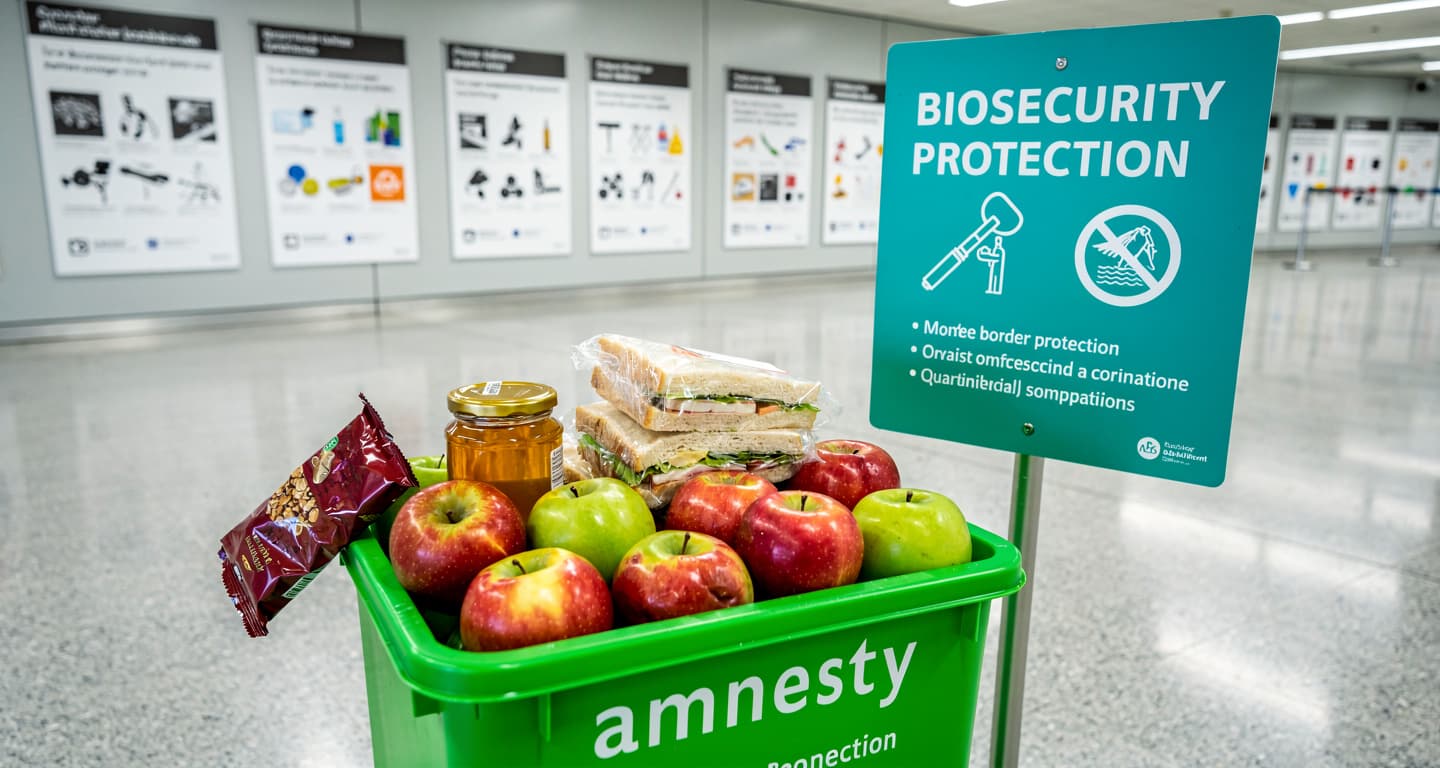
Two items on this list blindside travelers consistently. First, vapes and e-cigarettes are completely prohibited—not restricted, not limited, but banned with confiscation and penalties. Second, sunscreen containing oxybenzone, octinoxate, octocrylene, 4-methylbenzylidene camphor, triclosan, or parabens will be confiscated at customs. Palau’s reef protection laws are among the strictest in the world.
The Palau Pledge: signed at immigration
Palau is the only country that stamps a conservation pledge into your passport upon arrival. The Palau Pledge, introduced in 2017, commits visitors to “tread lightly, act kindly, and explore mindfully.” Immigration officers ask you to sign it before entry—refusal means denial. It takes 30 seconds but carries legal weight under Palauan environmental law.
How to cut fares to Asia by 40–80%
Our custom AI ✨ tracks pricing anomalies that traditional search engines miss.
Get the these deals in your inbox, for free:

The 72-hour window: tighter than it looks
The timing catches long-haul travelers. Palau’s 72-hour window counts from scheduled arrival time, not departure. For US West Coast travelers routing through Guam or Taipei, total travel time can exceed 15 hours. Submit the form too early and it expires. Submit it at the airport and you’re gambling on Wi-Fi and processing speed while your boarding window closes.
The safest approach: complete the form 48-60 hours before arrival, giving a comfortable buffer within the valid window. Save the confirmation email with QR code in at least two places—your inbox and a screenshot on your phone. If traveling with family, ensure every adult has independent access to the QR.
For travelers exploring routing options through Pacific hubs, our guide to 11 strategies for cheaper flights covers stopover and positioning techniques that work well for remote Pacific destinations like Palau, where direct routing options are limited and creative connections through Taipei, Guam, or Manila can reduce fares significantly.
When the system fails: backup plans
Digital-only systems create digital-only failure points. If you don’t receive the QR email, check spam folders first—the sender address is tied to Palau’s health authority. For persistent issues, contact travelers@palauhealth.org before your flight, not at the airport.
Print a backup copy. Palau accepts both mobile and printed QR codes. A paper copy in your carry-on eliminates the risk of dead batteries, cracked screens, or airport Wi-Fi failures. This is especially critical because the QR is checked twice—at check-in and again at immigration—meaning you need it accessible across potentially 15+ hours of travel.
One mobile-specific tip from the official form site: the date-of-birth field uses a calendar slider rather than typed input. Click the field, use the slider to select the year first, then arrow-navigate to the correct month and day before clicking SET. This trips up enough users that Palau posted a video tutorial on the form page.
Three edge cases that create real problems
Yellow fever vaccination proof. Travelers arriving from or transiting through yellow fever risk countries in South America or Sub-Saharan Africa must present vaccination documentation in addition to the QR code. The entry form alone is insufficient for these origins.
Cash-only proof of funds. Immigration may request evidence of $200 USD in cash per person per week of intended stay. Credit cards, bank statements, and mobile banking apps do not satisfy this requirement. For a two-week trip, that means $400 cash per person—an amount worth planning for before departure.
Transit passengers aren’t exempt. Even travelers transiting through Palau must complete the full entry form and present the QR code. The $100 environmental fee is refundable for transit and diplomatic passengers through an official process, but the form requirement applies universally.
Questions? Answers.
Can one family member submit the form for everyone, including children?
Yes. One form covers an entire family or a single traveler. The resulting QR code applies to all listed individuals. However, every adult in the group needs independent access to the QR—either via forwarded email or a printed copy—since it must be presented per person at check-in and immigration.
What happens if I submit the form more than 72 hours before arrival?
The submission becomes invalid. The 72-hour window is calculated backward from your scheduled arrival time in Palau, not your departure time. If you submit too early, you must resubmit within the valid window to generate a new QR code. Set a calendar reminder for 48-60 hours before arrival.
Is the $100 environmental fee charged separately at the airport?
No. The Pristine Paradise Environmental Fee is embedded in your airline ticket price. Standard tourists pay it automatically through the fare. Diplomats and transit passengers may apply for a refund through official channels, but no action is needed for regular travelers.
What sunscreen brands are actually allowed in Palau?
Any sunscreen labeled “reef-safe” that does not contain oxybenzone, octinoxate, octocrylene, 4-methylbenzylidene camphor (4MBC), triclosan, parabens, or phenoxyethanol. Brands like Raw Elements, Thinksport, and Badger are generally compliant. If uncertain, purchase sunscreen locally in Palau where only approved products are sold.
Can I use a screenshot of the QR code instead of the email?
Yes. Palau accepts the QR code displayed on a mobile screen—whether from the original email, a screenshot, or a saved image—as well as a printed copy. The key requirement is that the QR code is scannable. Save it in multiple formats as backup across your devices.
Do I need to complete the form for a connecting flight through Guam to Palau?
The Palau Entry Form is required for arrival at Palau International Airport specifically. Guam transit does not trigger Palau’s form requirement, but you must complete it before landing in Palau. Guam has its own separate US entry requirements for non-US citizens.