Quick summary
February is the optimal booking window for April–May 2026 Nepal flights from Australia and New Zealand. Fares on routes like Sydney or Melbourne to Kathmandu are currently stable, but expect a 20–50% surge from mid-March as post-election confidence drives last-minute trekker bookings. January arrival numbers are already running strong, signaling demand is building ahead of schedule.
The March 5 Nepal election is the key variable. A stable outcome will unlock a wave of bookings. Travelers who move now capture spring trekking season at pre-surge prices — those who wait will pay for the privilege.
The booking window is open — but not for long
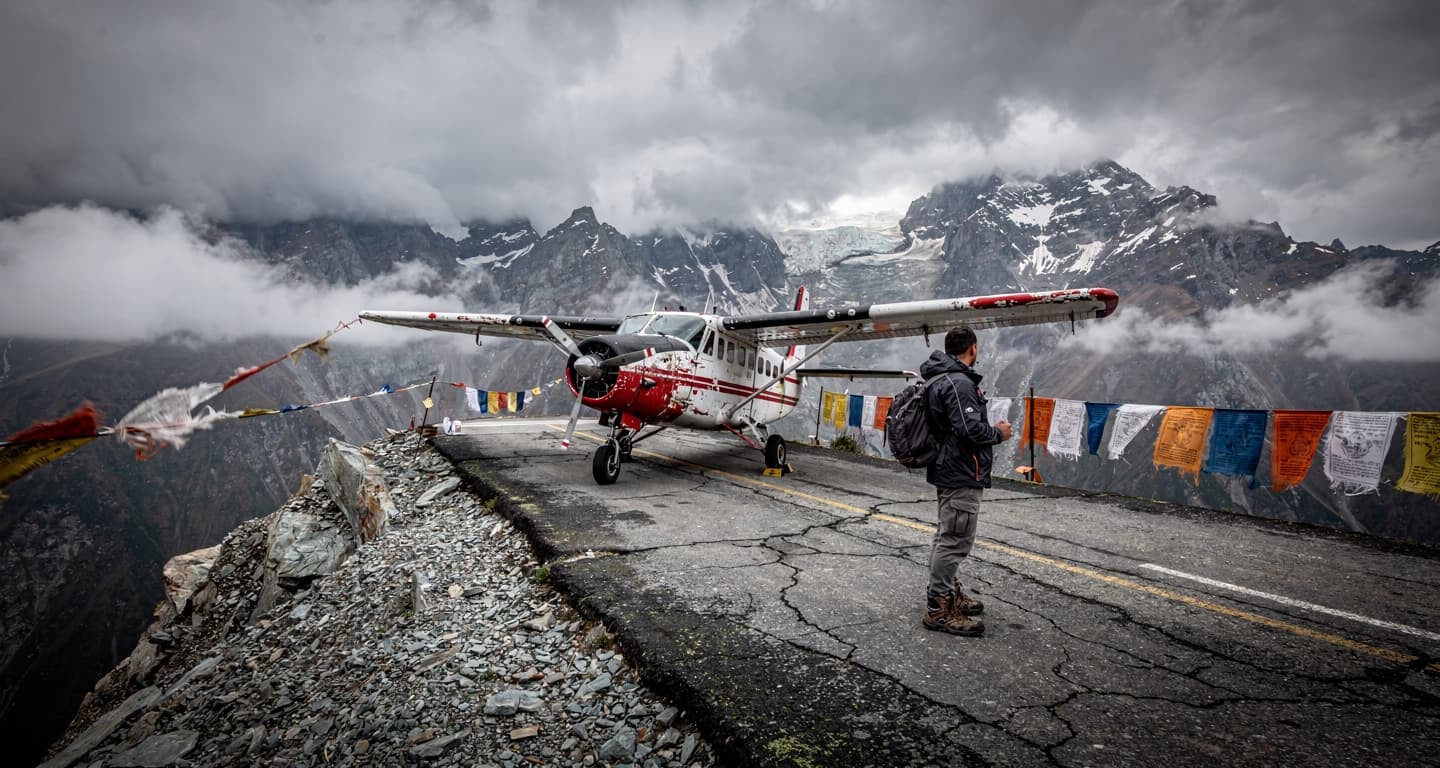
Spring is Nepal’s best trekking season. April and May deliver daytime temperatures of 15–25°C, clear Himalayan views, melted high-pass snow, and rhododendron forests in full bloom across the Everest, Annapurna, and Langtang regions. This is not a marginal improvement over other months — it’s the difference between summit views and cloud walls.
Right now, economy return fares from major Australian and New Zealand gateways to Tribhuvan International Airport (KTM) are sitting in the AUD 1,200–1,800 range via hubs like Singapore or Delhi. That range will not hold past mid-March. Nepal’s March 5 parliamentary election is functioning as a demand trigger: once a stable outcome is confirmed, trekkers who’ve been sitting on the fence will book simultaneously, tightening seat availability on Qantas, Singapore Airlines, and Air New Zealand codeshare itineraries.
Historical patterns on this corridor show 15% year-on-year trekker growth through 2025. January 2026 arrivals are already tracking above that baseline. The demand is there. The question is whether you book before or after it moves prices.
Flight deals
most people never see
Our AI monitors 150+ airlines for pricing anomalies that traditional search engines miss. Air Traveler Club members save $650 per trip per person on average: see how it works.
Each deal saves 40–80% vs. regular fares:

What April and May actually look like on the ground
Both months are peak season, but they have distinct characters. April brings the rhododendron bloom at altitude, sharper morning visibility, and the busiest trail conditions on the Everest Base Camp (5,364m) and Annapurna Circuit (5,416m) routes. Expect company at teahouses. May shifts the balance — wildflowers replace rhododendrons, forests turn lush, and crowd density drops on the marquee routes as the season matures.
Less-trafficked alternatives like Langtang Valley (4,984m) and the Manaslu Circuit open fully by late April. Both reward trekkers with raw Himalayan scenery and significantly fewer groups than the Everest or Annapurna corridors. If your dates are flexible, targeting these routes in late April or early May gives you peak-season conditions without peak-season crowds.
One caveat on weather: nights above 4,000m remain below 0°C through May. Pack layers regardless of the daytime forecast. Check Nepal’s 2026 trekking season conditions by route before finalizing your itinerary.
Nepal’s trekking growth in numbers
Nepal recorded consistent 15% year-on-year growth in trekking arrivals through 2025, driven largely by post-pandemic demand recovery and increased Everest Base Camp permit interest. Spring remains the dominant season, accounting for roughly 40% of annual trekking volume. That concentration of demand into a narrow April–May window is precisely why flight prices spike so sharply when bookings open up.
How to lock in the best fares from AU/NZ
The most reliable routing from Australia is via Singapore (SIN) or Delhi (DEL), connecting to Kathmandu on Singapore Airlines, Qantas, or partner carriers. From New Zealand, Air New Zealand feeds into the same Singapore hub. Set price alerts on Google Flights or Skyscanner now for your departure city — SYD, MEL, BNE, AKL — targeting travel between April 1 and May 31.
If you’re flying from Sydney, it’s worth checking whether repositioning to Melbourne or Brisbane first unlocks cheaper long-haul fares. Budget carriers like Jetstar serve both cities with frequent connections, and the savings on the AU/NZ–Asia leg can more than offset the positioning cost. Our guide on the best Australian airports for cheap Asia flights breaks down exactly where the pricing gaps are.
For trekking permits, don’t leave those until after you’ve booked flights. The Trekking Agencies’ Association of Nepal (TAAN) manages quota allocations on restricted routes. Everest and Annapurna permits move fast once spring bookings open. Secure a registered guide and operator at the same time you lock in your flights — not after.
What to do now
- Set price alerts on Google Flights or Skyscanner for your nearest gateway to KTM — target AUD 1,200–1,800 return economy and book before March 5.
- Check Melbourne, Brisbane, and Perth departure fares alongside Sydney — hub pricing differences on the AU–SIN–KTM corridor can be significant.
- Book domestic Nepal connections (e.g., Kathmandu to Pokhara for Annapurna starts) at the same time — Yeti Airlines and Buddha Air seats also tighten in spring.
- Confirm trekking permits and a registered operator via TAAN before April crowds lock out availability on popular routes.
Questions? Answers.
How does the March 5 election affect flight prices and availability?
A stable election outcome is expected to trigger a wave of deferred bookings from trekkers who were waiting for political clarity. Based on historical patterns on this corridor, that demand surge can push AU/NZ–KTM fares up 20–50% within weeks and tighten seat availability on Singapore Airlines and Qantas itineraries. Booking before March 5 sidesteps that entirely. If the outcome is contested or unstable, demand may soften — but that’s a scenario you’d rather have a refundable ticket for than no ticket at all.
Which routes are less crowded in late April and May?
The Manaslu Circuit and Langtang Valley are the standout alternatives. Both open fully by late April, offer comparable Himalayan scenery to Everest Base Camp, and carry a fraction of the foot traffic. Langtang Valley tops out at 4,984m — accessible for fit first-timers — while Manaslu Circuit reaches 5,160m and requires a restricted area permit. Neither route has the teahouse congestion you’ll find on the Everest or Annapurna corridors in peak weeks.
What weather risks should trekkers plan for in April and May?
Daytime conditions are generally excellent — 15–25°C with clear morning skies. The risks are at night and at altitude: temperatures drop below 0°C above 4,000m through May, and afternoon cloud build-up can obscure summit views, particularly in late May as pre-monsoon moisture increases. Pack a proper layering system regardless of the forecast. Check the Nepal Meteorological Forecasting Division seven days before your trek starts for current high-altitude conditions.
Are there cheaper routing options from New Zealand specifically?
Auckland connects to Kathmandu most efficiently via Singapore on Singapore Airlines or via a combination of Air New Zealand to SIN then onward. Fares from AKL tend to run slightly higher than from Australian east coast cities due to the additional transtasman leg. One option worth checking: positioning to Melbourne or Sydney first on a domestic fare, then picking up the AU–SIN–KTM routing if the combined cost undercuts a direct AKL departure. Google Flights’ multi-city search makes this comparison straightforward.