Quick summary
Australia’s Smartraveller and New Zealand’s SafeTravel downgraded Nepal to Yellow / Exercise a high degree of caution in March 2026, following the country’s March 5 general election and stabilization after 2025 civil unrest. Both nations previously advised reconsidering non-essential travel; the shift signals improved conditions for tourism from Australasia, though the US maintains Level 3 “Reconsider Travel.”
The downgrade eases travel insurance access for Australian and New Zealand passport holders, as policies often exclude Level 3+ destinations. Trekking regions remain unaffected by urban unrest, but travelers should verify coverage for civil unrest and altitude-related medical evacuation before booking.
Nepal has moved from “reconsider your need to travel” to a lower caution level for Australian and New Zealand travelers, marking the first positive advisory shift since violent protests shut down Kathmandu and Pokhara in September 2025. The change follows Nepal’s March 5, 2026 general election, which passed without major incident despite nationwide transport shutdowns.
For travelers from Australasia, this means standard travel insurance now covers Nepal without high-risk exclusions or premium surcharges. The advisory gap between Australia/New Zealand and the United States — which still warns against travel due to protest violence — reflects divergent risk assessments of the post-election environment.
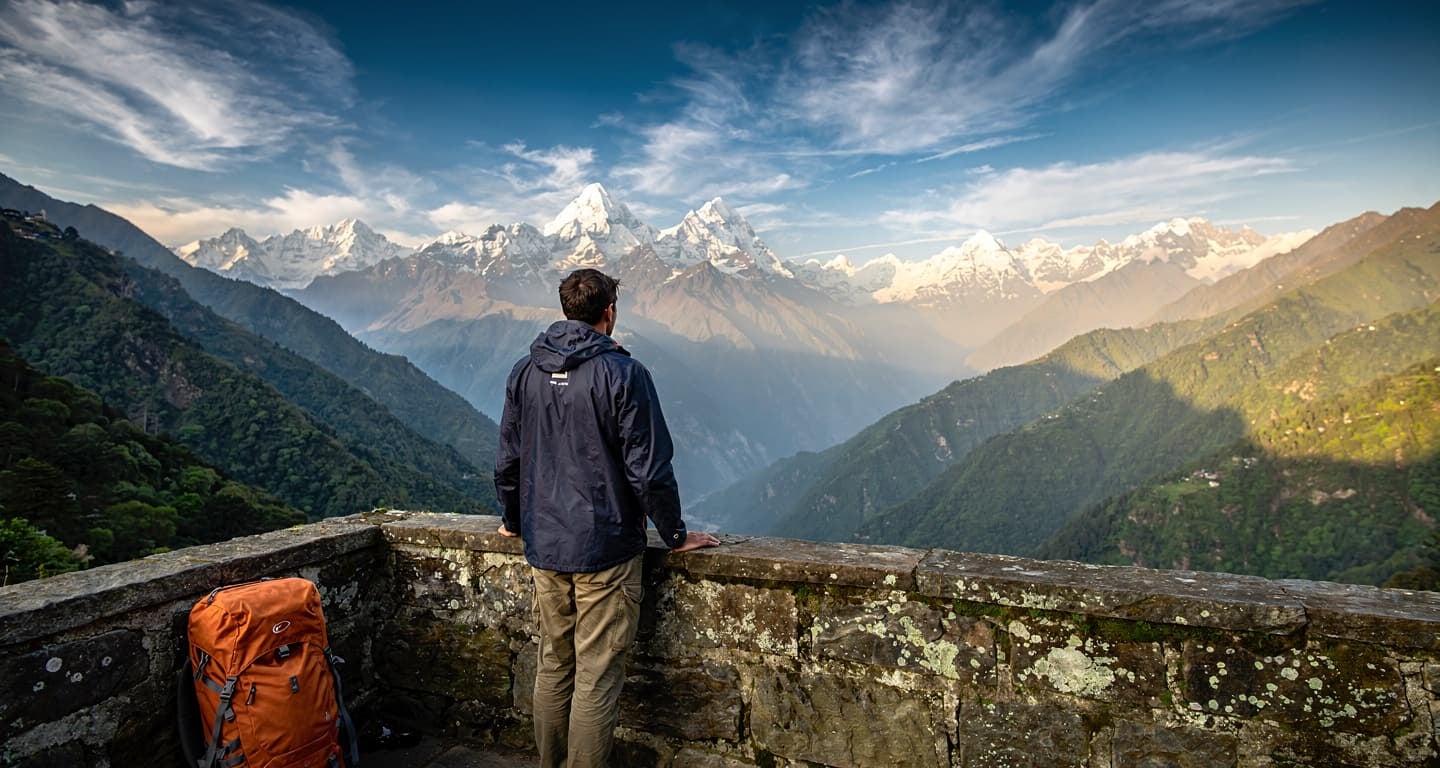
The downgrade applies to all of Nepal, including Kathmandu, Pokhara, and trekking corridors like Everest Base Camp and the Annapurna Circuit. Australian and New Zealand citizens planning trips should still register with Smartraveller or SafeTravel for real-time alerts and carry comprehensive insurance covering altitude sickness and medical evacuation.
What changed in the advisories
Australia’s downgraded advisory now rates Nepal as Yellow / Exercise a high degree of caution, down from the higher “reconsider travel” level issued in February 2026 ahead of the election. The current advice emphasizes crime at tourist sites, trekking altitude risks, seismic activity, and poor road safety on intercity buses.
New Zealand’s current caution level mirrors Australia’s, advising travelers to avoid protests and public gatherings while highlighting foreigner-targeted theft and harassment at airports and hotels. Both nations recommend comprehensive insurance covering medical evacuation, a critical safeguard given Nepal’s limited high-altitude rescue infrastructure.
The US State Department maintains Level 3 “Reconsider Travel” as of September 2025, citing the potential for sudden unrest following violent clashes that triggered curfews in Kathmandu and Pokhara. Canada issues similar avoidance advice. This creates a practical divide: Australian and New Zealand passport holders face fewer insurance barriers and lower premiums, while US and Canadian travelers may encounter policy exclusions or cancellation penalties.
| Country | Level | Key risks cited | Insurance impact |
|---|---|---|---|
| Australia | Yellow / High caution | Crime, trekking, roads | Standard coverage |
| New Zealand | Increased caution | Protests, theft, altitude | Standard coverage |
| United States | Level 3 / Reconsider | Civil unrest, violence | Exclusions likely |
| Canada | Avoid non-essential | Protests, infrastructure | Higher premiums |
Nepal’s March 5 election caused temporary disruptions: domestic flights were suspended all day, public transport halted March 4–6, and land borders with India and China closed March 2–6. Hotels, restaurants, and tourist sites remained open, and trekking lodges in the Everest, Annapurna, and Langtang regions operated normally throughout.
Flight deals
most people never see
Our AI monitors 150+ airlines for pricing anomalies that traditional search engines miss. Air Traveler Club members save $650 per trip per person on average: see how it works.
Each deal saves 40–80% vs. regular fares:

Why this matters for Australasian travelers
The downgrade removes a major friction point for Australian and New Zealand travelers planning Nepal trips. Travel insurance policies from providers like Cover-More and Allianz typically exclude destinations rated “reconsider travel” or higher, forcing travelers to seek specialist high-risk coverage at 20–40% premium surcharges. The shift to “high caution” brings Nepal back into standard policy territory.
This timing aligns with Nepal’s peak trekking season, which runs March through May for pre-monsoon Everest and Annapurna routes. The advisory change signals to airlines and tour operators that demand will stabilize, potentially unlocking more competitive fares on routes to Nepal from Australasia via Bangkok, Singapore, or Kuala Lumpur.
However, the US advisory gap creates operational complexity. Multi-country tour groups with mixed passports face uneven insurance coverage, and US-based travel agencies may still cancel Nepal itineraries despite the Australasian green light. Travelers should confirm their insurer’s specific Nepal policy language before booking.
Steps to take before booking
The advisory shift creates a booking window, but preparation is non-negotiable.
- Verify insurance coverage: Confirm your policy explicitly covers Nepal at the “high caution” level and includes medical evacuation for altitude sickness. Policies from Cover-More, Allianz, and World Nomads typically do, but read the exclusions list for civil unrest clauses.
- Register with your government: Australian travelers should enroll in Smartraveller; New Zealanders in SafeTravel. Both apps push alerts for protests, transport strikes, and weather emergencies directly to your phone.
- Book flexible fares: Choose refundable or changeable tickets on Qantas, Air New Zealand, or Singapore Airlines for Sydney/Melbourne/Auckland–Kathmandu routes. If unrest flares again, you’ll need rebooking options without penalty.
- Avoid election-adjacent dates: If traveling in March 2026, steer clear of March 4–6 when domestic flights and ground transport may still face residual disruptions. Land border crossings with India and China were closed March 2–6 and may reopen slowly.
- Carry backup documentation: Bring printed copies of your passport, visa, insurance policy, and emergency contacts. Nepal’s Nepal Tourism Board issues special permits for tourist vehicles during strikes — having a letter from your trekking agency can bypass roadblocks.
Watch: Australia and New Zealand typically review advisories every 3–6 months. If protests resume or a major incident occurs, the rating could revert to “reconsider travel” within days.

Questions? Answers.
Does the downgrade affect visa-on-arrival for Australian and New Zealand citizens?
No. Nepal’s 90-day visa-on-arrival remains available at Tribhuvan International Airport in Kathmandu for both nationalities. Carry passport photos and a digital backup of your passport — immigration processing may slow during residual election-related staffing adjustments in early March 2026. The visa fee is $50 USD for 30 days, payable in cash or card.
How does the advisory change impact travel insurance premiums?
Policies from Australian and New Zealand insurers like Cover-More and Allianz now treat Nepal as a standard-risk destination, eliminating the 20–40% premium surcharge previously applied to “reconsider travel” zones. Confirm your policy explicitly covers civil unrest and altitude-related medical evacuation — these are separate riders in some plans. US and Canadian travelers still face higher premiums due to their governments’ Level 3 advisories.
Are airlines adding capacity to Kathmandu following the downgrade?
No verified increases yet. Qantas and Air New Zealand codeshare on routes via Bangkok, Singapore, and Kuala Lumpur, but neither has announced new frequencies as of March 2026. Monitor fare trends on Sydney/Melbourne/Auckland–Kathmandu routes — if demand rises post-downgrade, airlines may add seasonal capacity for the October–November peak trekking window.
What if I’m traveling with a US or Canadian passport holder?
Your companion will face Level 3 insurance exclusions and higher premiums, even if traveling with an Australian or New Zealand group. Multi-country policies often default to the highest advisory level among participants. Check with your insurer whether a mixed-nationality booking triggers the stricter coverage terms. Some US-based travel agencies may still cancel Nepal itineraries despite the Australasian downgrade.
Should I avoid Kathmandu entirely?
No. The advisory specifically covers Kathmandu, and the downgrade reflects improved conditions in the capital. Avoid large protests and public gatherings, stay alert for petty crime at tourist sites like Thamel and Durbar Square, and register with Smartraveller or SafeTravel for real-time alerts. Trekking regions like Everest Base Camp and the Annapurna Circuit were unaffected by urban unrest and remain safe for travel.