Quick summary
Ukraine launched its largest drone attack on Moscow in years on June 18, 2026, striking the Moscow Oil Refinery in the Kapotnya district and triggering the closure of all three Moscow airports — Sheremetyevo (SVO), Domodedovo (DME), and Vnukovo (VKO) — to civilian traffic for several hours. Hundreds of flights were delayed or cancelled. Russian authorities reported shooting down approximately 180 drones near the capital and 555 in total across the country, with intercepted debris causing additional damage in urban areas.
This was the second consecutive day of drone strikes on Moscow, with this wave significantly larger and more damaging than previous attacks. Knock-on disruption to airline schedules is expected to persist well beyond the initial closures.
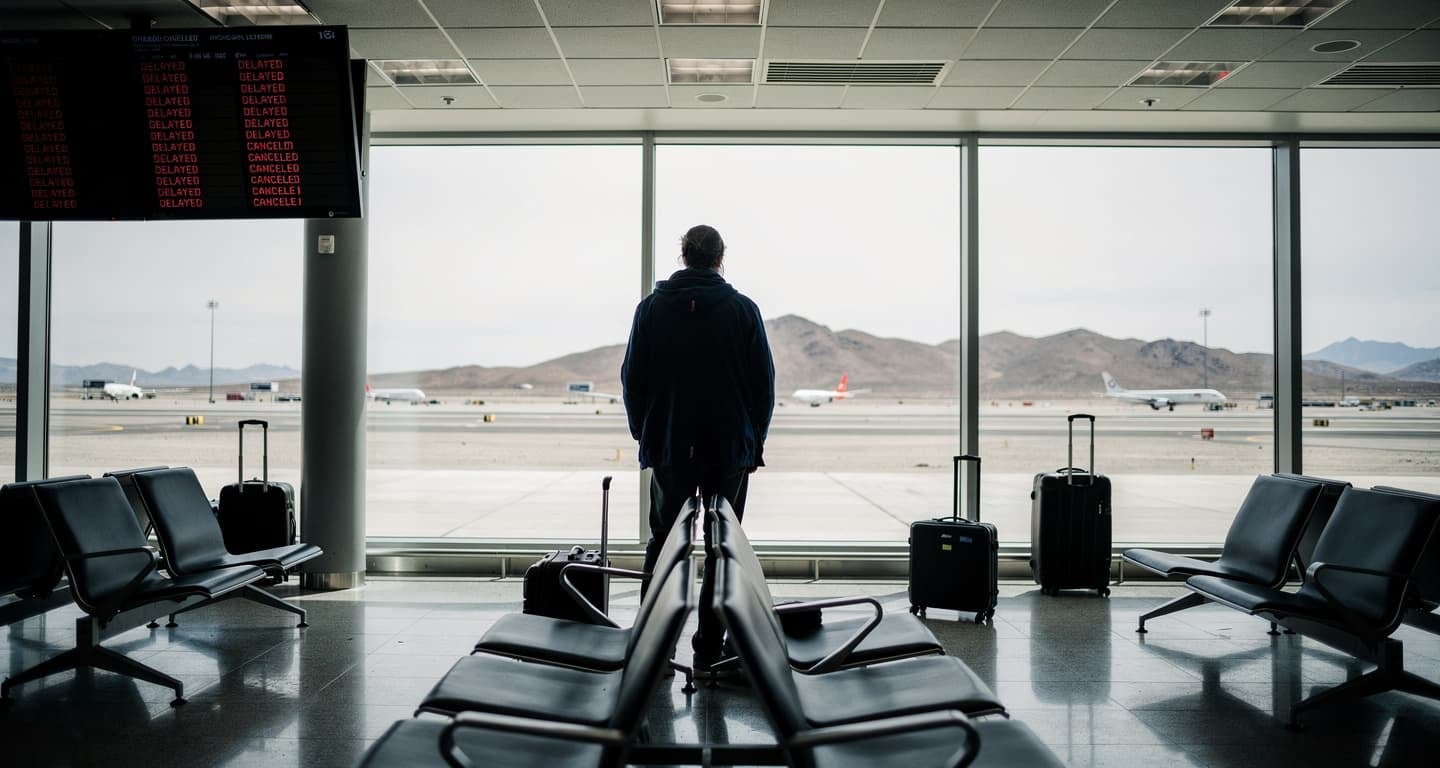
Every commercial flight into and out of Moscow stopped on the morning of June 18, 2026. All three of the Russian capital’s major airports shut simultaneously after Ukrainian drones — reportedly including long-range FP-1 variants — breached air defenses and struck the Moscow Oil Refinery in Kapotnya, igniting fires that sent thick black smoke columns across the city’s southern skyline. The closures lasted several hours and produced hundreds of delays and cancellations across the network.
Moscow Mayor Sergei Sobyanin confirmed that multiple drones hit the refinery directly, while debris from intercepted drones damaged a nearby shopping center and at least one apartment building. The scale of the attack was unprecedented in the current conflict: Russian authorities claimed to have downed around 180 drones in the Moscow area alone, with a national total of 555 across multiple regions.
Evacuations were carried out at Sheremetyevo, Russia’s largest airport. Aircraft and crews were dislocated across the network. Even after airports reopened, the backlog of held, diverted, and repositioned flights meant disruption continued rolling through schedules for hours — and for some carriers, into the following day.
Travelers with itineraries to, from, or through Moscow in the next 72 hours should treat their booking as live risk, not a confirmed plan.
What happened at Moscow’s airports on June 18
The attack began overnight and extended into the early morning hours. Footage circulating on social media showed multiple drones overflying Moscow’s suburbs, with some intercepted mid-air by air defenses. The upper lid of at least one oil storage tank at the Kapotnya refinery was destroyed by explosion — captured on camera — and fires burned across the complex as emergency services responded.
All civilian air traffic at SVO, DME, and VKO was halted while Russian air defense systems engaged the incoming drones and authorities assessed damage and residual risk. That simultaneous three-airport closure is what makes this event categorically different from a single-airport disruption: there was no Moscow alternative. Inbound flights were held at origin or diverted to other Russian cities; departures were grounded. The cascade effect on connecting passengers — particularly those transiting through Moscow on routes between Central Asia, the Caucasus, and Europe — was immediate.
| Airport | Status | Key impact | Alternate hub options |
|---|---|---|---|
| Sheremetyevo (SVO) | Closed to civilian traffic; evacuations carried out | Hundreds of delays and cancellations; largest Russian airport | Istanbul (IST), Dubai (DXB), Yerevan (EVN) |
| Domodedovo (DME) | Closed to civilian traffic | Departures grounded; inbound flights held or diverted | Istanbul (IST), Dubai (DXB) |
| Vnukovo (VKO) | Closed to civilian traffic | Departures grounded; crew and aircraft dislocation | Istanbul (IST), Yerevan (EVN) |
This is not the first time drone activity near a major European city has forced airport shutdowns. In May 2026, Helsinki-Vantaa Airport suspended all air traffic after a drone warning diverted nine long-haul arrivals — a disruption that resolved within hours. Moscow’s situation on June 18 was larger in scale and involved active strikes on infrastructure, not a precautionary warning, making the recovery timeline considerably less predictable.
Rosaviatsiya, Russia’s Federal Air Transport Agency, oversees civil aviation safety and certification for all three Moscow airports under national regulations aligned with ICAO standards. Its framework explicitly allows authorities to temporarily halt operations and impose airspace restrictions during security events — which is the mechanism that closed SVO, DME, and VKO on June 18.
Flight deals
most people never see
Our AI monitors 150+ airlines for pricing anomalies that traditional search engines miss. Air Traveler Club members save $650 per trip per person on average: see how it works.
Each deal saves 40–80% vs. regular fares:

Why the geopolitical backdrop makes this harder to recover from
The June 18 attack did not happen in isolation. Since 2022, the EU, UK, and US have banned Russian carriers from their airspace, and Russia has closed its skies to most Western airlines in retaliation. That mutual closure already forced airlines to reroute flights between Europe and Asia around Russian airspace — adding hours to journey times and upward pressure on fares. Moscow, as a result, is now served almost exclusively by carriers that either operate under Russian certification or transit through neutral hubs like Istanbul, Dubai, or Yerevan.
That narrowed network means fewer fallback options when Moscow airports close. A traveler stranded at SVO in 2019 had dozens of European carriers to reroute through. Today, the realistic alternatives are Turkish Airlines via Istanbul, Emirates via Dubai, or Flydubai — and those seats fill fast when a mass disruption event hits.
The escalating pattern matters too. This was the second consecutive day of drone strikes on Moscow, with the June 18 wave described as significantly larger and more damaging than anything that preceded it. If attacks continue at this frequency and scale, airlines operating Moscow services will face a structural decision about whether to maintain schedules or temporarily suspend them — a calculation that directly affects seat availability and fares for anyone planning travel to Russia in the coming weeks.
For travelers whose itineraries connect through Moscow to onward destinations in Central Asia or the Caucasus, the disruption risk is compounded: those onward legs are often operated by smaller regional carriers with limited rebooking flexibility and no interline agreements with major Western airlines.
Steps to take now if Moscow is on your itinerary
All three Moscow airports were closed simultaneously on June 18 — there is no in-city alternative, and the network of carriers serving Moscow is already thin due to airspace bans. Act before queues build.
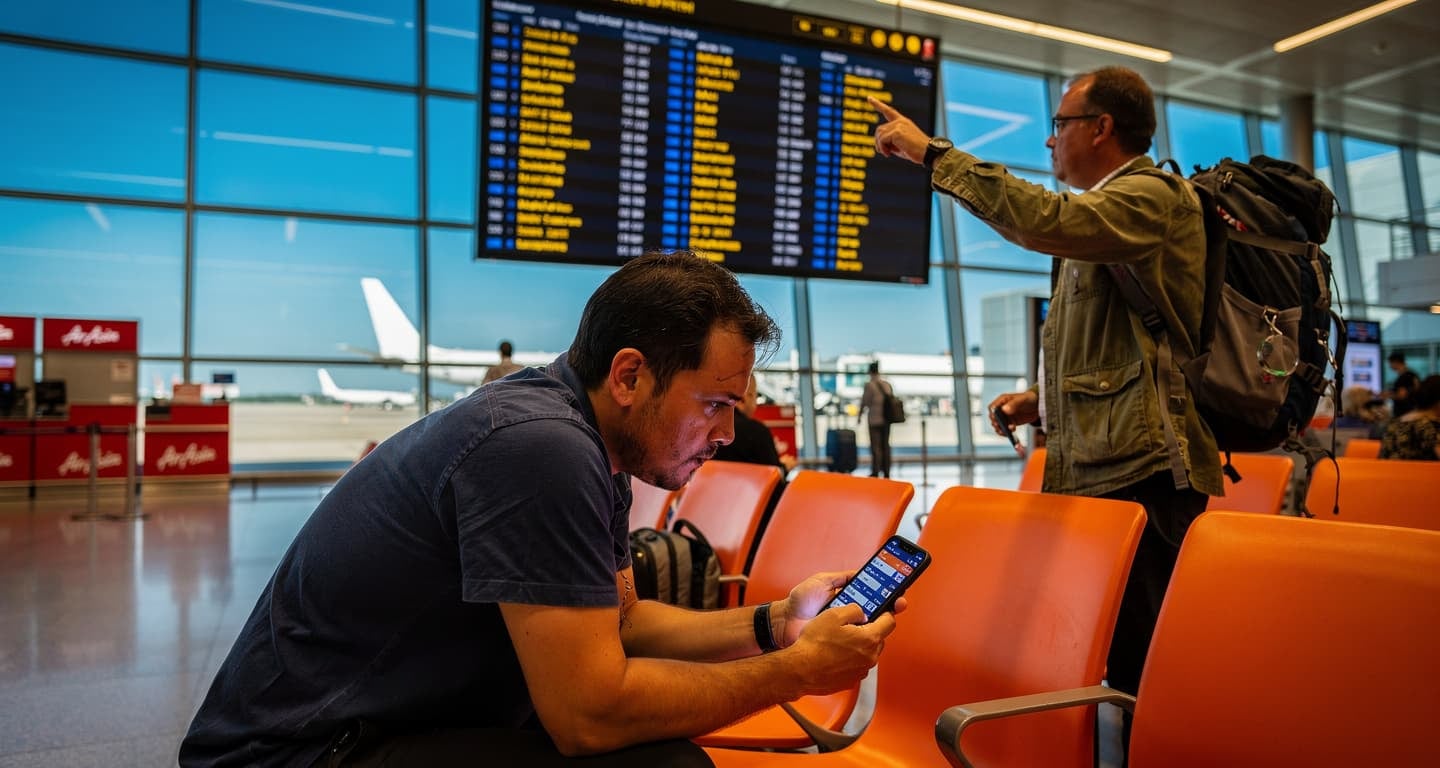
- Check flight status immediately: Go directly to your airline’s app or website — Aeroflot via aeroflot.ru, or your foreign carrier’s manage-booking page — and enable push notifications. Airport FIDS boards at SVO, DME, and VKO are the ground truth if you are already at the airport.
- Request rebooking or refund in writing: If your flight is cancelled or significantly delayed, contact the carrier’s call center or ticket desk and ask for the earliest available rebooking or a full refund. Get written confirmation of the disruption — you will need it for insurance claims.
- Know your rights by departure point: For flights departing EU or UK airports, EU Regulation 261/2004 and its UK equivalent classify war-related security incidents as extraordinary circumstances — airlines owe no cash compensation, but must still provide meals, accommodation, and re-routing. For US departures, the DOT requires a refund if the flight is cancelled and you decline rebooking, but no additional compensation. Canada’s APPR similarly exempts carriers from compensation while requiring rebooking or refunds.
- Use your credit card coverage: Cards like the Amex Platinum, Chase Sapphire Reserve, and Citi Prestige typically include trip cancellation and trip delay benefits that can activate when a carrier cannot operate for a defined threshold (often six or more hours). Keep all receipts for meals and lodging and file claims through the card’s benefits administrator with airline documentation of the disruption.
- Plan new bookings with flexibility: If you are considering travel to Moscow in the coming weeks, book refundable or flexible fares only, avoid tight connections, and favor itineraries routed through major hubs — Lufthansa via Frankfurt or Emirates via Dubai — where rebooking options are broader if Moscow airports face further closures. Check your government’s travel advisory before purchasing.
Watch: Updated NOTAMs and official statements from Rosaviatsiya on the duration and scope of airspace restrictions are expected within hours of each attack. If major foreign carriers such as Lufthansa or Emirates begin issuing long-term cancellations rather than day-by-day holds, expect reduced seat availability and higher fares on remaining Moscow services.

Questions? Answers.
Are all three Moscow airports still closed as of June 18, 2026?
All three airports — Sheremetyevo, Domodedovo, and Vnukovo — were closed to civilian traffic for several hours following the drone attacks. Airports have the authority to reopen once Rosaviatsiya and security agencies clear the airspace, but even after reopening, schedule backlogs typically persist for many hours. Check your airline’s app or the airport’s live departures board for current status.
Will I get compensation if my Moscow flight is cancelled because of the drone attacks?
Almost certainly not in cash. Under EU Regulation 261/2004 and the UK equivalent, war-related security incidents are classified as extraordinary circumstances, which exempts airlines from paying the standard delay or cancellation compensation. However, airlines must still provide care — meals, accommodation, and re-routing — for passengers stranded at EU or UK departure airports. US and Canadian rules require refunds if you decline rebooking, but no additional compensation. Your best supplementary protection is credit card travel insurance.
Which airlines still fly to Moscow and could reroute me?
Following mutual airspace bans since 2022, the realistic options are carriers operating through neutral hubs: Turkish Airlines via Istanbul, Emirates and Flydubai via Dubai, and Armenian carriers via Yerevan. These routes fill quickly during mass disruption events. If you are already stranded at a Moscow airport, go directly to your airline’s transfer desk and ask about rerouting through one of these hubs.
Is it safe to book new flights to Moscow right now?
Multiple Western governments have had Level 3 or Level 4 travel advisories for Russia in place since 2022. The June 18 attacks represent an escalation — the second consecutive day of strikes, and the largest in years. If you must travel, book only fully refundable fares, check your government’s current advisory, and choose itineraries with strong disruption support through major neutral hubs. Tour operator marketing does not override government intelligence.