Quick summary
As of March 19, 2026, 460 flight cancellations and 1,738 delays continue across Dubai, Doha, Abu Dhabi, Riyadh, Muscat, and Cairo following Iran-Israel military escalation that triggered airspace closures starting late February. Qatar Airways has suspended all operations until March 28; Cathay Pacific cancelled Dubai and Riyadh flights until April 30; airBaltic suspended Dubai service until October 24. Travelers with existing bookings through these six hubs face immediate rebooking or refund decisions — commercial schedules remain severely restricted despite limited airspace reopening.
Emirates and Etihad are operating reduced schedules, but full service restoration timelines remain unconfirmed. British Airways evacuation flights from Muscat ended March 12 due to reduced demand, indicating most stranded passengers have been repatriated but commercial operations have not normalized.
The Middle East’s busiest Asia-Europe transit corridor collapsed into chaos on March 19 as airspace restrictions stemming from the Iran-Israel conflict entered their third week. 460 cancellations and 1,738 delays have stranded thousands of passengers across six major hubs, with no clear timeline for full operations to resume.
Qatar Airways grounded its entire network until March 28 following Qatari airspace closure. Cathay Pacific extended Dubai and Riyadh suspensions through April 30. Delta paused Atlanta—Tel Aviv service until August 4. These aren’t precautionary holds — they’re airline admissions that the region remains too unstable for commercial aviation.
The disruption affects every traveler routing Asia-Europe or Asia-North America connections through Dubai, Doha, Abu Dhabi, or Riyadh. If you have a booking departing in the next 45 days through any of these hubs, you need to act within 24 hours.
What triggered the collapse
A February 28 U.S.-Israeli strike on Iran sparked retaliatory drone attacks on March 11 that damaged infrastructure at Dubai International and injured four people. UAE, Qatar, Israel, Iraq, and Syria closed airspace within hours. While partial reopening has occurred at Dubai and Abu Dhabi, full commercial operations have not resumed.
Singapore Airlines and Scoot suspended all Middle East flights entirely, forcing Asia-Europe passengers onto alternative carriers via non-traditional routings like Bangkok—Istanbul—London instead of Singapore—Dubai—London. Flynas, Saudi Arabia’s budget carrier, extended suspensions to eight regional destinations until March 31.
| Airline | Affected routes | Suspension end date | Status |
|---|---|---|---|
| Qatar Airways | All scheduled operations | March 28 | Full grounding |
| Cathay Pacific | Dubai, Riyadh (passenger & cargo) | April 30 | Extended suspension |
| airBaltic | Dubai | October 24 | Extended suspension |
| Delta | Atlanta—Tel Aviv | August 4–5 | Extended suspension |
| Emirates | Global network | Unconfirmed | Reduced schedule |
| Etihad | Global network | Unconfirmed | Reduced schedule |
Flight deals
most people never see
Our AI monitors 150+ airlines for pricing anomalies that traditional search engines miss. Air Traveler Club members save $650 per trip per person on average: see how it works.
Each deal saves 40–80% vs. regular fares:

How this compares to past disruptions
The 2019 U.S. drone strike killing Iranian General Qasem Soleimani triggered a 48-hour airspace closure in Iran and Iraq, with regional airlines resuming limited operations within 72 hours. The current conflict has produced far more extensive closures and longer suspension windows, suggesting this escalation exceeds 2019 precedent in scope and duration.
No comparable multi-hub closure of this magnitude has occurred since the 2020 COVID-19 pandemic. The difference: COVID closures were government-mandated health measures with clear reopening criteria. Military conflict closures have no predictable end date — they depend on geopolitical negotiations outside airline control.
Turkish Airlines operates Istanbul as a major Asia-Europe hub with 50+ weekly frequencies to Asia and is currently operating a reduced schedule but not fully suspended. Air France and Lufthansa maintain limited Paris and Frankfurt operations to select Middle East destinations, with gradual restart dates for Riyadh, Beirut, Amman, Erbil, and Dammam between March 15 and March 31.
What to do right now
Gulf hub connections are high-risk through mid-April — here is the priority order for protecting your trip.
- Check your booking status: Log into your airline’s website or app. If your flight shows “scheduled” but the carrier has announced suspensions, assume cancellation is imminent even if you haven’t received notification yet.
- Request rebooking or refund within 24 hours: EU261/2004 (EU/UK departures), US DOT rules (US departures), and Canadian APPR (Canada departures) all mandate rebooking or full refund for cancellations. Extraordinary circumstances may exempt airlines from compensation, but rebooking and refund obligations remain mandatory.
- Reroute via alternative hubs: Turkish Airlines (Istanbul), Singapore Airlines (Singapore), and Thai Airways (Bangkok) are operating normal schedules. Expect 15–25% fare premiums over original Middle East hub routing.
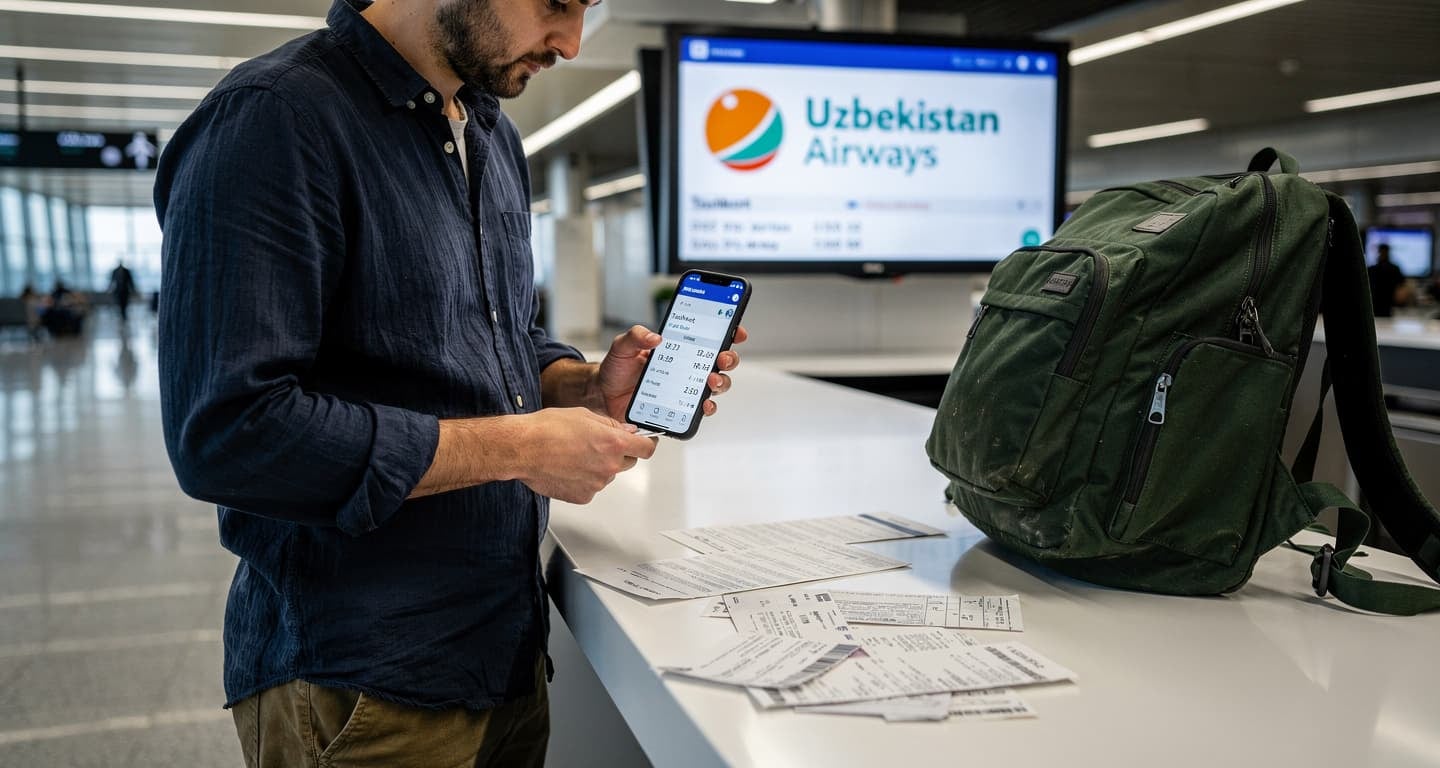
- Document everything: Screenshot cancellation notices, save rebooking confirmation emails, and photograph airport departure boards if you’re stranded. This documentation supports insurance claims and regulatory complaints.
- File travel insurance claims immediately: Most policies cover trip interruption due to airspace closure if you purchased coverage before the February 28 strike. Delays beyond this point may not qualify as unforeseen events.
Watch: UAE GCAA announcement on Dubai/Abu Dhabi airspace full reopening — expected by March 28–31 based on airline restart dates. If reopening is confirmed, major carriers will resume normal schedules within 48–72 hours. If delayed beyond March 31, expect cascading cancellations through April.

Questions? Answers.
Am I entitled to compensation for my cancelled Middle East flight?
EU/UK passengers may qualify for €250–€600 under EU261/2004, but airspace closure is typically classified as extraordinary circumstances, exempting airlines from compensation. Rebooking or full refund remains mandatory regardless. US/Canadian passengers are entitled to rebooking or refund within 7 days under DOT rules and APPR, with potential compensation depending on delay length and circumstances.
Which airlines are still flying to the Middle East?
Emirates and Etihad are operating reduced schedules to Dubai and Abu Dhabi with partial airspace reopening. Turkish Airlines maintains limited Istanbul operations. Air France and Lufthansa are gradually restarting select routes to Riyadh, Beirut, Amman, and Dammam between March 15 and March 31. Qatar Airways, Singapore Airlines, and Scoot remain fully suspended.
Should I cancel my May trip through Dubai or Doha?
If your departure is before April 30, cancel or reroute now — airline suspension windows extend through this date. For May departures, monitor UAE GCAA and Qatar CAA announcements expected by March 28–31. If full airspace reopening is not confirmed by March 31, rebook via alternative hubs to avoid last-minute cancellations.
What are the best alternative routes to Asia from Europe right now?
Istanbul (Turkish Airlines), Singapore (Singapore Airlines), and Bangkok (Thai Airways) are operating normal schedules and offer reliable Asia-Europe connections. Expect 15–25% fare premiums over Middle East hub routing. Check Google Flights for real-time pricing on alternative routings.