Quick summary
Middle East airspace closures linked to the Iran crisis have triggered 1,508 flight delays and 173 cancellations across 21 Asia-Pacific airports as of March 10, 2026, stranding passengers on routes through Dubai, Doha, Abu Dhabi, and Jeddah. Qatar Airways, Emirates, AirAsia, Singapore Airlines, and regional carriers including Shenzhen Airlines and Batik Air have suspended or rerouted services, with Kuala Lumpur International Airport reporting 155 delays and 4 cancellations, Shanghai Pudong logging 111 delays and 10 cancellations, and Singapore’s Changi Airport recording 32 cancellations to Middle East cities between February 28 and March 7.
Airlines are issuing fee waivers for rebookings, but knock-on delays from disrupted aircraft rotations are spreading to domestic Asia routes. Travelers with bookings via Gulf hubs in the next 72 hours face the highest risk of last-minute changes.
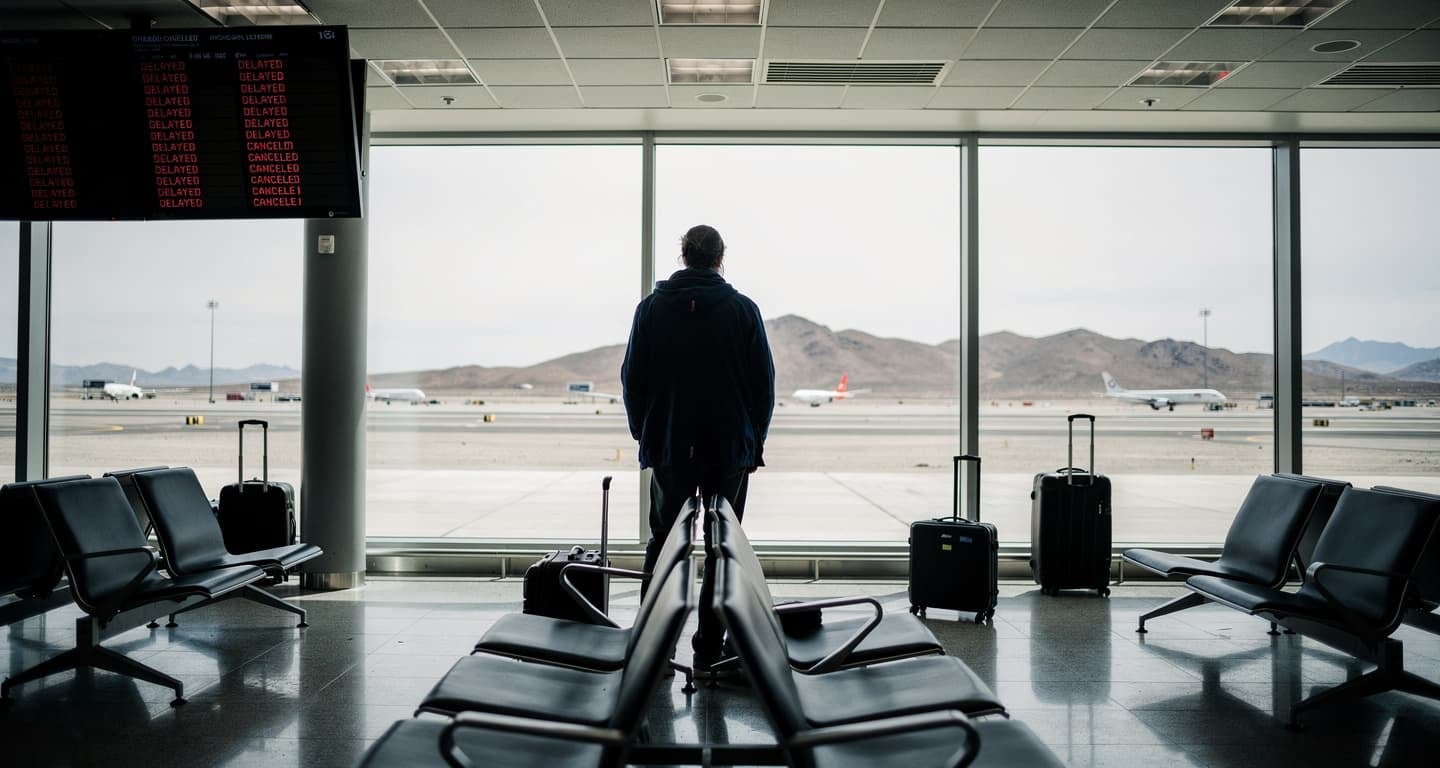
Hundreds of passengers across Asia woke to cancelled flights and multi-hour delays today as Middle East airspace restrictions — triggered by escalating tensions involving Iran, the US, and Israel — forced airlines to suspend or reroute services through the region’s busiest transit hubs.
The disruptions began February 28 and intensified through early March, with carriers pulling flights to Dubai, Doha, Abu Dhabi, and Jeddah as airspace closures made routing unsafe or operationally unfeasible. Singapore Airlines cancelled its SQ494/SQ495 Dubai service, while budget arm Scoot suspended Jeddah flights TR596/TR597 until further notice. Malaysia Airlines and AirAsia affiliates reported over 300 delays across Bangkok and Jakarta alone, as crew duty limits and tight aircraft turnarounds amplified the ripple effect.
For travelers booked on Middle East-Asia routes in the coming days, the message is blunt: check your flight status within 24 hours of departure, even if you haven’t received a notification.
Which airports and airlines are hit hardest
The disruption spans 21 airports from East Asia to South Asia, with the heaviest concentration at major connecting hubs. Kuala Lumpur International Airport leads with 155 delays and 4 cancellations, followed by Shanghai Pudong’s 111 delays and 10 cancellations. Singapore Changi — typically one of the region’s most reliable airports — logged 32 cancellations to Middle East cities between February 28 and March 7, according to airport data.
| Airport | Delays | Cancellations | Key affected carriers |
|---|---|---|---|
| Kuala Lumpur (KUL) | 155 | 4 | AirAsia, Malaysia Airlines |
| Shanghai Pudong (PVG) | 111 | 10 | Shenzhen Airlines, China Eastern |
| Singapore Changi (SIN) | Data pending | 32 | Singapore Airlines, Scoot |
| Shenzhen Bao’an (SZX) | 192 | 3 | Shenzhen Airlines |
| Bangkok Suvarnabhumi (BKK) | Data pending | Data pending | AirAsia, Thai Airways |
Qatar Airways and Emirates — the two largest Gulf carriers by Asia-Pacific capacity — have suspended multiple frequencies, though neither has published a full list of affected routes. Batik Air and United Airlines also appear in disruption reports, alongside regional operators like Sichuan Airlines and Finnair, which operates Europe-Asia routes via Gulf connections.
Between the lines
The cancellation-to-delay ratio tells you which airports are managing the crisis versus which are overwhelmed. Shenzhen Bao’an’s 192 delays against just 3 cancellations suggests slot constraints are forcing airlines to hold aircraft on the ground rather than cancel outright — a pattern that creates cascading delays as crew duty limits expire and turnaround windows compress. Shanghai Pudong’s 10 cancellations against 111 delays points to a similar dynamic, while Changi’s 32 cancellations with minimal delay data indicates Singapore’s carriers opted for clean cancellations over operational chaos.
Flight deals
most people never see
Our AI monitors 150+ airlines for pricing anomalies that traditional search engines miss. Air Traveler Club members save $650 per trip per person on average: see how it works.
Each deal saves 40–80% vs. regular fares:

Why the disruptions are spreading beyond the Middle East
The immediate cause is airspace closures over Iran and surrounding conflict zones, which have forced airlines to either suspend flights or add 2–4 hours to routing by skirting restricted areas. But the knock-on effect is what’s grounding passengers across Asia.
Airlines operate on tight aircraft rotations — a plane that flies Dubai-Singapore in the morning is scheduled to operate Singapore-Bangkok in the afternoon, then Bangkok-Kuala Lumpur in the evening. Cancel the Dubai leg, and the entire rotation collapses. Crew duty limits compound the problem: pilots and cabin crew can’t simply extend their shifts to recover lost time, so delays in one sector ripple forward through the day.
This mirrors the 2022 Russia-Ukraine airspace closures, which cancelled over 10,000 flights weekly globally as carriers rerouted around Russian airspace. The current West Asia disruptions have led to 2,325 cancellations between February 28 and March 5, with 1,770 by Indian carriers alone — impacting an estimated 300,000 passengers and creating similar cascading effects on Asia rotations.
How Gulf hub disruptions hit Asia differently
European travelers on Finnair or Lufthansa routes via the Gulf are covered by EU261 regulations, which mandate up to €600 compensation for delays over 3 hours originating in Europe — even if the disruption stems from Middle East airspace. Australian and New Zealand passengers on Qantas or Jetstar codeshares face Singapore-Bangkok delays but have no statutory compensation rights beyond airline goodwill policies.
North American travelers connecting through Asia to the Gulf — a less common routing — are subject to US DOT rules capping compensation at $775 for involuntary denied boarding, but not for delays caused by airspace restrictions, which fall under the force majeure exemption.
What to do if your flight is affected
Check your flight status now. Airlines are issuing waivers for fee-free rebookings, but you must initiate the change — most carriers won’t proactively rebook you unless the flight is cancelled outright. Use airline apps or websites (qatarairways.com/travelalerts, airasia.com/flightstatus) to monitor real-time updates.
Track your aircraft in real time. Tools like FlightAware or Flightradar24 show whether your inbound aircraft is delayed at its previous stop, which gives you 2–4 hours’ warning before the airline sends a notification. Search by flight number or tail registration.
Claim compensation if you’re EU-origin. European travelers whose flights depart from EU airports are eligible for EU261 compensation even if the disruption occurs in the Middle East or Asia. File claims directly with the airline within 3 years of the disrupted flight — most carriers process claims within 6–8 weeks.
Reroute via non-Gulf hubs. If your booking involves a Dubai, Doha, or Abu Dhabi connection, ask your airline to reroute via Singapore, Bangkok, or Kuala Lumpur. Availability is tight, but carriers are prioritizing rebookings on partner airlines to clear the backlog.
Watch: Airlines typically file schedule adjustments 14–21 days before departure. If you’re booked on a Gulf-Asia route departing after March 24, monitor for schedule changes starting March 10 — carriers may preemptively cancel frequencies if airspace restrictions extend beyond mid-March.

Questions? Answers.
Are airlines required to compensate passengers for delays caused by airspace closures?
It depends on your departure region and the airline’s policy. European travelers on flights departing EU airports are covered by EU261 regulations, which mandate up to €600 compensation for delays over 3 hours, even if the cause is Middle East airspace restrictions — the regulation does not exempt geopolitical events. Australian, New Zealand, and North American travelers have no statutory compensation rights for delays caused by airspace closures, which airlines classify under force majeure exemptions. However, most carriers are issuing fee waivers for rebookings and may offer meal vouchers or hotel accommodation for delays exceeding 6 hours.
How long are the Middle East airspace restrictions expected to last?
No official end date has been announced. Airspace closures tied to the Iran crisis began February 28 and remain in effect as of March 10, with airlines extending suspensions on a rolling 3–7 day basis. Historical precedent from the 2022 Russia-Ukraine conflict suggests restrictions could persist for weeks or months depending on geopolitical developments. Travelers with bookings through Gulf hubs in the next 30 days should assume disruptions will continue and monitor airline advisories weekly.
Can I get a refund if my flight is delayed but not cancelled?
Refund eligibility depends on the delay length and your ticket type. Most airlines offer full refunds for delays exceeding 5 hours, regardless of ticket class, under their conditions of carriage. For delays under 5 hours, refunds are typically limited to non-refundable fares unless the airline cancels the flight outright. EU261 does not mandate refunds for delays — only compensation — but you can request a refund and rebook on an alternative carrier if the delay exceeds 5 hours. Check your airline’s travel advisory page for specific waiver policies tied to the Middle East disruptions.
Are there alternative routes to avoid Gulf hubs entirely?
Yes, but availability is limited and fares are higher. Travelers heading to Europe or the Middle East from Asia can reroute via Singapore, Bangkok, or Kuala Lumpur on carriers like Singapore Airlines, Thai Airways, or Malaysia Airlines, though these routes often add 2–4 hours to total travel time. Another option is flying via East Asia hubs like Hong Kong or Taipei on Cathay Pacific or China Airlines, which avoid Gulf airspace entirely. Expect to pay 20–40% more than Gulf carrier fares, and book quickly — seats on alternative routes are filling as passengers rebook away from Qatar Airways and Emirates.